შეიძინეთ ხელით შესრულებული ნახატი გადართვა ციფრულ გამოსახულებაზე გაგზავნა
დეტალები გზამკვლევი ფავორიტებში დამატება ჩამოტვირთვა მსგავსები სლაიდშოუ კითხვა-პასუხი პრეზენტაცია სტატისტიკა

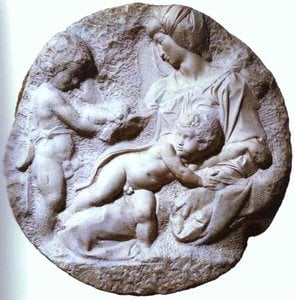
Brutus

სისტინა კაპელის მაღალი რენესანსის ოსტატი. აღმოაჩინეთ მისი ლეგენდრული ქანდაკებები და ფრესკები დღესვე.

გიკლე / ხელოვნების პრინტი

მუზეუმის დონის ჟიკლე ან ტილოზე ბეჭდვა სწრაფი წარმოებისა და დასრულების მოქნილი ვარიანტებით. ( შეიძინეთ ხელით შესრულებული ნახატი გადართვა ციფრულ გამოსახულებაზე)

სტანდარტული
სასურველი ზომა
CM
INCH

აირჩიეთ ჩვენს მიერ წინასწარ განსაზღვრული ზომებიდან, რომლებიც ნაწარმოების ორიგინალურ პროპორციებს შეესაბამება.

სიგანე
სიმაღლე

შეიყვანეთ თქვენთვის საჭირო სიგანე და სიმაღლე, რათა გამოსახულებამ თქვენს ჩარჩოს ან კედელს ზუსტად მოერგოს. ბეჭდვისას შესაძლებელია მხოლოდ მისი შემცირება და არა გაზრდა, ამიტომ სხვა ფორმის ზომის შემთხვევაში სურათი ნაწილობრივ იკარგება. სანამ რაიმეს დაბეჭდავთ, ჩვენ გამოგიგზავნით ციფრულ მაკეტს დასდასტურებლად. ამ გვერდზე ნაჩვენები სურათი არ ასახავს რეალურ ჭრას — ამას მხოლოდ მაკეტი გვიჩვენებს.

მიწოდება მთელ მსოფლიოში () 2 კვირაში, სტანდარტული 4/5 კვირის ნაცვლად. (11 ნოემბერი)

უფასო ექსპრეს მიწოდება მთელ მსოფლიოში
მაღალი ხარისხის ტილოს ქსოვილი
ტრანსპორტირების სრული დაზღვევა
საბაჟო გადასახადების დაბრუნების გარანტია
ფერების სრული შესაბამისობის გარანტია
დაბრუნების 100-დღიანი პოლიტიკა (მხოლოდ დეფექტის შემთხვევაში)
100% თანხის სრული დაბრუნების გარანტია
ფასდაკლება დიდი რაოდენობით შეკვეთისას

ჯამური ღირებულება

₾ 179

Brutus

გიკლე / ხელოვნების პრინტი

რეპროდუქციის ზომა

-

საბოლოო ღირებულება

₾ 179

ძირითადი ინფორმაცია

  • Medium: Marble
  • Artist: Michelangelo Buonarroti
  • Location: Museo Nazionale del Bargello
  • Movement: Renaissance
  • Title: Brutus

ტესტი ხელოვნების შესახებ

თითოეულ კითხვაზე მხოლოდ ერთი სწორი პასუხია.

კითხვა 1:
Who created the marble bust titled 'Brutus'?
კითხვა 2:
Around what year was the 'Brutus' bust sculpted?
კითხვა 3:
What is a key historical context for the creation of 'Brutus'?
კითხვა 4:
What artistic style does the 'Brutus' bust primarily reflect?

Brutus: A Renaissance Masterpiece of Power and Rebellion

  • Title: Brutus
  • Artist: Michelangelo Buonarroti
  • Date: 1540
  • Medium: Marble
  • Location: Museo Nazionale del Bargello, Florence, Italy

Historical Context and Significance

Michelangelo's "Brutus" bust was sculpted during a period of significant political upheaval in Renaissance Italy. Commissioned around 1539-1540 by Cardinal Niccolò Ridolfi, the sculpture reflects the anti-tyrannical sentiments prevalent at the time. Brutus, known for his role in assassinating Julius Caesar to preserve Roman republican ideals, served as a powerful symbol against tyranny and oppression – a message resonating strongly with those wary of autocratic rule. The bust's creation coincided with political tensions within Florence and across Italy, making it more than just a portrait; it was a statement about civic virtue and the importance of resisting oppressive power.

Artistic Technique and Style

"Brutus" exemplifies Michelangelo’s mastery of marble sculpture and his deep understanding of classical art principles. The bust showcases a revival of ancient Greek and Roman aesthetics, characterized by realism, anatomical accuracy, and idealized forms. Michelangelo's meticulous attention to detail is evident in the rendering of Brutus' facial features – the stern expression, furrowed brow, and strong jawline convey a sense of determination and resolve. The drapery, skillfully carved, adds depth and texture while subtly emphasizing the figure’s form. Michelangelo employed techniques like undercutting and contrasting planes to create dramatic shadows and highlights, enhancing the sculpture's three-dimensionality and visual impact. The overall style aligns with High Renaissance ideals, prioritizing balance, harmony, and a celebration of human potential.

Symbolism and Emotional Impact

Beyond its technical brilliance, "Brutus" is rich in symbolism. The subject’s stoic expression and dignified posture evoke qualities of courage, integrity, and self-sacrifice. The classical attire – the toga draped over his shoulders – connects Brutus to the legacy of Roman republicanism and emphasizes his role as a defender of liberty. The bust's gaze is direct and unwavering, creating a powerful connection with the viewer and conveying a sense of quiet strength. Emotionally, "Brutus" inspires contemplation on themes of duty, sacrifice, and the complexities of political action. It prompts reflection on the burdens of leadership and the difficult choices individuals must make in pursuit of justice and freedom.

Michelangelo's Legacy and Other Notable Works

“Brutus” stands as a testament to Michelangelo’s enduring artistic legacy. He was a prolific artist, renowned for his sculptures, paintings, and architectural designs. Among his other celebrated works are the "Pietà," the statue of "David," the frescoes on the Sistine Chapel ceiling (including “The Creation of Adam”), and the design of St. Peter's Basilica dome. These masterpieces demonstrate Michelangelo’s unparalleled ability to capture human emotion, anatomical precision, and artistic innovation, solidifying his position as one of history's greatest artists. "Brutus," in its own right, remains a powerful symbol of Renaissance ideals and a compelling portrait of a historical figure whose actions continue to resonate through the centuries.

კითხვები და პასუხები

არის მიქელანჯელო ბონაროტი-ის „Brutus“ პორტრეტული, პეიზაჟური თუ კვადრატული კომპოზიცია?

მიქელანჯელო ბონაროტი-ის „Brutus“ არის Portrait კომპოზიცია. ბეჭდვის ზომის შერჩევამდე ღირს პროპორციების გადამოწმება.

რა ადგილი უჭირავს მიქელანჯელო ბონაროტი-ის „Brutus“-ს ხელოვნების ისტორიაში?

ისტორიულად, „Brutus“ უფრო ფართო Renaissance ეპოქის High Renaissance სტილის ნამუშევარია.

არის თუ არა "Brutus" იმის ტიპური ნიმუში, რასაც მიქელანჯელო ბონაროტი ჩვეულებრივ ქმნიდა?

"Brutus" ასახავს portrait, roman history, brutus, sculpture, marble, renaissance, political symbolism, heroism-ს, მაშინ როდესაც მიქელანჯელო ბონაროტი-ის შემოქმედებაში დაფიქსირებული თემებია classical greek & roman sculpture, revival of ancient artistic forms, demonstrates mastery of marble carving, reflects michelangelo's political views, significant example of his classical style, anti-tyranny and republicanism, political turmoil in renaissance italy, heroic portrayal of historical figures. ამ ორი კომპონენტის შედარება გვიჩვენებს, თუ როგორ უკავშირდება ეს ნამუშევარი ხელოვანისთვის დამახასიათებელ საკצועებს.


აღმოაჩინეთ ხელოვნების ნაწარმოებები თემების, სტილისა და მახასიათებლების მიხედვით დაჯგუფებული.