ნახვა ინტერьерში ნახვა AR რეჟიმში შეიძინეთ ხელით შესრულებული ნახატი გადასვლა ციფრულ გამოსახულებაზე გაგზავნა

დეტალები გზამკვლევი დამატება ფავორიტებში ჩამოტვირთვა მსგავსები რენტგენოგრაფიული კვლევა სლაიდშოუ სტატისტიკა

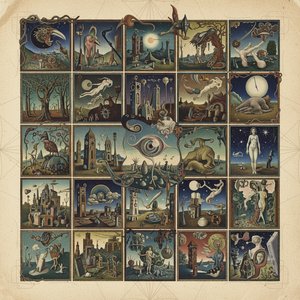
untitled (6571)

Explore Max Ernst’s ‘untitled (6571)’ – a striking surrealist sculpture featuring elongated figures & geometric forms. Discover this powerful abstract work from a Dada & Surrealism pioneer.

გამოიკვლიეთ მაქს ერნსტის (1891-1976) სრულიად განსაუჯარო სამყარო, დადას და სურრეალიზმის პიონერი! აღმოაჩინეთ მისი ინოვაციური ფროტაჟი, კოლაჟები და საწოვნაო ტილოები, რომლებსაც ხასიათდებათ ფრინველები, ლანდშაფტები და ფსიქოლოგიური თემები.

ამ გვერდზე წარმოდგენილი ნამუშევარი დაცულია საავტორო უფლების შესახებ კანონმდებლობით, რაც იმას ნიშნავს, რომ ჩვენ არ გვაქვს მისი იდენტური რეპროდუქციის შექმნის ან გაყიდვის სამართლებრივი უფლება. აღნიშნული დაცვა უზრუნველყოფილია ისეთი საერთაშორისო შეთანხმებებით, როგორიცაა ბერნის კონვენცია და ეროვნული კანონმდებლობით, მათ შორის იმ კანონებით, რომლებიც დეტალურად არის გაწერილი აშშ-ის საავტორო უფლების შესახებ კანონი - თავი 17.

ეს მეთოდი სრულად შეესაბამება საავტორო უფლებების რეგულაციებს, რადგან ის არ გულისხმობს დაცული ნამუშევრის კოპირებას ან დუბლირებას. ამგვარად, ეს წარმოადგენს შემოქმედებით რეინტერპრეტაციას — ახალ ნახატს, რომელიც შთაგონებითაა განპირობებული ორიგინალით, თუმცა არ არის მის იდენტურ ასლს.

გიკლე / ხელოვნების პრინტი

მუზეუმის დონის ჟიკლე ან ტილოზე ბეჭდვა სწრაფი წარმოებისა და დასრულების მოქნილი ვარიანტებით. ( შეიძინეთ ხელით შესრულებული ნახატი გადასვლა ციფრულ გამოსახულებაზე)

Corner sample of the P118B picture frame: ღუმლში ჩამჭედი პოლისტიროლი, 5 cm wide and 3 cm thick
P118B ₾10
Corner sample of the P118H picture frame: ღუმლში ჩამჭედი პოლისტიროლი, 5 cm wide and 3 cm thick
P118H ₾10
Corner sample of the P118W picture frame: ღუმლში ჩამჭედი პოლისტიროლი, 5 cm wide and 3 cm thick
P118W ₾10
Corner sample of the P438Z picture frame: ღუმლში ჩამჭედი პოლისტიროლი, 5.5 cm wide and 3.5 cm thick
P438Z ₾10
Corner sample of the P508JH picture frame: ღუმლში ჩამჭედი პოლისტიროლი, 7 cm wide and 3.5 cm thick
P508JH ₾12
Corner sample of the P508YH picture frame: ღუმლში ჩამჭედი პოლისტიროლი, 7 cm wide and 3.5 cm thick
P508YH ₾12
Corner sample of the P805H picture frame: ღუმლში ჩამჭედი პოლისტიროლი, 5 cm wide and 3.5 cm thick
P805H ₾10
Corner sample of the P805Z picture frame: ღუმლში ჩამჭედი პოლისტიროლი, 5 cm wide and 3.5 cm thick
P805Z ₾10
Corner sample of the P919BZ picture frame: ღუმლში ჩამჭედი პოლისტიროლი, 7 cm wide and 3.5 cm thick
P919BZ ₾10
Corner sample of the P919G picture frame: ღუმლში ჩამჭედი პოლისტიროლი, 7 cm wide and 3.5 cm thick
P919G ₾10
Corner sample of the P919XJ picture frame: ღუმლში ჩამჭედი პოლისტიროლი, 7 cm wide and 3.5 cm thick
P919XJ ₾10
Corner sample of the P959ZH picture frame: ღუმლში ჩამჭედი პოლისტიროლი, 5 cm wide and 3 cm thick
P959ZH ₾10
Corner sample of the P968JZ picture frame: ღუმლში ჩამჭედი პოლისტიროლი, 6 cm wide and 4 cm thick
P968JZ ₾12
Corner sample of the W106C picture frame: მასიური ხე, 5 cm wide and 3 cm thick
W106C ₾8
Corner sample of the W218G picture frame: მასიური ხე, 5 cm wide and 3 cm thick
W218G ₾10
Corner sample of the W218JH picture frame: მასიური ხე, 5 cm wide and 3 cm thick
W218JH ₾8
Corner sample of the W218Y picture frame: მასიური ხე, 5 cm wide and 3 cm thick
W218Y ₾10
Corner sample of the W307PJ picture frame: მასიური ხე, 6 cm wide and 3 cm thick
W307PJ ₾10
Corner sample of the W316G picture frame: მასიური ხე, 6 cm wide and 3 cm thick
W316G ₾10
Corner sample of the W316PJ picture frame: მასიური ხე, 6 cm wide and 3 cm thick
W316PJ ₾8
Corner sample of the W316Y picture frame: მასიური ხე, 6 cm wide and 3 cm thick
W316Y ₾10
Corner sample of the W398PJ picture frame: მასიური ხე, 5 cm wide and 3 cm thick
W398PJ ₾8
Corner sample of the W4111J picture frame: მასიური ხე, 6.5 cm wide and 3.5 cm thick
W4111J ₾10
Corner sample of the W500HY picture frame: მასიური ხე, 7 cm wide and 5 cm thick
W500HY ₾15
Corner sample of the W500JH picture frame: მასიური ხე, 7 cm wide and 5 cm thick
W500JH ₾15
Corner sample of the W692G picture frame: მასიური ხე, 8 cm wide and 4 cm thick
W692G ₾12
Corner sample of the W849H picture frame: მასიური ხე, 5 cm wide and 3 cm thick
W849H ₾8
Corner sample of the W940BG picture frame: მასიური ხე, 7.5 cm wide and 4.5 cm thick
W940BG ₾15
Corner sample of the W953PJ picture frame: მასიური ხე, 6 cm wide and 3.5 cm thick
W953PJ ₾8

სტანდარტული ზომა
ინდივიდუალური ზომა
CM
INCH

აირჩიეთ ჩვენს მიერ წინასწარ განსაზღვრული ზომებიდან, რომლებიც ნაწარმოების ორიგინალურ პროპორციებს შეესაბამება.

სიგანე
სიმაღლე

Type the width and the height you need, to fit your frame or your wall. A print can only be cut, never made bigger than the picture, so a size with a different shape loses a part of the image. We send you a digital mockup to approve before we print anything. The picture shown on this page does not show the real cut — only the mockup does.

მიწოდება მთელ მსოფლიოში () 2 კვირაში, სტანდარტული 4/5 კვირის ნაცვლად. (14 ოქტომბერი)

უფასო ექსპრეს მიწოდება მთელ მსოფლიოში
მაღალი ხარისხის ტილო
ტრანსპორტირების სრული დაზღვევა
საბაჟო გადასახადების დაბრუნების გარანტია
ფერების სრული შესაბამისობის გარანტია
დაბრუნების 100-დღიანი პერიოდი (მხოლოდ წარმოების დეფექტის შემთხვევაში)
100% თანხის სრული დაბრუნების გარანტია
ფასდაკლება დიდი რაოდენობით შეკვეთისას

ჯამური ღირებულება

₾ 177

untitled (6571)

გიკლე / ხელოვნების პრინტი

რეპროდუქციის ზომა

-

ჯამური ღირებულება

₾ 177

მოკლე ფაქტები

  • artist: Max Ernst
  • title: untitled (6571)
  • movement: Abstract Expressionism, Surrealism
  • year: Unknown

ტესტი ხელოვნების შესახებ

თითოეულ კითხვაზე მხოლოდ ერთი სწორი პასუხია.

კითხვა 1:
To which artistic movements is Max Ernst's 'untitled (6571)' most closely associated?
კითხვა 2:
Based on the description, what materials were likely used to create this sculpture?
კითხვა 3:
The composition of 'untitled (6571)' is described as having a strong emphasis on what?
კითხვა 4:
What can be inferred about the technique used to create this sculpture based on its texture?
კითხვა 5:
The figures within 'untitled (6571)' are described as being...

A Surreal Encounter: Decoding Max Ernst’s Untitled Sculpture (6571)

This striking sculpture by Max Ernst, simply titled *untitled (6571)*, is a powerful example of the artist's foray into three-dimensional form and his enduring fascination with the subconscious. Created during an unspecified period in his prolific career, it embodies the core tenets of both Dadaism and Surrealism – movements that profoundly shaped 20th-century art.

Subject & Composition: A Throne of the Absurd

The sculpture presents a deeply unsettling yet captivating scene. Two elongated figures dominate the composition, seated upon what resembles a throne or dais. The central figure, with its dramatically extended arm, cradles a small object – perhaps an animal, possibly a symbolic offering. Behind this figure sits another, gazing upwards with an expression that is both expectant and detached. The arrangement evokes power dynamics, ritualistic ceremony, or even a distorted familial relationship. The crowded composition, coupled with the figures’ verticality, creates a sense of contained drama and psychological tension.

Style & Technique: Abstract Expressionism Meets Surrealist Vision

Ernst masterfully blends abstract expressionist principles with his signature surrealist sensibility. The forms are angular, geometric, and deliberately fragmented. The rough, uneven texture suggests a subtractive sculpting process – likely carved from stone or concrete – adding to the work’s primal energy. This tactile quality invites viewers to consider the physicality of creation and destruction inherent in the artistic act. While abstract, the figures retain enough human suggestion to resonate with our own experiences and anxieties.

Historical Context: Ernst's Artistic Evolution

Max Ernst (1891-1976) was a pivotal figure in the development of modern art. Initially associated with Dadaism – an anti-art movement born out of disillusionment following World War I – he quickly embraced Surrealism, exploring the realm of dreams, automatism, and the irrational. His experimentation extended beyond painting to include collage, frottage (rubbing techniques), and sculpture. This work demonstrates his continued exploration of form and material after establishing himself as a leading painter and collagist. The Menil Collection in Houston holds significant works by Ernst, highlighting his importance within the Surrealist canon.

Symbolism & Interpretation: Unlocking the Subconscious

The symbolism within *untitled (6571)* is deliberately ambiguous, inviting multiple interpretations. The throne-like structure could represent authority, societal constraints, or the weight of history. The figures themselves may embody archetypal characters – ruler and subject, observer and observed, conscious and unconscious. The small object held by the central figure adds another layer of mystery, potentially symbolizing vulnerability, sacrifice, or a lost connection to nature. Ernst’s work often grapples with themes of alienation, anxiety, and the search for meaning in a chaotic world.

Emotional Impact & Interior Design Considerations

This sculpture is not merely an aesthetic object; it's an emotional catalyst. Its unsettling beauty and enigmatic symbolism provoke contemplation and introspection. Its monochromatic palette (black and white) lends itself to a variety of interior design schemes, from minimalist modern spaces to more eclectic, bohemian settings. The strong verticality makes it ideal for entryways or as a focal point in a living room. A high-quality reproduction would serve as a compelling conversation starter and a testament to the enduring power of Surrealist art.

კითხვები და პასუხები

როგორ აბალანსებს "untitled (6571)" სინათლესა და სიმბნელეს?

untitled (6571)“-ის საერთო სიკაშკაშე არის brilliant, ხოლო მისი განათება — Luminous.

Which color stands out most in "untitled (6571)"?

მაქს ეურნსტ-ის „untitled (6571)“ ნამუშევრის დომინანტური ფერი არის White (#f6f6f6).

როგორ შემიძლია მაქს ეურნსტ-ის „untitled (6571)“-ის ციფრული ფაილის მიღება?

"untitled (6571)" is available as მაღალი გარჩევადობის ციფრული გამოსახულების ჩამოტვირთვა, purchased directly on its Digital Image page.


მხატვრის ბიოგრაფია

სურეალისტური სამყაროს აღმოჩენა: მაქს ეურნსტის ბიოგრაფია

მაქს ეურნსი (1891-1976) იყო გერმანული წარმოშობის მხატვერი, ქ雕ქთელი, გრაფიკოსი და პოეტი, რომელმაც საუკუნის მიჯნაზე ხელოვნების ისტორიაში უაღრესად მნიშვნელოვანი როლი ითამაშა. მისი ცხოვრება იყო მუდმივმოძრავი პროცესი, სავსე გამოკვლევებით, ფილოსოფიური გაღრმავებებით და საზოგადოებრივი ნორმებისადმი უარის განცხადებებით. ეურნსი არ იყო ტრადიციულ ხელოვნებაზე eğitim almış, თუმცა მისი ექსპერიმენტალური მიდგომა ხელოვნების შექმნასთან დაკავშირებით მის წვლილს უდავოდ დაუმატებს ისტორიაში.

ბონნის უნივერსიტეტში სწავლის დროს ეურნსი ფილოსოფიას, ხელოვნებათა ისტორიას, ლიტერატურას, ფსიქოლოგიასა და 정신병학ს ուսობოდა. ეს ინტელექტუალური მოგზაურობა მის შემდგომ შემოქმედებას უშუალოდ განაპირობებდა. ის არ მხოლოდ იმაზე էր კონცენტრირებული, როგორ უნდა დავხატო, არამედ იმაზე, რატომ უნდა დავხატო. სწორედ ამიტომ, 1912 წელს, სონდერბუნდის გამოფენაზე პიკასოს, ვან გოგისა და გაუგინის ნაწარმოებების ნახვის შემდეგ, მისი შემოქმედებითი გზა მკვეთრიდა. თანამედროვეობის თესლი ჩაისვა.

დადას მოძრაობა და სურეალისტური ხილვები

პირველი მსოფლიო ომი ეურნსისთვის გარდამტეხ პერიოდი აღმოჩნდა. სამხედრო მოქმედებებში მონაწილეობის გამო ის ღრმად შოკირებული იყო და გაუწონა საზოგადოების მიერ დამკვიდრებული წესები. ეს განცდილმა მას დადას მოძრაობაში უსწრაფესი ჩართვა მოუწია, რომელიც ტრადიციულ ხელოვნებას უარყოფდა და აბსურდობას, შემთხვევითობასა და არარეალურიან მიმართავდა. ეურნსი გახდა კოლნის დადას ჯგუფის ერთ-ერთი წამყვანი ფიგურა, ჰანს არპთან ერთად.

თუმცა, დადას მხოლოდ საფეხური იყო. 1920-იან წლებში ეურნსი პარიზს გადავიდა და სურეალისტთა რიგებში გაწევრილირდა ანდრე ბრეტონის წინამძღოლობით. ეს ნიშნავდა გადასვლას ოცნებების სამყაროში, ქვეცნობიერსა და არარეალურში. ფროიდის 정신분석학ური თეორიების ზემოქმედებით ეურნსი ცდილობდა ადამიანის გამოცდილების დამალულ სიღრმეს გამოეძერწა ხელოვნების გზით. ის არ ცდილობდა რეალობის აღიარებას ისეთი, როგორიც არის, არამედ იმ ფარული 정신적 ძალების გამოვლენას, რაც მას ფორმირებდა.

ინოვატორული ტექნიკები: ფროტაჟი, გრატაჟი და კოლაჟი

ეურნსის შემოქმედებითი ინოვაცია არ შემოიფარგლებოდა თემებს; ის იყო მუდმივად ექსპერიმენტიორი ტექნიკის მიმართ. მან უბრალოდ არ მიიღო არსებული მეთოდები – იგი ახალ ტექნიკას ქმნიდა. მისი ყველაზე ცნობილი წვლილია ფროტაჟი, რომელიც რგოლის ზედაპირებზე სათხემლის ან ნახევრადქიშმიშის გახვევას მოიცავს და წარმოქმნის ელეგანტურ და გამოკვეთილ تصاویر. ეს ტექნიკა, რომელიც შემთხვევითი მომენტიდან დაიბადა, ხის ბოქვენის შესწავლის დროს, ეურნსს საშუალებას აძლევდა, მიეხმარა ქვეცნობერს და შექმნა ფორმები, რომლებიც განუწყვეტლივ უარყოფდნენ გონებრივ კონტროლს. მასთან ახლოს იყო გრატაჟი, სადაც ფერადი საღებავი გადაისვრება ტილოზე, გამოავრცელებს ქვედა στρώματα.

მისი ნაწარმოებები ხშირად შეიცავს სიმბოლურ تصاویر: ჩიტებს (განსაკუთრებით მისი ალტერ-ეგო ლoplop), უდარდელ ლანდშაფტებს, არხეოლოგიური კომბინაციებს და საიდუმლოების განუწყვეტლივ გრძნობას. ეს ტექნიკები არ იყო მხოლოდ სტილისტური არჩევანი; ისინი მისი ქვეცნობიერთა შესწავლის ინტეგრალური ნაწილი იყვნენ, ასევე მისმა სურვილიმ, ტრადიციული ხელოვნების საზღვრების გადალახვა.

ინოვაციის მემკვიდრეობა და გავლენა

მეორე მსოფლიო ომის დაწყებამ ეურნსს Ευρώπηდან გაქცევა მოუწია, თავშესაფარი იპოვნა შეერთებულ შტატებში. მან განაგრძო ζωγραφική και экспериментирование ახალი ტექნიკებით გადასახლების დროსაც, საბოლოოდ დაბრუნდა Ευρώπაში ომის შემდეგ, სადაც აქტიური იყო მისი გარდაცვალებამდე, 1976 წლის 1 აპრილს პარიზში. მისი გავლენა მომავალ თაობათა მხატვრებზე უნ measurableია.

მაქს ეურნსის წვლილი დადას და სურეალისტურ მოძრაობებში უდავოდ გარდამტეხი იყო. მან გამოუცხადა ხელოვნების ნორმებს, ჩააღწია ადამიანის 정신ის სიღრმეში და გამოიგონა ინოვაციური ტექნიკები, რომლებიც დღესაც აინტერესებს მხატვრებს. ის არ იყო მხოლოდ ζωγράφος; ის იყო εξερευνητής, პროვოკატორი და წინდახედვი, რომელმაც გააფართოვა ხელოვნების საზღვრები.

  • მნიშვნელოვანი ნაწარმოებები: The Entire City, Euclides, Of This Men Shall Know Nothing, Forest and Dove
  • გავლენები: პაბლო პიკასო, ვინსენტ ვან გოგი, პოლ გაუგანი, სიგმუნდ ფროიდი, ჯორჯო დე ჩირიკო
  • მოძრაობები: დადას, სურეალიზმი
მაქს ეურნსტ

მაქს ეურნსტ

1891 - 1976 , გერმანია

მოკლე ფაქტები

  • Artistic Movement Or Style: დადაიზმი, სურრეალიზმი
  • Artists Or Movements Influenced By This Artist:
    • სურრეალიზმი
    • დადა
  • Artists Who Influenced This Artist:
    • პაბლო პიკასო
    • ვინ센ტ ვან გოგი
    • პოლ გაუგინი
    • ჯორჯიო დე ჩირიკო
  • Date Of Birth: 1891 წლის 2 აპრილი
  • Date Of Death: 1976 წლის 1 აპრილი
  • Full Name: მაქს ერნსტი
  • Nationality: გერმანელი, ფრანგი
  • Notable Artworks:
    • სიკვდილის მსხვერპლი
    • მთი მფრინავი ქალი
    • ლოპლოპი
  • Place Of Birth: ბრული, გერმანია
აღმოაჩინეთ ხელოვნების ნაწარმოებები თემების, სტილისა და მახასიათებლების მიხედვით დაჯგუფებული.