x
მუზეუმის დონის ჟიკლე ან ტილოზე ბეჭდვა სწრაფი წარმოებისა და დასრულების მოქნილი ვარიანტებით.
აირჩიეთ ჩვენს მიერ წინასწარ განსაზღვრული ზომებიდან, რომლებიც ნაწარმოების ორიგინალურ პროპორციებს შეესაბამება.
თქვენ შეგიძლიათ მიუთითოთ საკუთარი ზომები კონკრეტული ჩარჩოსთვის ან სივრცისთვის მოსარგებლებლად. თუ თქვენ მიერ არჩეული ზომა არ შეესაბამება ორიგინალი გამოსახულების პროპორციებს, ჩვენ ან დავჭრით ნამუშევარს, ან გავაფართოვებთ გამოსახულებას სარკული ან ერთფეროვანი კიდეებით. წარმოების დაწყებამდე თქვენს დასამტკიცებლად გამოგეგზავნებათ ციფრული მაკეტი.
გთხოვთ, გაითვალისწინოთ, რომ ეკრანზე ნაჩვენები წინასწარი ნახვა არ ასახავს რეალურ ჭრას ან გაფართოებას. მხოლოდ მაკეტზე იქნება ზუსტად წარმოდგენილი საბოლოო კომპოზიცია.
მიუხედავად იმისა, რომ ინდივიდუალური ზომები ხელმისაწვდომია, ორიგინალური პროპორციების შესანარჩუნებლად გირჩევთ, აირჩიოთ ზომა წინასწარ განსაზღვრული სიისგან.
მიწოდება მთელ მსოფლიოში () 2 კვირაში, სტანდარტული 4/5 კვირის ნაცვლად. (2 ივლისი)
untitled (6475)
რეკლამაციის ზომა
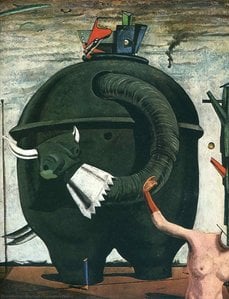
Max Ernst's *untitled (6475)* is not merely a painting; it’s an invitation to traverse the labyrinthine corridors of the subconscious. Created sometime during his prolific career, this work stands as a quintessential example of Surrealism’s power – a movement dedicated to liberating art from the constraints of reason and embracing the illogical beauty of dreams. The canvas presents a fragmented scene, immediately drawing the viewer into its enigmatic world where familiar forms dissolve and reality itself seems to bend to the dictates of an inner landscape.
The composition is strikingly unconventional, defying any straightforward interpretation. Two figures, their heads dramatically elongated, occupy a small boat adrift on what appears to be an expansive plane of green – a surface that tantalizingly resists categorization as either land or water. Above them, the sky hosts an improbable spectacle: a sailboat and fish float amongst the clouds, disrupting our expectations of natural order. Scattered throughout this dreamscape are further enigmatic elements—a woman in a pink dress, a dog, a bag, and other symbolic objects – each contributing to the painting’s unsettling yet compelling narrative. The arrangement feels deliberately illogical, mirroring the unpredictable nature of dreams where disparate memories and desires collide. It's as if Ernst has captured a fleeting moment from a half-remembered reverie, presenting it with an arresting clarity that is both captivating and disquieting.
Ernst masterfully blends influences from Cubism and Surrealism in this piece. The angular lines, disjointed forms, and abstracted shapes echo the Cubist principles of fragmentation and multiple perspectives. However, unlike the analytical approach of early Cubism, which sought to dissect reality into its component parts, Ernst employs these techniques to evoke an emotional response rather than a purely intellectual one. The visible brushstrokes and somewhat rough texture, achieved with oil paint on canvas, add depth and physicality to the dreamscape, grounding the ethereal imagery in a tangible reality. The diffuse lighting, lacking strong shadows, further enhances the sense of ambiguity and unreality, creating an atmosphere that is both haunting and beautiful. This isn’t simply a depiction of a scene; it's an evocation of a feeling—a sense of disorientation, isolation, and perhaps even longing.
Max Ernst (1891-1976) was a pivotal figure in 20th-century art. Initially associated with Dadaism – a movement born out of disillusionment with the horrors of World War I – he quickly became a leading light of Surrealism, pushing the boundaries of artistic expression and challenging conventional notions of reality. His artistic journey was marked by experimentation and innovation; he pioneered techniques like *frottage* (rubbing textures onto paper) and collage, constantly seeking new ways to unlock the power of the subconscious mind. The symbolism within *untitled (6475)* is deliberately open-ended, inviting viewers to project their own interpretations onto the canvas. The elongated heads of the figures could represent alienation or a sense of being stretched and distorted by modern life. The boat adrift on an undefined surface might symbolize isolation or a journey into the unknown. The seemingly random juxtaposition of objects encourages us to create our own narratives, tapping into our personal associations and subconscious thoughts. Ultimately, *untitled (6475)* is not about finding definitive answers; it’s about embracing the mystery and allowing ourselves to be swept away by the currents of the imagination.
This painting evokes a sense of unease, disorientation, and wonder. It's a work that stays with you long after you've looked away, prompting contemplation about the nature of reality, identity, and the power of the subconscious. Its unique aesthetic – a blend of abstraction, surreal imagery, and expressive brushwork – makes it a compelling addition to any art collection or interior space. The dreamlike quality lends itself particularly well to spaces seeking an atmosphere of intrigue and intellectual stimulation, offering a constant source of visual fascination and emotional resonance.
მაქს ეურნსი (1891-1976) იყო გერმანული წარმოშობის მხატვერი, ქ雕ქთელი, გრაფიკოსი და პოეტი, რომელმაც საუკუნის მიჯნაზე ხელოვნების ისტორიაში უაღრესად მნიშვნელოვანი როლი ითამაშა. მისი ცხოვრება იყო მუდმივმოძრავი პროცესი, სავსე გამოკვლევებით, ფილოსოფიური გაღრმავებებით და საზოგადოებრივი ნორმებისადმი უარის განცხადებებით. ეურნსი არ იყო ტრადიციულ ხელოვნებაზე eğitim almış, თუმცა მისი ექსპერიმენტალური მიდგომა ხელოვნების შექმნასთან დაკავშირებით მის წვლილს უდავოდ დაუმატებს ისტორიაში.
ბონნის უნივერსიტეტში სწავლის დროს ეურნსი ფილოსოფიას, ხელოვნებათა ისტორიას, ლიტერატურას, ფსიქოლოგიასა და 정신병학ს ուսობოდა. ეს ინტელექტუალური მოგზაურობა მის შემდგომ შემოქმედებას უშუალოდ განაპირობებდა. ის არ მხოლოდ იმაზე էր კონცენტრირებული, როგორ უნდა დავხატო, არამედ იმაზე, რატომ უნდა დავხატო. სწორედ ამიტომ, 1912 წელს, სონდერბუნდის გამოფენაზე პიკასოს, ვან გოგისა და გაუგინის ნაწარმოებების ნახვის შემდეგ, მისი შემოქმედებითი გზა მკვეთრიდა. თანამედროვეობის თესლი ჩაისვა.
პირველი მსოფლიო ომი ეურნსისთვის გარდამტეხ პერიოდი აღმოჩნდა. სამხედრო მოქმედებებში მონაწილეობის გამო ის ღრმად შოკირებული იყო და გაუწონა საზოგადოების მიერ დამკვიდრებული წესები. ეს განცდილმა მას დადას მოძრაობაში უსწრაფესი ჩართვა მოუწია, რომელიც ტრადიციულ ხელოვნებას უარყოფდა და აბსურდობას, შემთხვევითობასა და არარეალურიან მიმართავდა. ეურნსი გახდა კოლნის დადას ჯგუფის ერთ-ერთი წამყვანი ფიგურა, ჰანს არპთან ერთად.
თუმცა, დადას მხოლოდ საფეხური იყო. 1920-იან წლებში ეურნსი პარიზს გადავიდა და სურეალისტთა რიგებში გაწევრილირდა ანდრე ბრეტონის წინამძღოლობით. ეს ნიშნავდა გადასვლას ოცნებების სამყაროში, ქვეცნობიერსა და არარეალურში. ფროიდის 정신분석학ური თეორიების ზემოქმედებით ეურნსი ცდილობდა ადამიანის გამოცდილების დამალულ სიღრმეს გამოეძერწა ხელოვნების გზით. ის არ ცდილობდა რეალობის აღიარებას ისეთი, როგორიც არის, არამედ იმ ფარული 정신적 ძალების გამოვლენას, რაც მას ფორმირებდა.
ეურნსის შემოქმედებითი ინოვაცია არ შემოიფარგლებოდა თემებს; ის იყო მუდმივად ექსპერიმენტიორი ტექნიკის მიმართ. მან უბრალოდ არ მიიღო არსებული მეთოდები – იგი ახალ ტექნიკას ქმნიდა. მისი ყველაზე ცნობილი წვლილია ფროტაჟი, რომელიც რგოლის ზედაპირებზე სათხემლის ან ნახევრადქიშმიშის გახვევას მოიცავს და წარმოქმნის ელეგანტურ და გამოკვეთილ تصاویر. ეს ტექნიკა, რომელიც შემთხვევითი მომენტიდან დაიბადა, ხის ბოქვენის შესწავლის დროს, ეურნსს საშუალებას აძლევდა, მიეხმარა ქვეცნობერს და შექმნა ფორმები, რომლებიც განუწყვეტლივ უარყოფდნენ გონებრივ კონტროლს. მასთან ახლოს იყო გრატაჟი, სადაც ფერადი საღებავი გადაისვრება ტილოზე, გამოავრცელებს ქვედა στρώματα.
მისი ნაწარმოებები ხშირად შეიცავს სიმბოლურ تصاویر: ჩიტებს (განსაკუთრებით მისი ალტერ-ეგო ლoplop), უდარდელ ლანდშაფტებს, არხეოლოგიური კომბინაციებს და საიდუმლოების განუწყვეტლივ გრძნობას. ეს ტექნიკები არ იყო მხოლოდ სტილისტური არჩევანი; ისინი მისი ქვეცნობიერთა შესწავლის ინტეგრალური ნაწილი იყვნენ, ასევე მისმა სურვილიმ, ტრადიციული ხელოვნების საზღვრების გადალახვა.
მეორე მსოფლიო ომის დაწყებამ ეურნსს Ευρώπηდან გაქცევა მოუწია, თავშესაფარი იპოვნა შეერთებულ შტატებში. მან განაგრძო ζωγραφική και экспериментирование ახალი ტექნიკებით გადასახლების დროსაც, საბოლოოდ დაბრუნდა Ευρώπაში ომის შემდეგ, სადაც აქტიური იყო მისი გარდაცვალებამდე, 1976 წლის 1 აპრილს პარიზში. მისი გავლენა მომავალ თაობათა მხატვრებზე უნ measurableია.
მაქს ეურნსის წვლილი დადას და სურეალისტურ მოძრაობებში უდავოდ გარდამტეხი იყო. მან გამოუცხადა ხელოვნების ნორმებს, ჩააღწია ადამიანის 정신ის სიღრმეში და გამოიგონა ინოვაციური ტექნიკები, რომლებიც დღესაც აინტერესებს მხატვრებს. ის არ იყო მხოლოდ ζωγράφος; ის იყო εξερευνητής, პროვოკატორი და წინდახედვი, რომელმაც გააფართოვა ხელოვნების საზღვრები.
1891 - 1976 , გერმანია
გვიამარტეთ თქვენი პროექტის შესახებ და ჩვენი ხელოვნების ექსპერტები მოგაწვდით 3 პერსონალიზებულ რეკომენდაციას.
დაგვიძlinეთ სამი ვარიანტის შერჩევა სპეციალურად თქვენთვის – უფასოდ!