x
მუზეუმის დონის ჟიკლე ან ტილოზე ბეჭდვა სწრაფი წარმოებისა და დასრულების მოქნილი ვარიანტებით.
აირჩიეთ ჩვენს მიერ წინასწარ განსაზღვრული ზომებიდან, რომლებიც ნაწარმოების ორიგინალურ პროპორციებს შეესაბამება.
თქვენ შეგიძლიათ მიუთითოთ საკუთარი ზომები კონკრეტული ჩარჩოსთვის ან სივრცისთვის მოსარგებლებლად. თუ თქვენ მიერ არჩეული ზომა არ შეესაბამება ორიგინალი გამოსახულების პროპორციებს, ჩვენ ან დავჭრით ნამუშევარს, ან გავაფართოვებთ გამოსახულებას სარკული ან ერთფეროვანი კიდეებით. წარმოების დაწყებამდე თქვენს დასამტკიცებლად გამოგეგზავნებათ ციფრული მაკეტი.
გთხოვთ, გაითვალისწინოთ, რომ ეკრანზე ნაჩვენები წინასწარი ნახვა არ ასახავს რეალურ ჭრას ან გაფართოებას. მხოლოდ მაკეტზე იქნება ზუსტად წარმოდგენილი საბოლოო კომპოზიცია.
მიუხედავად იმისა, რომ ინდივიდუალური ზომები ხელმისაწვდომია, ორიგინალური პროპორციების შესანარჩუნებლად გირჩევთ, აირჩიოთ ზომა წინასწარ განსაზღვრული სიისგან.
მიწოდება მთელ მსოფლიოში () 2 კვირაში, სტანდარტული 4/5 კვირის ნაცვლად. (2 ივლისი)
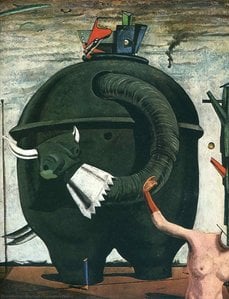
Sin título
რეკლამაციის ზომა
Max Ernst's "Sin título" (Untitled) isn’t merely a black and white etching; it’s an invitation to a psychological landscape, a confrontation with primal fears rendered in stark, unsettling detail. The artwork immediately commands attention through its dynamic composition – a wrestling match between a man and a colossal serpent dominates the frame, interwoven with a ghostly cameo of Mona Lisa that subtly complicates the narrative. Ernst, a pivotal figure in both Dada and Surrealism, masterfully employs a technique reminiscent of engraving or etching, creating an extraordinary contrast between light and shadow, sharp lines, and a flattened perspective that contributes to the work’s dreamlike quality. This isn't simply a depiction of physical struggle; it’s a visual representation of internal conflict, a battle waged within the depths of the human psyche.
The choice of materials – likely etched onto a metal plate and subsequently printed – speaks volumes about Ernst’s artistic process. The rigid linearity of the linework, while creating a graphic appearance, also suggests an underlying tension, mirroring the struggle depicted on the surface. The deliberate lack of shading or realistic depth further enhances this sense of unease, pushing the scene into the realm of symbolism and allegory. It's crucial to note that Ernst was deeply interested in exploring the subconscious, and “Sin título” is a prime example of his ability to translate complex psychological themes into visual form.
The serpent itself is a potent symbol throughout history – representing temptation, chaos, knowledge, and the cyclical nature of life. Here, it’s not merely a beast but an embodiment of primal urges, a force resisting control. The man wrestling with it embodies humanity's struggle against these darker aspects of its own being. Interestingly, positioned within this chaotic scene is a subtle yet significant detail: the inclusion of Mona Lisa. This iconic portrait, instantly recognizable and imbued with an aura of serene beauty, acts as a counterpoint to the turmoil unfolding before us. Some art historians interpret this juxtaposition as representing the eternal conflict between reason and emotion, or perhaps the allure of the unattainable – a reminder that even in moments of intense struggle, there exists a lingering sense of beauty and detachment.
The tower-like structure in the background adds another layer to the symbolism. Towers often represent ambition, power, and reaching for the heavens—but here, it feels somewhat ominous, perhaps suggesting an unattainable goal or a precarious position within this internal struggle. The overall composition suggests a descent into the unconscious, a confrontation with fundamental human dilemmas.
Understanding Max Ernst's artistic methods is key to appreciating “Sin título.” He was a pioneer of techniques like *frottage* – rubbing a pencil over textured surfaces to create unexpected images – and *grattage*, scraping paint across canvas to reveal hidden patterns. These processes were designed to bypass conscious control, tapping into the subconscious mind and generating surprising visual results. This approach is clearly evident in “Sin título,” where the deliberate use of line work and the seemingly random arrangement of elements contribute to a sense of controlled chaos. Ernst wasn’t simply painting what he *saw*; he was actively seeking to access and translate the hidden realities of his inner world.
The artwork's stark black and white palette further emphasizes this exploration of the subconscious. It strips away any distractions, forcing the viewer to confront the raw emotion and psychological intensity of the scene. It’s a testament to Ernst’s skill that he can create such a powerful and unsettling image using such a limited range of tones.
WahooArt offers meticulously hand-painted reproductions of Max Ernst's "Sin título," capturing the essence of this iconic work with unparalleled detail and fidelity. Our artists replicate Ernst’s distinctive linework, creating a stunning visual experience that faithfully reproduces the artwork’s unsettling atmosphere and symbolic depth. Whether you are an art collector seeking to expand your Surrealist collection or simply looking for a unique piece of art to enhance your interior design, our reproduction provides a beautiful and authentic representation of this seminal work. The high-quality materials used ensure that the reproduction will last for generations, preserving the power and mystery of Ernst’s vision. Explore our options today and bring this captivating image into your world.
მაქს ეურნსი (1891-1976) იყო გერმანული წარმოშობის მხატვერი, ქ雕ქთელი, გრაფიკოსი და პოეტი, რომელმაც საუკუნის მიჯნაზე ხელოვნების ისტორიაში უაღრესად მნიშვნელოვანი როლი ითამაშა. მისი ცხოვრება იყო მუდმივმოძრავი პროცესი, სავსე გამოკვლევებით, ფილოსოფიური გაღრმავებებით და საზოგადოებრივი ნორმებისადმი უარის განცხადებებით. ეურნსი არ იყო ტრადიციულ ხელოვნებაზე eğitim almış, თუმცა მისი ექსპერიმენტალური მიდგომა ხელოვნების შექმნასთან დაკავშირებით მის წვლილს უდავოდ დაუმატებს ისტორიაში.
ბონნის უნივერსიტეტში სწავლის დროს ეურნსი ფილოსოფიას, ხელოვნებათა ისტორიას, ლიტერატურას, ფსიქოლოგიასა და 정신병학ს ուսობოდა. ეს ინტელექტუალური მოგზაურობა მის შემდგომ შემოქმედებას უშუალოდ განაპირობებდა. ის არ მხოლოდ იმაზე էր კონცენტრირებული, როგორ უნდა დავხატო, არამედ იმაზე, რატომ უნდა დავხატო. სწორედ ამიტომ, 1912 წელს, სონდერბუნდის გამოფენაზე პიკასოს, ვან გოგისა და გაუგინის ნაწარმოებების ნახვის შემდეგ, მისი შემოქმედებითი გზა მკვეთრიდა. თანამედროვეობის თესლი ჩაისვა.
პირველი მსოფლიო ომი ეურნსისთვის გარდამტეხ პერიოდი აღმოჩნდა. სამხედრო მოქმედებებში მონაწილეობის გამო ის ღრმად შოკირებული იყო და გაუწონა საზოგადოების მიერ დამკვიდრებული წესები. ეს განცდილმა მას დადას მოძრაობაში უსწრაფესი ჩართვა მოუწია, რომელიც ტრადიციულ ხელოვნებას უარყოფდა და აბსურდობას, შემთხვევითობასა და არარეალურიან მიმართავდა. ეურნსი გახდა კოლნის დადას ჯგუფის ერთ-ერთი წამყვანი ფიგურა, ჰანს არპთან ერთად.
თუმცა, დადას მხოლოდ საფეხური იყო. 1920-იან წლებში ეურნსი პარიზს გადავიდა და სურეალისტთა რიგებში გაწევრილირდა ანდრე ბრეტონის წინამძღოლობით. ეს ნიშნავდა გადასვლას ოცნებების სამყაროში, ქვეცნობიერსა და არარეალურში. ფროიდის 정신분석학ური თეორიების ზემოქმედებით ეურნსი ცდილობდა ადამიანის გამოცდილების დამალულ სიღრმეს გამოეძერწა ხელოვნების გზით. ის არ ცდილობდა რეალობის აღიარებას ისეთი, როგორიც არის, არამედ იმ ფარული 정신적 ძალების გამოვლენას, რაც მას ფორმირებდა.
ეურნსის შემოქმედებითი ინოვაცია არ შემოიფარგლებოდა თემებს; ის იყო მუდმივად ექსპერიმენტიორი ტექნიკის მიმართ. მან უბრალოდ არ მიიღო არსებული მეთოდები – იგი ახალ ტექნიკას ქმნიდა. მისი ყველაზე ცნობილი წვლილია ფროტაჟი, რომელიც რგოლის ზედაპირებზე სათხემლის ან ნახევრადქიშმიშის გახვევას მოიცავს და წარმოქმნის ელეგანტურ და გამოკვეთილ تصاویر. ეს ტექნიკა, რომელიც შემთხვევითი მომენტიდან დაიბადა, ხის ბოქვენის შესწავლის დროს, ეურნსს საშუალებას აძლევდა, მიეხმარა ქვეცნობერს და შექმნა ფორმები, რომლებიც განუწყვეტლივ უარყოფდნენ გონებრივ კონტროლს. მასთან ახლოს იყო გრატაჟი, სადაც ფერადი საღებავი გადაისვრება ტილოზე, გამოავრცელებს ქვედა στρώματα.
მისი ნაწარმოებები ხშირად შეიცავს სიმბოლურ تصاویر: ჩიტებს (განსაკუთრებით მისი ალტერ-ეგო ლoplop), უდარდელ ლანდშაფტებს, არხეოლოგიური კომბინაციებს და საიდუმლოების განუწყვეტლივ გრძნობას. ეს ტექნიკები არ იყო მხოლოდ სტილისტური არჩევანი; ისინი მისი ქვეცნობიერთა შესწავლის ინტეგრალური ნაწილი იყვნენ, ასევე მისმა სურვილიმ, ტრადიციული ხელოვნების საზღვრების გადალახვა.
მეორე მსოფლიო ომის დაწყებამ ეურნსს Ευρώπηდან გაქცევა მოუწია, თავშესაფარი იპოვნა შეერთებულ შტატებში. მან განაგრძო ζωγραφική και экспериментирование ახალი ტექნიკებით გადასახლების დროსაც, საბოლოოდ დაბრუნდა Ευρώπაში ომის შემდეგ, სადაც აქტიური იყო მისი გარდაცვალებამდე, 1976 წლის 1 აპრილს პარიზში. მისი გავლენა მომავალ თაობათა მხატვრებზე უნ measurableია.
მაქს ეურნსის წვლილი დადას და სურეალისტურ მოძრაობებში უდავოდ გარდამტეხი იყო. მან გამოუცხადა ხელოვნების ნორმებს, ჩააღწია ადამიანის 정신ის სიღრმეში და გამოიგონა ინოვაციური ტექნიკები, რომლებიც დღესაც აინტერესებს მხატვრებს. ის არ იყო მხოლოდ ζωγράφος; ის იყო εξερευνητής, პროვოკატორი და წინდახედვი, რომელმაც გააფართოვა ხელოვნების საზღვრები.
1891 - 1976 , გერმანია
გვიამარტეთ თქვენი პროექტის შესახებ და ჩვენი ხელოვნების ექსპერტები მოგაწვდით 3 პერსონალიზებულ რეკომენდაციას.
დაგვიძlinეთ სამი ვარიანტის შერჩევა სპეციალურად თქვენთვის – უფასოდ!