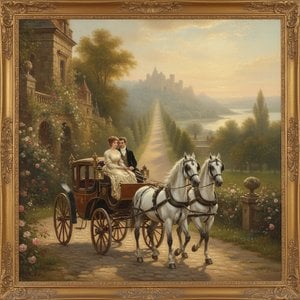
ტილოზე შესრულებული ფერწერიანი ზეთប្រდათი, თქვენთვის სასურველი ზომისა და ჩარჩოსთვის, ჩვენი ხელოვანების მიერ შეკვეთის საფუძველზე დამზადებული. ( გადართვა ბეჭდზე
გადასვლა ციფრულ გამოსახულებაზე)
აირჩიეთ ჩვენს მიერ წინასწარ განსაზღვრული ზომებიდან, რომლებიც ნაწარმოების ორიგინალურ პროპორციებს შეესაბამება.
თქვენ შეგიძლიათ მიუთითოთ თქვენთვის სასურველი ზომები კონკრეტული ჩარჩოს ან სივრცის შესაბამისად. თუ თქვენ მიერ არჩეული ზომა არ შეესაბამება ორიგინალი გამოსახულების პროპორციებს, ჩვენ ან შევაჭრებთ ნაწარმოებს, ან ტილოზე დავამატებთ ხელით მოხატულ ელემენტებს. წარმოების დაწყებამდე, დამტკიცებისთვის გამოგეგზავნებათ ციფრული მაკეტი.
გთხოვთ, გაითვალისწინოთ, რომ ეკრანზე ნაჩვენები წინასწარი შეხედულება არ ასახავს რეალურ შეჭრას ან გაფართოებას. საბოლოო კომპოზიციას ზუსტად მხოლოდ მაკეტი წარმოაჩენს.
მიუხედავად იმისა, რომ შესაძლებელია ინდივიდუალური ზომების შერჩევა, ორიგინალური პროპორციების შენარჩუნებისათვის გირჩევთ, გამოიყენოთ წინასწარ განსაზღვრული სიის ზომები.
მიწოდება მსოფლიო მასშტაბით -ში 3/4 კვირაში, სტანდარტული 5 კვირის ნაცვლად. (21 სექტემბერი). ხარისხზე კომპრომისის გაკეთება არ მოხდება.
Family Excursions
რეკლამაციის ზომა
Max Ernst's 1919 painting, "Family Excursions," isn't merely a depiction of a domestic scene; it’s an invitation into the unsettling and profoundly evocative world of Surrealism. This work, measuring a modest 36 x 26 centimeters, pulsates with a dreamlike quality, achieved through Ernst’s masterful manipulation of juxtaposition and his pioneering use of techniques like frottage – a method he would later refine – to create textures that seem to breathe beneath the surface. The painting immediately arrests the viewer with its peculiar arrangement: a group of figures gathered around a dining table, an unexpected presence of a horse positioned on the left, and a carefully curated collection of objects—bowls, cups, vases—that collectively suggest a scene both familiar and utterly bizarre.
At first glance, "Family Excursions" appears to be a snapshot of everyday life. However, Ernst deliberately disrupts this sense of normalcy through the illogical placement of elements and the overall atmosphere of disorientation. The horse, for instance, is not simply an animal; it feels like a symbolic intrusion, a reminder of primal instincts lurking beneath the veneer of civilization. The figures themselves are rendered with a degree of ambiguity, their expressions obscured, their identities somewhat lost within the painting’s dreamlike logic. This deliberate vagueness invites the viewer to project their own interpretations and anxieties onto the scene, transforming it into a mirror reflecting our own subconscious.
Ernst was a relentless innovator, constantly experimenting with new methods to unlock the hidden potential of his art. “Family Excursions” exemplifies this spirit, showcasing his early explorations into techniques designed to disrupt traditional representation. While not directly utilizing frottage in its final form here, the painting’s textured surfaces—the subtly rendered tablecloth, the implied volume of the objects on the table—hint at Ernst's fascination with creating tactile illusions through rubbing and layering. This technique, developed later, allowed him to capture the essence of textures – wood grain, fabric, stone – in a way that defied conventional brushwork.
Furthermore, the painting’s composition is carefully constructed to create a sense of spatial ambiguity. The perspective seems slightly off-kilter, and the objects on the table are arranged in a manner that defies gravity and logic. This deliberate distortion contributes to the overall feeling of unease and disorientation, characteristic of Surrealist art. Ernst wasn't interested in simply replicating reality; he sought to expose its underlying anxieties and contradictions through carefully orchestrated visual paradoxes.
To fully appreciate “Family Excursions,” it’s crucial to understand the historical context in which it was created. Painted in 1919, shortly after the end of World War I, the painting reflects the widespread disillusionment and uncertainty that gripped Europe at the time. Ernst's Dadaist roots are evident in his rejection of traditional artistic conventions and his embrace of absurdity and chance. The war had shattered established values and beliefs, leaving a generation grappling with trauma and questioning the nature of reality itself.
The inclusion of the horse can be interpreted as a symbol of both primal instincts and the destructive forces unleashed by the conflict. It’s a reminder that beneath the surface of civilized society lie darker, more fundamental impulses. “Family Excursions” isn't simply a charming domestic scene; it’s a powerful meditation on the anxieties and uncertainties of a world in transition – a testament to Max Ernst’s ability to capture the essence of his time through a uniquely surreal lens.
WahooArt offers meticulously crafted, hand-painted reproductions of “Family Excursions,” allowing you to bring this iconic Surrealist masterpiece into your home or office. Our skilled artists replicate Ernst’s intricate textures and evocative atmosphere with exceptional detail, ensuring that the reproduction captures the painting's original power and beauty. Whether you are an art enthusiast, a collector seeking to expand your collection, or simply someone drawn to the captivating imagery of Surrealism, our reproductions provide a stunning way to experience this seminal work of art.
Each reproduction is created on high-quality canvas using archival pigments, guaranteeing its longevity and vibrancy. Available in various sizes, you can choose the perfect scale to complement your space and personal style. Explore our selection today and immerse yourself in the dreamlike world of Max Ernst’s “Family Excursions.”
მაქს ეურნსი (1891-1976) იყო გერმანული წარმოშობის მხატვერი, ქ雕ქთელი, გრაფიკოსი და პოეტი, რომელმაც საუკუნის მიჯნაზე ხელოვნების ისტორიაში უაღრესად მნიშვნელოვანი როლი ითამაშა. მისი ცხოვრება იყო მუდმივმოძრავი პროცესი, სავსე გამოკვლევებით, ფილოსოფიური გაღრმავებებით და საზოგადოებრივი ნორმებისადმი უარის განცხადებებით. ეურნსი არ იყო ტრადიციულ ხელოვნებაზე eğitim almış, თუმცა მისი ექსპერიმენტალური მიდგომა ხელოვნების შექმნასთან დაკავშირებით მის წვლილს უდავოდ დაუმატებს ისტორიაში.
ბონნის უნივერსიტეტში სწავლის დროს ეურნსი ფილოსოფიას, ხელოვნებათა ისტორიას, ლიტერატურას, ფსიქოლოგიასა და 정신병학ს ուսობოდა. ეს ინტელექტუალური მოგზაურობა მის შემდგომ შემოქმედებას უშუალოდ განაპირობებდა. ის არ მხოლოდ იმაზე էր კონცენტრირებული, როგორ უნდა დავხატო, არამედ იმაზე, რატომ უნდა დავხატო. სწორედ ამიტომ, 1912 წელს, სონდერბუნდის გამოფენაზე პიკასოს, ვან გოგისა და გაუგინის ნაწარმოებების ნახვის შემდეგ, მისი შემოქმედებითი გზა მკვეთრიდა. თანამედროვეობის თესლი ჩაისვა.
პირველი მსოფლიო ომი ეურნსისთვის გარდამტეხ პერიოდი აღმოჩნდა. სამხედრო მოქმედებებში მონაწილეობის გამო ის ღრმად შოკირებული იყო და გაუწონა საზოგადოების მიერ დამკვიდრებული წესები. ეს განცდილმა მას დადას მოძრაობაში უსწრაფესი ჩართვა მოუწია, რომელიც ტრადიციულ ხელოვნებას უარყოფდა და აბსურდობას, შემთხვევითობასა და არარეალურიან მიმართავდა. ეურნსი გახდა კოლნის დადას ჯგუფის ერთ-ერთი წამყვანი ფიგურა, ჰანს არპთან ერთად.
თუმცა, დადას მხოლოდ საფეხური იყო. 1920-იან წლებში ეურნსი პარიზს გადავიდა და სურეალისტთა რიგებში გაწევრილირდა ანდრე ბრეტონის წინამძღოლობით. ეს ნიშნავდა გადასვლას ოცნებების სამყაროში, ქვეცნობიერსა და არარეალურში. ფროიდის 정신분석학ური თეორიების ზემოქმედებით ეურნსი ცდილობდა ადამიანის გამოცდილების დამალულ სიღრმეს გამოეძერწა ხელოვნების გზით. ის არ ცდილობდა რეალობის აღიარებას ისეთი, როგორიც არის, არამედ იმ ფარული 정신적 ძალების გამოვლენას, რაც მას ფორმირებდა.
ეურნსის შემოქმედებითი ინოვაცია არ შემოიფარგლებოდა თემებს; ის იყო მუდმივად ექსპერიმენტიორი ტექნიკის მიმართ. მან უბრალოდ არ მიიღო არსებული მეთოდები – იგი ახალ ტექნიკას ქმნიდა. მისი ყველაზე ცნობილი წვლილია ფროტაჟი, რომელიც რგოლის ზედაპირებზე სათხემლის ან ნახევრადქიშმიშის გახვევას მოიცავს და წარმოქმნის ელეგანტურ და გამოკვეთილ تصاویر. ეს ტექნიკა, რომელიც შემთხვევითი მომენტიდან დაიბადა, ხის ბოქვენის შესწავლის დროს, ეურნსს საშუალებას აძლევდა, მიეხმარა ქვეცნობერს და შექმნა ფორმები, რომლებიც განუწყვეტლივ უარყოფდნენ გონებრივ კონტროლს. მასთან ახლოს იყო გრატაჟი, სადაც ფერადი საღებავი გადაისვრება ტილოზე, გამოავრცელებს ქვედა στρώματα.
მისი ნაწარმოებები ხშირად შეიცავს სიმბოლურ تصاویر: ჩიტებს (განსაკუთრებით მისი ალტერ-ეგო ლoplop), უდარდელ ლანდშაფტებს, არხეოლოგიური კომბინაციებს და საიდუმლოების განუწყვეტლივ გრძნობას. ეს ტექნიკები არ იყო მხოლოდ სტილისტური არჩევანი; ისინი მისი ქვეცნობიერთა შესწავლის ინტეგრალური ნაწილი იყვნენ, ასევე მისმა სურვილიმ, ტრადიციული ხელოვნების საზღვრების გადალახვა.
მეორე მსოფლიო ომის დაწყებამ ეურნსს Ευρώπηდან გაქცევა მოუწია, თავშესაფარი იპოვნა შეერთებულ შტატებში. მან განაგრძო ζωγραφική και экспериментирование ახალი ტექნიკებით გადასახლების დროსაც, საბოლოოდ დაბრუნდა Ευρώπაში ომის შემდეგ, სადაც აქტიური იყო მისი გარდაცვალებამდე, 1976 წლის 1 აპრილს პარიზში. მისი გავლენა მომავალ თაობათა მხატვრებზე უნ measurableია.
მაქს ეურნსის წვლილი დადას და სურეალისტურ მოძრაობებში უდავოდ გარდამტეხი იყო. მან გამოუცხადა ხელოვნების ნორმებს, ჩააღწია ადამიანის 정신ის სიღრმეში და გამოიგონა ინოვაციური ტექნიკები, რომლებიც დღესაც აინტერესებს მხატვრებს. ის არ იყო მხოლოდ ζωγράφος; ის იყო εξερευνητής, პროვოკატორი და წინდახედვი, რომელმაც გააფართოვა ხელოვნების საზღვრები.
1891 - 1976 , გერმანია