

ამ გვერდზე წარმოდგენილი ნამუშევარი დაცულია საავტორო უფლების შესახებ კანონმდებლობით, რაც იმას ნიშნავს, რომ ჩვენ არ გვაქვს მისი იდენტური რეპროდუქციის შექმნის ან გაყიდვის სამართლებრივი უფლება. აღნიშნული დაცვა უზრუნველყოფილია ისეთი საერთაშორისო შეთანხმებებით, როგორიცაა ბერნის კონვენცია და ეროვნული კანონმდებლობით, მათ შორის იმ კანონებით, რომლებიც დეტალურად არის გაწერილი აშშ-ის საავტორო უფლების შესახებ კანონი - თავი 17.
ეს მეთოდი სრულად შეესაბამება საავტორო უფლებების რეგულაციებს, რადგან ის არ გულისხმობს დაცული ნამუშევრის კოპირებას ან დუბლირებას. ამგვარად, ეს წარმოადგენს შემოქმედებით რეინტერპრეტაციას — ახალ ნახატს, რომელიც შთაგონებითაა განპირობებული ორიგინალით, თუმცა არ არის მის იდენტურ ასლს.
მუზეუმის დონის ჟიკლე ან ტილოზე ბეჭდვა სწრაფი წარმოებისა და დასრულების მოქნილი ვარიანტებით. ( შეიძინეთ ხელით შესრულებული ნახატი გადართვა ციფრულ გამოსახულებაზე)





























აირჩიეთ ჩვენს მიერ წინასწარ განსაზღვრული ზომებიდან, რომლებიც ნაწარმოების ორიგინალურ პროპორციებს შეესაბამება.

შეიყვანეთ თქვენთვის საჭირო სიგანე და სიმაღლე, რათა გამოსახულებამ თქვენს ჩარჩოს ან კედელს ზუსტად მოერგოს. ბეჭდვისას შესაძლებელია მხოლოდ მისი შემცირება და არა გაზრდა, ამიტომ სხვა ფორმის ზომის შემთხვევაში სურათი ნაწილობრივ იკარგება. სანამ რაიმეს დაბეჭდავთ, ჩვენ გამოგიგზავნით ციფრულ მაკეტს დასდასტურებლად. ამ გვერდზე ნაჩვენები სურათი არ ასახავს რეალურ ჭრას — ამას მხოლოდ მაკეტი გვიჩვენებს.
მიწოდება მთელ მსოფლიოში () 2 კვირაში, სტანდარტული 4/5 კვირის ნაცვლად. (18 ნოემბერი)
Buste d'oiseau
რეპროდუქციის ზომა
Max Ernst’s “Buste d'oiseau” presents a captivating enigma, a visual meditation on form, symbolism, and the unsettling beauty of the subconscious. The painting immediately draws the eye to its stark composition: a dominant moon rendered in a deep charcoal hue, punctuated by a central black circle that suggests both void and potential. Superimposed upon this celestial backdrop are several circles – white, smaller, and strategically placed – creating a layered effect reminiscent of dreams or fragmented memories. Three birds, delicately positioned within the scene, add to the painting’s surreal quality, their forms echoing the circular motifs and contributing to an overall sense of disorientation and wonder.
Born in Brühl, Germany, in 1891, Max Ernst was a key figure in the development of Surrealism. His artistic journey was characterized by a deliberate rejection of academic conventions and a deep engagement with psychoanalysis, particularly the theories of Sigmund Freud. Ernst sought to tap into the realm of the unconscious mind, believing that art should not merely represent reality but rather reveal hidden truths and anxieties. “Buste d'oiseau” exemplifies this approach; it’s less about literal representation and more about evoking a feeling, an atmosphere of mystery and psychological depth. His academic background – encompassing philosophy, art history, literature, psychology, and psychiatry – provided him with the intellectual tools to explore these themes with remarkable precision.
The imagery within “Buste d'oiseau” is rich in symbolic potential. The moon, a recurring motif in Ernst’s work, often represents the feminine principle, intuition, and the cyclical nature of time. The circles, with their ambiguous forms, can be interpreted as representing wholeness, unity, or perhaps the fragmented aspects of consciousness. The birds themselves are frequently associated with freedom, spirituality, and transformation – qualities that resonate strongly within Ernst’s oeuvre. Their placement within the lunar landscape suggests a yearning for transcendence, a desire to escape the constraints of the rational world.
Ernst employed a variety of techniques in his work, often combining painting with collage and frottage (rubbing) to achieve unexpected effects. “Buste d'oiseau” likely showcases his mastery of oil paint, utilizing subtle gradations of tone to create the illusion of depth and texture. The deliberate imperfections and textural qualities contribute to the painting’s dreamlike atmosphere. It is believed that Ernst utilized techniques such as decalcomania – a process where paint is transferred from one surface to another – to generate some of the more abstract forms within the composition, further enhancing its surreal quality. The overall effect is one of controlled chaos, reflecting the complexities of the human psyche.
Noneმაქს ერნსტი-ის „Buste d'oiseau“-ს აქვს Portrait ფორმატი. ეს ფორმატი განსაზღვრავს კომპოზიციის პროპორციებს.
მაქს ერნსტი-ის „Buste d'oiseau“-ში bird sculpture, lunar symbolism, circle motifs, max ernst, abstract form, night scene, surreal composition და შემოერწყმება Ethereal ატმოსფეროს.
"Buste d'oiseau" მიეკუთვნება Surrealist Exploration სტილს, მისი ავტორი კი თანამედროვე ეპოქა ეპოქაში მოღვაწეობდა.


Journey through the dreamlike realms of Max Ernst. Explore 25 iconic Surrealist masterpieces, from pioneering collage to haunting landscapes. Find inspiration and museum-quality reproductions for your collection. Discover all masterpieces on WahooArt.com.

Explore the profound secrets of classical oil painting. From the delicate mastery of glazing to the dramatic depth of chiaroscuro, discover the timeless techniques used by Old Masters to create enduring, museum-quality masterpieces that capture light and emotion.

Embark on a sophisticated journey through the splendor of Austrian art. From Gustav Klimt’s golden masterpieces to the elegance of the Viennese Secession, discover the history and symbolism behind Europe's most iconic works for the discerning collector.
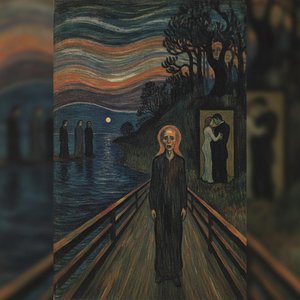
Journey through the raw emotion of Expressionism with our curated guide to Edvard Munch's top 25 masterpieces. Explore the stories behind his most iconic works and find museum-quality art reproductions for your collection. Discover all masterpieces on WahooArt.com.

Explore the profound psychological depths of Surrealism and Expressionism through expert analysis. Discover the unseen mind today.
 წინასწარი ნახვა

 გაგზავნა
 გაზიარება
 დეტალები
 გზამკვლევი


 ჩამოტვირთვა
 მსგავსები
 რენტგენოგრაფიული კვლევა
 სლაიდშოუ
 კითხვა-პასუხი

 სტატისტიკა


 გააგრძელეთ კითხვა









 მინის ჩარჩოს არჩევანი შესაძლებელია მხოლოდ 110 სმ-მდე ზომისთვის


