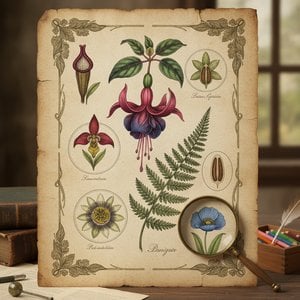
ფერადი წყლის საღებავებში აყვავებული ცხოვრება: მარი ვახ კალტის სამყარო
1860 წელს, ფილადელფიის დახვეწილ ქუეკერულ საზოგადოებაში დაბადებული მარი მორის ვახს, თითქოს მშვიდი და საოჯახო ცხოვრებისთვის იყო განწირული. თუმცა, ადრეული ასაკიდანვე, მის შიგნით ცოცხალი მხატვრული სული იღვიძებდა, რომელიც მარტივმა საჩუქარმა — რვა წლის ასაკში მამამისისგან მიღებულმა ფერადი წყლის საღებავების ნაკრებმა — გააღვიძა. ეს არ იყო მხოლოდ გასართობი საშუალება; ეს იყო გასაღები, რომელმაც გადაშლილად მიჰყვეს ბუნების დელიკატური სილამაზის, განსაკადგევად ველური ყვავილების დაფიქსირების მთელი ცხოვრების მანძილზე. ვერავინ შეძლებდა წინასწარმეტყუვედ, რომ ეს ადრეული მიდრეკილება ასეთ გასაოცარ კარიერად გადაიქცეოდა და მას სიყვარულით მოლოდინებულ لقبს — „ბოტანიკის ოვდუბონს“ მიანიჭებდა. მისი ისტორია მხოლოდ მხატვრული ნიჭის შესახებ არ არის, იგი ასევე გამძლეობის, სამეცნიერო ცნობისმოყვარეობისა და იმ გამბედავი სულის შესახებ, რომელმაც საზოგადოებრივ მოლოდინებს გადაჭრა. 1880 წელს დედის გარდაცვალების შემდეგ, ახალგაზრდა მარიზე ოჯახური პასუხისმგებლობის ტვირთი დაეცა, რამაც იგი აიძულა, თავი ბერძნული სიმშვიდით და посвяლებით ეძღვნა მამისა და ორი უმცროსი ძმის მოვლას. ამ ერთგულებამ მისი შემოქმედებითი ცეცხლი არ ჩ away, პირიქით, უფრო გააღვიძა ის ღრმა კავშირი იმ ლანდშაფტებთან, რომლებსაც ისინი ყოველწლიური საზღვაວო ექსპედიციების დროს კანადის სკრატებში ატარებდნენ.
სკრატების შთამბეჭდავი სილამაზე: ბუნება, როგორც მუზა და საგნი
ეს მოგზაურობები გარდამტამი აღმოჩნდა. კანადის სკრატების უხეში დიდებულება მარის მხატვრულ ლაბორატორიად იქცა. ძმებთან ერთად, იგი არა მხოლოდ აკვირდებოდა გარემოს, არამედ მას ზედმიწევნით დოკუმენტირებდა — სწავლობდა მინერალოგიას, ასახავდა მყინვარების მოძრაობას ნახატებისა და ფოტოგრაფიის საშუალებით და ეძღვნებოდა ალპური ფლორას რთულ დეტალებს. ეს არ იყო პასიური დაკვირვება, არამედ ბუნების სამეცნიერო საფუძვლებთან აქტიური ჩართულობა. სწორედ ამ ექსპედიციების დროს დაიწყო მარი მან ბოტანიკური ილუსტრატორის უნარების დახვეწა, თავდაპირველად ბოტანიკოსების თხოვნით, რომლებიც rare სახეობების ზუსტი აღწერილობებით იყვნენ დაინტერესებულნი. მისი მიდგომა თავის დროისთვის რევოლუციური იყო: იგი მცენარეებს ზუსტი მასშტაბით ასახავდა, წარმოაჩენდა მათ დელიკატურ სტრუქტურასა და მკვეთრ ფერებს უპრეცედენტო სიზუსტით. ეპოქის ბევრ ყვავილოვანი ნახატს, რომლებიც ხშირად რომანტიზებულს ან სტილიზებულს ხდიდა საგნებს, ვალკოლტის ნამუშევრებში სამეცნიერო სიზუსტეს მხატვრულ გამოხსნასთან ერთად პრიორიტეტი ენიჭებოდა. ლანდშაფტის სიდიდემ ასევე აღძრა თავგადასავლების სული; 1900 წელს იგი გახდა პირველი ქალი, რომელმაც სტივენის მწვერვალზე ასვლა შეძლო, რამაც კიდევ ერთხელ დაადასტურა მისი ფიზიკური სიმტკიცე და ურყევი ნებისყოფა.
მეცნიერებისა და ხელოვნების გამჭვირვალე კავშირი
მარის ცხოვრებაში კიდევ ერთი მნიშვნელოვანი გარდატეხა 1ству 1914 წელს მოხდა, როდესაც მან ეკლავი ჩარლზ დულიტლ ვალკოტი დაქორწინდა, რომელიც იმ დროს სმიტსონის ინსტიტუტის მდივანი და ცნობილი პალეონტოლოგი იყო. ეს კავშირი მხოლოდ პირადი ურთიერთობა არ ყოფილა; ეს იყო გონებრივი შეხვედრა, რომელიც ღრმად იყო ერთობლივ სამეცნიერო ძიებაში ჩაფლული. მათ ქორწინებამ შექმნა უნიკალური პარტნიორობა, სადაც ხელოვნება და მეცნიერება შეუფერხებლად იკვრებოდა ერთმანეთში. მათ განაგრძეს ყოველწლიური ექსპედიციები სკრატებში, სადაც ჩარლზი გეოლოგიურ კვლევებს ეწეოდა, მარი კი თავის ბოტანიკურ ფერწერას ეძღვნებოდა. ეს არ იყო განცალკევებული საქმიანობები, არამედ ურთიერთშემვსებელი ძიებები, სადაც თითოეული მეორეს ამდიდრებდა. სმიტსონის ინსტიტუტი გახდა მარის ნამუშევრების ჩვენების უმნიშვნელოვანესი პლატფორმა, რაც 1925 წელს *ჩრდილოეთ ამერიკის ველური ყვავილების* გამოცემით დასრულდა — ეს იყო მონუმენტური, ხუთტომიანი კოლექცია, რომელიც მის 40 "ზედმიწევნად შესრულებულ ილუსტრაციას მოიცავდა. ამ პუბლიკაციამ განამტკიცა მისი რეპუტაცია, როგორც წამყვანი ბოტანიკური მხატვრის და მიანიჭა მას მარადიული სახელწოდება „ბოტანიკის ოვდუბონი“, რაც მის დეტალურ ყვავილოვან კვლევებს ჯონ ჯეიმს ოვდუბონის ცნობილ ფრინველთა აღწერებებს ადარებდა.
ყვავილებული მემკვიდრეობა: წვლილი ხელოვნებასა და მეცნიერებაში
მარი ვახ კალტის გავლენა ბევრად სცილდება მისი ნახატების სილამაზეს. მისი ნამუშევრები წარმოადგენს მხატვრული უნარის, სამეცნიერო დაკვირვებისა და თავგადასავლური სულის უნიკალურ სინთეზს. იგი მხოლოდ ყვავილებს კი არ აღწერდა, არამედ მათ არსს აფიქსირებდა, ავლენდა მათ რთულ სტრუქტურას და ზეიმს უწერდა მათ სასიცოცხლო როლს ბუნებაში. მისი ილუსტრაციები დღემდე ფასდება როგორც ხელოვნების მოყვარულთა, ისე ბოტანიკოსთა მიერ, რადად რომ ისინი ჩრდილოეთ ამერიკის ფლორის შესაცნობად და შესასწავლად ფასდაუდებელ რესურსს წარმოადგენს. მხატვრული მიღწევების გარდა, ვალკოლტმა ასევე გამოავლინა თავდადება საზოგადარეო სამსახურისადმი; იგი 1927-დან 1932 წლამდე მონაწილეობდა ფედერალურ ინდიელთა კომისიებში და აქტიურად იბრძოდა ამერიკელ ინდიელთა რეზერვაციებში პირობების გასაუმჯობესებლად. 1940 წელს, მისი გარდაცვალების შემდეგ, მან სმიტსონის ინსტიტუტს მნიშვნელოვანი თანხა აუღარა, რათა მომავალმა თაობებმა ისარგებლეს სამეცნიერო კვლევებითა და პუბლიკაციებით. ჯასპერის ეროვნულ პარკში მდებარე მწვერვალი, „მარი ვახის მწვერვალი“, მისი თავგადასავლური სულის და მარადიული მემკვიდრეობის ხსენების მუდმივ სიმბოლოდ დარჩა. მისი ისტორია შთაგონების წყაროა, რომელიც გვიჩვენებს, თუ როგორ შეიძლება ვნება, თავდადება და ბუნებასთან ღრმა კავშირი წარმოაჩინოს გამორჩეული მიღწევებით სავსე ცხოვრება.
მთავარი მიღწევები და აღიარება
- ბოტანიკური ილუსტრაციის ინოვაცია: ცნობილია ველური ყვავილების სამეცნიეროდ ზუსტი და მხატვრულად დახვეწილი ფერადი წყლის ფერწერით.
- „ბოტანიკის ოვდუბონი“: ამ სახელწოდებით აღიარებული, რაც ხაზს უსვამს მისი შემოქმედების მნიშვნელობას ბოტანიკურ ხელოვნებაში.
- *ჩრდილოეთ ამერიკის ველური ყვავილები* (1925): ხუთტომიანი კოლექციის გამოცემა, რომელიც მოიცავს მის 400-ზე მეტ დახვეწილ ილუსტრაციას და განამტკიცა მისი რეპუტაცია.
- პირველი ქალი, ვინც სტივენის მწვერვალზე ასলো: მისი თავგადასავლური სულისა და ფიზიკური გამძლეობის დასტური.
- წვლილი მყინვარულ გეოლოგიაში: ძმებთან ერთად დოკუმენტირებული იყო მყინვარების უკანდახევის პროცესი კანადის სკრატებში, რაც ღირებული მონაცემები გახდა კლიმატის ცვლილების კვლევებისთვის.
- ფილანთროპიული მემკვიდრეობა: სმიტსონის ინსტიტუტს გადასხმული მნიშვნელოვანი თანხა სამეცნიერო კვლევების მხარდასაჭერად.



 წინასწარი ნახვა
 შეიძინეთ ხელით შესრულებული ნახატი
 გაგზავნა
 გაზიარება
 დეტალები

 ჩამოტვირთვა
 მსგავსები
 რენტგენოგრაფიული კვლევა
 სლაიდშოუ
 სტატისტიკა


 გადასართად დაწვრილებით ნახეთ






































 მინის ჩარჩოს არჩევანი ხელმისაწვდომია მხოლოდ 110 სმ-ზე ნაკლები ზომისთვის