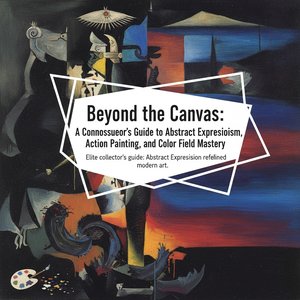
The Genesis of a Silent Dialogue: Mark Rothko's 1945 Untitled
Mark Rothko’s 1945 painting, simply titled “Untitled,” isn’t merely a composition of color; it’s an invitation to a profound and deeply personal experience. This monochrome work, measuring 49 x 64 cm, embodies the core tenets of Color Field painting – a movement Rothko pioneered alongside Barnett Newman and Clyfford Still – yet possesses a uniquely intimate quality. Born in Dvinsk (now Daugavpils), Latvia, in 1903, Rothko’s early life was steeped in displacement and a nascent awareness of human suffering, themes that would relentlessly inform his artistic vision. The painting itself feels like a distillation of this experience, a carefully constructed space designed to evoke contemplation rather than direct representation.

Deconstructing the Palette: Form and Emotion
The painting’s power resides in its deceptively simple execution. Rothko eschewed traditional brushwork, opting instead for a layering technique that builds up thin washes of pigment – primarily blacks, whites, and grays – to create vast, luminous rectangles. These forms aren't sharply defined; they bleed into one another, creating an atmospheric depth that draws the viewer inward. Notice how the edges are soft, almost dissolving, contributing to the painting’s sense of etherealness. The careful balance between light and shadow is crucial, generating a subtle vibration within the canvas – a visual equivalent of breath or pulse. The absence of recognizable imagery forces the eye to engage directly with the color itself, triggering associations and emotions without explicit guidance.
Symbolic Resonance: Loss, Memory, and the Human Condition
While Rothko famously resisted definitive interpretations of his work, art historians have identified recurring motifs. The presence of musical instruments – a violin prominently positioned in the upper right corner and another in the lower left – suggests themes of memory, music, and perhaps even loss. These objects, rendered with a delicate restraint, hint at moments of beauty and melancholy within a broader narrative of human experience. The clock, strategically placed near the center, could represent time’s relentless passage or the fragility of existence. The birds above, seemingly suspended in this colored space, evoke notions of freedom, aspiration, or perhaps even mortality – symbols that resonate deeply with Rothko's lifelong exploration of existential themes.
A Legacy of Quiet Intensity: Context and Influence
Created in 1945, during the tumultuous years following World War II, this “Untitled” reflects a world grappling with profound uncertainty. Rothko’s work stands as a powerful response to these anxieties, offering not answers but rather a space for individual reflection. It aligns with the broader trajectory of Abstract Expressionism, moving beyond representational art towards a more subjective and emotionally driven approach. Consider Rothko's later works, such as those in the Rothko Chapel in Houston, where he sought to create immersive environments designed to evoke spiritual contemplation. This 1945 painting serves as an early precursor to that ambition, demonstrating his nascent understanding of color’s capacity to communicate profound emotional states. Reproductions from WahooArt.com offer a remarkable opportunity to experience the depth and subtlety of this seminal work, bringing Rothko's silent dialogue into your space.
კითხვები და პასუხები
მარკ როთკო-ის შემოქმედების რომელ პერიოდს მიეკუთვნება „Untitled“?
"Untitled" წარმოადგენს მარკ როთკო-ის შემოქმედებით პერიოდს: Mid-Career Period.
რა ზომისაა მარკ როთკო-ის „Untitled“ რეალურ ცხოვრებაში?
ორიგინალში „Untitled“ ზომას შეადგენს 49 x 64 cm. ორიგინალის ზომები სასარგებლო ორიგინალის რეპროდუქციის ზომის შერჩევისას.
რა ზომაშია რეკომენდებული "Untitled"-ის ბეჭდვა?
მარკ როთკო-ის „Untitled“-ის ბეჭდვის რეკომენდებული ზომა არის Medium.



 ნახვა ინტერьерში
 შეიძინეთ ხელით შესრულებული ნახატი
 გაგზავნა
 გაზიარება
 დეტალები
 გზამკვლევი

 ჩამოტვირთვა
 მსგავსები
 რენტგენოგრაფიული კვლევა
 სლაიდშოუ
 სტატისტიკა


 სრული ტექსტის ნახვა






































 მინის ჩარჩოს არჩევანი ხელმისაწვდომია მხოლოდ 110 სმ-მდე ზომისთვის