ამ გვერდზე წარმოდგენილი ნამუშევარი დაცულია საავტორო უფლების შესახებ კანონმდებლობით, რაც იმას ნიშნავს, რომ ჩვენ არ გვაქვს მისი იდენტური რეპროდუქციის შექმნის ან გაყიდვის სამართლებრივი უფლება. აღნიშნული დაცვა უზრუნველყოფილია ისეთი საერთაშორისო შეთანხმებებით, როგორიცაა ბერნის კონვენცია და ეროვნული კანონმდებლობით, მათ შორის იმ კანონებით, რომლებიც დეტალურად არის გაწერილი აშშ-ის საავტორო უფლების შესახებ კანონი - თავი 17.
ეს მეთოდი სრულად შეესაბამება საავტორო უფლებების რეგულაციებს, რადგან ის არ გულისხმობს დაცული ნამუშევრის კოპირებას ან დუბლირებას. ამგვარად, ეს წარმოადგენს შემოქმედებით რეინტერპრეტაციას — ახალ ნახატს, რომელიც შთაგონებითაა განპირობებული ორიგინალით, თუმცა არ არის მის იდენტურ ასლს.
მუზეუმის დონის ჟიკლე ან ტილოზე ბეჭდვა სწრაფი წარმოებისა და დასრულების მოქნილი ვარიანტებით. ( შეიძინეთ ხელით შესრულებული ნახატი გადართვა ციფრულ გამოსახულებაზე)





























აირჩიეთ ჩვენს მიერ წინასწარ განსაზღვრული ზომებიდან, რომლებიც ნაწარმოების ორიგინალურ პროპორციებს შეესაბამება.

შეიყვანეთ თქვენთვის საჭირო სიგანე და სიმაღლე, რათა გამოსახულებამ თქვენს ჩარჩოს ან კედელს ზუსტად მოერგოს. ბეჭდვისას შესაძლებელია მხოლოდ მისი შემცირება და არა გაზრდა, ამიტომ სხვა ფორმის ზომის შემთხვევაში სურათი ნაწილობრივ იკარგება. სანამ რაიმეს დაბეჭდავთ, ჩვენ გამოგიგზავნით ციფრულ მაკეტს დასდასტურებლად. ამ გვერდზე ნაჩვენები სურათი არ ასახავს რეალურ ჭრას — ამას მხოლოდ მაკეტი გვიჩვენებს.
მიწოდება მთელ მსოფლიოში () 2 კვირაში, სტანდარტული 4/5 კვირის ნაცვლად. (8 ნოემბერი)
The Omen
რეპროდუქციის ზომა
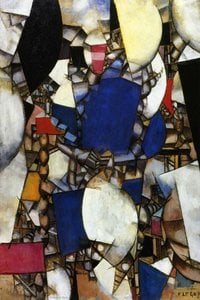
Mark Rothko's “The Omen,” a striking example of his mature abstract expressionist style, isn’t merely a painting; it’s an immersion into the profound anxieties of the 20th century. Produced as part of a Taschen portfolio in 2003, this work – rendered on thick white card and measuring 21x33cm with a print size of 28x36.5cm – immediately commands attention with its bold juxtaposition of blue and red. It’s a piece that invites contemplation, demanding a response beyond simple aesthetic appreciation.
Rothko's technique is characterized by the layering of translucent color fields—in this case, a dominant, deep blue punctuated by sharply defined crimson triangles. These aren’t haphazard splashes; they are meticulously constructed blocks of pigment, applied in thin washes that bleed into one another, creating an ethereal quality. The deliberate flatness of the surface, a hallmark of his style, forces the viewer to confront the colors directly, without the distraction of traditional perspective or representational imagery. This technique, developed over years of experimentation, aimed to evoke primal emotions and spiritual experiences through pure color relationships. The triangles themselves, often interpreted as symbols of sacrifice or even religious iconography, add a layer of complexity to the composition.
Created during a period marked by global conflict and existential uncertainty – the shadow of World War II loomed large – “The Omen” reflects the anxieties of its time. Rothko himself grappled with themes of mortality, trauma, and the search for meaning in a world seemingly devoid of inherent order. The painting’s somber palette and unsettling geometry resonate with the psychological landscape of the era, mirroring the sense of dread and disillusionment that permeated much of 20th-century art and thought. It's important to note Rothko’s own personal struggles with depression and his profound interest in Eastern philosophy, which heavily influenced his artistic vision.
Beyond the readily apparent color contrasts, “The Omen” possesses a deeply layered symbolic resonance. The blue, often associated with melancholy, spirituality, and the infinite, creates a sense of vastness and contemplation. The red triangles, simultaneously powerful and vulnerable, evoke images of sacrifice, passion, or perhaps even warning. The inclusion of a solitary figure observing the artwork adds another dimension – a witness to this emotional landscape, suggesting our own vulnerability in the face of profound questions about existence. Ultimately, Rothko sought not to depict a specific scene but to elicit an emotional response—a feeling of awe, unease, or perhaps even transcendence—from the viewer.
This limited-edition print from Taschen offers a tangible connection to one of the most influential artists of the 20th century. “The Omen” is ideally suited for spaces where contemplation and emotional depth are valued – a study, a meditation room, or even a sophisticated living area. Its bold colors and powerful composition will undoubtedly serve as a focal point, sparking conversation and inviting viewers to engage with its enduring mysteries. The print’s size (28x36.5cm) makes it suitable for a variety of wall sizes, allowing for flexible placement within your interior design scheme.
კატალოგში, Abstract Expressionism სტილის ნამუშევრებს შორის, "The Omen" აღწევს Iconic-ს.
ნამუშევრის „The Omen“ სინათლისა და სიბნელის კონტრასტი შეფასებულია როგორც Balanced. კონტრასტი აღწერს, თუ რამდენად მკვეთრად განსხვავდება ნათელი და ბნელი არეები ერთმანეთისგან.
მარკ როთკო-ის „The Omen“-ში ფერებს Balanced ინტენსივობა აქვთ.

1903 - 1970 , ლატვია

Unveil the visceral power of Abstract Expressionism. Our expert exploration delves into the transformative legacies of Pollock, Rothko, and De Kooning, offering discerning collectors a profound understanding of the New York School’s enduring mastery and historical impact.
 წინასწარი ნახვა
 გაგზავნა
 გაზიარება
 დეტალები
 გზამკვლევი

 ჩამოტვირთვა
 მსგავსები
 რენტგენოგრაფიული კვლევა
 სლაიდშოუ
 კითხვა-პასუხი
 სტატისტიკა

 გააგრძელეთ კითხვა









 მინის ჩარჩოს არჩევანი შესაძლებელია მხოლოდ 110 სმ-მდე ზომისთვის