A Symphony of Color: The Luminous Essence of Music
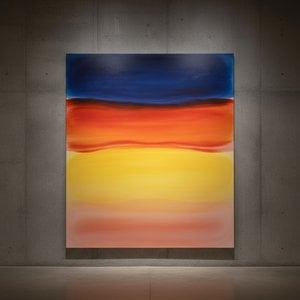
In the realm of American Abstract Expressionism, few works command the soul with such quiet intensity as Mark Rothko’s “Music,” painted in 1949. This masterpiece transcends the boundaries of mere visual representation, offering instead a profound meditation on emotion and spirituality. The canvas presents a striking composition of two rectangular blocks of color—predominantly deep crimson and vibrant orange—stacked vertically against one another. This arrangement creates an arresting juxtaposition that immediately captures the viewer's gaze, pulling them into a space where color becomes the primary language of human experience.
The technique employed by Rothko in “Music” is nothing short of miraculous. Rather than utilizing heavy, opaque layers, he meticulously applied thin washes of pigment to create luminous, breathing surfaces. Through a method known as “muted staining,” Rothko allowed each color to bleed subtly into its neighbor, resulting in hazy, atmospheric effects that dissolve the hard edges of the forms. The crimson block pulsates with an inner vibrancy, hinting at raw passion and intensity, while the orange rectangle radiates a sense of warmth and serenity. This delicate layering ensures that the colors remain pure and uncomprompered, maximizing their expressive potential and allowing them to glow from within the canvas.
Symbolism and the Resonance of the Human Spirit
Beyond its aesthetic allure, “Music” is steeped in deep symbolic meaning. The stacked rectangles serve as a visual metaphor for the interconnectedness of opposing forces—joy and sorrow, light and darkness—mirroring the harmonic complexities found in musical composition itself. Some scholars interpret the crimson tones as symbols of primal energy and instinct, while the orange hues embody compassion and contemplation. In this way, the painting acts as a conduit for accessing states of consciousness that exist beyond rational thought, inviting a personal dialogue between the artwork and the observer.
Emerging from a period of significant artistic experimentation following World War II, this work reflects the broader existential questions of its era. As artists grappled with the complexities of the human condition, Rothko sought to communicate profound truths through the pure emotional impact of color and form. For collectors and interior designers alike, a reproduction of “Music” offers more than just a decorative element; it provides a focal point for contemplation and a sanctuary of stillness. Whether adorning a modern gallery or a private residence, the painting’s minimalist form forces us to confront our own perceptions, reminding us that true beauty resides in the realm of feeling rather than visual illusion.
კითხვები და პასუხები
როგორ არის ისტორიულად განსაზღვრული "Music"?
ისტორიულად, „Music“ არის უფრო ფართო Modern ეპოქის American Abstract Expressionism ნამუშევარი.
სად შემიძლია მარკ როთკო-ის „Music“-ის ციფრული გამოსახულების შეძენა?
მარკ როთკო-ის „Music“-ის ციფრული ფაილის მისაღებად, შეუკვეთეთ მაღალი გარჩევადობის ციფრული გამოსახულების ჩამოტვირთვა მისი ციფრული გამოსახულება გვერდის მეშვეობით.
რა ტიპის ნამუშევარია "Music"?
კატალოგში, მარკ როთკო-ის „Music“ დახარისხებულია, როგორც WallArt. ეს კატეგორია გეხმარებათ მსგავსი ნამუშევრების პოვნაში.



 ნახვა ინტერьерში
 შეიძინეთ ხელით შესრულებული ნახატი
 გაგზავნა
 გაზიარება
 დეტალები
 გზამკვლევი

 ჩამოტვირთვა
 მსგავსები
 რენტგენოგრაფიული კვლევა
 სლაიდშოუ
 სტატისტიკა

 სრული ტექსტის ნახვა






































 მინის ჩარჩოს არჩევანი ხელმისაწვდომია მხოლოდ 110 სმ-მდე ზომისთვის