მარიანე ნორთი: ვიქტორიანული ეპოქის გამბედავი მხატვარი და ბოტანიკოსი
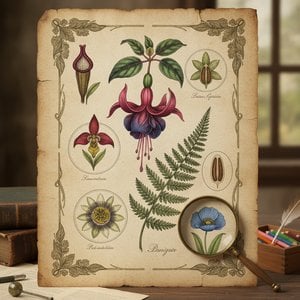
მარიანე ნორთი (1830-1890) იყო გამოცდილი ინგლისელი მხატვარი და ბოტანიკოსი, რომელმაც მსოფლიო მასშტაბით მოგზაურობდა, ფერადი ნახატების შექმნას უძღვნავდა, თავისი მოგზაურობების შესახებ წერდა, ახალი მცენარეებს აღმოჩენდა და კეუ-ს სამეფო ბოტანიკური ბაღებში საკუთარი გალერეის დამ设立ის საქმეს ხელმძღვანელობდა. ის იყო ქალური სულის ადამიანი, რომელმაც ვიქტორიანული ეპოქის საზოგადოებრივი მოლოდინების უარმდეგი, ბუნებრივ სამყაროს დოკუმენტაცია გა yaptı. ჰასტინგსში დაბადებული, ინგლისში, ის წარმოადგენდა მდიდარი ოჯახიდან მომავალ ქალბატონს, რომელმაც თავისი ცხოვრება ხელოვნებისა და მეცნიერების შესწავლისთვის მიუძღვნა. მისი ადრეული წლები მუსიკალურ სწავლას ეთანხმებოდა, თუმცა ხმის დაქვეითებამ მას ყვავილების მხატვრობისკენ მიმართა – გადაწყვეტილება, რომელმაც არა მხოლოდ მისსთვის მოსვენებას უწევდა, არამედ წარმოუდგენელი არსებობის საფუძველი გახდა.
მოგზაურობები და ბოტანიკური აღმოჩენები
მისი დედამისის გარდაცვალების შემდეგ, 1855 წელს, მარიანე თავდაჯერებულად დაიწყო მოგზაურობები, რომლებიც მას მთელი Ευρώპის მასშტაბით გადაიყვანდა. ეს მოგზაურობები მისსთვის ბუნებრივი სამყაროს შესწავლის უნიკალური შესაძლებლობა გახდა და მისი დაკვირვების უნარი გააუმჯობესა. 1869 წელს, მამის გარდაცვალების შემდეგ, მარიანე გადაწყვეტს, მთლიანად თავისი ძალებით მიუძღვნას გრძელვადიანი ქვეყნის ფლორას მხატვრობას – ეს გადაწყვეტილება მის ცხოვრებაში მნიშვნელოვანი მომენტი აღინიშნა. 1871 წელს მარიანე დაიწყო მოგზაურობების სერია, რომელიც თითქმის ხუთი წლის განმავლობაში გრძელდებოდა და მას სხვადასხვა რეგიონებში გადაიყვანა, როგორიცაა კანადა, გაიანა, ბრაზილია, იაპონია, ბორნეო, ინდოეთი, ავსტრალია და ახალი ზელანდია. ის მოგზაურობდა არა სამეცნიერო ჯგუფებთან ან ოფიციალური მხარდაჭერით, არამედ საკუთარ სახსრებზე, ეყრდნობოდა ოჯახის სიმდიდრეს და შეუდარებელი მტანადობისკენ სწრაფვას. მისი მეთოდი იყო ფრთხილად დაკვირვება, ჩანაწერების გაკეთება და შემდეგ მათი გადატანა ტილოზე.
მხატვრული სტილი და კეუ-ს გალერეა
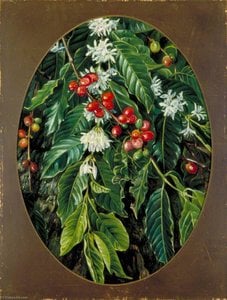
მარიანე ნორთის მხატვრული სტილი გამოირჩევა დეტალური რეალიზმით, ფერის სიღვიძლემ და ჰაერის სინატიფით. ძირითადად ზეთის ფასებით მუშაობისას, რომელიც იმ დროს ბოტანიკური ილუსტრაციისთვის არანormალური იყო, მან მიაღწია ფერების სიღრმეს და ტექსტურას, რაც მისს ნამუშევრებს სიცოცხლეს აძლევდა. მისი ნახატები არა მხოლოდ მცენარეების ფორმას ასახავს, არამედ გარემოსა და მათში ჩაძირვის გრძნობასაც. ის არ იყო ფორმალურად გაკეთებულ რომელიმე ხელოვნების მოძრაობაში, თუმცა მისს ნაშრომებში აღიქმება ვიქტორიანული ნატურალიზმის ელემენტები. მისი ყველაზე მნიშვნელოვანი მემკვიდრეობა კეუ-ს სამეფო ბოტანიკური ბაღების გალერეაა, რომელიც მას მიუძღვნეს. აღიარებულმა მისს შემოქმედებასთან დაკავშირებული მნიშვნელობის გათვალისწინებით, მარიანე ნორთმა თავისი მთელი კრებულილი შესთავაზა სამეფო ბოტანიკურ ბაღებს და ასევე თანხების გამოყოფა სპეციალური ექსპონატებისთვის. გალერეა, რომელიც იმავე წელს გაიხსნა, არის ერთადერთი ქალი მხატვრის სოლო გამოფენა კეუ-ში და დღემდე ათousands ადამიანებს აღძრავს შთამბეჭდავ შთაბეჭდილებას.
მემკვიდრეობა და ისტორიული მნიშვნელობა
მარიანე ნორთი იყო გამბედავი, რომელმაც გაასცა თხოვნა საზოგადოებრივი მოლოდინებისადმი და განავრცო იმის ფარგლები, რაც მისაღწევად მიიჩნეოდა ქალებისთვის ვიქტორიანულ ეპოქაში. მისი დამოუკიდებელი მოგზაურობები, პროფესიული კარიერა და ბოტანიკური შესწავლის ერთგულება ყველა წარმოადგენს გამორჩეულ მიღწევას მის დროს. ის უარყოფდა შეთავაზებებს ქმნის და აირჩევდა საკუთარი გზის გატარს, ხელოვნებისადმი სიყვარულისძალით. მისი ნახატები არის საგანგაშო ისტორიული რეგისტრაცია, რომელიც დოკუმენტაციას უწევს მცენარეულ ცხოვრებას გადამწყვეტ მომენტში – ეპოქაში, რომელსაც ხასიათი του აძლევდა სწრაფ გარემო შეცვლას და კოლონილიზაციის გაფართოებას. ისინი გვაძლევენ შესაძლებლობას გავეცნოთ XIX საუკუნის ბოტანიკურ ლანდშაფტებს და ვიხილოთ ისეთი სახეობები, რომლებიც დღეს შეიძლება იყოს საფრთხის წინაშე ან უკვე გადაშლილი. მარიანე ნორთის გალერეას აღდგენა 2008 წელს კიდევ უფრო გაამყარა მისი მემკვიდრეობა, დაადასტურა მისი ადგილი ხელოვნების ისტორიაში და ბოტანიკის მეცნიერებაში. მისი ამბავი დღესაც აინთებს შთაგონებას მხატვრებს, მეცნიერებს და მოგზაურთათვის, რომლებიც გაბედავებით მიჰყვებიან საკუთარ გულთერთმეტვილს – ნამდვილი 증거 იმისა, თუ რამდენად ძლიერი შეიძლება იყოს დამოუკიდებელი სული და ბუნებრივი სამყაროსადმი უცვლელი სიყვარული.
შემორჩენილი ნამუშევრები
- Foliage, Flowers and Fruit of the Cashew, Tanjore, India: ამ ნახატზე გამაოგნებულია ამ ტროპიკულ მცენარეების დეტალური შესწავლა.
- Elephants, Exotic Fish, and Leaf Insect: ეს ნამუშევარი გვიჩვენებს, როგორ ახერხებს მხატვარს თავისი ბუნებრივი ჰაბიტატით ცხოველებისა და ფოთლების ერთად აღქმას.
- Tegoro, Sarawak: ამ ნახატში გამორჩევა მისი დეტალური რეალიზმის და ჰაერის სინატიფის.
- On the Way from Tibet near Nagkunda, North India: ეს არის ხიმალაიური ლანდშაფტის გრამატიკული აღწერა.
- Lake of Ajmere, North West India: აქ არის ინდოეთის მთები და ნათელი მზის ჩასვლა.



 ნახვა ინტერьерში
 შეიძინეთ ხელით შესრულებული ნახატი
 გაგზავნა
 გაზიარება
 დეტალები
 გზამკვლევი

 ჩამოტვირთვა
 მსგავსები
 რენტგენოგრაფიული კვლევა
 სლაიდშოუ
 სტატისტიკა


 სრული ტექსტის ნახვა






































 მინის ჩარჩოს არჩევანი ხელმისაწვდომია მხოლოდ 110 სმ-მდე ზომისთვის