უფასო ხელოვნების კონსულტაცია

x
ნაბეჭდის შეძენა ნაბეჭდის შეძენასურათის შეძენა სურათის შეძენა გაგზავნაგაგზავნა
დეტალებიდეტალები დამატება ფავორიტებში დამატება ფავორიტებში ჩამოტვირთვაჩამოტვირთვა მსგავსებიმსგავსები რენტგენოგრაფიული კვლევარენტგენოგრაფიული კვლევა სლაიდშოუსლაიდშოუ

Wall clock

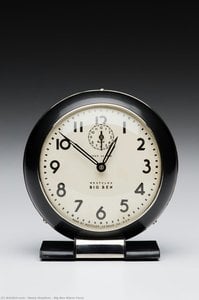
The Wall clock by Margarete Heymann-Loebenstein is a ceramic masterpiece produced in Haël Werkstätten, embodying modernist aesthetics and showcasing the artist's resilience during exile. Its geometric design features black numerals and hands against a vibrant orange glaze.

მარგარეტ ჰეიმანი (გრეტ მარქსი): ბაუსის სტილის კერამიკოსი, რომელმაც ემიგრაციაში მოდერნისტული დიზაინი და პერსონალური გამძლეობა გააერთიანა. Haël-ისა და 'Greta Pottery'-ს დამფუძნებელი.

შეიძინეთ მაღალი რეზოლუციის, გაუმჯობესებული ციფრული გამოსახულება, რომელიც ხარისხით ბევრად აღემატება ონლაინ წინასწარ ნახვას.

თითოეულ ფაილს ჩვენი შიდა სპეციალისტები საგულდაგულოდ ამზადებენ თანამედროვე ინსტრუმენტებისა და პროფესიონალური რეტუშირების გამოყენებით. ჩვენ უზრუნველყოფთ, რომ თითოეულ გამოსახულებას ჰქონდეს გამორჩეული სიცხადე, ფერების ზუსტი გადაცემა და დეტალიზაცია.

დასრულებული ფაილი ელექტრონული ფოსტით 72 საათში გიგზავნით; იგი ოპტიმიზებულია პროფესიონალური, რედაქციული და პოლიგრაფიული გამოყენებისთვის. ეს არის ისეთივე ხარისხი, რომელსაც წამყვანი დიზაინ-სტუდიები, გამომცემლობები და გალერეები ენდობიან.

ციფრული გამოსახულება

ჩამოტვირთეთ მაღალი გარჩევადობის ფაილი პირადი გამოყენებისთვის, დასაბეჭდად და შემოქმედებითი პროექტებისთვის.

საბოლოო ფასი

$9.99

ყოველ ციფრულ გამოსახულების შეკვეთაში შედის

ექსპერტული ციფრული მიწოდება, გარანტირებული

როდესაც ირჩევთ WahooArt.com-ს, თქვენ მხოლოდ სურათს კი არ იღებთ, არამედ იღებთ პროფესიონალურად დამუშავებულ ციფრულ ნამუშევარს, რომელიც შექმნილია უზადო სიზუსტით და დაცულია კმაყოფილების გარანტიით. თქვენს შეკვეთას ავტომატურად მოჰყვება შემდეგი:

shipping_icon
სწრაფი მიწოდება ელექტრონული ფოსტით

თქვენს მაღალი რეზოლუციის ციფრულ გამოსახულებას ელექტრონული ფოსტით შეკვეთის დაწყებიდან 72 საათში მიიღებთ — ის მზად იქნება დაუყოვნებლივი გამოყენებისთვის.

canvas_icon
AI-ით გაუმჯობესებული ციფრული ფაილი

თქვენი ხელოვნების ნიმუშები პროფესიონალურად არის ოპტიმიზებული მოწინავე AI ინსტრუმენტებისა და მექანიკური რედაქტირების მეშვეობით, რაც უზრუნველყოფს მაქსიმალურ დეტალიზაციას, სიცხადესა და ფერების სიზუსტეს.

insurance_icon
ციფრული გამოსახულებების უფასო სამუდამო ხელახალი მიღება

ფაილი შემთხვევით წაიშალა ან დაკარგეთ? ნუបედავთ — ჩვენ მას ნებისმიერ დროს, უფასოდ ხელახლა გამოგეგზავნით.

tax_icon
იმპორტის გადასახადების გარეშე — ყოველთვის

ჭიდად ისიამოვნეთ თქვენი ნამუშევრით მყისიერად, საბაჟო გადასახადის, მოსაკრებლის ან მიწოდების ხარჯის გარეშე - ციფრული ჩამტვირთვისას ყოველთვის საგადასახადო თავისუფლებაა.

color_icon
ფერების სიზუსტის გარანტია

პროფესიონალური ინსტრუმენტებისა და ფერების მართვის სისტემის გამოყენებით, ჩვენ უზრუნველყოფთ, რომ თქვენი ციფრული გამოსახულება მაქსიმალურად ზუსტად ასახავდეს ორიგინალურ ფერებს.

return_icon
60-დღიანი კმაყოფილების გარანტია

თუ თქვენს ციფრულ გამოსახულებას ვერ დაკმაყოფილებთ, ჩვენ შევირჩევთ მას ან დავაბრუნებთ 100% თანხას 60 დღის განმავლობაში — ყოველგვარი დამატებითი კითხვის გარეშე.

guarantee_icon
100% თანხის დაბრუნების გარანტია

არ არის თქვენი კმაყოფილების საფუძველი? მიიღეთ თანხის სრული დაბრუნება ციფრული ფაილის მიღებიდან 60 დღის განმავლობაში — ყოველგვარი დამატებითი კითხვის გარეშე.

discount_icon
ფასდაკლება დიდი რაოდენობით შეკვეთაზე

შეიძინეთ 3 გამოსახულება და მიიღეთ 10% ფასდაკლება - შეიძინეთ 5 და მიიღეთ 15% ფასდაკლება - შეიძინეთ 10+-ზე და მიიღეთ 20% ფასდაკლება. იდეალურია კრეატიული პროექტებისთვის, გალერეებისა და სააგენტოებისთვის.

მოკლე ინფორმაცია

  • Subject or theme: Decorative ceramics
  • Dimensions: 23,5 x 23,5 x 7,5 cm
  • Artistic style: Geometric clarity
  • Artist: Margarete Heymann Löbenstein Marks
  • Title: Wall clock
  • Medium: Earthenware; metal
  • Location: Marwitz near Berlin

ხელოვნების ტესტი

თითოეულ კითხვაზე მხოლოდ ერთი სწორი პასუხია.

კითხვა 1:
What artistic movement is Margarete Heymann-Loebenstein associated with?
კითხვა 2:
The glaze used on the wall clock is described as:
კითხვა 3:
Where was Margarete Heymann-Loebenstein born?
კითხვა 4:
What type of clockwork mechanism is attached to the reverse side of the wall clock?
კითხვა 5:
The image description highlights a specific aspect of the photograph – what is it?

კოლექციონირებადი ნივთის აღწერა

A Testament to Resilience: Exploring Margarete Heymann’s Wall Clock

The square wall clock crafted by Margarete Heymann-Loebenstein (later Marks) stands as more than just a functional timepiece; it embodies the spirit of modernist design intertwined with profound personal experience. Produced in the Haël Werkstätten for Artistic Ceramics during her exile from Nazi Germany, this piece exemplifies the Bauhaus aesthetic—characterized by geometric simplicity and honest material expression—while simultaneously reflecting Heymann’s unwavering dedication to artistic creation amidst turbulent times. Its unassuming appearance belies a complex narrative of innovation, displacement, and enduring beauty.
  • Style & Form: The clock's design adheres strictly to Bauhaus principles, prioritizing orthogonal lines and balanced proportions. Rounded corners subtly soften the rigid geometry, introducing an element of humanist consideration into the otherwise austere aesthetic.
  • Material & Technique: Constructed from ceramic material and encased in a metal frame, the clock utilizes slip casting—a technique perfected by Heymann—to achieve exceptional dimensional accuracy and surface smoothness. The uranium-based orange glaze imparts a luminous hue that captures ambient light, creating an ethereal glow.
  • Numerals & Hands: The black numerals on the clock face are meticulously positioned in a circular arrangement, mirroring the Bauhaus fascination with mathematical precision. Similarly, the black hour and minute hands—crafted from metal—are deliberately designed to convey clarity and functionality.
The Haël Werkstätten for Artistic Ceramics served as a crucial refuge for Heymann during her exile, allowing her to continue her artistic pursuits despite the pervasive restrictions imposed by Nazi ideology. This workshop was founded in 1930 and quickly became renowned for its commitment to producing high-quality ceramic pieces that blended modernist design with traditional craftsmanship. The clock’s creation represents a triumph of creativity within challenging circumstances—a symbol of perseverance and an affirmation of artistic vision as a force for beauty and intellectual engagement.
  • Symbolism: The orange glaze, chosen by Heymann herself, carries connotations of warmth, optimism, and vitality—counterbalancing the anxieties associated with exile. Its subtle luminosity speaks to the enduring power of art to illuminate even the darkest periods.
  • Historical Context: Produced in the wake of the Bauhaus’s closure in 1932, the clock embodies the Bauhaus movement's legacy of experimentation and its unwavering belief in the transformative potential of design. It stands as a testament to the Bauhaus ethos—a commitment to functional beauty rooted in rational principles.
The image accompanying this description captures the clock’s captivating aesthetic with meticulous detail. The stark white background enhances the vibrancy of the orange glaze and emphasizes the clock's sculptural form, inviting viewers to contemplate its elegance and understated sophistication. Furthermore, the watermark “© 2014 Margarete Heymann-Löbenstein” underscores the artist’s enduring presence—a reminder that this remarkable piece continues to inspire admiration for its harmonious blend of form and technique. Its timeless appeal resonates with collectors and interior designers alike who appreciate objects imbued with both intellectual rigor and emotional resonance.

Further Exploration

For a deeper understanding of Margarete Heymann’s artistic journey, consider visiting the Jewish Museum Berlin's archive (Jewish Object: Applied Arts Collection) where you can access documents detailing her life and work. Alternatively, explore her contributions to the Bauhaus movement (Wall clock - Margarete Heymann-Loebenstein (later Marks)), showcasing her pioneering spirit and unwavering dedication to modernist design principles. Finally, delve into the broader context of Jewish art during the Weimar Republic (Purchase a copy of Wall clock - Margarete Heymann) to appreciate the significance of this extraordinary artwork within its historical milieu.

დაკავშირებული ნამუშევრები


მხატვრის ბიოგრაფია

A Life Forged in Clay: The Story of Margarete Heymann

Margarete Heymann, a name that resonates with the spirit of modernist design and the resilience of the human spirit, was born in Cologne, Germany, in 1899. Her journey as an artist wasn’t simply one of creative exploration; it was a testament to perseverance against the backdrop of immense political and personal upheaval. Though she worked under several names throughout her life – Margarete Heymann-Löbenstein, Grete Marks, and Margarete Heymann-Marks – the core of her artistic vision remained remarkably consistent: a dedication to functional beauty, geometric clarity, and an honest expression of her evolving experiences. From her formative years at the Bauhaus to establishing thriving workshops and ultimately finding refuge in Britain, Heymann’s life was a continuous act of creation amidst adversity. Her early exposure to art came through studies at the Cologne School of Arts and the Düsseldorf Academy, but it was her enrollment at the Bauhaus in Weimar in 1920 that truly ignited her artistic path. Though her time there was relatively brief, leaving in 1921, the school’s ethos – its emphasis on uniting art with craftsmanship and social purpose – profoundly shaped her aesthetic sensibilities. She absorbed the principles of functional design and geometric abstraction championed by figures like Johannes Itten and Gerhard Marcks, laying the foundation for a style that would become uniquely her own.

The Flourishing Haël Workshops and the Shadow of Nazism

In 1923, Margarete Heymann embarked on a pivotal chapter in her career alongside her husband, Gustav Löbenstein, and his brother Daniel. Together, they founded the Haël Workshops for Artistic Ceramics in Marwitz, Germany. This wasn’t merely an artistic endeavor; it was a bold entrepreneurial venture that quickly gained recognition for its innovative modernist ceramic designs. The workshops flourished, exporting their creations to London and America, employing over 100 people at their peak. These were years of significant commercial success, fueled by Heymann's distinctive aesthetic – clean lines, simplified forms, and a vibrant palette that hinted at the emotional depth beneath the surface. Tragedy struck in 1928 with the untimely death of Gustav Löbenstein, leaving Margarete to manage the workshops alone. This demonstrated not only her artistic dedication but also an impressive business acumen. However, this period of prosperity was brutally interrupted by the rise of Nazism. As a Jewish artist, Heymann faced increasing persecution and was ultimately forced to sell the Haël Workshops in 1933 at a drastically undervalued price – a heartbreaking loss that marked a turning point in her life. The closure wasn’t simply a financial blow; it represented the silencing of a creative voice and the dismantling of a thriving artistic community.

Exile, Adaptation, and “Greta Pottery”

Following the forced sale of her workshops, Heymann embarked on a journey through Europe, briefly settling in Jerusalem before ultimately finding refuge in Britain in 1936. This relocation wasn’t merely a geographical shift; it was an act of reinvention. In Britain, she established “Greta Pottery,” continuing her ceramic practice under this new moniker and gradually gaining international recognition. Initially, she worked for Minton Pottery, but soon sought to establish her own studio, adapting her modernist style to appeal to a British audience while remaining true to its core principles. This adaptation wasn’t about compromising her artistic vision; it was about finding a way to express it within a new cultural context. The work produced under the “Greta Pottery” name reflects this delicate balance – retaining the geometric clarity and functional elegance of her earlier designs, but incorporating a subtle sensitivity to British tastes. Beyond ceramics, Margarete Marks expanded her artistic horizons after the war, exploring painting, drawing, and lithography, demonstrating a remarkable versatility and an unwavering commitment to creative expression.

A Lasting Legacy: Resilience and Artistic Innovation

Margarete Heymann (Grete Marks) left behind a legacy that extends far beyond the beautiful objects she created. She stands as a pioneering ceramic artist who navigated personal tragedy and political upheaval with remarkable resilience, embodying the spirit of artistic perseverance in the face of adversity. Her contributions to Bauhaus ceramics are significant, demonstrating a commitment to functional design and geometric abstraction that continues to inspire contemporary artists. But her work is more than just an aesthetic statement; it’s a testament to the power of art to transcend boundaries and express the complexities of human experience. The blending of modernist aesthetics with the emotional weight of her experiences as an exile gives her creations a unique depth and resonance. She broke barriers for Jewish artists during a time of intense persecution, demonstrating that creativity could flourish even in the darkest of times. Her story serves as a powerful reminder of the importance of artistic freedom and the enduring human need to create. Her work continues to captivate audiences today, not only for its beauty but also for the poignant narrative it embodies – a life forged in clay, tempered by adversity, and ultimately defined by an unwavering commitment to art. Margarete Heymann’s legacy is one of innovation, resilience, and the enduring power of the human spirit.

Key Characteristics of Her Work

  • Bauhaus Influence: Clean lines, geometric forms, functional design principles.
  • Vibrant Color Palettes: Bold and expressive use of color, often contrasting hues.
  • Textural Experimentation: Exploration of different ceramic textures and surface treatments.
  • Modernist Aesthetic: A commitment to simplicity, elegance, and a rejection of ornamentation.
  • Emotional Depth: Subtle expressions of personal experience and the challenges of exile within her designs.

მარგარეტ ჰეიმანი

მარგარეტ ჰეიმანი

1899 - 1990 , გერმანია

მოკლე ინფორმაცია

  • Artistic Movement Or Style: ბაუჰაუსი, მოდერნიზმი
  • Artists Or Movements Influenced By This Artist:
    • Greta Pottery
    • ბაუჰაუსის კერამიკა
  • Artists Who Influenced This Artist:
    • Gerჰარდ მარქსი
    • იოჰანეს იტენი
  • Date Of Birth: 10 აგვისტო, 1899
  • Date Of Death: 11 ნოემბერი, 1990
  • Full Name: მარგარეტ ჰაიმანი
  • Nationality: გერმან-ბრიტანელი
  • Notable Artworks:
    • ჩაის სერვისი
    • სასმელად განკუთვნილი ქვაბი თავსახურით
  • Place Of Birth: კიოლნი, გერმანია