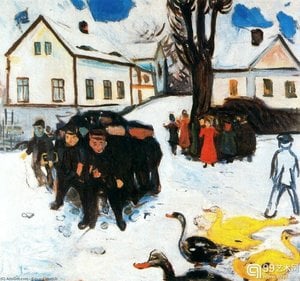
ამ გვერდზე წარმოდგენილი ნამუშევარი დაცულია საავტორო უფლების შესახებ კანონმდებლობით, რაც იმას ნიშნავს, რომ ჩვენ არ გვაქვს მისი იდენტური რეპროდუქციის შექმნის ან გაყიდვის სამართლებრივი უფლება. აღნიშნული დაცვა უზრუნველყოფილია ისეთი საერთაშორისო შეთანხმებებით, როგორიცაა ბერნის კონვენცია და ეროვნული კანონმდებლობით, მათ შორის იმ კანონებით, რომლებიც დეტალურად არის გაწერილი აშშ-ის საავტორო უფლების შესახებ კანონი - თავი 17.
ეს მეთოდი სრულად შეესაბამება საავტორო უფლებების რეგულაციებს, რადგან ის არ გულისხმობს დაცული ნამუშევრის კოპირებას ან დუბლირებას. ამგვარად, ეს წარმოადგენს შემოქმედებით რეინტერპრეტაციას — ახალ ნახატს, რომელიც შთაგონებითაა განპირობებული ორიგინალით, თუმცა არ არის მის იდენტურ ასლს.
მუზეუმის დონის ჟიკლე ან ტილოზე ბეჭდვა სწრაფი წარმოებისა და დასრულების მოქნილი ვარიანტებით. ( შეიძინეთ ხელით შესრულებული ნახატი გადასვლა ციფრულ გამოსახულებაზე)





























აირჩიეთ ჩვენს მიერ წინასწარ განსაზღვრული ზომებიდან, რომლებიც ნაწარმოების ორიგინალურ პროპორციებს შეესაბამება.

შეიყვანეთ თქვენთვის საჭირო სიგანე და სიმაღლე, რათა იგი მოერგოს თქვენს ჩარჩოს ან კედელს. ბეჭდვისას შესაძლებელია მხოლოდ მისი შემცირება და არა გაზრდა, ამიტომ სხვა ფორმის ზომის შემთხვევაში გამოსახულება ნაწილობრივ იკარგება. სანამ რაიმეს დაბეჭდავთ, ჩვენ გამოგიგზავნით ციფრულ მაკეტს დასდასტურებლად. ამ გვერდზე ნაჩვენები სურათი არ ასახავს რეალურ ჭრას — ამას მხოლოდ მაკეტი გვიჩვენებს.
მიწოდება მთელ მსოფლიოში () 2 კვირაში, სტანდარტული 4/5 კვირის ნაცვლად. (1 ნოემბერი)
Russian village
რეპროდუქციის ზომა
In the quiet, monochromatic depths of Marc Chagall’s “Russian Village,” we encounter a world that exists at the intersection of memory and myth. Completed in 1929 during his period of Parisian exile, this oil on canvas masterpiece serves as a profound distillation of the artist's connection to his Vitebsk homeland. Rather than a literal depiction of a landscape, the painting functions as a dreamscape, where the wintry Russian countryside is rendered with an ethereal quality that defies rational explanation. The absence of color does not diminish the work; instead, it strips away the distractions of the physical world, leaving behind a skeletal, hauntingly beautiful vision of a life etched in frost and nostalgia.
The composition invites the viewer to wander through a stylized, snow-covered landscape where reality feels delightfully unmoored. A horse-drawn carriage, a quintessential symbol of rural tradition, moves across the left side of the canvas, traversing over rooftops and buildings as if gravity were merely a suggestion. This sense of spatial ambiguity is a hallmark of the Naïve Art movement, a style Chagall embraced to recapture the uninhibited spirit of childhood and folklore. By rejecting the rigid academic conventions of perspective and anatomical precision, Chagall creates a flattened, layered world where buildings overlap in a charmingly chaotic arrangement, suggesting a village that is as much a mental construct as it is a physical place.
Every element within this wintry scene carries a weight of quiet symbolism. The presence of two clocks—one positioned in the upper right and another in the lower left—serves as a poignant reminder of the passage of time, perhaps suggesting that this village is a moment frozen eternally in the artist's mind. The figures scattered throughout the landscape, including a man riding atop the carriage and others standing near the center, add a pulse of everyday life to the stillness of the snow. These simplified, geometric forms contribute to the painting's primitive charm, evoking a sense of timelessness that resonates deeply with those who find beauty in simplicity.
Technically, the work is a masterclass in using texture and tone to evoke atmosphere. Through the application of oil pigments, Chagall creates a tactile experience where snowy surfaces appear rough and uneven, contrasting with the smoother, more solid feel of the village structures. The lighting is diffused and even, casting minimal shadows and enveloping the entire scene in a soft, melancholic glow. For the collector or interior designer, this piece offers a sophisticated monochromatic palette that brings a sense of calm, quiet beauty and intellectual depth to any space. It is not merely a painting of a place, but an invitation to inhabit a memory, making it a profound addition to any collection dedicated to the transformative power of the human imagination.
Living Room-ისთვის, მარკ შაგალი-ის „Russian village“-ის ბეჭდვის რეკომენდებული ზომა არის Medium.
მარკ შაგალი-ის „Russian village“-ისათვის დაფიქსირებული ემოციური ტონი არის Melancholic. იგი აჯამებს იმ განწყობას, რომელსაც ეს ნამუშევარი გამოხატავს.
მარკ შაგალი-ის „Russian village“ რეკომენდებულია Accent-ისთვის, იდეალურ შემთხვევაში კი Living Room-ში დასამონტაჟებლად. გამოყენების დანიშნულება და სივრცე ერთობლივად განსაზღვრავს, თუ სად მოუხდება რეკრედუქცია საუკეთესოდ განთავსებას.


1887 - 1985 , Belarusi

Explore 25 iconic Marc Chagall masterpieces. Discover the dreamlike stories behind his colors on WahooArt.com.

Immerse yourself in the vibrant world of German Expressionism with our curated guide to Franz Marc's top 25 masterpieces. Explore the spiritual energy and symbolic colors of The Blue Rider movement. Find museum-quality art reproductions for your decor. Discover all masterpieces on WahooArt.com
Explore the profound grandeur of Russian art, from sacred Orthodox icons to Imperial Romanov splendor. Discover a curated guide to historical masterpieces, perfect for elite collectors and discerning interior designers seeking timeless elegance and cultural depth.
 ნახვა ინტერьерში
 გაგზავნა
 გაზიარება
 დეტალები
 გზამკვლევი

 ჩამოტვირთვა
 მსგავსები
 რენტგენოგრაფიული კვლევა
 სლაიდშოუ
 Q&A
Q&A სტატისტიკა

 სრული ტექსტის ნახვა









 მინის ჩარჩოს არჩევანი ხელმისაწვდომია მხოლოდ 110 სმ-მდე ზომისთვის