გაყიდეთ
x
წინასწარი ნახვაწინასწარი ნახვა AR წინასწარი ნახვაAR წინასწარი ნახვა შეიძინეთ პრინტი შეიძინეთ პრინტიშეიძინეთ გამოსახულება შეიძინეთ გამოსახულება გაგზავნაგაგზავნა
დეტალებიდეტალები დამატება ფავორიტებში დამატება ფავორიტებში ჩამოტვირთვაჩამოტვირთვა მსგავსებიმსგავსები რენტგენოგრაფიული კვლევარენტგენოგრაფიული კვლევა სლაიდშოუსლაიდშოუ

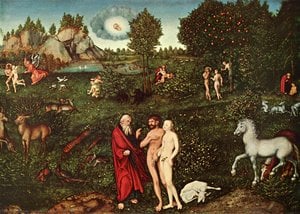
Lucretia

Lucas Cranach the Elder, born in Kronach, Germany around 1472, stands as a pivotal figure of the German Renaissance. His life unfolded during a period of immense religious and political upheaval, and his art became inextricably linked to both the burgeoning Protestant Reformation and the opulent courts he served.

Лукас Кранх Старший – ключевая фигура немецкого Возрождения, известный своими портретами и произведениями искусства Реформации. Его жизнь прошла в эпоху религиозных и политических потрясений, а искусство стало отражением этих изменений. Он работал в основном при поддержке Электора Фридриха III Саксонского и был одним из самых влиятельных художников своего времени. Кранх Старший создал более десяти

ხელით ნაკვეთი ზეთის ტილოს რეპროდუქცია

ტილოზე შესრულებული ფერწერიანი ზეთប្រდათი, თქვენთვის სასურველი ზომისა და ჩარჩოსთვის, ჩვენი ხელოვანების მიერ შეკვეთის საფუძველზე დამზადებული. (შეიძინეთ პრინტი შეიძინეთ პრინტიშეიძინეთ გამოსახულება შეიძინეთ გამოსახულება)

P118B $10
P118H $10
P118W $10
P438Z $10
P508JH $12
P508YH $12
P805H $10
P805Z $10
P919BZ $10
P919G $10
P919XJ $10
P959ZH $10
P968JZ $12
W106C $8
W218G $10
W218JH $8
W218Y $10
W307PJ $10
W316G $10
W316PJ $8
W316Y $10
W398PJ $8
W4111J $10
W500HY $15
W500JH $15
W692G $12
W849H $8
W940BG $15
W953PJ $8

Standard
custom
CM
INCH

აირჩიეთ ჩვენს მიერ წინასწარ განსაზღვრული ზომებიდან, რომლებიც ნაწარმოების ორიგინალურ პროპორციებს შეესაბამება.

სიგანე
სიმაღლე

თქვენ შეგიძლიათ მიუთითოთ თქვენთვის სასურველი ზომები კონკრეტული ჩარჩოს ან სივრცის შესაბამისად. თუ თქვენ მიერ არჩეული ზომა არ შეესაბამება ორიგინალი გამოსახულების პროპორციებს, ჩვენ ან შევაჭრებთ ნაწარმოებს, ან ტილოზე დავამატებთ ხელით მოხატულ ელემენტებს. წარმოების დაწყებამდე, დამტკიცებისთვის გამოგეგზავნებათ ციფრული მაკეტი.
გთხოვთ, გაითვალისწინოთ, რომ ეკრანზე ნაჩვენები წინასწარი შეხედულება არ ასახავს რეალურ შეჭრას ან გაფართოებას. საბოლოო კომპოზიციას ზუსტად მხოლოდ მაკეტი წარმოაჩენს.
მიუხედავად იმისა, რომ შესაძლებელია ინდივიდუალური ზომების შერჩევა, ორიგინალური პროპორციების შენარჩუნებისათვის გირჩევთ, გამოიყენოთ წინასწარ განსაზღვრული სიის ზომები.

რა შეიძლება შეიცვალოს: სახის ჩანაცვლება მომხმარებლის ფოტოთი; შინაური ცხოველის დამატება (მაგ., კატის ჩანაცვლება ძაღლით); ფონზე ფარული შეტყობინების დამატება; ფონის პეიზაჟის ან ელემენტების შეცვლა.
შეკვეთის შემდეგ, WahooArt.com გუნდი დაგიკავშირდებათ ელექტრონული ფოსტით ინსტრუქციებისთვის და გამოგიგზავნით წინასწარ ნახაზს (mockup).

მიწოდება მსოფლიო მასშტაბით -ში 3/4 კვირაში, სტანდარტული 5 კვირის ნაცვლად. (25 აგვისტო). ხარისხზე კომპრომისის გაკეთება არ მოხდება.

why_choose_icon
უფასო ექსპრეს მიწოდება მთელ მსოფლიოში
why_choose_icon
საბამად მაღალი ხარისხის ტილო
why_choose_icon
სრული ტრანსპორტირების დაზღვევა
why_choose_icon
საბაჟო გადასახადების დაბრუნების გარანტია
why_choose_icon
ფერების სრული შესაბამისობის გარანტია
why_choose_icon
60-დღიანი დაბრუნების პოლიტიკა (მხოლოდ დეფექტის შემთხვევაში)
why_choose_icon
100% თანხის დაბრუნების გარანტია
why_choose_icon
ფასდაკლება დიდი რაოდენობით შეკვეთისას

ჯამური ღირებულება

$ 272

reproduction

Lucretia

რეკლამაციის ტექნიკა

რეკლამაციის ზომა

-

საბოლოო ფასი

$ 272

მოკლე ინფორმაცია

  • Location: Academy of Fine Arts Vienna
  • Influences: German Renaissance
  • Medium: Tempera
  • Movement: Northern Renaissance
  • Year: 1532
  • Dimensions: 42 x 37 cm
  • Artist: Lucas Cranach the Elder

ნაწარმოების აღწერა

A Portrait of Virtue Amidst Turmoil: Examining Lucas Cranach’s Lucretia

Lucas Cranach the Elder's "Lucretia," completed in 1532, stands as a haunting testament to Renaissance ideals intertwined with the anxieties of Reformation Germany. More than just a depiction of biblical narrative—the rape and subsequent suicide of Lucretia—to understand this painting is to delve into a complex interplay of religious morality, humanist psychology, and masterful artistic execution. Cranach’s decision to portray Lucretia in monochrome, utilizing tempera on panel, immediately establishes a tone of solemn contemplation, mirroring the spiritual fervor gripping Europe at the time. The composition itself is strikingly restrained. Lucretia lies supine upon a rocky outcrop, her gaze fixed upward—a gesture that speaks volumes about inner fortitude and acceptance of fate. Her husband, Collatinus, kneels beside her, offering solace and attempting to comfort her wounded spirit. The starkness of the palette – predominantly shades of grey and ochre – amplifies the emotional gravity of the scene. Cranach eschews vibrant color, prioritizing tonal gradation to convey a palpable sense of grief and vulnerability. This deliberate stylistic choice aligns perfectly with the prevailing artistic sensibilities of Northern Renaissance painters who sought to express profound emotion through subtle nuances of light and shadow. Beyond its formal qualities lies a rich tapestry of symbolism rooted in Roman mythology and Christian theology. Lucretia’s unwavering gaze symbolizes resilience—a refusal to succumb to despair despite unimaginable trauma. The rocky outcrop represents the harsh realities of life, mirroring Lucretia's suffering but also suggesting an enduring connection to the divine realm. Cranach skillfully utilizes chiaroscuro – dramatic contrasts between light and dark – to heighten the emotional impact of the painting, emphasizing Lucretia’s vulnerability while simultaneously conveying a sense of spiritual transcendence. The act of suicide itself is presented not as an impulsive gesture but as a deliberate affirmation of moral integrity—a courageous defiance against injustice and oppression. The painting's significance extends far beyond its immediate narrative. It reflects the broader humanist preoccupation with portraying human emotion authentically, a departure from earlier artistic conventions that prioritized idealized representations. Cranach’s meticulous attention to anatomical detail – particularly evident in Lucretia’s posture – demonstrates his mastery of observation and contributes to the painting’s psychological realism. Furthermore, "Lucretia" served as an emblem of Protestant virtue—a visual articulation of Christian morality amidst the turbulent religious debates shaping Europe. Its enduring appeal lies in its ability to provoke contemplation on themes of honor, sacrifice, and the human spirit's capacity for confronting suffering with dignity. Currently housed at the Academy of Fine Arts Vienna, "Lucretia" continues to inspire artists and scholars alike. It remains a cornerstone of Northern Renaissance art history, demonstrating Cranach’s unparalleled skill in capturing both visual beauty and profound emotional resonance—a legacy that secures its place as one of the most poignant and enduring images of the Reformation era.

მხატვრის ბიოგრაფია

A Renaissance Master of Saxony: The Life and Art of Lucas Cranach the Elder

Lucas Cranach the Elder, born in Kronach, Germany around 1472, stands as a pivotal figure of the German Renaissance. His life unfolded during a period of immense religious and political upheaval, and his art became inextricably linked to both the burgeoning Protestant Reformation and the opulent courts he served. Initially trained by his father, Hans Maler, Cranach’s early artistic development remains somewhat shrouded in mystery, though influences from South German masters are evident in his evolving style. He quickly distinguished himself not merely as a skilled craftsman but as an artist capable of capturing psychological depth alongside technical precision – qualities that would soon draw the attention of powerful patrons. In 1504, he entered the service of Frederick III, Elector of Saxony, a relationship that would define much of his career and provide him with both stability and access to influential circles. This appointment as court painter in Wittenberg wasn’t simply about producing decorative works; it placed Cranach at the very heart of one of the most transformative movements in European history.

Early Life and Artistic Training

Lucas Cranach's formative years were spent in Kronach, where he received a grounding in traditional artistic techniques under his father’s tutelage. Hans Maler was a respected artist known for his meticulous realism and masterful handling of color—influences that would undoubtedly shape Lucas’s own artistic sensibilities. While biographical details about Cranach’s early life remain scarce, scholars believe he absorbed knowledge from other prominent artists of the region, establishing himself as a student of the South German Renaissance tradition. This exposure to diverse stylistic approaches fostered his creativity and prepared him for the challenges of navigating the complex artistic landscape of his time. The workshop environment instilled in him discipline and collaborative spirit—skills that would prove invaluable throughout his prolific career.

Service to Frederick III and Wittenberg

Cranach’s ascension to court painter in Wittenberg marked a pivotal moment in his life and artistic trajectory. Frederick III, Elector of Saxony, recognized Cranach's exceptional talent and entrusted him with the task of documenting the grandeur of Saxon royal life—a commission that demanded both technical virtuosity and imaginative vision. Wittenberg was at the epicenter of the Protestant Reformation, and Cranach’s role as court painter placed him squarely within this turbulent intellectual climate. He skillfully utilized his artistic skills to convey the values and beliefs of the reformed faith, producing monumental paintings and woodcuts that disseminated Protestant ideas throughout Saxony. This engagement with religious discourse profoundly impacted his artistic output—driving him to explore new expressive possibilities and challenge conventional iconography.

The Reformation Art: Symbolism and Narrative

Lucas Cranach’s contribution to Reformation art transcends mere visual representation; it embodies a deliberate effort to communicate theological concepts through compelling narratives and symbolic imagery. His depictions of biblical scenes departed from the stylized conventions of Catholic art, prioritizing direct engagement with scripture and fostering a more personal connection between the viewer and faith. Consider *The Annunciation to Joachim*, for example—a radiant portrayal of divine grace infused with vibrant colors and meticulous detail. The composition captures the moment of revelation with breathtaking immediacy, reflecting the renewed emphasis on spiritual contemplation within the Protestant tradition. Cranach’s artistic innovations extended beyond religious subjects; he skillfully employed mythological motifs—such as Venus and Adonis—to convey allegorical meanings relevant to contemporary political debates and social concerns. This multifaceted approach underscored his understanding of art's capacity to shape cultural discourse and influence public opinion.

Style, Technique, and Legacy

Lucas Cranach’s artistic style is characterized by its elegance, precision, and psychological insight—qualities that distinguish him from many of his contemporaries. He mastered the techniques of oil painting, woodcut, and engraving, achieving remarkable versatility in his artistic practice. His meticulous attention to detail—evident in portraits like *Judith with Holofernes*, where Cranach captures the solemn dignity and inner turmoil of Judith—demonstrates his mastery of Northern Renaissance realism. The elongated proportions of his figures convey nobility and grace, while subtle shading effects create a sense of depth and atmosphere—drawing the viewer into the depicted scenes. Cranach’s workshop produced an astonishing volume of artworks—spanning portraits, mythological paintings, biblical prints, and decorative panels—establishing him as one of the most prolific artists of his era. His influence extended far beyond Wittenberg and Saxony, inspiring subsequent generations of painters and shaping the artistic landscape of Europe. Lucas Cranach the Elder remains a towering figure of the German Renaissance—a testament to the transformative power of art and its enduring capacity to capture the spirit of an age.
ლუკัส კრანახ ძველი

ლუკัส კრანახ ძველი

1472 - 1553 , გერმანია

მოკლე ინფორმაცია

  • Artistic Movement Or Style: რენესანსი
  • Artists Or Movements Influenced By This Artist: ['მელხოლმ და ბიბლიური სცენა ნორthern რენესანსის სტილში შესრულებული მხატვრობა შვეს კათალიკოს მუზეუმში დაფენილია და წარმოადგენს რენესანსის დროისთვის მნიშვნელოვან ძეგლს']
  • Artists Who Influenced This Artist: ['მელხოლმ და ბიბლიური სცენა ნორthern რენესანსის სტილში შესრულებული მხატვრობა შვეს კათალიკოს მუზეუმში დაფენილია და წარმოადგენს რენესანსის დროისთვის მნიშვნელოვან ძეგლს']
  • Date Of Birth: 1472 წელი
  • Date Of Death: 1553 წელი
  • Full Name: Лукас Кранах ძე მელხოლმ და ბიბლიური სცენა ნორthern რენესანსის სტილში შესრულებული მხატვრობა შვეს კათალიკოს მუზეუმში დაფენილია და წარმოადგენს რენესანსის დროისთვის მნიშვნელოვან ძეგლს.
  • Nationality: გერმანიელი
  • Notable Artworks:
    • სხედა ჰოლოფერნის თავით
    • ალტე პინაკოთეკის სცენა ნორthern რენესანსის სტილში შესრულებული მხატვრობა შვეს კათალიკოს მუზეუმში დაფენილია და წარმოადგენს რენესანსის დროისთვის მნიშვნელოვან ძეგლს
  • Place Of Birth: კრონახი, გერმანია
აღმოაჩინეთ ხელოვნების ნაწარმოებები თემების, სტილისა და მახასიათებლების მიხედვით დაჯგუფებული.