წინასწარი ნახვა AR წინასწარი ნახვა გადართვა ბეჭდზე გადასვლა ციფრულ გამოსახულებაზე გაგზავნა
დეტალები დამატება ფავორიტებში ჩამოტვირთვა მსგავსები რენტგენოგრაფიული კვლევა სლაიდშოუ სტატისტიკა

The Lamentation

Explore the life & works of Luca Giordano, the celebrated Neapolitan Baroque master. Discover his prolific fresco cycles, Roman commissions, and lasting influence on European art history. Learn more at WahooArt.

Лука Джордано (1634-1705): აღმოჩინეთ ბაროკოს სხეპების ნიმ véritები და ნაწყვეტი ნეპლის ყველაზე ცნობებული მხატვარი, რომელიც ცნობილია სიჩქარით და მფრთხილებლობით ფრესკებს შორის.

ხელით ნაკვეთი ზეთის ტილოს რეპროდუქცია

ტილოზე შესრულებული ფერწერიანი ზეთប្រდათი, თქვენთვის სასურველი ზომისა და ჩარჩოსთვის, ჩვენი ხელოვანების მიერ შეკვეთის საფუძველზე დამზადებული. ( გადართვა ბეჭდზე გადასვლა ციფრულ გამოსახულებაზე)

P118B $10
P118H $10
P118W $10
P438Z $10
P508JH $12
P508YH $12
P805H $10
P805Z $10
P919BZ $10
P919G $10
P919XJ $10
P959ZH $10
P968JZ $12
W106C $8
W218G $10
W218JH $8
W218Y $10
W307PJ $10
W316G $10
W316PJ $8
W316Y $10
W398PJ $8
W4111J $10
W500HY $15
W500JH $15
W692G $12
W849H $8
W940BG $15
W953PJ $8

სტანდარტული
სასურველი ზომის
CM
INCH

აირჩიეთ ჩვენს მიერ წინასწარ განსაზღვრული ზომებიდან, რომლებიც ნაწარმოების ორიგინალურ პროპორციებს შეესაბამება.

სიგანე
სიმაღლე

თქვენ შეგიძლიათ მიუთითოთ თქვენთვის სასურველი ზომები კონკრეტული ჩარჩოს ან სივრცის შესაბამისად. თუ თქვენ მიერ არჩეული ზომა არ შეესაბამება ორიგინალი გამოსახულების პროპორციებს, ჩვენ ან შევაჭრებთ ნაწარმოებს, ან ტილოზე დავამატებთ ხელით მოხატულ ელემენტებს. წარმოების დაწყებამდე, დამტკიცებისთვის გამოგეგზავნებათ ციფრული მაკეტი.
გთხოვთ, გაითვალისწინოთ, რომ ეკრანზე ნაჩვენები წინასწარი შეხედულება არ ასახავს რეალურ შეჭრას ან გაფართოებას. საბოლოო კომპოზიციას ზუსტად მხოლოდ მაკეტი წარმოაჩენს.
მიუხედავად იმისა, რომ შესაძლებელია ინდივიდუალური ზომების შერჩევა, ორიგინალური პროპორციების შენარჩუნებისათვის გირჩევთ, გამოიყენოთ წინასწარ განსაზღვრული სიის ზომები.

რა შეიძლება შეიცვალოს: სახის ჩანაცვლება მომხმარებლის ფოტოთი; შინაური ცხოველის დამატება (მაგ., კატის ჩანაცვლება ძაღლით); ფონზე ფარული შეტყობინების დამატება; ფონის პეიზაჟის ან ელემენტების შეცვლა.
შეკვეთის შემდეგ, WahooArt.com გუნდი დაგიკავშირდებათ ელექტრონული ფოსტით ინსტრუქციებისთვის და გამოგიგზავნით წინასწარ ნახაზს (mockup).

მიწოდება მსოფლიო მასშტაბით -ში 3/4 კვირაში, სტანდარტული 5 კვირის ნაცვლად. (17 სექტემბერი). ხარისხზე კომპრომისის გაკეთება არ მოხდება.

why_choose_icon
უფასო ექსპრეს მიწოდება მთელ მსოფლიოში
why_choose_icon
საბამად მაღალი ხარისხის ტილო
why_choose_icon
სრული ტრანსპორტირების დაზღვევა
why_choose_icon
საბაჟო გადასახადების დაბრუნების გარანტია
why_choose_icon
ფერების სრული შესაბამისობის გარანტია
why_choose_icon
დაბრუნების 100-დღიანი პოლიტიკა (მხოლოდ დეფექტის შემთხვევაში)
why_choose_icon
100% თანხის დაბრუნების გარანტია
why_choose_icon
ფასდაკლება დიდი რაოდენობით შეკვეთისას

ჯამური ღირებულება

$ 272

reproduction

The Lamentation

რეკლამაციის ტექნიკა

რეკლამაციის ზომა

-

საბოლოო ფასი

$ 272

მოკლე ინფორმაცია

  • Influences:
    • Ribera
    • Rubens
  • Artist: Luca Giordano
  • Dimensions: 155x182 cm
  • Notable elements or techniques: Dramatic lighting, expressive faces
  • Movement: Baroque
  • Medium: Oil on canvas
  • Artistic style: Neapolitan Baroque

Luca Giordano’s ‘The Lamentation’: A Baroque Symphony of Grief and Grace

WahooArt.com presents a meticulously hand-painted reproduction of Luca Giordano's “The Lamentation,” a profoundly moving work completed in 1669, offering a rare glimpse into the heart of late Baroque religious art. Measuring 117 x 160 cm, this canvas transcends mere representation; it’s an immersive experience of sorrow, faith, and the profound human response to suffering. Giordano, a “Neapolitan Dynamo” as he was known, was a prolific artist whose influence spanned Italy and Spain, characterized by his dynamic compositions and masterful use of light – a direct descendant of his formative apprenticeship under Jusepe de Ribera, yet infused with a distinctly brighter, more fluid sensibility.

  • Subject Matter: The scene depicts the traditional Pietà motif – the Virgin Mary mourning the dead Christ. This subject was incredibly popular during the Baroque period, reflecting the era’s intense religious fervor and fascination with themes of death, redemption, and divine sorrow.
  • Style & Technique: Giordano's style is a compelling blend of realism and theatricality, hallmarks of the late Baroque. Notice the carefully rendered musculature of Christ’s body, echoing Ribera’s influence, combined with a vibrant palette and swirling drapery that convey movement and emotion. The artist employs a loose brushstroke technique, creating a sense of immediacy and urgency within the scene.

Symbolism Woven into the Fabric of Grief

“The Lamentation” is rich in symbolic meaning, deeply rooted in Christian iconography. Mary Magdalene, positioned prominently at Christ’s side, represents repentance and divine grace – a common association during this period. The inclusion of other mourners, including women holding children, underscores the universal nature of grief and the potential for salvation through faith. The baby held by one woman is particularly poignant, symbolizing innocence lost and offering a glimmer of hope amidst despair. The angel figure on the right, often interpreted as Gabriel, adds to the divine presence observing this earthly tragedy. Even the small bird perched near the top left corner could symbolize the soul’s journey towards heaven.

  • Color Palette: Giordano utilizes a rich and luminous color palette dominated by deep blues, reds, and golds – colors traditionally associated with royalty, divinity, and sacrifice.
  • Compositional Dynamics: The diagonal lines created by Christ’s body and the figures' gestures contribute to the painting’s dramatic tension and guide the viewer’s eye through the scene.

Historical Context & Giordano’s Legacy

Created in 1669, “The Lamentation” reflects the artistic climate of Naples during Giordano’s career – a period marked by intense religious patronage and a desire to create works that would inspire piety and awe. Giordano's ability to quickly execute complex commissions earned him his nickname, "Luca fa presto," highlighting his remarkable productivity and skill. This painting stands as a testament to his mastery of the Baroque style and his significant contribution to Neapolitan art history. It’s a powerful reminder of the enduring themes explored in religious art – grief, faith, and the promise of redemption – rendered with exceptional technical skill and emotional depth.

Perfect for Collection & Interior Design

This hand-painted reproduction captures the essence of Giordano's masterpiece, offering an exquisite addition to any art collection or interior design scheme. Its scale (117 x 160 cm) makes it suitable for a variety of spaces, from formal living rooms to contemplative study areas. The vibrant colors and dramatic composition will undoubtedly become a focal point, evoking the grandeur and emotional intensity of Baroque art.


მხატვრის ბიოგრაფია

Luca Giordano (1634-1705): Exploring the Vibrant Baroque Masterpiece

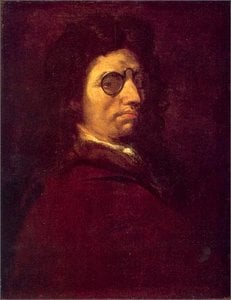
Luca Giordano, born in Naples in 1634, stands as one of the most celebrated artists of the Neapolitan Baroque—a figure whose prolific output irrevocably shaped the artistic landscape of Italy and Spain. He wasn’t merely a painter; he was an embodiment of dynamism and brilliance, a whirlwind of creativity whose distinctive style captivated contemporaries and continues to inspire awe today. His father, Antonio Giordano, instilled in him early artistic sensibilities, but it was under the tutelage of Jusepe de Ribera that Luca truly honed his craft—a formative experience evident in the dramatic intensity and meticulous realism characteristic of his initial works. Unlike Ribera’s often subdued palette, Giordano possessed an innate inclination for luminosity and movement—qualities that would become central to his artistic signature. Even then, he earned the moniker “Luca fa presto”—Luca the quick one—a testament to his remarkable speed and seemingly boundless energy.

From Naples to Spain: A Journey Through Artistic Influences

Giordano’s artistic trajectory wasn't confined to Naples; it unfolded across Italy and beyond, propelled by commissions and fueled by an insatiable curiosity for new styles and techniques. Following his formative apprenticeship with Ribera, he established himself as a rising star in Rome, absorbing the grandeur of papal patronage and experimenting with innovative compositional strategies. His studies at the Accademia di San Luca allowed him to immerse himself in the artistic currents of the era—particularly those championed by Pietro da Cortona, whose frescoes in Palazzo Barberini served as an inspiration for Giordano’s own ambitious projects. Venice proved equally transformative; he absorbed the influence of Titian and Veronese, embracing their masterful use of color and mastering the art of illusionistic space—a stylistic choice that would define his mature oeuvre. This Venetian experience instilled in him a profound appreciation for theatrical grandeur and visual spectacle. However, Giordano’s artistic ambitions extended far beyond Italy's borders. In 1682, he accepted the prestigious invitation to serve as court painter to Charles II of Spain—a move that cemented his international reputation and ushered in a decade of unparalleled creative productivity. During this period, he revitalized Spanish interiors with lavish frescoes, injecting a much-needed dose of Italian exuberance into the more restrained artistic traditions of Castile and Aragon. The Biblioteca Riccardiana in Florence became another canvas for Giordano’s genius—a testament to his ability to synthesize disparate influences into a harmonious whole. His monumental fresco cycles transformed architectural spaces into immersive visual experiences that transported viewers to realms of myth and allegory.

A Synthesis of Styles: Giordano's Distinctive Artistic Approach

Giordano’s artistic brilliance lay not in inventing entirely new methods but in skillfully merging existing techniques—primarily those honed during his early training with Ribera—into a remarkably fluid and decorative style. He achieved this synthesis through masterful brushwork, characterized by spontaneity and freedom—a hallmark of his mature oeuvre. Unlike Ribera's austere aesthetic, Giordano embraced ornamentation, filling his canvases with intricate details and swirling draperies—a stylistic choice that reflected the prevailing tastes of his time. This approach enabled him to tackle a diverse range of subjects – from religious narratives to mythological tales to portraits – with equal conviction and artistry. Considered one of the most important artists of the Neapolitan Baroque, Giordano’s legacy extends far beyond his own lifetime. He trained numerous pupils—including Paolo de Matteis—who went on to become accomplished painters in their own right, disseminating Giordano's stylistic innovations throughout Italy and Spain. His work served as a bridge between the High Baroque and the Rococo periods, paving the way for the lighter, more playful aesthetic that would characterize 18th-century art. The Palace of Capodimonte in Naples houses an impressive collection of his paintings—a comprehensive panorama of his artistic evolution—offering visitors a glimpse into the creative spirit of a true visionary. Luca Giordano’s enduring influence continues to resonate today, securing his place as one of Italy's greatest artistic treasures.
Лука Джованни

Лука Джованни

1634 - 1705 , იტალია

მოკლე ინფორმაცია

  • Artistic Movement Or Style: Ბაროკოს სტილი
  • Artists Or Movements Influenced By This Artist: ['პაოლო დ მატეისი და ნეპლის მხატვრები']
  • Artists Who Influenced This Artist:
    • იუსეს პ დ რิบერა
    • ტიტანი და ვერონესე
  • Date Of Birth: 1634 წლის ოქტომბერი 18
  • Date Of Death: 1705 წლის იანვარი 3
  • Full Name: Luca Giordano
  • Nationality: იტალიელი
  • Notable Artworks:
    • პარიზის სასამართლის გადაწყვეტილება
    • ქრისტე და médecins მილანში
  • Place Of Birth: მილანი და იტალია