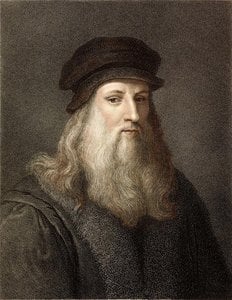
შეიძინეთ მაღალი რეზოლუციის, გაუმჯობესებული ციფრული გამოსახულება, რომელიც ხარისხით ბევრად აღემატება ონლაინ წინასწარ ნახვას.
თითოეულ ფაილს ჩვენი შიდა სპეციალისტები საგულდაგულოდ ამზადებენ თანამედროვე ინსტრუმენტებისა და პროფესიონალური რეტუშირების გამოყენებით. ჩვენ უზრუნველყოფთ, რომ თითოეულ გამოსახულებას ჰქონდეს გამორჩეული სიცხადე, ფერების ზუსტი გადაცემა და დეტალიზაცია.
დასრულებული ფაილი ელექტრონული ფოსტით 72 საათში გიგზავნით; იგი ოპტიმიზებულია პროფესიონალური, რედაქციული და პოლიგრაფიული გამოყენებისთვის. ეს არის ისეთივე ხარისხი, რომელსაც წამყვანი დიზაინ-სტუდიები, გამომცემლობები და გალერეები ენდობიან.
ჩამოტვირთეთ მაღალი გარჩევადობის ფაილი პირადი გამოყენებისთვის, დასაბეჭდად და შემოქმედებითი პროექტებისთვის. ( გადართვა ბეჭდზე
შეიძინეთ ხელით შესრულებული ნახატი)
როდესაც ირჩევთ WahooArt.com-ს, თქვენ მხოლოდ სურათს კი არ იღებთ, არამედ იღებთ პროფესიონალურად დამუშავებულ ციფრულ ნამუშევარს, რომელიც შექმნილია უზადო სიზუსტით და დაცულია კმაყოფილების გარანტიით. თქვენს შეკვეთას ავტომატურად მოჰყვება შემდეგი:
თქვენს მაღალი რეზოლუციის ციფრულ გამოსახულებას ელექტრონული ფოსტით შეკვეთის დაწყებიდან 72 საათში მიიღებთ — ის მზად იქნება დაუყოვნებლივი გამოყენებისთვის.
თქვენი ხელოვნების ნიმუშები პროფესიონალურად არის ოპტიმიზებული მოწინავე AI ინსტრუმენტებისა და მექანიკური რედაქტირების მეშვეობით, რაც უზრუნველყოფს მაქსიმალურ დეტალიზაციას, სიცხადესა და ფერების სიზუსტეს.
ფაილი შემთხვევით წაიშალა ან დაკარგეთ? ნუបედავთ — ჩვენ მას ნებისმიერ დროს, უფასოდ ხელახლა გამოგეგზავნით.
ჭიდად ისიამოვნეთ თქვენი ნამუშევრით მყისიერად, საბაჟო გადასახადის, მოსაკრებლის ან მიწოდების ხარჯის გარეშე - ციფრული ჩამტვირთვისას ყოველთვის საგადასახადო თავისუფლებაა.
პროფესიონალური ინსტრუმენტებისა და ფერების მართვის სისტემის გამოყენებით, ჩვენ უზრუნველყოფთ, რომ თქვენი ციფრული გამოსახულება მაქსიმალურად ზუსტად ასახავდეს ორიგინალურ ფერებს.
თუ თქვენ არ დაკმაყოფილებული ხართ თქვენი ციფრული გამოსახულებით, ჩვენ შევიტანთ მასში ცვლილებებს ან დაგიბრუნებთ 100% თანხას 100 დღის განმავლობაში - ყოველგვარი კითხვის დასმევის გარეშე.
არ არის კმაყოფილი? მიიღეთ სრული თანხის დაბრუნება ციფრული ფაილის მიღებიდან 100 დღის განმავლობაში — ყოველგვარი დამატებითი კითხვების გარეშე.
შეიძინეთ 3 გამოსახულება და მიიღეთ 10% ფასდაკლება - შეიძინეთ 5 და მიიღეთ 15% ფასდაკლება - შეიძინეთ 10+-ზე და მიიღეთ 20% ფასდაკლება. იდეალურია კრეატიული პროექტებისთვის, გალერეებისა და სააგენტოებისთვის.
Leonardo da Vinci's "Study Sheet (Detail)," a remarkably intimate glimpse into the artist’s creative process, transcends mere preparatory sketch; it’s a vibrant tableau of observation, experimentation, and profound human understanding. Dating from around 1478-1480 in Milan, during his formative years under Andrea del Verrocchio's tutelage, this unassuming sheet offers an unparalleled opportunity to witness the genesis of some of art history’s most iconic works. The image itself presents two figures engaged in conversation – a study in gesture and expression, rendered with Leonardo’s signature meticulous detail. The men are not portraits intended for grand display; rather, they appear as subjects for anatomical studies, or perhaps even preliminary sketches for larger compositions. Their relaxed posture and the subtle nuances of their facial expressions suggest an atmosphere of intellectual exchange, hinting at a shared interest in observation and understanding.
Technically, the sheet is executed primarily with pen and ink on paper – a remarkably economical yet expressive medium favored by Leonardo during this period. The lines are not simply delineating form; they’re imbued with a dynamic energy, capturing movement and suggesting underlying musculature. Notice how Leonardo employs rapid, broken strokes to define the contours of the figures, creating an illusion of volume and depth. The shading is subtle yet effective, utilizing cross-hatching to build tone and create areas of light and shadow. This masterful control over line and value demonstrates a deep understanding of perspective and anatomy – skills honed through relentless dissection and observation.
Leonardo’s fascination with the human form was legendary, driven by an insatiable desire to understand its mechanics and beauty. “Study Sheet (Detail)” is a testament to this pursuit, revealing his meticulous anatomical studies that underpinned his artistic achievements. The figures are not idealized representations; they possess a palpable sense of realism, reflecting Leonardo’s commitment to scientific accuracy. The careful rendering of hands, in particular, showcases his deep understanding of skeletal structure and muscle movement – a subject he explored extensively through dissections. This dedication to anatomical truth wasn't merely academic; it was integral to his artistic vision, allowing him to capture the essence of human emotion and experience with unparalleled fidelity.
Interestingly, alongside these studies of the figures themselves, we find evidence of Leonardo’s broader intellectual interests. A clock is depicted in the background, a symbol of time and measurement – reflecting his fascination with engineering and mechanics. A book suggests an engagement with philosophical or literary ideas. These seemingly incidental details enrich the composition, revealing Leonardo as a true Renaissance man—a polymath driven by curiosity and a relentless desire to integrate art, science, and philosophy into a cohesive worldview.
While ostensibly a preparatory study, “Study Sheet (Detail)” is rich in symbolic potential. The conversation between the two men could represent a dialogue about knowledge, perception, or perhaps even the nature of reality itself. The relaxed setting and informal gestures suggest a sense of camaraderie and intellectual openness – values highly prized during the Renaissance. Leonardo’s ability to capture such subtle nuances of human interaction speaks volumes about his profound understanding of psychology and social dynamics.
Furthermore, the sheet's composition—the figures positioned within a confined space—can be interpreted as a metaphor for the limitations of human perception. Leonardo was acutely aware that our senses can deceive us, and that true knowledge requires careful observation and critical analysis. “Study Sheet (Detail)” invites us to contemplate these themes alongside the artist’s masterful rendering of form and gesture, offering a poignant reflection on the complexities of the human condition.
Reproductions of Leonardo da Vinci's works are prized by collectors worldwide, not merely for their aesthetic beauty but also for their historical significance. A high-quality reproduction of “Study Sheet (Detail)” offers a unique opportunity to bring this intimate glimpse into Leonardo’s mind into your home or office. The meticulous detail and vibrant colors faithfully capture the essence of the original, allowing you to appreciate the artist's genius in exquisite clarity. Consider framing it within an antique wooden frame to further enhance its historical charm – a testament to both the enduring legacy of Leonardo da Vinci and the timeless appeal of his art.
ლეონარდო დი სერ პიერო და ვინჩი, რომელიც 1452 წლის 15 აპრილს იტალიის ტოსკანის რეგიონის ვინჩის მახლობლად დაიბადა, უნიკალური ფენომენი იყო რენესანსში – ჭეშმარიტი პოლიმათი, რომლის შეუდარებელი სიკეთის წყურვილი მას სხვადასხვა დარგში მიუძღავდა და საგანგებო კვალი დატოვა ხელოვნებაში, მეცნიერებაში და ინჟინერიაში. მისი სახელი თავად გახდა გენიოსთან არსებითი სინონიმის განსახკმება, რაც მის უსაზღვრო ნიჭს და წინდახედულებას ადასტურებს. არალეგალური დაბადებიდან, პიერო და ვინჩის, მდივნისა და კატერინა, გლეხის ქალიშვილისგან, ლეონარდოს ადრეული ცხოვრება არასტანდარტული იყო, თუმცა მას ხელმისაწვდომი გახდა როგორც პრაქტიკულ სამყაროზე, ასევე ბუნებისადმი აღქმისკენ, რაც ღრმად დაგროვდა მის მხატვრულ ხედვაში. მან მიიღო ელემენტარული განათლება კითხვის, წერის და მათემატიკაში, მაგრამ სწორედ ფლორენციაში ანდრეა დელ ვერროკიოსთან გატარებული სტაჟირება იყო, რომელმაც ნამდვილად აღზვარა მისი შემოქმედებითი სული. ვერროკიოსის სახელოსნოში ლეონარდომ უბრალოდ არ სწავლობდა ζωγραφებას ან ქვის ნაკეთობას; ის იყო ჩაძირული ტექნიკური უნარების სამყაროში, mastering metalworking, woodworking, drawing და მხატვრული შემოქმედების ყველა ფუძე. ეს იყო საფუძველი, რომლისთვისაც მან ააგო თავისი მრავალმხრივი გენიოსი.
1482 წელს ლეონარდომ ახალი ეტაპი გა yaptı, შეუერთდა ლუდოვიკო სფორცას სამსახურს, მილანის ჰერცოგს. ეს არ იყო უბრალოდ მხატვრული თანამდებობა; ლეონარდო ფუნქციონირებდა როგორც სამხედრო ინჟინერი, ճարտարագետ, ქულპტორი და დიზაინერი სასამართლოსთვის – მისი სხვადასხვა უნარების 증명. მან აზროვნა ინოვატორული გალავანი, შექმნა замысловатые сцены და კიდევ sketched plans for фантастические машины. თუმცა სწორედ ამ პერიოდში მან დაიწყო ერთ-ერთი ყველაზე გამორჩეული შედევრი: The Last Supper. სანტა მარია დელე გრაციეს მონასტრის სათავსოში ფრესკოს სახით შესრულებული, ეს ნამუშევარი გადააჭარბებს 단순한 წარმომადგენლობას; ეს არის మానవ 감정ების глубокое исследование და psychological drama, რომელიც აწვდიან Christ-ის გამოცხადებას მისი предательства. კომპოზიცია, იმ დროს ინოვატორული, და перспективы мастерское использование მნიშვნელოვნად повлияет западной art-ზე საუკუნეების განმავლობაში. მიუხედავად того, что многие скульптурные проекты остались незавершенными во время его миланского периода, изобретательный дух Leonardo продолжал процветать, закладывая основу для будущих научных исследований.
მილანის საფრანგეთის შემოსევის შემდეგ 1499 წელს, ლეონარდო დაბრუნდა ფლორენცში, ქალაქს, რომელიც განიცდიდა కళების განვითარების მწვერვალს. თუმცა ამ დროს მან შექმნა ნაკლები დასრულებული ნამუშევარი, მათი გავლენა იყო უზომო. სწორედ აქ მან დაიწყო იმის შესახებ, რაც შესაძლოა მსოფლიოში ყველაზე ცნობილი მხატვრული ნაწარმი: Mona Lisa (La Gioconda). საგნისაგან გამომდინარე მისტერიული улыбка და მომხიალე взгляд очаровали зрителей на протяжении поколений, а революционная техника Leonardo *sfumato* — тонкое смешение света и тени для создания размытых контуров и атмосферной перспективы — внесла значительный вклад в эфирную природу картины. ამ პერიოდში განაგრძო ანატომიური შესწავლის совершенствование, вызванное непоколебимым желанием понять человеческую форму с научной точностью. Он препарировал тела, тщательно документируя мышцы, кости и органы в серии невероятно подробных рисунков, которые опередили свое время на века.
ლეონარდოს მოგვიანო წლებში აღინიშნა ფლორენციის, მილანის და რომის შორის მოგზაურობით, ყოველთვის იხმოვებოდა მისი ექსპერტიზისთვის, მაგრამ ხშირად ტოვებდა პროექტებს незавершенными – отражение, возможно, его беспокойного интеллекта и широты его интересов. 1516 წელს მან მიიღო მეფე ფრანსის I-ს მოწვევა საფრანგეთში, სადაც ის ცხოვრობდა და მუშაობდა Clos Lucé-ს замке недалеко от королевского замка Амбуйсе. მან გაატარა მისი ბოლო წლები აქ, სადაც მას предоставили стипендию и поместье. მიუხედავად того, что он страдал параличом правой руки, Leonardo (который писал левой рукой) все еще мог рисовать и преподавать. Он производил исследования для Девы Марии из «Завесы», демонстрируя его непоколебимую преданность своему искусству даже в последние годы жизни. ლეონარდოს გავლენა ხელოვნებაში საგანგებოა. მან აწია მხატვრთა სტატუსი квалифицированных ремесленников-დან интеллектуальных фигур, демонстрируя, что художественное творчество может быть информировано научным исследованием и глубоким пониманием естественного мира. მისი картины აღინიშნება реализмом, психологической глубиной и инновационными техниками. ის რჩება человеческого любопытства, творчества и неустанного стремления к знаниям символом — истинным воплощением духа Ренессанса, чье наследие продолжает вдохновлять трепет и восхищение веками после его смерти.
1452 - 1519 , იტალია