უფასო ხელოვნების კონსულტაცია

x
სურათის შეძენა სურათის შეძენაგამოსახულების შეძენა გამოსახულების შეძენა გაგზავნაგაგზავნა
დეტალებიდეტალები დამატება ფავორიტებში დამატება ფავორიტებში ჩამოტვირთვაჩამოტვირთვა მსგავსებიმსგავსები რენტგენოგრაფიული კვლევარენტგენოგრაფიული კვლევა სლაიდშოუსლაიდშოუ

Leda

Witness Leonardo da Vinci's masterpiece, 'Leda,' a stunning portrayal of myth and beauty. Explore the painting’s rich details, historical context & Da Vinci’s innovative techniques. A Renaissance icon!

გამოიკვლიეთ ლისონარდო და ვინჩი (1452-1519): რენესანსის გენიოსი "მონა ლიზას" და "ტახტის საიდუმლოს" მიღმა! აღმოაჩინეთ მისი სფუმატო ტექნიკა, ანატომიური შესწავლებები და გამორჩეული გამოგონებები.

გიკლე / ხელოვნების პრინტი

მუზეუმის დონის ჟიკლე ან ტილოზე ბეჭდვა სწრაფი წარმოებისა და დასრულების მოქნილი ვარიანტებით.

P118B $10
P118H $10
P118W $10
P438Z $10
P508JH $12
P508YH $12
P805H $10
P805Z $10
P919BZ $10
P919G $10
P919XJ $10
P959ZH $10
P968JZ $12
W106C $8
W218G $10
W218JH $8
W218Y $10
W307PJ $10
W316G $10
W316PJ $8
W316Y $10
W398PJ $8
W4111J $10
W500HY $15
W500JH $15
W692G $12
W849H $8
W940BG $15
W953PJ $8

Standard
custom
CM
INCH

აირჩიეთ ჩვენს მიერ წინასწარ განსაზღვრული ზომებიდან, რომლებიც ნაწარმოების ორიგინალურ პროპორციებს შეესაბამება.

სიგანე
სიმაღლე

თქვენ შეგიძლიათ მიუთითოთ საკუთარი ზომები კონკრეტული ჩარჩოსთვის ან სივრცისთვის მოსარგებლებლად. თუ თქვენ მიერ არჩეული ზომა არ შეესაბამება ორიგინალი გამოსახულების პროპორციებს, ჩვენ ან დავჭრით ნამუშევარს, ან გავაფართოვებთ გამოსახულებას სარკული ან ერთფეროვანი კიდეებით. წარმოების დაწყებამდე თქვენს დასამტკიცებლად გამოგეგზავნებათ ციფრული მაკეტი.
გთხოვთ, გაითვალისწინოთ, რომ ეკრანზე ნაჩვენები წინასწარი ნახვა არ ასახავს რეალურ ჭრას ან გაფართოებას. მხოლოდ მაკეტზე იქნება ზუსტად წარმოდგენილი საბოლოო კომპოზიცია.

მიუხედავად იმისა, რომ ინდივიდუალური ზომები ხელმისაწვდომია, ორიგინალური პროპორციების შესანარჩუნებლად გირჩევთ, აირჩიოთ ზომა წინასწარ განსაზღვრული სიისგან.

მიწოდება მთელ მსოფლიოში () 2 კვირაში, სტანდარტული 4/5 კვირის ნაცვლად. (2 ივლისი)

why_choose_icon
უფასო ექსპრეს მიწოდება მთელ მსოფლიოში
why_choose_icon
საბამად მაღალი ხარისხის ტილო
why_choose_icon
სრული ტრანსპორტირების დაზღვევა
why_choose_icon
საბაჟო გადასახადების დაბრუნების გარანტია
why_choose_icon
ფერების სრული შესაბამისობის გარანტია
why_choose_icon
60-დღიანი დაბრუნების პოლიტიკა (მხოლოდ დეფექტის შემთხვევაში)
why_choose_icon
100% თანხის დაბრუნების გარანტია
why_choose_icon
ფასდაკლება დიდი რაოდენობით შეკვეთისას

ჯამური ღირებულება

-

reproduction

Leda

გიკლე / ხელოვნების პრინტი

რეკლამაციის ზომა

-

საბოლოო ფასი

-

მოკლე ინფორმაცია

  • Year: 1530
  • Artistic style: Renaissance
  • Medium: Oil on wood
  • Influences: Greek Mythology
  • Title: Leda
  • Artist: Leonardo da Vinci
  • Notable elements or techniques: Sfumato, Color varnish

ხელოვნების ტესტი

თითოეულ კითხვაზე მხოლოდ ერთი სწორი პასუხია.

კითხვა 1:
What is the primary subject depicted in Leonardo da Vinci’s ‘Leda and the Swan’?
კითხვა 2:
Which technique did Leonardo da Vinci utilize to create the soft, hazy effect seen in ‘Leda and the Swan’?
კითხვა 3:
According to the description, what is the significance of the two figures standing behind Leda and the babies in the painting?
კითხვა 4:
In what year was Leonardo da Vinci’s ‘Leda and the Swan’ created?
კითხვა 5:
The description mentions that Da Vinci used ‘color varnish’ in this painting. What was the primary purpose of this technique?

საკლექციო აღწერა

The Enigmatic Beauty of Leda

Leonardo da Vinci’s Leda and the Swan isn't merely a painting; it’s an immersion into the heart of the High Renaissance, a moment frozen in time where myth and human emotion intertwine with breathtaking artistry. Completed around 1503-1510 (though its exact creation date remains shrouded in some mystery), this iconic work resides within the Staatliche Museen in Kassel, Germany, yet its influence resonates far beyond the walls of that museum. The painting depicts Leda, a queen from Greek mythology, receiving a visit from Zeus disguised as a magnificent swan. It’s a scene brimming with sensuality, divine intervention, and the profound beauty of motherhood – all rendered with Da Vinci's unparalleled mastery of sfumato and anatomical precision.

At first glance, the composition appears deceptively simple: Leda, reclining gracefully on a bed, cradles two infants in her arms. Yet, within this apparent stillness lies a complex interplay of figures and gestures. The positioning of the children – one closer to her left side, the other to her right – creates a subtle dynamism, drawing the viewer’s eye across the canvas. Behind Leda stand two individuals, their forms partially obscured, adding depth and hinting at the narrative's unfolding drama. A smaller figure near the top right corner further enhances this sense of layered storytelling, suggesting a wider context within the myth.

A Symphony of Technique: Da Vinci’s Innovation

Da Vinci’s genius lies not just in his subject matter but also in his revolutionary approach to painting. He employed oil paints – a relatively new medium at the time – allowing him to achieve an astonishing level of detail and luminosity that was previously unattainable. The application of color varnish, a technique he pioneered, further amplified the richness and depth of the colors, creating a shimmering effect that seems to emanate from within the painting itself. This layering of translucent pigments is what gives Leda’s skin its ethereal glow and the swan's feathers their iridescent sheen.

The meticulous study of human anatomy is evident in every curve and contour. Da Vinci, obsessed with understanding the mechanics of the body, dissected corpses to meticulously document muscles, tendons, and bones. This anatomical knowledge informed his portrayal of Leda’s form, imbuing it with a sense of both vulnerability and strength. The subtle shift in her posture, the delicate placement of her hands – all speak to this deep understanding of human physiology.

Myth, Motherhood, and Renaissance Humanism

Leda and the Swan is deeply rooted in Greek mythology, a rich tapestry of gods, heroes, and fantastical creatures. The story itself—Zeus seducing Leda and becoming her husband—is one of transgression and divine power. However, Da Vinci transforms this narrative into something profoundly human. The painting isn’t simply about a mythological encounter; it's about the birth of new life, the nurturing instinct of motherhood, and the connection between the earthly and the divine.

Furthermore, Leda embodies the core tenets of Renaissance humanist ideals. The emphasis on human beauty, emotion, and potential—values championed by thinkers like Petrarch and Ficino—is powerfully expressed in Da Vinci’s depiction of Leda's serene expression and graceful form. The painting suggests that even within a tale of divine intervention, there is an inherent dignity and value to the human experience.

Beyond the Canvas: A Legacy of Inspiration

Leonardo da Vinci’s Leda and the Swan continues to captivate audiences centuries after its creation. Its influence can be seen in countless works of art, literature, and music. The painting's enduring appeal lies not only in its technical brilliance but also in its ability to evoke a powerful emotional response – a sense of wonder, beauty, mystery, and perhaps even a touch of melancholy. Reproductions, like those offered by WahooArt.com, allow us to experience this masterpiece firsthand, bringing its timeless allure into our homes and lives.

Further Exploration: For deeper insights, consider visiting the Head of Leda reproduction or researching Leda and the Swan, a related work by Da Vinci. You might also find valuable information on Leda (mythology) or explore Leonardo’s broader artistic output through our Leonardo da Vinci artist page.

დაკავშირებული ნამუშევრები


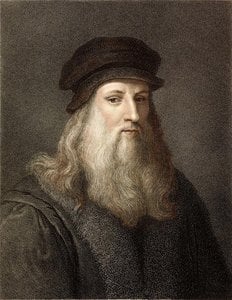
მხატვრის ბიოგრაფია

ლეონარდო და ვინჩი: რენესანსის გენიოსი ხელოვნებაში და მეცნიერებაში

ლეონარდო დი სერ პიერო და ვინჩი, რომელიც 1452 წლის 15 აპრილს იტალიის ტოსკანის რეგიონის ვინჩის მახლობლად დაიბადა, უნიკალური ფენომენი იყო რენესანსში – ჭეშმარიტი პოლიმათი, რომლის შეუდარებელი სიკეთის წყურვილი მას სხვადასხვა დარგში მიუძღავდა და საგანგებო კვალი დატოვა ხელოვნებაში, მეცნიერებაში და ინჟინერიაში. მისი სახელი თავად გახდა გენიოსთან არსებითი სინონიმის განსახკმება, რაც მის უსაზღვრო ნიჭს და წინდახედულებას ადასტურებს. არალეგალური დაბადებიდან, პიერო და ვინჩის, მდივნისა და კატერინა, გლეხის ქალიშვილისგან, ლეონარდოს ადრეული ცხოვრება არასტანდარტული იყო, თუმცა მას ხელმისაწვდომი გახდა როგორც პრაქტიკულ სამყაროზე, ასევე ბუნებისადმი აღქმისკენ, რაც ღრმად დაგროვდა მის მხატვრულ ხედვაში. მან მიიღო ელემენტარული განათლება კითხვის, წერის და მათემატიკაში, მაგრამ სწორედ ფლორენციაში ანდრეა დელ ვერროკიოსთან გატარებული სტაჟირება იყო, რომელმაც ნამდვილად აღზვარა მისი შემოქმედებითი სული. ვერროკიოსის სახელოსნოში ლეონარდომ უბრალოდ არ სწავლობდა ζωγραφებას ან ქვის ნაკეთობას; ის იყო ჩაძირული ტექნიკური უნარების სამყაროში, mastering metalworking, woodworking, drawing და მხატვრული შემოქმედების ყველა ფუძე. ეს იყო საფუძველი, რომლისთვისაც მან ააგო თავისი მრავალმხრივი გენიოსი.

მილანური ინოვაციები და მხატვრული აღზევება

1482 წელს ლეონარდომ ახალი ეტაპი გა yaptı, შეუერთდა ლუდოვიკო სფორცას სამსახურს, მილანის ჰერცოგს. ეს არ იყო უბრალოდ მხატვრული თანამდებობა; ლეონარდო ფუნქციონირებდა როგორც სამხედრო ინჟინერი, ճարտարագետ, ქულპტორი და დიზაინერი სასამართლოსთვის – მისი სხვადასხვა უნარების 증명. მან აზროვნა ინოვატორული გალავანი, შექმნა замысловатые сцены და კიდევ sketched plans for фантастические машины. თუმცა სწორედ ამ პერიოდში მან დაიწყო ერთ-ერთი ყველაზე გამორჩეული შედევრი: The Last Supper. სანტა მარია დელე გრაციეს მონასტრის სათავსოში ფრესკოს სახით შესრულებული, ეს ნამუშევარი გადააჭარბებს 단순한 წარმომადგენლობას; ეს არის మానవ 감정ების глубокое исследование და psychological drama, რომელიც აწვდიან Christ-ის გამოცხადებას მისი предательства. კომპოზიცია, იმ დროს ინოვატორული, და перспективы мастерское использование მნიშვნელოვნად повлияет западной art-ზე საუკუნეების განმავლობაში. მიუხედავად того, что многие скульптурные проекты остались незавершенными во время его миланского периода, изобретательный дух Leonardo продолжал процветать, закладывая основу для будущих научных исследований.

ფლორენციას დაბრუნება და სრულყოფნის 추구

მილანის საფრანგეთის შემოსევის შემდეგ 1499 წელს, ლეონარდო დაბრუნდა ფლორენცში, ქალაქს, რომელიც განიცდიდა కళების განვითარების მწვერვალს. თუმცა ამ დროს მან შექმნა ნაკლები დასრულებული ნამუშევარი, მათი გავლენა იყო უზომო. სწორედ აქ მან დაიწყო იმის შესახებ, რაც შესაძლოა მსოფლიოში ყველაზე ცნობილი მხატვრული ნაწარმი: Mona Lisa (La Gioconda). საგნისაგან გამომდინარე მისტერიული улыбка და მომხიალე взгляд очаровали зрителей на протяжении поколений, а революционная техника Leonardo *sfumato* — тонкое смешение света и тени для создания размытых контуров и атмосферной перспективы — внесла значительный вклад в эфирную природу картины. ამ პერიოდში განაგრძო ანატომიური შესწავლის совершенствование, вызванное непоколебимым желанием понять человеческую форму с научной точностью. Он препарировал тела, тщательно документируя мышцы, кости и органы в серии невероятно подробных рисунков, которые опередили свое время на века.

კეთილდღეწმუნდი ხელოვნების მიღმა: მეცნიერება, გამოგონებები და მდგრადი გავლენა

ლეონარდოს მოგვიანო წლებში აღინიშნა ფლორენციის, მილანის და რომის შორის მოგზაურობით, ყოველთვის იხმოვებოდა მისი ექსპერტიზისთვის, მაგრამ ხშირად ტოვებდა პროექტებს незавершенными – отражение, возможно, его беспокойного интеллекта и широты его интересов. 1516 წელს მან მიიღო მეფე ფრანსის I-ს მოწვევა საფრანგეთში, სადაც ის ცხოვრობდა და მუშაობდა Clos Lucé-ს замке недалеко от королевского замка Амбуйсе. მან გაატარა მისი ბოლო წლები აქ, სადაც მას предоставили стипендию и поместье. მიუხედავად того, что он страдал параличом правой руки, Leonardo (который писал левой рукой) все еще мог рисовать и преподавать. Он производил исследования для Девы Марии из «Завесы», демонстрируя его непоколебимую преданность своему искусству даже в последние годы жизни. ლეონარდოს გავლენა ხელოვნებაში საგანგებოა. მან აწია მხატვრთა სტატუსი квалифицированных ремесленников-დან интеллектуальных фигур, демонстрируя, что художественное творчество может быть информировано научным исследованием и глубоким пониманием естественного мира. მისი картины აღინიშნება реализмом, психологической глубиной и инновационными техниками. ის რჩება человеческого любопытства, творчества и неустанного стремления к знаниям символом — истинным воплощением духа Ренессанса, чье наследие продолжает вдохновлять трепет и восхищение веками после его смерти.

Основные достижения и долгосрочное влияние

  • Живопись: Мона Лиза, Тайная вечеря, Дева в скалах, Благовещение
  • Рисование и зарисовка: Обширные анатомические исследования, инженерные проекты (летательные аппараты, оружие), ботанические иллюстрации
  • Наука и инженерия: Пионерская работа в области анатомии, оптики, гидравлики, геологии и картографии. Концептуализировал изобретения на века вперед.
ლეონარდო და Винчи

ლეონარდო და Винчи

1452 - 1519 , იტალია

მოკლე ინფორმაცია

  • Artistic Movement Or Style: რენესანსის ხელოვნება
  • Artists Or Movements Influenced By This Artist: ['რენესანსის ხელოვნება']
  • Artists Who Influenced This Artist: ['ანდრეა დელ ვერროკიო']
  • Date Of Birth: 1452 წლის 15 აპრილი
  • Date Of Death: 1519 წლის 2 მაისი
  • Full Name: ლეონარდო და ვინჩი
  • Nationality: იტალიელი
  • Notable Artworks:
    • მონა ლიზა
    • სადილე ბოლო
    • ვიტრუვის człowieკი
  • Place Of Birth: ვინცი, იტალია
აღმოაჩინეთ ხელოვნების ნაწარმოებები თემების, სტილისა და მახასიათებლების მიხედვით დაჯგუფებული.