ლეონარდო და ვინჩი: რენესანსის გენიოსი ხელოვნებაში და მეცნიერებაში
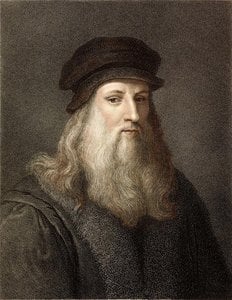
ლეონარდო დი სერ პიერო და ვინჩი, რომელიც 1452 წლის 15 აპრილს იტალიის ტოსკანის რეგიონის ვინჩის მახლობლად დაიბადა, უნიკალური ფენომენი იყო რენესანსში – ჭეშმარიტი პოლიმათი, რომლის შეუდარებელი სიკეთის წყურვილი მას სხვადასხვა დარგში მიუძღავდა და საგანგებო კვალი დატოვა ხელოვნებაში, მეცნიერებაში და ინჟინერიაში. მისი სახელი თავად გახდა გენიოსთან არსებითი სინონიმის განსახკმება, რაც მის უსაზღვრო ნიჭს და წინდახედულებას ადასტურებს. არალეგალური დაბადებიდან, პიერო და ვინჩის, მდივნისა და კატერინა, გლეხის ქალიშვილისგან, ლეონარდოს ადრეული ცხოვრება არასტანდარტული იყო, თუმცა მას ხელმისაწვდომი გახდა როგორც პრაქტიკულ სამყაროზე, ასევე ბუნებისადმი აღქმისკენ, რაც ღრმად დაგროვდა მის მხატვრულ ხედვაში. მან მიიღო ელემენტარული განათლება კითხვის, წერის და მათემატიკაში, მაგრამ სწორედ ფლორენციაში ანდრეა დელ ვერროკიოსთან გატარებული სტაჟირება იყო, რომელმაც ნამდვილად აღზვარა მისი შემოქმედებითი სული. ვერროკიოსის სახელოსნოში ლეონარდომ უბრალოდ არ სწავლობდა ζωγραφებას ან ქვის ნაკეთობას; ის იყო ჩაძირული ტექნიკური უნარების სამყაროში, mastering metalworking, woodworking, drawing და მხატვრული შემოქმედების ყველა ფუძე. ეს იყო საფუძველი, რომლისთვისაც მან ააგო თავისი მრავალმხრივი გენიოსი.
მილანური ინოვაციები და მხატვრული აღზევება
1482 წელს ლეონარდომ ახალი ეტაპი გა yaptı, შეუერთდა ლუდოვიკო სფორცას სამსახურს, მილანის ჰერცოგს. ეს არ იყო უბრალოდ მხატვრული თანამდებობა; ლეონარდო ფუნქციონირებდა როგორც სამხედრო ინჟინერი, ճարտարագետ, ქულპტორი და დიზაინერი სასამართლოსთვის – მისი სხვადასხვა უნარების 증명. მან აზროვნა ინოვატორული გალავანი, შექმნა замысловатые сцены და კიდევ sketched plans for фантастические машины. თუმცა სწორედ ამ პერიოდში მან დაიწყო ერთ-ერთი ყველაზე გამორჩეული შედევრი: The Last Supper. სანტა მარია დელე გრაციეს მონასტრის სათავსოში ფრესკოს სახით შესრულებული, ეს ნამუშევარი გადააჭარბებს 단순한 წარმომადგენლობას; ეს არის మానవ 감정ების глубокое исследование და psychological drama, რომელიც აწვდიან Christ-ის გამოცხადებას მისი предательства. კომპოზიცია, იმ დროს ინოვატორული, და перспективы мастерское использование მნიშვნელოვნად повлияет западной art-ზე საუკუნეების განმავლობაში. მიუხედავად того, что многие скульптурные проекты остались незавершенными во время его миланского периода, изобретательный дух Leonardo продолжал процветать, закладывая основу для будущих научных исследований.
ფლორენციას დაბრუნება და სრულყოფნის 추구
მილანის საფრანგეთის შემოსევის შემდეგ 1499 წელს, ლეონარდო დაბრუნდა ფლორენცში, ქალაქს, რომელიც განიცდიდა కళების განვითარების მწვერვალს. თუმცა ამ დროს მან შექმნა ნაკლები დასრულებული ნამუშევარი, მათი გავლენა იყო უზომო. სწორედ აქ მან დაიწყო იმის შესახებ, რაც შესაძლოა მსოფლიოში ყველაზე ცნობილი მხატვრული ნაწარმი: Mona Lisa (La Gioconda). საგნისაგან გამომდინარე მისტერიული улыбка და მომხიალე взгляд очаровали зрителей на протяжении поколений, а революционная техника Leonardo *sfumato* — тонкое смешение света и тени для создания размытых контуров и атмосферной перспективы — внесла значительный вклад в эфирную природу картины. ამ პერიოდში განაგრძო ანატომიური შესწავლის совершенствование, вызванное непоколебимым желанием понять человеческую форму с научной точностью. Он препарировал тела, тщательно документируя мышцы, кости и органы в серии невероятно подробных рисунков, которые опередили свое время на века.
კეთილდღეწმუნდი ხელოვნების მიღმა: მეცნიერება, გამოგონებები და მდგრადი გავლენა
ლეონარდოს მოგვიანო წლებში აღინიშნა ფლორენციის, მილანის და რომის შორის მოგზაურობით, ყოველთვის იხმოვებოდა მისი ექსპერტიზისთვის, მაგრამ ხშირად ტოვებდა პროექტებს незавершенными – отражение, возможно, его беспокойного интеллекта и широты его интересов. 1516 წელს მან მიიღო მეფე ფრანსის I-ს მოწვევა საფრანგეთში, სადაც ის ცხოვრობდა და მუშაობდა Clos Lucé-ს замке недалеко от королевского замка Амбуйсе. მან გაატარა მისი ბოლო წლები აქ, სადაც მას предоставили стипендию и поместье. მიუხედავად того, что он страдал параличом правой руки, Leonardo (который писал левой рукой) все еще мог рисовать и преподавать. Он производил исследования для Девы Марии из «Завесы», демонстрируя его непоколебимую преданность своему искусству даже в последние годы жизни. ლეონარდოს გავლენა ხელოვნებაში საგანგებოა. მან აწია მხატვრთა სტატუსი квалифицированных ремесленников-დან интеллектуальных фигур, демонстрируя, что художественное творчество может быть информировано научным исследованием и глубоким пониманием естественного мира. მისი картины აღინიშნება реализмом, психологической глубиной и инновационными техниками. ის რჩება человеческого любопытства, творчества и неустанного стремления к знаниям символом — истинным воплощением духа Ренессанса, чье наследие продолжает вдохновлять трепет и восхищение веками после его смерти.
Основные достижения и долгосрочное влияние
- Живопись: Мона Лиза, Тайная вечеря, Дева в скалах, Благовещение
- Рисование и зарисовка: Обширные анатомические исследования, инженерные проекты (летательные аппараты, оружие), ботанические иллюстрации
- Наука и инженерия: Пионерская работа в области анатомии, оптики, гидравлики, геологии и картографии. Концептуализировал изобретения на века вперед.



 წინასწარი ნახვა
 გადართვა ბეჭდზე
 გაგზავნა
 გაზიარება
 დეტალები

 ჩამოტვირთვა
 მსგავსები
 რენტგენოგრაფიული კვლევა
 სლაიდშოუ
 სტატისტიკა


 გადასართად დაწვრილებით ნახეთ






































 მინის ჩარჩოს არჩევანი ხელმისაწვდომია მხოლოდ 110 სმ-ზე ნაკლები ზომისთვის