გაყიდეთ
x
წინასწარი ნახვაწინასწარი ნახვა AR წინასწარი ნახვაAR წინასწარი ნახვა შეიძინეთ პრინტი შეიძინეთ პრინტიშეიძინეთ გამოსახულება შეიძინეთ გამოსახულება გაგზავნაგაგზავნა
დეტალებიდეტალები დამატება ფავორიტებში დამატება ფავორიტებში ჩამოტვირთვაჩამოტვირთვა მსგავსებიმსგავსები რენტგენოგრაფიული კვლევარენტგენოგრაფიული კვლევა სლაიდშოუსლაიდშოუ

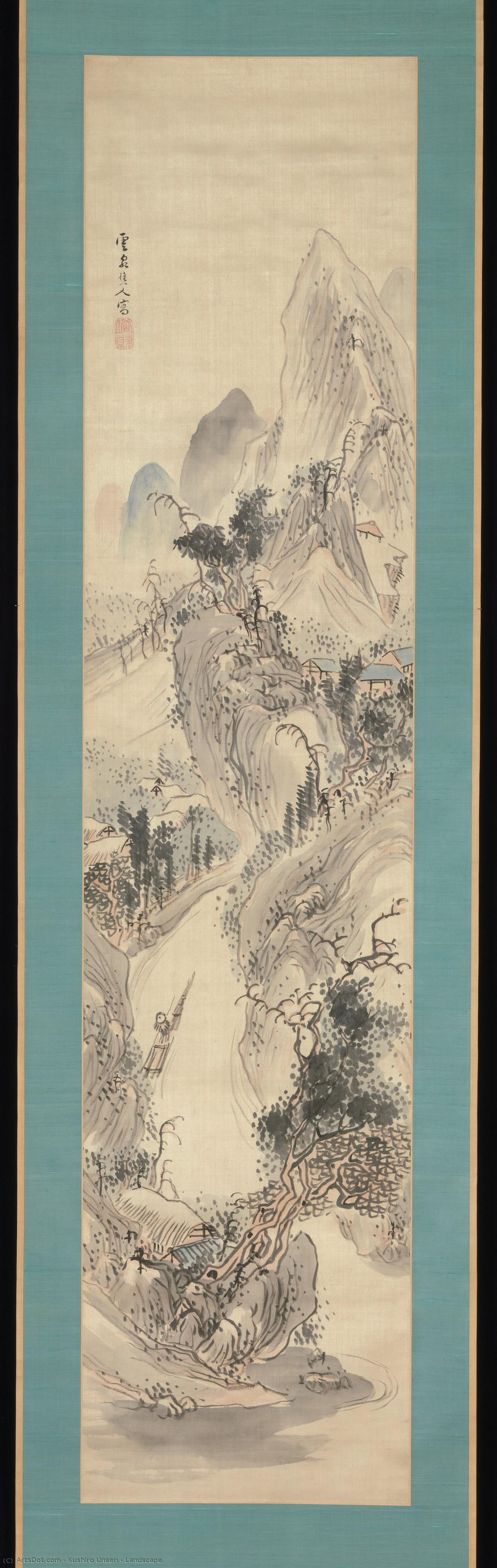
Landscape

  • შესელბის თარიღი801
  • ზომები148.0cm x 34.0cm

Discover the evocative landscapes of Kushiro Unsen, a Japanese painter (1759-1811) renowned for his serene depictions of nature & Chinese influences. Explore his art today!

ხელით ნაკვეთი ზეთის ტილოს რეპროდუქცია

ტილოზე შესრულებული ფერწერიანი ზეთប្រდათი, თქვენთვის სასურველი ზომისა და ჩარჩოსთვის, ჩვენი ხელოვანების მიერ შეკვეთის საფუძველზე დამზადებული. (შეიძინეთ პრინტი შეიძინეთ პრინტიშეიძინეთ გამოსახულება შეიძინეთ გამოსახულება)

Standard
custom
CM
INCH

აირჩიეთ ჩვენს მიერ წინასწარ განსაზღვრული ზომებიდან, რომლებიც ნაწარმოების ორიგინალურ პროპორციებს შეესაბამება.

სიგანე
სიმაღლე

თქვენ შეგიძლიათ მიუთითოთ თქვენთვის სასურველი ზომები კონკრეტული ჩარჩოს ან სივრცის შესაბამისად. თუ თქვენ მიერ არჩეული ზომა არ შეესაბამება ორიგინალი გამოსახულების პროპორციებს, ჩვენ ან შევაჭრებთ ნაწარმოებს, ან ტილოზე დავამატებთ ხელით მოხატულ ელემენტებს. წარმოების დაწყებამდე, დამტკიცებისთვის გამოგეგზავნებათ ციფრული მაკეტი.
გთხოვთ, გაითვალისწინოთ, რომ ეკრანზე ნაჩვენები წინასწარი შეხედულება არ ასახავს რეალურ შეჭრას ან გაფართოებას. საბოლოო კომპოზიციას ზუსტად მხოლოდ მაკეტი წარმოაჩენს.
მიუხედავად იმისა, რომ შესაძლებელია ინდივიდუალური ზომების შერჩევა, ორიგინალური პროპორციების შენარჩუნებისათვის გირჩევთ, გამოიყენოთ წინასწარ განსაზღვრული სიის ზომები.

რა შეიძლება შეიცვალოს: სახის ჩანაცვლება მომხმარებლის ფოტოთი; შინაური ცხოველის დამატება (მაგ., კატის ჩანაცვლება ძაღლით); ფონზე ფარული შეტყობინების დამატება; ფონის პეიზაჟის ან ელემენტების შეცვლა.
შეკვეთის შემდეგ, WahooArt.com გუნდი დაგიკავშირდებათ ელექტრონული ფოსტით ინსტრუქციებისთვის და გამოგიგზავნით წინასწარ ნახაზს (mockup).

მიწოდება მსოფლიო მასშტაბით -ში 3/4 კვირაში, სტანდარტული 5 კვირის ნაცვლად. (12 აგვისტო). ხარისხზე კომპრომისის გაკეთება არ მოხდება.

why_choose_icon
უფასო ექსპრეს მიწოდება მთელ მსოფლიოში
why_choose_icon
საბამად მაღალი ხარისხის ტილო
why_choose_icon
სრული ტრანსპორტირების დაზღვევა
why_choose_icon
საბაჟო გადასახადების დაბრუნების გარანტია
why_choose_icon
ფერების სრული შესაბამისობის გარანტია
why_choose_icon
60-დღიანი დაბრუნების პოლიტიკა (მხოლოდ დეფექტის შემთხვევაში)
why_choose_icon
100% თანხის დაბრუნების გარანტია
why_choose_icon
ფასდაკლება დიდი რაოდენობით შეკვეთისას

ჯამური ღირებულება

$ 272

reproduction

Landscape

რეკლამაციის ტექნიკა

რეკლამაციის ზომა

-

საბოლოო ფასი

$ 272

ნაწარმოების აღწერა

Unzen, a Nanga artist, trained in Nagasaki with Chinese painters who were passing through the port city. Known as an eccentric and solitary figure, he traveled widely in pursuit of artistic influences and was purportedly fond of drink. In this sketchy autumn landscape, a single figure boats up a river overlooked by half-hidden mountain cottages.

მხატვრის ბიოგრაფია

Kushiro Unsen: A Vision of Tranquility Amidst Turbulent Times

Kushiro Unsen (釧雲泉, 1759 – 1811) stands as a singular figure in Japanese landscape painting, embodying the aesthetic ideals of Edo-period Japan—a period marked by social stratification, political intrigue, and burgeoning commercial activity. Unlike many artists of his era who sought patronage from powerful clans or focused on grand historical narratives, Unsen cultivated a deeply personal style rooted in Zen Buddhism and characterized by an unparalleled sensitivity to atmospheric conditions. Born in the vibrant port city of Nagasaki, Unsen’s early life was shaped by the unique atmosphere of Japan’s gateway to the world. Here, amidst the influx of foreign goods and ideas, he studied painting and Chinese alongside merchants visiting from the mainland, absorbing techniques that emphasized subtle tonal gradations and meticulous brushwork—a hallmark of Ming Dynasty landscape art.

Unsen’s artistic philosophy was profoundly anchored in his devotion to Zen Buddhism. He believed that true beauty resided in capturing the essence of nature—its impermanence and interconnectedness—rather than merely reproducing its outward appearance. This conviction fueled his relentless pursuit of achieving wu wei, or effortless action, mirroring the Buddhist ideal of aligning oneself with the natural flow of existence. His work often serves as a symbolic escape from the complexities of urban life, offering a window into a world of untouched grandeur and spiritual solitude. Through his eyes, a mountain was not just stone and earth, but a vessel for contemplation, and a waterfall was a rhythmic pulse of the universe itself.

The Mastery of Atmosphere and Technique

The distinctive style of Kushiro Unsen is instantly recognizable by its masterful use of atmospheric perspective. He possessed a rare ability to manipulate mist and haze to create an incredible sense of depth and luminosity within his compositions. His technique often involved a delicate layering process, where thin, ethereal washes of gray and pale earth tones were contrasted against sharp, angular strokes that defined rugged rock formations or ancient pine trees. This interplay between the soft and the structured allowed him to evoke a sense of space that felt both vast and intimately connected to the viewer.

In his most celebrated works, such as Viewing a Waterfall, Unsen utilizes a rapid, repetitive, and sometimes eccentric brushwork that draws inspiration from the Yuan-dynasty literati painters. This expressive approach allows the landscape to feel alive, as if the very air is moving across the paper. His ability to capture specific seasonal moods—such as the coolness of summer vines or the crispness of autumn air—demonstrates a technical precision that transcends mere imitation. By integrating original Chinese verse into his compositions, he further bridged the gap between visual art and literary expression, creating a multi-sensified experience for the scholar-observer.

Legacy and Historical Significance

As a late Edo period literati artist, Unsen’s significance lies in his ability to synthesize diverse influences into a cohesive, uniquely Japanese voice. While his foundations were built upon Chinese landscape traditions, his execution was deeply colored by the specific cultural nuances of his time and place. His travels throughout Japan allowed him to establish friendships with many famous intellectuals, further embedding his work within the scholarly circles of the era. His paintings, such as Lone Angler in Autumn, continue to resonate because they touch upon universal themes of solitude, nature, and the human spirit.

Today, the works of Kushiro Unsen are preserved in prestigious institutions like the Tokyo National Museum and The Metropolitan Museum of Art, serving as vital links to the artistic soul of the 18th and 19th centuries. His legacy is defined by:

  • The Synthesis of Traditions: Successfully blending Chinese ink wash techniques with a Japanese Zen sensibility.
  • Atmospheric Innovation: Pioneering the use of mist and light to create emotional depth in landscape painting.
  • Literati Expression: Elevating the landscape genre through the integration of poetry and calligraphic mastery.
kushiro unsen

kushiro unsen

1759 - 1811 , Japan

მოკლე ინფორმაცია

  • Artistic Movement Or Style: Landscape Painting
  • Artists Or Movements Influenced By This Artist: ['Romanticism']
  • Artists Who Influenced This Artist: ['Chinese Painters']
  • Date Of Birth: 1759
  • Full Name: Kushiro Unsen
  • Nationality: Japanese
  • Notable Artworks: ['The Moonlit Landscape']
  • Place Of Birth: Nagasaki, Japan