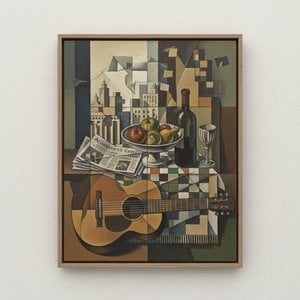
მხატვრის ბიოგრაფია
ესპანელი ვიზიონერი კუბიზმის სამყაროში: ხუან გრისის ცხოვრება და შემოქმედება
ხოსე ვიქტორიანო გონსალეს-პერესი, რომელიც 1887 წელს მადრიდში დაიბადა, მხატვარი, რომელმაც საკუთარი სახელი – ხუან გრისი – XX საუკუნის ხელოვნების მნიშვნელოვან ფიგურად აქცია, მოგზაურობას შეუდგა. მისი პირველი ნაბიჯები არ იყო სწორად ტილო და ფუნჯი; მან ინჟინერიის შესწავლა დაიწყო ხელოვნებისა და მეცნიერების სკოლაში, რაც მის ანალიტიკურ აზრს წარმოადგენდა, რომელმაც მოგვიანებით დიდი გავლენა მოახდინა მის მხატვრულ მიდგომაზე. თუმცა, ამ ფორმირებად წლებშიც კი შემოქმედებითი სხივავი ჩანდა – ადგილობრივ პერიოდიკაში ნახატების გამოქვეყნება ახალგაზრდა მხატვრის ტალენტზე მიანიშნებდა. 1905 წელს მან ფსევდონიმი ხუან გრისი აირჩია, რაც თვითიდენტიფიკაციის და მიზნის ახალი შეგრძნებას ასახავდა, როდესაც ოფიციალურმა ხატვის შესწავლამ დაიწყო ხოსე მორენო კარბონეროს ხელმძღვანელობით. ეს იყო გადამწყვეტი მომენტი, რომელმაც იგი ინოვაციებისაკენ მიმართა.
პარიზული გამოღვიძება და კუბიზმის ჩართულობა
1906 წელს ხუან გრისი პარიზში გადავიდა, ქალაქში, რომელიც მხატვრული ენერგიით იყო გაჟღენთილი. მან თავი ამ ცოცხალ გარემოში ჩა plunged და მეგობრობა დაამყარა ისეთ გამოჩენილ ადამიანებთან, როგორიცაა ანრი მატისი, ჟორჟ ბრაკი და ფერნანდ λεger. თავდაპირველად იგი *L'Assiette au Beurre*-სთვის სატირულ ილუსტრაციებს ეწეოდა, რაც მის დაკვირვების უნარებს ამძაფრებდა და ვიზუალურ გრძნობობას აუმჯობესებდა. თუმცა, პაბლო პიკასოს მაგნიტური ძალა განსაკუთრებით დიდი გავლენა აღმოჩნდა. 1910 წლისთვის გრისი სერიოზულად მიჰყო ხატვას, კარიკატურისგან კუბიზმის ახალგაზრდა ენისკენ გადავიდა. ეს მხოლოდ იმიტაცია არ იყო; მან დაიწყო ფორმისა და სივრცის არსის გამო distillation, რეალობის ძირეული სტრუქტურის აღსადგენად. მისმა ადრეულმა კვლევებმა ტრადიციული წარმოდგენებისგან განზრევა გამოიწვია, აბსტრაქცია კი რეალობის აღქმის საშუალებად იქცა.
გამოცემის გეომეტრია: სტილი და ძირითადი ნამუშევრები
ხუან გრისის შემოქმედებას გამოირჩევა განსაკუთრებული სიცხადე და ინტელექტუალური სიმკაცრე. მან ობიექტები არ დაიშალა, არამედ მიზნობრივად აღდგინა ისინი, გეომეტრიულ ფორმებსა და ფრთხილად შერჩეულ პალიტრას ხაზს უსვამდა. ამ მიდგომამ მისი “კრისტალური პერიოდი” წარმოშვა, რომელიც შედევრით არის წარმოდგენილი, როგორიცაა *Still Life Before an Open Window* და *Place Ravignan* (1915). ეს ნამუშევრები აღნიშნავენ თვითმფრინავების და კუთხეების განსაცვიფრებელ თამაშს, სიღრმის შეგრძნებასა და სოლიდურობას ქმნიან, ხოლო ტრადიციული პერსპექტივის კონცეფციებს გამოწვევენ. 1913 წლის შემდეგ გრისი მთლიანად ჩართულ იქნა Synthetic Cubism-ში, *papier collé*-ს გამოყენებაში – კოლაჟი – ნაწარმოებში რეალურ მასალას, როგორიცაა გაზეთის ფრაგმენტები და ტექსტურირებული ქაღალდები. ამმა ტექნიკამ მის მუშაობაში კიდევ ერთი კომპლექსურობის და შეხების ელემენტი შეიტანა, ხატვასა და სკულპტურას შორის საზღვრები გაანადგურა. ღირსშესანიშნავი მაგალითია *Guitar in front of the sea* (1925), რაც მისი მარტივი ფორმებისა და კუბისტური პრინციპებისადმი ერთგულების მოწმობაა, ასევე *Homage à Pablo Picasso* (1912), რომელმაც მის აღიარებას avant-garde ხელოვნების სამყაროში მიანიშნა.
მემკვიდრეობა და გავლენა
ხუან გრისის წვლილი კუბიზმში მხოლოდ სტილისტური ინოვაცია არ არის; მან მოძრაობაში უნიკალური ინტელექტუალური სიღრმე და სტრუქტურული სიცხადე შეიტანა. მან ანალიტიკური ფაზა გადალახა, უფრო ორგანიზებულ და სინთეტურ მიდგომასთან გადავიდა, წესრიგს და სიზუსტეს უპირატესობას ანიჭებდა. მისმა მუშაობამ დიდი გავლენა მოახდინა პურიზმის სტილზე, რომელსაც Amédée Ozenfant-ი და Charles Edouard Jeanneret (Le Corbusier) ხელმძღვანელობდნენ, რაც კლასიკური ფორმების და კომპოზიციის პრინციპების დაბრუნებას მოითხოვდა. გრისისმა გეომეტრიულ ფორმებზე აქცენტმა, ჰარმონიულ ფერებსა და ყოველდღიურ ობიექტებში ინტეგრაციამ იგი XX საუკუნის ხელოვნების მნიშვნელოვან ფიგურად დაასახელა. მისი მემკვიდრეობა დღესაც შთააგონებს მხატვარებს, რაც კუბიზმის მდგრად ძალასა და ხუან გრისის – ესპანელი მასტერს – წარმოადგენს, რომელმაც ჩვენი აღქმისა და წარმოდგენის გაგება შეცვალა.



 წინასწარი ნახვა
 გადართვა ბეჭდზე
 გაგზავნა
 გაზიარება
 დეტალები

 ჩამოტვირთვა
 მსგავსები
 რენტგენოგრაფიული კვლევა
 სლაიდშოუ
 სტატისტიკა


 გადასართად დაწვრილებით ნახეთ






































 მინის ჩარჩოს არჩევანი ხელმისაწვდომია მხოლოდ 110 სმ-ზე ნაკლები ზომისთვის