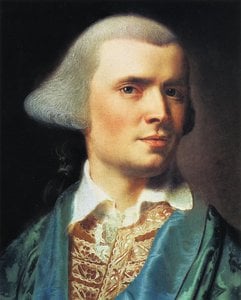
მხატვრის ბიოგრაფია
ჯონ სინგლტონ კოპლის: ამერიკის ხელოვნების წინდაწინმსვლელი
ჯონ სინგლტონ კოპლი, 1738 წელს ბოსტონში დაბადებული, უნიკალური და მნიშვნელოვანი ადგილი უკავია ამერიკის ხელოვნებაში. ის არ მხოლოდ მხატვარი იყო; ის კულტურული ხიდი იყო, რომელიც აერთიანებდა ანგლო-ამერიკულ ესთეტიკას გარდამტეხილ პოლიტიკურ და სოციალურ ცვლილებების ეპოქაში. მისი ისტორია თვითონაჩვენებრივი ბრწყინვალებისა და შეუდარებელი ამბიციის თხოვნაა, ასევე უნაკლუვი უნარი ასახოს არა მხოლოდ ადამიანის 모습ები, არამედ მისი არსის სილამაზეც თავისი დროის კონტექსტში. კოპლის ადრეული ცხოვრება ჩაება ბოსტონის აყვავებულ საზღვაო სამყაროში, ქალაქში რომელიც მდიდარი იყო ვაჭრებით, 조선მშენებლებით და განვითარებადი სიმდიდრით. მისი მამა, რიჩარდ კოპლი, თუმცა მალევე გაქცეოდა, იყო თუთის ვაჭარი, ხოლო მისი დედა, მერი სინგლტონ კოპლი, აწარმოებდა მაღაზიას ლონგ უორფზე. ეს გარემო განავითარებდა ახალგაზრდა ჯონში საგნებისადმი მკვეთრი აღქმის გრძნობას – ბეჭდების ტექსტურები, ვერცხლის ნათება, სოციალური სტატუსის მწირი ფერხოზულობები - ყველა ეს ელემენტი მოგვიანებით განსაზღვრავდა მისი მხატვრული სტილის არსს. მისი რძეული მამა, პიტერ Pelham, გრავერი და ლიმნერი (ხელოვანი რომელიც ქმნიდა გამოსახულებებს ნადუღზე ან პარჩემენტზე), უწევდა გარკვეულ ხელმძღვანელს, მაგრამ კოპლის ტალენტი ძირითადად თვითონაჩვენებრივი იყო, მუდმივმაგიერებასთან და პრაქტიკასთან. ის იხმოოდა ყველა ხელმისაწვდომ გრავირს, ფრთხილად აკოპირებდა მათ ტექნიკის გასაუმჯობესებლად და სწრაფად აღემატებოდა მის რძეულ მამას.
კოლონალური პორტრეტისტის აღზევება
1760-იანი წლებისთვის კოპლიმ საკუთარი თავი დაამყარა ბოსტონის უპირველესი პორტრეტისტად, რომელიც მომსახურებას უწევდა ქალაქის არისტოკრატიას. მისი წარმატება არ იყო მხოლოდ ტექნიკის ნიშნები; ის იყო მისი უნარი მისცემოდა პორტრეტებს ფსიქოლოგიური სიღრმე, რაც იშვიათად გვხდებოდა კოლონალურ ამერიკის ხელოვნებაში. ის გადადიოდა 단순한 წარმომადგენლობიდან, ცდილობდა ასახოს მისი მოდელების ხასიათი და სოციალური სტატუსი. ეს მოიცავდა დეტალებზე ფრთხილად ყურადღას - ბეჭდების, სამკერვალის და ავეზებულობის ზუსტი აღწევა, მაგრამ ასევე მათი პოზის, გამომხატველი სახის და ჟესტის გაგებას. კოპლის პორტრეტები არ იყო მხოლოდ تصاویر; ისინი განცხადებები იყვნენ სიმდიდრის, ძალისა და სოციალური მისწრებების შესახებ. ის ეფექტურად ინტეგრირებდა სიმბოლურ ობიექტებს თავის კომპოზიციებში, ფარულად მიანიშნებდა მისი მოდელების პროფესიებზე ან ინტერესებზე. ვაჭარი შეიძლება იყოს აღწერილი ფონში იმპორტირებული საქონლის თანხლებით, ადვოკატი - იურიდიული ტექსტებით, ან სამხედრო ოფიცერი - საზღვაო ინსტრუმენტებით. ეს დეტალებისადმი ყურადღება და სიმბოლიზმი აძლიერებდა მის მუშაობას 단순한 პორტრეტისგან, მას გარდაქმნიდა სოციალური კომენტარის ფორმად. მისი გამოსახულებები გამოჩენილი ადამიანებისა, როგორიცაა *მისები ევაკელი გონდთვეიტი (ელისაბეთ ლიუისი)*, ამავე დროს წარმოადგენს ამ მიდგომას - ელეგანტური პოზა, ფუფუნება ბეჭდების და დეკორატიული დეტალების გამოყენებით, ყველა ეს აჩვენებს სიმარჯვესა და სტატუსს.
ამბიციები და ევროპის გამოძახება
მას შემდეგ რაც ბოსტონში წარმატებას მიაღწია, კოპლიმ ჰქონდა амбиции, რომლებიც გადაურჩევდა კოლონალური ხელოვნების სამყაროს. ის ოცნებობდა აღიარების შესახებ ლონდონის და რომის დამსEstablished ხელოვნების წრეებში და ცდილობდა შეესია თავისი უნარი ევროპელი მხატვრების მასტერებს. 1766 წელს მან გაუგზავნა თავისი *ბიჭი მოფრინავი ციყვით* საზოგადოებას ხელოვანების მიერ, სადაც ჯოშუა რეინოლდსმა და ბენჯამინ ვესტმა დიდი 찬사를 გამოხატეს - ორი წამყვანი ფიგურა ბრიტანულ ხელოვნების სცენაზე. ეს მხარდაჭერა გაზარდა კოპლის სურვილი უფრო მეტი ტრენინგისა და გამოფენისთვის. თუმცა, ოჯახური ვალდებულებები და აყვავებული პრაქტიკა მას ბოსტონში კიდევ ათი წლის განმავლობაში ჰყავდა მიბმალი. საბოლოო ჯერ, 1774 წელს, თავის ცოლთან, სუსანა ფარნსვორთ კლარკთან და შვილებთან ერთად, ის დაიწყო მოგზაურობა ევროპაში, იმის მიზნით, შეესწავლა ძველი მასტერები და დამყარებოდა მხატვრული სამუშაო. ამერიკის რევოლუციის დაწყებამ მალევე შეაფერხა მისი საქმე, აიძულა კოპლი ნავიგაცია პოლიტიკურად დატვირთულ გარემოში, მის მიზნებს განეხორციელებინა.
ისტორიული მოთხრობები და გრძელი მემკვიდრეობა
ლონდონში კოპლიმ იპოვა როგორც შესაძლებლობები, ასევე გამოწვევები. მან 계속해서 ζωγραφίζει პორტრეტებს, მიიღებდა შეკვეთებს გამოჩენილი ბრიტანელი ფიგურებისგან, მაგრამ ის ასევე გადაიტანა ყურადღებას ისტორიულ ζωγραφικήზე - ჟანრს რომელიც განიხილებოდა უფრო სახელოვნებო, ვიდრე პორტრეტი. მისი ამ მიმართულებით ყველაზე амбициозный მუშაობა იყო *მაიორი პირსონის გარდაცვალება*, რომელშიც აღწერილია ჯერსის ბრძოლის სცენა ამერიკის რევოლუციურ ომში. თუმცა ტექნიკურად შთამბეჭდავი, მან მიიღო смешанные отзывы, ზოგიერთი კრიტიკოსი ეჭვქვეშ აყენებდა მის კომპოზიციასა და დრამატულ გავლენას. კოპლის შემდგომი ისტორიული ζωγραφებები, როგორიცაა *ერლ Chatham-ის დაღლილობა სახალხო პალატაში*, უფრო წარმატებული იყო, რაც აჩვენებდა მის უნარს აღეწერა რთული ემოციები და დრამატიული მომენტები. თუმცა ის სრულად ვერ მიაღწია იმ აღიარებას, რომელსაც ეძებნა ევროპაში, ჯონ სინგლტონ კოპლიმ საყოველთაოდ დატოვა



 წინასწარი ნახვა
 შეიძინეთ ხელით შესრულებული ნახატი
 გაგზავნა
 გაზიარება
 დეტალები
 გზამკვლევი

 ჩამოტვირთვა
 მსგავსები
 რენტგენოგრაფიული კვლევა
 სლაიდშოუ
 სტატისტიკა


 გადასართად დაწვრილებით ნახეთ






































 მინის ჩარჩოს არჩევანი ხელმისაწვდომია მხოლოდ 110 სმ-ზე ნაკლები ზომისთვის