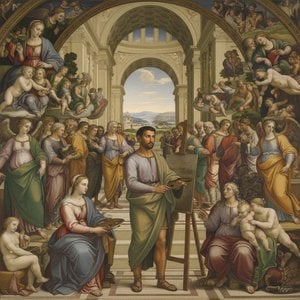
სინათლით გამოსახული ცხოვრება: ჯონ რაფაელ სმითის სამყარო
ჯონ რაფაელ სმითი, რომელიც 1751 წელს დერბში დაიბადა, გადამწყვეტი ფიგურა იყო გვიანდელი ჯორჯიანული ეპოქის აყვავებული ბრიტანული ხელოვნების სამყ world-ში. მისი ისტორია გასაოცარი მრავალფეროვნების მაგალითია – ის იყო მხატვარი, მეზოტინტის გრავიორი, პრინტების დილერი და მენტორი ხელოვნების თაობის მბრწყინვალე ვარსკლავებისთვის. მიუხედავად იმისა, რომ დღეს ის შესაძლოა არც ისე ფართოდ არის ცნობილი, როგორც მისი සමಕაცები, სმითის გავლენა ღრმად აისმოდა მისი დროის მხატვრულ ლანდშაფტში, რამაც ჩამოაყალიბა უთვალავი ხელოვანის ტექნიკური ოსტატობა და ესთეტიკური შეგრძნება. მისი ადრეული ცხოვრება, რომელიც მხატვრის ოჯახურ ატმოსფეროში იყო ჩაფლული – მისი მამა, თომას სმითი, პატივსაცემი ლანდშაფტური მხატვარი იყო – ნოეს მომზადებული ნიადაგი მისი მზარდი ნიჭისთვის. თავდაპირველმა სტაჟირებამ ტილოს დილერის როლში პრაქტიკული საფუძველი შეუნდა მას, თუმცა საბოლოოდ სწორედ მხატვრული თვითგამოხატვისკენ სწრაფვამ განსაზღვრა მისი გზა. 1767 წელს ლონდონში გადასვლამ მისი კარიერის ნამდვილი დასაწყისი menand even, როდესაც მინიატურული პორტრეტებიდან მიღებული შემოსავალი გრავიურებისადმი დიდი ინტერესით შემოუერთდა.
მეზოტინტისა და პორტრეტის ოსტატი
სმითმა სწრაფად მოიპოვა აღიარება, როგორც მეზოტინტის გრავიურების ოსტატმა, ტექნიკამ, რომელიც მოითხოვს როგორც ზედმიწევნად დეტალურ უნარს, ისე მხატვრულ ხედვას. ეს პროცესი, რომელიც მოიცავს ტონალური ვარიაციების შექმნას სპილენძის ფირფიტაზე ნაკეცისა და პოლირების მეშვეობით, საშუალებას იძლეოდა დეტალთა არაჩვეულებრივი დონის და ატმოსფერული სიღრმის მიღწევისთვის. მისი ადრეული წარმატებები ჰენრი ბენბრიჯისა და სხვათა ნამუშევრების გრავიურებმა მალევე მოუტანა აღიარება, თუმცა სწორედ სერ ჯოშუა რეინსლოუთან მუშაობამ საბოლოოდ განამტკიცა მისი რეპუტაცია. რეინსლოუს ტილოების ორმოცზე მეტი რეპროდუქცია გამოსულიყო სმითის ხელისგან, რაც მოწმობს მის გასაოცებელ უნარს, არა მხოლოდ მსგელობის, არამედ ორიგინალური ნამუშევრებისთვის დამახასიათებელი ფერებისა და ტექსტურის ნატიფი ნიუანსების გადმოსაცემად.
რეინსლოუს სტილის ერთგულად ინტერპრეტაციისადმი ამგვარმა თავდადებამ წარმოაჩინა სმითის ტექნიკური ოსტატობა და იგი თავის ეპოქის წამყვან გრავიორად აქცია. პორტრეტული ჟანრის მიღმა, სმითმა გამოიკვლია ჟანრული სცენები და სატირული ნამუშევრები – სულ 400-ზე მეტი ნამუშევარი, მათ შორის 120, რომლებიც ყოველდღიურ ცხოვრებას ეძღვნებოდა – რაც მოგვიწოდებს მისი მჭრელი დაკვირვების უნარისა და იუმორისტული გონებისკენ. მისი პორტრეტები განსაკუთრებით აღიარებული იყო რეალიზმითა და დეტალებზე ყურადღებით, რაც მნიშვნელოვან ფიგურების ცხოვრებისეულ ინტიმურ მომენტებს გვთავაზობს.
სამეფო პატრონაჟი და მხატვრული თანამშრომლობა
სმითის ნიჭი საზოგადოების უმაღლესი წრეებისთვის შეუმჩნეველი არ დარჩენილა. 1784 წელს მან მიიღო პრესტიჟული დანიშვნა, როგორც უელსის პრინცის მეზოტინტის გრავიორმა, რამაც განამტკიცა მისი პოზიცია მხატვრულ ესელმენტში. ამ სამეფო პატ एग्जामपुर ღია გაღწევა მნიშვნელოვანი პირების შეკვეთებისთვის, რის შედეგადაც შეიქმნა შთამბეჭდავი პორტრეტები ისეთი ფიგურებისა, როგორიცაა ჩარლზ ჯეიმს ფოქსი, ბენჯამინ თომპსონი, ლეიტენანტი უილიამ კოლინგვოდი და მისის კარნაკი.
ეს ნამუშევრები წარმოადგენს სმითის უნარის დასტურს, რომ მას შეუძლია გადმოსცეს როგორც ფიზიკური მსგავსება, ისე ფსიქოლოგიური სიღრმე. მისი საქმიანობა მხოლოდ რეპროდუქციას არ შემოიფარგლებოდა; იგი იყო გამჭრიახი პრინტების დილერი და გამომცემელი, რომელიც განსაკუთრებით თანამშრომლობდა რადიკალურ მწერალსა და მხატვარ უილიამ ბლეიკთან. ეს კავშირი ხაზს უსვამს სმითის მზაობას, ჩაერთოს მრავალფეროვან მხატვრულ ხმებში და მის როლს ლონდონის ხელოვნების სამყაროში ინტელექტუალური გარემოს განვითარებაში. განსაკუთრებით აღსანიშნავი შეკვეთა იყო ჯონ მილნესისგან, რომელმაც სმითს დაავალა ჯოზფ რაიტ დერბის შემაძრწუნებელი შედევრის, „ტყვესის“ რეპროდუცირება. მიღებული გრავიურა მხოლოდ ოცი ეგზემპლარად შეიბეჭდა მანამდე, სანამ ფირფიტა განზრახ განადგურდა, რამაც ამ გამორჩეულ ნამუშევარს ექსკლუზიურობისა და იშრაკობის აურა შესძინა.
მენტორობით შექმნილი მემკვიდრეობა
შესაძლოა, სმითის ერთ-ერთი ყველაზე მყარი მემკვიდრეობა არა მხოლოდ მის საკუთარ შემოქმედებაში, არამედ ახალი თაობის ნიჭის აღზრდაში მდგომარეობს. იგი იყო პროლიზური მენტორი, რომელიც წვრთნიდა მრავალ სტაჟიერს, რომლებიც მოგვიანებით თავად გახდნენ ცნობილი ხელოვანები.
- მის მოსწავლეთა შორის იყვნენ ისეთი გიგანტები, როგორებიცაა:
- ჯ.მ.უ. ტერნერი,
- ჩარლზ ჰ. ჰოდი,
- უილიამ ვორდი,
- თომას გირტინი,
- და ჯეიმს ვორდი.
მისი ხელმძღვანელობა სცილდებოდა მხოლოდ ტექნიკურ ინსტრუქციებს და მათში მხატვრული პრინციპების ღრმა გაცნობიერება და სრულყოფილებისკენ სწრაფვა ჩადო. სმითის გავლენა ამ ახალგაზრდა ხელოვანებზე неоспориმია, რამაც ჩამოაყალიბა მათი ინდივიდუალური სტილი და მნიშვნელოვანი წვლილი შეიტანა ბრიტანული ხელოვნების ევოლუციაში. იგი აღიარებული იყო თავისი დროის ერთ-ერთ ყველაზე მაღალი რანგის მეზოტინტის გრავიორად, რამაც წარუშლელი კვალი დატოვა პორტრეტულსა და გრავიურულ ჟანრებზე ჯორჯიანული ეპოქის განმავლობაში. მისი მიმდევნე წლები მოიცავდა ფართო მოგზაურობას იორშაირში პასტელური პორტრეტების შეკვეთების შესასრულებლად, სანამ 1812 წელს ლონდონში გარდაიცვლებოდა, დატოვებდა მდიდარ მხატვრულ მემკვიდრეობას, რომელიც დღესაც აღფრთოვანებასა და შთაგონებას იწვევს.



 წინასწარი ნახვა
 გადართვა ბეჭდზე
 გაგზავნა
 გაზიარება
 დეტალები
 გზამკვლევი

 ჩამოტვირთვა
 მსგავსები
 რენტგენოგრაფიული კვლევა
 სლაიდშოუ
 სტატისტიკა


 გადასართად დაწვრილებით ნახეთ






































 მინის ჩარჩოს არჩევანი ხელმისაწვდომია მხოლოდ 110 სმ-ზე ნაკლები ზომისთვის