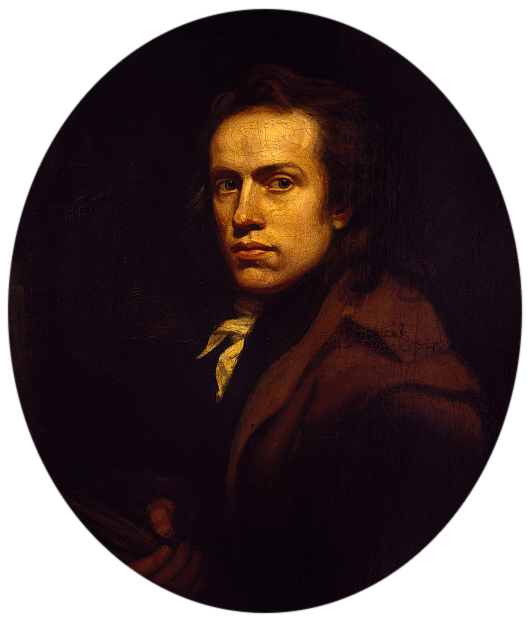
მხატვრის ბიოგრაფია
კორნიელის ნიჭიერი ბიჭის აღზევება: ჯონ ოპის ცხოვრება და ხელოვნება
ჯონ ოპი, რომელიც 1761 წელს კორნოლში, ტრეველასის ჰარმონი კოტეჯის მოკლედ, უბრალო გარემოცვაში დაიბადა, თავისი თაობის ერთ-ერთ ყველაზე გამორჩეულ მხატვრულ ფიგურად გამოიკვეთა. მისი ისტორია არის ნედლი ტალანტის დაუძლეველი ბრძოლის ქრონიკა, რომელიც მწარედ შექმნილი პირობების მიუხედავად, დევდა მჭედლის ვაგლისგან ცნობილ პორტრეტისტამდე, ისტორიული ჟანრის მჭევრმეტყველ მხატვრამდე, ৰოდსის აკადემიის წევრამდე და ბრიტანული ხელოვნების სამყაროს გავლენიან ხმამდე. ოპის ადრეული წლები აღსანიშნავი იყო როგორც ხატვის, ისე მათემატიკისადმი გამორჩეული ნიჭით – ეს დუალი, შესაძლოა, განაპირობა მისი მეტსახი pendekatan კომპოზიციისა და ფორმისადმი. ჯერ კიდევ ბავშვობაში მან გამოავლინა დამოუკიდებელი სული; მან მოაწყო საღამოს სკოლა ადგილობრივი ბავშვებისთვის წაკითხვის, წერის და არითმეტიკის სასწავლებლად, ამავდროულად კი ევკლიდეს გეომეტრიას ეფლობოდა. ცოდნის ეს წყურვილი და მხატვრული მიდრეკილება თავდაპირველად მამამისის მხრიდან წინააღმდეგობის წინაშე აღმოჩნდა, რომელიც შვილს დევდაში სტაჟირებას აიძულებდა. თუმცა, ბედმა დოქტორ ჯონ ვოლკოტის სახით ჩაერია, რომელიც პეტერ პინდარად იყო ცნობილი – ექიმი და სატირიკოსი, რომლის გამჭრიახმა თვალმაც აღმოაჩინა არაჩვეულებრივი პოტენტიკა ახალგაზრდა ოპის პერსონაში.
მენტორობა, ლონდონი და სამეფო პატრონაჟი
ვოლკოტი ოპის მხარდამჭერი გახდა; მან უზრუნველყო ხელოსნის სტაჟირებიდან მისი გათავისუფლება და მიაწოდა მას ფასდაუდებელი სახელმძღვანელო, გამამხნევებელი და გადამწყვეტი ნაცნობობის შეძენის საშუალება. ეს მენტორობა გადამწყვეტი აღმოჩნდა ოპის კარიერის დასაწყისისთვის. 1781 წელს ისინი ერთად გაემგზავრეს ლონდონში, სადაც ვოლკოტმა მოხერხებულად წარადგინა ოპი, როგორც თვითნასწავლი ნიჭიერი ბიჭი – „კორნიელის საოცრება“, რომელიც ფორმალურ მხატვრულ სწავლებას არასდროს დაუპირისპირებია. ამ ნარატივმა მთელი ლონდონის სახელოვნებო წრეები მოხიბლა, რამაც თავად სერ ჯოშუა რეინსლო world-ს საშუალება მისცა, იგი კარავაჯოსა და ველასკეს მსგად დიდოსტატებს შეედარებინა. საწყისი წარმატება სწრაფი და ბრწყინვალე იყო. შეკვეთები ურიდოდ მოვიდა, მათ შორის ბრიტანული სამეფო ოჯახის წევრების პორტრეტები – გლოსტერის ჰერცოგისა და ჰერცგინადის, ლედი სლისბურისა და მერი დელანის ჩათვლით. ოპის რეზიდენცია კასლ სტრიტზე ელეგანტური საზოგადოების კერად იქცა, მისი ტალანტი კი ყურადღებასა და აღფრთოვანებას იპოვებდა. თუმცა, ვოლკოტთან პარტნიორობა საბოლოოდ დაიშალა, როდესაც ოპიმ საკუთარი დამოუკიდებლობა მოითხოვა და სურდა საკუთარი გზის გაკვეთა მათი მოგების გაზიარების შეთანხმების შეზღუდვების გარეშე. ამ პერიოდმა განამტკიცა ოპის რეპუტაცია, როგორც წამყვანი პორტრეტისტისა, რომელსაც შეეძლო არა მხოლოდ ფიზიკური მსგავსების, არამედ მისი პორტრეტირებადი პირების ხასიათისა და სოციალური მდგომარეობის გადმოცემა.
პორტრეტის მიღმა: ისტორიული ტილოები და აკადემიური აღიარება
მიუხედავად იმისა, რომ თავდაპირველად იგი პორტრეტებით იყო ცნობილი, ოპის უფრო დიდ ამბიციებს ინחატავებდა, ვიდრე მხოლოდ ელიტის სახეების დაფიქსირებას. მას სურდა დიდი ისტორიული ნარატივებისთვის მიერთება და საკუთარი თავის დამკვიდრება მნიშვნელოვანი თემების გამღებად. ამ ამბიციამ ის ისტორიული ჟანრისკენ წაიყვანა, რაც კულმინაციას მიაღწია ისეთ ნაშრომებში, როგად არის *ჯეიმს I-ის მკვლელობა* (1786) და *რიციოს მკვლელობა* (1787). ამ უკანასკნელმა განსაკუთრებული გავლენა მოახდინა მისზე, რამაც უშუალოდ სამეფო აკადემიის ასოციატებულის სტატუსი და მომდევნო წელს სრული წევრობა მოუტანა. ამ ისტორიულმა ტილოებმა აჩვენეს კომპოზიციის მზარდი ოსტატობა, დრამატული განათება – რომელიც ხშირად რემბრანტის შეხსენებას იწვევს – და ემოციური ინტენსივობის გადმოცემის მისწრაფება. ოპის თავდადება ხელოვნებისადმი სცდებოდა მხოლოდ ფერწერას; იგი აქტიურად ცდილობდა თავისი ინტელექტუალური ჰორიზონტების გაფართოებას ლათინური, ფრანგული ლიტერატურისა და მაღალი საზოგადოებრივი წრეების შესწავლის გზით. იგი ასევე ღრმად იყო ჩართული ჯონ ბოიდელის შექსპირის გალერეაში, სადაც შექმნა ხუთი ტილო, შთაგონებული ბარდის პიესებით, რითაც კიდევ უფრო განამტკიცა თავისი ადგილი სახელოვნებო ესელონებში.
ხელოვნება და აზროვნება: მემკვიდრეობა
ოპის გვიანობის ცხოვრება აღბეჭდილი იყო როგორც პროფესიული წარმატებით, ისე პირადმა გამოწვევებით. მისი პირველი ქორწინება უბედური აღმოჩნდა და 1796 წელს განქორცვით დასრულდა. თუმცა, მან მარადიული ბედნიერება იპოვა ამელია ალደርსონთან, მწერალ და აბოლიციონისტთან, რომელსაც 1ეს 1798 წელს ringდა. მათმა პარტნიორობამ შექმნა ურთიერთმხარდაჭერისა და ინტელექტუალური სტიმულაციის გარემო. 1805 წელს ოპი სამეფო აკადემიის ფერწერის პროფესორად დაინიშნა, რაც მისი მაღალი სტატუსის დასტური იყო ხელოვნებაში. მისი ლექციები, რომლებიც 1806 წელს წარმოთქმა და 1809 წელს ამელიას მემუარებთან ერთად posthumousად გამოიცდა, აჩვენებდა დაფიქრებულ და გამჭრიახ გონებას, რომელიც ღრმად იყო ჩართული მხატვრული შემოქმედების პრინციპებში. იგი მხარს უჭერდა ეროვნული გალერეის შექმნას – ვიზიონერულ იდეას, რომელიც საბოლოოდ რეალობად იქცა – და სთავაზობდა გამჭრიახ კომენტარებს ბრიტანული ხელოვნების მდგომარეობაზე. ჯონ ოპის ნაადრევმა სიკვდილმა 1807 წლის აპრილში, 46 წლის ასაკში, შეწყვეტა მოჰხდა იმედისმომცემ კარიერას, თუმცა მისი მემკვიდრეობაរჩენილია. მან დატოვა მნიშვნელოვანი ნაშრომები – 500-ზე მეტი პორტრეტი და 250 სხვა ტილო, რაც საოცარ შესაძლებლობას გვაძლევს, შევისწავლოთ მე-18 საუკუნის ბოლოსა და მე-19 საუკუნის დასაწყისის ბრიტანეთის სოციალურ და კულტურულ ლანდშაფტს. იგი რჩება ბრიტანული ხელოვნების ისტორიის მნიშვნელოვან ფიგურად, რომელიც აღიარებულია თავისი ტექნიკური ოსტატობით, გამჭრიახი პორტრეტებითა და წვლილით სახელოვნებაში.



 ნახვა ინტერьерში
 გადართვა ბეჭდვის რეჟიმზე
 გაგზავნა
 გაზიარება
 დეტალები
 გზამკვლევი

 ჩამოტვირთვა
 მსგავსები
 რენტგენოგრაფიული კვლევა
 სლაიდშოუ
 სტატისტიკა


 სრული ტექსტის ნახვა






































 მინის ჩარჩოს არჩევანი ხელმისაწვდომია მხოლოდ 110 სმ-მდე ზომისთვის