


x


 სურათის შეძენა გამოსახულების შეძენა
 გაგზავნა
 Details
 დამატება ფავორიტებში
 ჩამოტვირთვა
 მსგავსები
 X-Ray
X-Ray
 სლაიდშოუ
 ზეთის საღებავი ტილოზეკედლის სახატავიRomanticism
 1826მე-19 საუკუნე
 143.0 x 122.0 cm
 The National Gallery
მუზეუმის დონის ჟიკლე ან ტილოზე ბეჭდვა სწრაფი წარმოებისა და დასრულების მოქნილი ვარიანტებით.





























აირჩიეთ ჩვენს მიერ წინასწარ განსაზღვრული ზომებიდან, რომლებიც ნაწარმოების ორიგინალურ პროპორციებს შეესაბამება.

თქვენ შეგიძლიათ მიუთითოთ საკუთარი ზომები კონკრეტული ჩარჩოსთვის ან სივრცისთვის მოსარგებლებლად. თუ თქვენ მიერ არჩეული ზომა არ შეესაბამება ორიგინალი გამოსახულების პროპორციებს, ჩვენ ან დავჭრით ნამუშევარს, ან გავაფართოვებთ გამოსახულებას სარკული ან ერთფეროვანი კიდეებით. წარმოების დაწყებამდე თქვენს დასამტკიცებლად გამოგეგზავნებათ ციფრული მაკეტი.
გთხოვთ, გაითვალისწინოთ, რომ ეკრანზე ნაჩვენები წინასწარი ნახვა არ ასახავს რეალურ ჭრას ან გაფართოებას. მხოლოდ მაკეტზე იქნება ზუსტად წარმოდგენილი საბოლოო კომპოზიცია.
მიუხედავად იმისა, რომ ინდივიდუალური ზომები ხელმისაწვდომია, ორიგინალური პროპორციების შესანარჩუნებლად გირჩევთ, აირჩიოთ ზომა წინასწარ განსაზღვრული სიისგან.
მიწოდება მთელ მსოფლიოში () 2 კვირაში, სტანდარტული 4/5 კვირის ნაცვლად. (2 ივლისი)


The Cornfield
რეკლამაციის ზომა
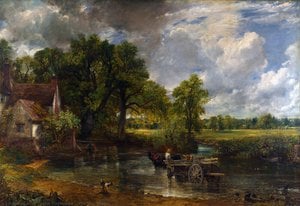
John Constable's "The Cornfield," painted in 1826, is more than just a landscape; it’s an evocative portrayal of rural life and the deep connection between humanity and nature. This oil-on-canvas masterpiece, residing within the esteemed National Gallery in London, captures a fleeting moment – “Landscape: Noon,” as it was originally titled – with remarkable detail and emotional depth. Measuring 143 x 122 cm, the painting exemplifies Constable's commitment to realism and his profound love for the Suffolk countryside surrounding his home in Dedham Vale.
The composition is carefully orchestrated to draw the viewer into the scene. A lane gently slopes towards a bend, leading the eye through a vibrant cornfield bathed in the warm light of midday. A shepherd boy drinks from a pool, while sheep graze peacefully nearby, creating a sense of tranquility and pastoral harmony. The presence of horses and a dog further enriches the narrative, depicting everyday life within this idyllic setting. Constable’s technique is characterized by meticulous brushwork and an exceptional understanding of natural light. He paid close attention to botanical accuracy, consulting with botanist Henry Phillips to ensure the precise depiction of flora. This dedication to detail elevates the painting beyond mere representation; it becomes a celebration of the English countryside's inherent beauty.
"The Cornfield" emerged during the Romantic era, a period that emphasized emotion, individualism, and the sublime power of nature. Constable’s work stood apart from the prevailing artistic trends of historical painting, instead championing the beauty of everyday landscapes. His focus on personal observation and emotional connection with his surroundings was revolutionary for its time. The painting reflects a growing appreciation for rural life in 19th-century England, as industrialization began to transform the nation's landscape. Constable’s dedication to capturing the authenticity of this changing world resonated deeply with contemporary audiences.
Beyond its aesthetic beauty, "The Cornfield" carries a profound symbolic weight. The corn itself represents abundance and prosperity, while the tranquil scene evokes a sense of peace and belonging. Constable’s masterful use of light creates an atmosphere of warmth and serenity, inviting viewers to immerse themselves in the idyllic setting. The solitary figure of the shepherd boy suggests contemplation and connection with nature, reinforcing the painting's overall message of harmony and tranquility. The work continues to inspire awe and admiration, reminding us of the enduring power of art to capture the essence of a place and evoke deep emotional responses.


1776 - 1837 , გაერთიანებული სამეფო

გაიცანით ჯონ კონსტებლის 25 საუკეთესო შედევრი! ინგლისური პეიზაჟების ისტორია, XIX საუკუნის ხელოვნება და WahooArt-ზე ხელოვნების უნიკალური კოლექცია. შეიძინეთ ხარისხიანი რეკრეაციები სახლის დეკორაციისთვის. აღმოაჩინეთ სრულყოფილი შეფერილი ტილოები WahooArt.com-ზე!
Explore the serene landscapes of John Fulleylove (1845-1908), a celebrated English artist. Discover his charming watercolours & oils, evocative travel illustrations, and lasting legacy. Learn about his life, exhibitions, and artistic style.

Explore the captivating landscapes of David Cox the Elder, a pivotal figure in British Romanticism. Discover his masterful watercolour techniques, enduring legacy & find timeless art for your home at WahooArt.

Explore the rich history of pastoral landscape art, from classical Arcadia to Impressionism & beyond. Discover key artists, movements, and how to collect serene rural scenes for your home. Expert insights at WahooArt.

Explore the captivating landscapes & portraits of Brian Hatton (1887-1916), a promising British artist lost too soon. Discover his unique style, Herefordshire roots, and lasting legacy in early 20th-century art.


ყოველთვის პირველი იყავით უახლესი ხელოვნების სიახლეების, ექსკლუზიური შეთავაზებებისა და დეკორაციის იდეების შესახებ ინფორმირებული.
გვიამარტეთ თქვენი პროექტის შესახებ და ჩვენი ხელოვნების ექსპერტები მოგაწვდით 3 პერსონალიზებულ რეკომენდაციას.
დაგვიძlinეთ სამი ვარიანტის შერჩევა სპეციალურად თქვენთვის – უფასოდ!
 გაზიარება

 გადასართად დაწვრილებით ნახეთ







 მინის ჩარჩოს არჩევანი ხელმისაწვდომია მხოლოდ 110 სმ-ზე ნაკლები ზომისთვის


