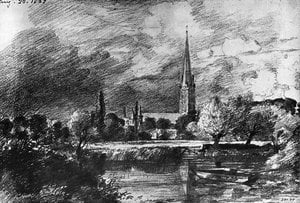
მხატვრის ბიოგრაფია
ჯონ კონსტებლის სიცოცხლე და შემოქმედება: ინგლისური პეიზაჟის სიმფონია
ჯონ კონსტებლი, დაბადებული 1776 წელს აღმოსავლეთ ბერგჰოლტში, საოფლო სუფოლკის მხარეში, არ იყო უბრალო პეიზაჟისტი; იგი იყო მიწის სიმფონია, რომელიც დიდად გრძნობილი ხატვის საშუალებით თარგმნიდა მისი ფერისფერი განწყობებსა და უკვდავი დიდებულებას ტილოებზე. მისი მამა, წარმატებული სიმინდის ვაჭარი, რომელმაც საკუთრებაში ჰქონდა დედამის ველი და სათემლეები მდინარე სტორის გასწვრივ, მხოლოდ ფინანსურ სტაბილურობას არ უწევდა მას, არამედ მის შემოქმედებასაც განაგებდა. ადრეული ჩაღრმავება სოფლის ცხოვრებაში – სასოფლო მეურნეობის ნელი ტემპი, ველებზე და წყალზე მუდმივად ცვალებადი სინათლე, ბუნების ინტიმური დეტალები – მისი არსის განუყოფელ ნაწილად იქცა. მიუხედავად იმისა, რომ თავდაპირველად მისთვის ბიზნესში გატარება იყო დანიშნული, ხელოვნების მზარდი გულთხოვნა, რომელიც ადგილობრივი პატრონების, როგორიცაა ჯორჯ ბიომონტის, მოღწეულიყო, რომელმაც მას კლაუდის ლორენის ნაშრომებს გააცნო, საბოლოოდ მას სხვა გზაზე მიიყვანა. კონსტებლის ხელოვნების მოგზაურობა არ იყო სწრაფსიჩქვიანი; ეს იყო თანდათანობითი განვითარება, რომელიც ფორმირებული იყო ყოველი დაკვირვებით და ბუნების არსში პირადი გრძნობის ჩანასახების მუდმივმა სურვილმა.
ტრადიციულ წარმონაქმნის უარყოფა: ახალი ხედვა ბუნებაზე
კონსტებლის ხელოვნური განვითარება χαρακτηრიზირებული იყო მოქმედი აკადემიური კონვენციების მიმართ განჭკერითი უარის თქმით. იმედგაცრუებულმა მმართველობითი პეიზაჟების იდეალიზებული და ხშირად თეატრული სცენებით, რომლებიც სამეფო აკადემიაში იყო საყვარელი, მან ძალაინსტანისადმი ბუნების ჭეშმარიტი წარმომადგენლობა სთხოვა, რომელიც პირადი გრძნობებით იყო აღმოსაზრებლი. მას არ აინტერესებდა დიდებული ისტორიული მოვლენები ან მითოლოგიური სცენები; მისი ყურადღება უცვლელად იკავებოდა მის გარშემო არსებულ ნაცნობი ქვეყნისთვის. ამ თავდებით ჩანასახების აღწევის ერთგვაროვნება – მარცვლეულის ტრანსპორტირების სატვირთო მანქანები, სოფლის მეურნეობის შენობები, სოფლის ცხოვრება – თავდაპირველად ხვდებოდა კრიტიკას იმ მხრივ, რომ მისი ნაშრომები ძალიან ჩვეულებრივი იყო და არ ჰქონდა ამბიციოზულობა. თუმცა, კონსტებლი მუდმივად იძლეოდა, რადგან იგი დარწმუნებული იყო, რომ სილამაზე ყოველდღიურში მდებარეობდა. მან პਾਇონიერი *პლენ-ეირ* საქმეების ტექნიკის გამოყენებაში, გულუბრყვილად იკვლევდა და თვალსაზრისის მოძრავ ეფექტებს აწვდიდა. ეს პირდაპირი ჩართვა ბუნებასთან საშუალებას აძლევდა, მის ტილოებში უპრეცედენტო სიახლოვე და ხასიათი შეეტანა. მისი ფუნთუშა უფრო თავისუფალი და გამოხატვითი გახდა, იმპასტოს გამოყენებით – საღებავის სქელი στρώმები – ტექსტურის შესაქმნელად და მოძრაობისა და ატმოსფეროს გრძნობის გადასაზიარებლად. იგი უბრალოდ არ ასახავდა იმას, რაც ხედავდა; იგი თარგმნიდა მიწაზე მისი ემოციური რეაქციის ვიზუალურ ფორმაში.
სა标志 ნაშრომები და გრძნობილი გავლენა
კონსტებლის ყველაზე აღიარებული ნაშრომები მის უნიკალურ ხედვას ადარებს. ჰეი-ვეინი (1821), ალბათ მისი ყველაზე ცნობილი ტილო, წარმოადგენს ინგლისური სოფოს ცხოვრებისთვის დამახასიათებელ სცენას მდინარე სტურზე, რომელიც სიმშვიდებასა და ჰარმონიას აღწერს სასოფლო ცხოვრებაში. ჰადლი კასტლი (1829) წარმოადგენს მისი სინათლისა და ატმოსფერული ეფექტების დრამატულ გამოყენებას, რომელიც მძვრალი ნანგრევებს ძლიერი სიმბოლოს გადააქცევს დროს. სალისბერის საკათედრო ტაძარი მდელოებიდან (1831) სერია წარმოადგენს მისი უნარის გამოკვების, სხვადასხვა გუნება-განწყობისა და დღის დროის აღქმას, რომელიც საკათედრო ტაძარს ბუნებრივი ლანდშაფტის განუყოფელ ნაწილად აცლის. ნეტლი ეიბი (1824), თავისი გამოხატვითი აღწერით არქიტექტურული დიდებისა და მზარდი ბუნების ფონად, წარმოადგენს მისი უნარის შერწყმას ადამიანის შემოქმედებასა და ქვეყნის ბუნებრივ სილამაზეს. მიუხედავად იმისა, რომ ინგლისში თავდაპირველად ხვდებოდა წინააღმდეგობას, კონსტებლი საფრანგეთში მნიშვნელოვანი აღიარება მოიპოვა, სადაც მისი ინოვაციური ტექნიკები და ემოციური სიღრმე მჭიდროდაა დაკავშირებული უფრო ბუნებრივი მიდგომებისკენ მომხმარე მხატვრებთან. მან ღრმად επηρέασε ბარბიზონის სკოლას, ფრანგული მხატვრების ჯგუფს, რომლებიც მის ერთგულებას უზიარებდნენ *პლენ-ეირ* საქმესა და ბუნების პირდაპირი დაკვირვებას.
ემოციური რეზონანსის მემკვიდრეობა
ჯონ კონსტებლის ისტორიული მნიშვნელობა მდგომარეობს არა მხოლოდ მისი ხელოვნური ინოვაციებში, არამედ ლანდშაფტის ζωγραφικής განვითარებაზე მისი βαθύς επηρεασμός. მან გამოუცხაδάყო აკადემიური კონვენციები, გაზარდა ჩვეულებრივი საგნების სტატუსი და გზა გაუხსნა უფრო προσωπικό και συναισθηματικό εκφραστικό τρόπο τέχνης. ბუნებაზე პირდაპირი დაკვირვების, ატმოსფერული ეფექტებისა და ბუნების ჭეშმარიტი წარმომადგენლობის აქცენტი წინასწარ განსაზღვრა მოგვიანებითი იმპრესიონისტური მხატვრების შეშფოთება. მან აღმოაჩინა, რომ ლანდშაფტი შეიძლება იყოს βαθύς συναισθηματικός έκφρασης საშუალება, რომელიც უნარი აქვს გამოიწვიოს νοσταλγία, ηρεμία και δέος. მიუხედავად იმისა, რომ მთელი მისი კარიერის განმავლობაში ფინანსურ ბოროტებას ებრძოდა და σχετικά νεαρός πέθανε το 1837, η κληρονομιά του παραμένει. დღეს კონსტებლი დიდებულია ως ერთ-ერთი ინგლისის უდიდესი მხატვარი, რომლის ტილოებიც აგრძელ



 წინასწარი ნახვა
 გადართვა ბეჭდზე
 გაგზავნა
 გაზიარება
 დეტალები

 ჩამოტვირთვა
 მსგავსები
 რენტგენოგრაფიული კვლევა
 სლაიდშოუ
 სტატისტიკა


 გადასართად დაწვრილებით ნახეთ






































 მინის ჩარჩოს არჩევანი ხელმისაწვდომია მხოლოდ 110 სმ-ზე ნაკლები ზომისთვის