წინასწარი ნახვაწინასწარი ნახვა AR წინასწარი ნახვაAR წინასწარი ნახვა გადართვა ბეჭდზე გადართვა ბეჭდზეგადასვლა ციფრულ გამოსახულებაზე გადასვლა ციფრულ გამოსახულებაზე გაგზავნაგაგზავნა
დეტალებიდეტალები დამატება ფავორიტებში დამატება ფავორიტებში ჩამოტვირთვაჩამოტვირთვა მსგავსებიმსგავსები რენტგენოგრაფიული კვლევარენტგენოგრაფიული კვლევა სლაიდშოუსლაიდშოუ სტატისტიკასტატისტიკა

White Slave Trade

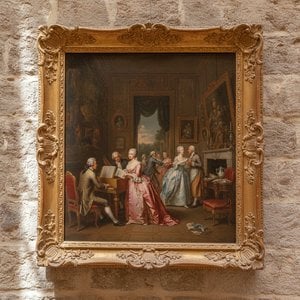
This canvas depicts four young prostitutes asleep on a railway carriage under the watchful eye of their Celestina, employing forced perspective to create an immersive spatial experience and capturing the lively atmosphere of a social gathering.

Joaquin Sorolla: ესპანელი მხატვარი სూర్্যালმფრთხილებლად და მჭიდველად შეწყვეტილი ფერებით! აღმოაჩინეთ მისი ნათელ სურათები და სანახაური სცენები კლიმატის სულის ტონიანი სიცოცხლის გადმოტანისთვის. გაიგება თქვენთვის დღესვე!

ხელით ნაკვეთი ზეთის ტილოს რეპროდუქცია

ტილოზე შესრულებული ფერწერიანი ზეთប្រდათი, თქვენთვის სასურველი ზომისა და ჩარჩოსთვის, ჩვენი ხელოვანების მიერ შეკვეთის საფუძველზე დამზადებული. (გადართვა ბეჭდზე გადართვა ბეჭდზეგადასვლა ციფრულ გამოსახულებაზე გადასვლა ციფრულ გამოსახულებაზე)

P118B $10
P118H $10
P118W $10
P438Z $10
P508JH $12
P508YH $12
P805H $10
P805Z $10
P919BZ $10
P919G $10
P919XJ $10
P959ZH $10
P968JZ $12
W106C $8
W218G $10
W218JH $8
W218Y $10
W307PJ $10
W316G $10
W316PJ $8
W316Y $10
W398PJ $8
W4111J $10
W500HY $15
W500JH $15
W692G $12
W849H $8
W940BG $15
W953PJ $8

სტანდარტული
სასურველი ზომის
CM
INCH

აირჩიეთ ჩვენს მიერ წინასწარ განსაზღვრული ზომებიდან, რომლებიც ნაწარმოების ორიგინალურ პროპორციებს შეესაბამება.

სიგანე
სიმაღლე

თქვენ შეგიძლიათ მიუთითოთ თქვენთვის სასურველი ზომები კონკრეტული ჩარჩოს ან სივრცის შესაბამისად. თუ თქვენ მიერ არჩეული ზომა არ შეესაბამება ორიგინალი გამოსახულების პროპორციებს, ჩვენ ან შევაჭრებთ ნაწარმოებს, ან ტილოზე დავამატებთ ხელით მოხატულ ელემენტებს. წარმოების დაწყებამდე, დამტკიცებისთვის გამოგეგზავნებათ ციფრული მაკეტი.
გთხოვთ, გაითვალისწინოთ, რომ ეკრანზე ნაჩვენები წინასწარი შეხედულება არ ასახავს რეალურ შეჭრას ან გაფართოებას. საბოლოო კომპოზიციას ზუსტად მხოლოდ მაკეტი წარმოაჩენს.
მიუხედავად იმისა, რომ შესაძლებელია ინდივიდუალური ზომების შერჩევა, ორიგინალური პროპორციების შენარჩუნებისათვის გირჩევთ, გამოიყენოთ წინასწარ განსაზღვრული სიის ზომები.

რა შეიძლება შეიცვალოს: სახის ჩანაცვლება მომხმარებლის ფოტოთი; შინაური ცხოველის დამატება (მაგ., კატის ჩანაცვლება ძაღლით); ფონზე ფარული შეტყობინების დამატება; ფონის პეიზაჟის ან ელემენტების შეცვლა.
შეკვეთის შემდეგ, WahooArt.com გუნდი დაგიკავშირდებათ ელექტრონული ფოსტით ინსტრუქციებისთვის და გამოგიგზავნით წინასწარ ნახაზს (mockup).

მიწოდება მსოფლიო მასშტაბით -ში 3/4 კვირაში, სტანდარტული 5 კვირის ნაცვლად. (11 სექტემბერი). ხარისხზე კომპრომისის გაკეთება არ მოხდება.

why_choose_icon
უფასო ექსპრეს მიწოდება მთელ მსოფლიოში
why_choose_icon
საბამად მაღალი ხარისხის ტილო
why_choose_icon
სრული ტრანსპორტირების დაზღვევა
why_choose_icon
საბაჟო გადასახადების დაბრუნების გარანტია
why_choose_icon
ფერების სრული შესაბამისობის გარანტია
why_choose_icon
დაბრუნების 100-დღიანი პოლიტიკა (მხოლოდ დეფექტის შემთხვევაში)
why_choose_icon
100% თანხის დაბრუნების გარანტია
why_choose_icon
ფასდაკლება დიდი რაოდენობით შეკვეთისას

ჯამური ღირებულება

$ 272

reproduction

White Slave Trade

რეკლამაციის ტექნიკა

რეკლამაციის ზომა

-

საბოლოო ფასი

$ 272

მოკლე ინფორმაცია

  • Title: White Slave Trade
  • Notable elements or techniques: Forced perspective; Dramatic lighting
  • Artist: Joaquín Sorolla y Bastida
  • Subject or theme: Prostitution; Poverty
  • Medium: Oil on canvas
  • Movement: Social Realism
  • Influences: Classical Art

ხელოვნების ტესტი

თითოეულ კითხვაზე მხოლოდ ერთი სწორი პასუხია.

კითხვა 1:
What genre does Sorolla explore in “White Slave Trade”?
კითხვა 2:
The painting’s focal point is the depiction of:
კითხვა 3:
Sorolla utilizes what artistic technique to create an illusion of depth and draw the viewer into the scene?
კითხვა 4:
Why is Sorolla considered a significant artist of his time?
კითხვა 5:
Where was Sorolla primarily trained as an artist?

A Somber Radiance: The Social Realism of Joaquín Sorolla

In the vast tapestry of Spanish Impressionism, few works possess the haunting, quiet gravity found in Joaquín Sorolla y Bastida’s 1895 masterpiece, “White Slave Trade.” While many remember Sorolla as the "Master of Light," a painter of sun-drenched Mediterranean beaches and vibrant Valencian landscapes, this particular canvas reveals a much more profound and unsettling dimension of his genius. Here, the artist pivots away from the celebratory glow of the Spanish coast to confront the gritty, often overlooked realities of the late 19th century. The painting serves as a poignant window into the era's social struggles, capturing a moment of profound vulnerability that transcends mere documentation to become a timeless study of human fatigue and lost innocence.

The scene unfolds within the cramped, dim confines of a third-class railway carriage, a setting that inherently suggests movement, transition, and the displacement of the marginalized. Within this enclosed space, Sorolla depicts four young women, their bodies slumped in various states of exhausted repose. There is no grand drama or violent upheaval depicted; instead, the power of the work lies in its stillness. The subjects are caught in a heavy, dreamless sleep, their faces stripped of artifice, revealing a raw, unvarnable exhaustion. Through this composition, Sorolla invites the viewer to witness not just a moment in time, but the weight of a systemic hardship that lingers long after the train has passed.

Mastery of Light and Tonal Harmony

Technically, “White Slave Trade” is a triumph of controlled observation and Impressionistic brilliance. Sorolla utilizes the diffused, pale light filtering through the carriage window to sculpt the forms of the sleeping figures, creating a delicate interplay between shadow and illumination. This light does not merely illuminate; it breathes life into the textures of the fabric, the weary skin, and the metallic atmosphere of the train car. His brushwork, though possessing the rapid, energetic quality characteristic of Impressionism, is applied with a meticulous attention to spatial illusion. He employs subtle glazes and a sophisticated tonal palette to create a sense of depth that pulls the viewer into the very heart of the carriage.

For the discerning collector or interior designer, this piece offers a unique opportunity to introduce a work of immense emotional depth and technical sophistication into a curated space. The painting’s ability to balance somber subject matter with exquisite formal beauty makes it a captivating focal point. It does not merely decorate a wall; it commands attention through its atmospheric complexity. A high-quality reproduction of this work allows the subtle nuances of Sorolla's light—the way it catches the edge of a sleeve or softens a cheekbone—to be appreciated, bringing a sense of historical weight and artistic prestige to any sophisticated interior.

A Legacy of Empathy and Truth

Beyond its aesthetic merits, “White Slave Trade” stands as a testament to Sorolla’s commitment to social realism. During the decade spanning 1890 to 1899, Sorolla explored themes that challenged the idealized narratives of his contemporaries. By choosing to focus on the plight of these young women, he utilized his mastery of light to shine a spotlight on the shadows of society. The painting functions as a silent protest, using the beauty of the medium to demand empathy for the subject. It is this rare combination of technical virtuosity and profound social conscience that ensures Sorolla’s place in the pantheon of great masters, offering timeless inspiration to those who find beauty in the truth of the human condition.


მხატვრის ბიოგრაფია

Joaquín Sorolla y Bastida – A Life Bathed in Light

Joaquín Sorolla y Bastida, a name synonymous with the radiant light and vibrant energy of Spain, was more than just a painter; he was a chronicler of his nation’s soul. Born in Valencia in 1863, Sorolla's early life was marked by tragedy. Orphaned at the tender age of two following a cholera epidemic that claimed both parents, young Joaquín and his sister were raised by their maternal aunt and uncle. This early experience with loss perhaps instilled within him a profound appreciation for the fleeting beauty of life – a sentiment that would permeate his art. Though hardship shadowed his beginnings, it did not dim the spark of artistic talent that quickly became apparent. He received initial instruction in Valencia, demonstrating an aptitude that led to studies under established artists like Cayetano Capuz and José Benlliure, eventually culminating in a four-year grant to study in Rome. It was there, amidst the classical grandeur of Italy, that Sorolla began to forge his unique artistic path, absorbing influences while simultaneously developing a style distinctly his own.

Early Life and Artistic Beginnings

Joaquín Sorolla’s formative years were shaped by profound loss and circumstance. Born into a modest Valencian family, he endured the devastating impact of cholera when both his parents succumbed to illness at just two years old. His sister, Concha, survived, but their upbringing was overseen by their maternal aunt and uncle—a poignant reminder of resilience amidst adversity. Recognizing Sorolla’s exceptional talent from a young age, he commenced formal artistic training in Valencia, honing his skills under the tutelage of prominent Valencian painters. This early exposure to art instilled within him an unwavering dedication to capturing beauty and emotion on canvas. At eighteen, he embarked on a journey to Madrid, immersing himself in the artistic milieu of the capital city and studying masterworks at the Museo del Prado—a formative experience that cemented his admiration for Velázquez’s masterful technique and compositional vision.

Rome: Classical Influences and Artistic Transformation

Sorolla's pursuit of artistic excellence led him to Rome in 1885, where he secured a prestigious residency funded by Valencia’s Royal Academy of Fine Arts. Amidst the architectural splendor of the Eternal City—a crucible of artistic innovation—he absorbed influences from luminist painters like Francesco Hayez and Giuseppe Mengoni, establishing himself as an artist with a distinctive style. He continued his studies under José Benlliure and Emilio Sala, delving deeper into the intricacies of painting technique and exploring diverse artistic themes. Notably, Sorolla’s fascination with Velázquez profoundly impacted his approach to portraiture—a stylistic hallmark that would characterize much of his oeuvre.

The Valencian Coast: Luminism Embodied

Sorolla's artistic vision found its most compelling expression in his depictions of the Valencian coast – a landscape he passionately embraced and relentlessly pursued through *plein air* painting. He became renowned for capturing the ethereal quality of Mediterranean sunlight, transforming ordinary scenes into canvases brimming with luminosity and vibrancy. His paintings—such as Bathing Time and The Return from Fishing—are characterized by loose brushstrokes, vibrant colors, and a masterful rendering of light reflecting off water surfaces—techniques that exemplify the principles of Luminism. Sorolla’s ability to convey emotion through visual imagery solidified his reputation as one of Spain's foremost artists.

Major Achievements and Legacy

Sorolla achieved international acclaim throughout his career, participating in numerous exhibitions across Europe and America and garnering commissions for portraits of prominent figures—including King Alfonso XIII and Winston Churchill. His monumental mural cycle commissioned by the Hispanic Society of America—Vision of Spain—became a testament to his artistic ambition and technical prowess. Sorolla’s influence extended far beyond his lifetime, inspiring generations of artists who sought to emulate his distinctive style and embrace his unwavering commitment to capturing the beauty of light and color. Today, Sorolla's paintings reside in prestigious museums worldwide—a lasting legacy that ensures his art continues to captivate audiences and illuminate our understanding of Spanish artistic heritage. His enduring contribution to Luminism remains unparalleled, securing his place as a pivotal figure in the history of Impressionist painting.

მოკლე ინფორმაცია

  • Artistic Movement Or Style: ლუმინიზმი და იმპრესიონიზმი
  • Artists Who Influenced This Artist:
    • ფრანსისკო პრადილა
    • ჟულე ბასტიენ ლეპაژ
  • Date Of Birth: 27 თებერვალი 1863 წელი
  • Date Of Death: 10 აგვისტო 1923 წელი
  • Full Name: Joaquín Sorolla y Bastida
  • Nationality: ესპანელი
  • Notable Artworks:
    • Իტალიელი გოგონა მცენარეებით
    • მზის სხეულის ბანაობა
    • მშვიდობიანი მემკ ინებარი
    • სათავაზო სოროლა და ბასტიდა
    • ბავშვები ზღვის გასართან
    • ფრთხილების დგება
  • Place Of Birth: ვალენსიის ქალაქი და ესპანეთი
აღმოაჩინეთ ხელოვნების ნაწარმოებები თემების, სტილისა და მახასიათებლების მიხედვით დაჯგუფებული.