x
წინასწარი ნახვაწინასწარი ნახვა AR წინასწარი ნახვაAR წინასწარი ნახვა შეიძინეთ პრინტი შეიძინეთ პრინტიშეიძინეთ გამოსახულება შეიძინეთ გამოსახულება გაგზავნაგაგზავნა
დეტალებიდეტალები დამატება ფავორიტებში დამატება ფავორიტებში ჩამოტვირთვაჩამოტვირთვა მსგავსებიმსგავსები რენტგენოგრაფიული კვლევარენტგენოგრაფიული კვლევა სლაიდშოუსლაიდშოუ

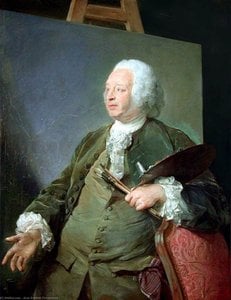
Femmes drapées de blanc

Discover "Femmes drapées de blanc" by Jean Barbault – a captivating Rococo painting of two figures in serene repose, reflecting classical elegance and Roman influence.

Jean Barbault (1718-1762): French painter & etcher capturing 18th-century Rome – its people in vibrant costume, and iconic monuments with Piranesi-esque detail. A fascinating glimpse into art & history.

ხელით ნაკვეთი ზეთის ტილოს რეპროდუქცია

ტილოზე შესრულებული ფერწერიანი ზეთប្រდათი, თქვენთვის სასურველი ზომისა და ჩარჩოსთვის, ჩვენი ხელოვანების მიერ შეკვეთის საფუძველზე დამზადებული. (შეიძინეთ პრინტი შეიძინეთ პრინტიშეიძინეთ გამოსახულება შეიძინეთ გამოსახულება)

P118B $10
P118H $10
P118W $10
P438Z $10
P508JH $12
P508YH $12
P805H $10
P805Z $10
P919BZ $10
P919G $10
P919XJ $10
P959ZH $10
P968JZ $12
W106C $8
W218G $10
W218JH $8
W218Y $10
W307PJ $10
W316G $10
W316PJ $8
W316Y $10
W398PJ $8
W4111J $10
W500HY $15
W500JH $15
W692G $12
W849H $8
W940BG $15
W953PJ $8

სტანდარტული
სასურველი ზომის
CM
INCH

აირჩიეთ ჩვენს მიერ წინასწარ განსაზღვრული ზომებიდან, რომლებიც ნაწარმოების ორიგინალურ პროპორციებს შეესაბამება.

სიგანე
სიმაღლე

თქვენ შეგიძლიათ მიუთითოთ თქვენთვის სასურველი ზომები კონკრეტული ჩარჩოს ან სივრცის შესაბამისად. თუ თქვენ მიერ არჩეული ზომა არ შეესაბამება ორიგინალი გამოსახულების პროპორციებს, ჩვენ ან შევაჭრებთ ნაწარმოებს, ან ტილოზე დავამატებთ ხელით მოხატულ ელემენტებს. წარმოების დაწყებამდე, დამტკიცებისთვის გამოგეგზავნებათ ციფრული მაკეტი.
გთხოვთ, გაითვალისწინოთ, რომ ეკრანზე ნაჩვენები წინასწარი შეხედულება არ ასახავს რეალურ შეჭრას ან გაფართოებას. საბოლოო კომპოზიციას ზუსტად მხოლოდ მაკეტი წარმოაჩენს.
მიუხედავად იმისა, რომ შესაძლებელია ინდივიდუალური ზომების შერჩევა, ორიგინალური პროპორციების შენარჩუნებისათვის გირჩევთ, გამოიყენოთ წინასწარ განსაზღვრული სიის ზომები.

რა შეიძლება შეიცვალოს: სახის ჩანაცვლება მომხმარებლის ფოტოთი; შინაური ცხოველის დამატება (მაგ., კატის ჩანაცვლება ძაღლით); ფონზე ფარული შეტყობინების დამატება; ფონის პეიზაჟის ან ელემენტების შეცვლა.
შეკვეთის შემდეგ, WahooArt.com გუნდი დაგიკავშირდებათ ელექტრონული ფოსტით ინსტრუქციებისთვის და გამოგიგზავნით წინასწარ ნახაზს (mockup).

მიწოდება მსოფლიო მასშტაბით -ში 3/4 კვირაში, სტანდარტული 5 კვირის ნაცვლად. (29 აგვისტო). ხარისხზე კომპრომისის გაკეთება არ მოხდება.

why_choose_icon
უფასო ექსპრეს მიწოდება მთელ მსოფლიოში
why_choose_icon
საბამად მაღალი ხარისხის ტილო
why_choose_icon
სრული ტრანსპორტირების დაზღვევა
why_choose_icon
საბაჟო გადასახადების დაბრუნების გარანტია
why_choose_icon
ფერების სრული შესაბამისობის გარანტია
why_choose_icon
60-დღიანი დაბრუნების პოლიტიკა (მხოლოდ დეფექტის შემთხვევაში)
why_choose_icon
100% თანხის დაბრუნების გარანტია
why_choose_icon
ფასდაკლება დიდი რაოდენობით შეკვეთისას

ჯამური ღირებულება

$ 297

reproduction

Femmes drapées de blanc

რეკლამაციის ტექნიკა

რეკლამაციის ზომა

-

საბოლოო ფასი

$ 297

მოკლე ინფორმაცია

  • Year: 1700-1750
  • Notable elements: Draped figures
  • Medium: Oil on canvas
  • Movement: Neoclassical
  • Subject or theme: Women in white
  • Influences: Barbault
  • Artist: Jean Barbault

ხელოვნების ტესტი

თითოეულ კითხვაზე მხოლოდ ერთი სწორი პასუხია.

კითხვა 1:
What is the primary subject matter of Jean Barbault’s ‘Femmes drapées de blanc’?
კითხვა 2:
The painting’s muted color palette and soft lighting suggest which artistic style?
კითხვა 3:
What is a key characteristic of Barbault’s technique as evidenced by the description?
კითხვა 4:
Based on the description, what symbolic meaning might be associated with the white drapery in ‘Femmes drapées de blanc’?

A Glimpse of Roman Exoticism: Jean Barbault’s “Femmes Drapées de Blanc”

Jean Barbault's "Femmes Drapées de Blanc" is not merely a painting; it’s a portal to 18th-century Rome, a city pulsating with the allure of antiquity and the intoxicating influence of Orientalism. Painted around 1750, this captivating work offers a serene yet subtly charged tableau – two figures enveloped in flowing white drapery, set against an atmospheric backdrop that whispers of both classical grandeur and the vibrant energy of the Italian capital. Barbault, a largely unsung figure within the artistic circles of his time, masterfully captures a fleeting moment of contemplation, inviting us to ponder the mysteries held within its muted palette and delicate brushstrokes.

Composition and Technique: A Dance of Light and Shadow

The composition is remarkably balanced, drawing the eye immediately to the central figure standing with quiet dignity. Her posture exudes a sense of poised grace, while the seated woman beside her suggests a more relaxed state of repose. Barbault’s technique is characterized by an exquisite subtlety—a hallmark of his approach to capturing the nuances of light and texture. He employs thin glazes of oil paint, building up layers with painstaking care to achieve a remarkable depth and luminosity. The drapery itself becomes a focal point, its folds rendered with a masterful understanding of form and movement; each curve and ripple seems to catch the diffused light, creating an illusion of tactile richness. Notice how Barbault skillfully uses atmospheric perspective – distant elements recede into softer hues and less detail, effectively establishing depth within the scene.

Symbolism and Historical Context: Echoes of Piranesi and the Roman Revival

“Femmes Drapées de Blanc” is deeply rooted in the artistic currents of its time. The painting emerged during a period of fervent interest in classical antiquity, fueled by the rediscovery of Roman ruins and the revival of Greco-Roman art and architecture. Barbault’s work reflects this fascination, yet it transcends mere imitation. He wasn't simply documenting Rome; he was actively engaging with its spirit, imbuing his subjects with a sense of timeless elegance. The white drapery itself carries significant symbolic weight – often associated with purity, innocence, or even spirituality. Barbault’s artistic lineage is also important to consider: he was initially trained by Jean Restout II, and later sought acceptance at the prestigious Prix de Rome. His journey through the art world mirrors the broader ambitions of many artists during this era, striving for recognition within a highly competitive system. The painting's style subtly nods to both Rococo and Neoclassical influences, blending decorative flourishes with a restrained sense of formality.

Emotional Resonance: A Moment of Quiet Contemplation

Beyond its technical brilliance and historical context, “Femmes Drapées de Blanc” possesses a profound emotional resonance. The figures’ expressions are deliberately ambiguous, inviting viewers to project their own interpretations onto the scene. There's an undeniable sense of tranquility—a feeling of being transported to a serene space removed from the bustle of everyday life. The muted color palette and soft lighting contribute to this atmosphere of quiet contemplation, creating a mood that is both melancholic and deeply comforting. Barbault’s ability to evoke such subtle yet powerful emotions speaks volumes about his artistic sensitivity and his profound understanding of the human condition. It's a painting that lingers in the memory long after it has been viewed, prompting reflection on themes of beauty, solitude, and the enduring allure of the past.

This artwork is a remarkable example of 18th-century Roman art, offering a captivating glimpse into a world of classical revival, exoticism, and quiet contemplation. A high-quality reproduction captures the essence of Barbault’s vision, allowing you to bring this timeless masterpiece into your own home or office.


მხატვრის ბიოგრაფია

A Life Immersed in Roman Splendor

Jean Barbault, a name perhaps less resonant than those of his celebrated contemporaries, nevertheless occupies a fascinating niche within the artistic landscape of 18th-century Rome. Born around 1718 in the quiet French town of Viarmes, his journey led him to become a keen observer and documenter of Roman life, costume, and antiquity. While he may not have achieved widespread fame during his lifetime, Barbault’s meticulous work offers invaluable insights into an era captivated by classical revival and exoticism. His story is one of artistic ambition, self-driven exploration, and a dedication to capturing the ephemeral beauty of a city steeped in history. Initially trained under Jean Restout II in Paris, Barbault harbored aspirations for the prestigious Prix de Rome, but despite failing to secure it in 1745, his determination remained unshaken. In 1747, fueled by an unwavering artistic spirit, he embarked on a self-funded journey to Rome, supporting himself through engraving work while immersing himself in the city’s vibrant atmosphere.

The Allure of Rome and Piranesi's Influence

Rome proved to be Barbault’s true artistic home. Admitted to the French Academy in 1750, he flourished within its stimulating environment. The city itself became his muse, inspiring a body of work that reflects both its architectural grandeur and the lively character of its inhabitants. It is impossible to discuss Barbault without acknowledging the profound influence of Giovanni Battista Piranesi, the master Italian printmaker renowned for his dramatic and detailed etchings of Roman ruins. Like Piranesi, Barbault possessed an exceptional ability to capture the scale and atmosphere of ancient monuments, but he also brought a unique sensibility to his work—a fascination with the everyday lives of Romans and a penchant for depicting them in both traditional attire and elaborate, fantastical costumes. This interest in costume wasn’t merely decorative; it reflected the broader 18th-century preoccupation with cultural difference and the allure of the “Orient.” Barbault's artistic vision extended beyond mere replication; he sought to interpret and reimagine Roman life through his own distinctive lens.

Costume, Carnival, and Monumental Documentation

Barbault’s artistic output can be broadly categorized into several key areas, each revealing a different facet of his creative personality. He frequently portrayed local Roman women, often adorned in the vibrant dresses of Naples, alongside fellow artists who populated the city's bustling art scene. Perhaps most captivating is his *Turkish Masquerade Series* (1748), a collection of sketches and paintings documenting the elaborate carnival festivities held at the French Academy in Rome. Barbault himself actively participated in these events, even dressing as an officer of the Sultan’s guard—an experience that directly inspired works like “The Greek Sultana” and "Sultane grecque". These pieces are remarkable for their depiction of imaginative “Oriental” costumes, which were highly fashionable during the mid-18th century. However, Barbault's most significant contribution lies in his two published folios: *Les Plus Beaux Monuments de Rome Ancienne* (1761) and *Les Plus Beaux Edifices de Rome Moderne* (1763). These meticulously detailed etchings served as invaluable visual records of both ancient Roman ruins and contemporary buildings, offering a comprehensive survey of the city’s architectural heritage. He also undertook larger-scale paintings, such as “The Four Corners of the World” (1751), a nearly four-meter wide panorama depicting artists engaged in a lively carnival procession.

A Lasting Legacy: Documenting an Era

While some contemporaries may have dismissed Barbault as a "minor talent" in terms of painting, his etchings are widely regarded for their precision and artistry. He played a crucial role in popularizing the representation of traditional costumes in art, anticipating trends that would gain momentum in later decades. More importantly, his published folios remain invaluable historical documents, providing a detailed visual record of 18th-century Rome and its architectural treasures. Barbault’s work offers not only aesthetic pleasure but also a window into the cultural values and artistic practices of his time. Though he passed away in Rome in 1762 at the relatively young age of 43, leaving behind a widow and three children, his legacy has endured. Renewed interest in his oeuvre, evidenced by exhibitions held in France since the 1970s—including a significant showing at the Musée des Beaux-Arts in Strasbourg in 2010—has solidified his place as an important figure in the documentation of Roman life and artistic trends of the 18th century. His paintings and etchings continue to captivate viewers with their blend of historical accuracy, artistic skill, and a palpable sense of wonder at the enduring beauty of Rome.

Key Works

  • The Greek Sultana: A vibrant depiction from the Turkish Masquerade Series, showcasing elaborate costumes.
  • Sultane grecque: Another captivating piece from the same series, highlighting the fashionable "Oriental" aesthetic.
  • Les Plus Beaux Monuments de Rome Ancienne: A comprehensive folio of etchings documenting ancient Roman ruins.
  • Les Plus Beaux Edifices de Rome Moderne: A detailed record of contemporary buildings in 18th-century Rome.
  • The Four Corners of the World: A large-scale painting capturing a lively carnival procession.
  • Le Cocher du Pape: An evocative scene depicting a Roman coachman.

Jean Barbault

Jean Barbault

1718 - 1762 , France

მოკლე ინფორმაცია

  • Artistic Movement Or Style: Rococo, Orientalism
  • Artists Or Movements Influenced By This Artist: ['French costume art']
  • Artists Who Influenced This Artist: ['Piranesi']
  • Date Of Birth: c. 1718
  • Date Of Death: 1762
  • Full Name: Jean Barbault
  • Nationality: French
  • Notable Artworks:
    • Greek Sultana
    • The Four Corners...
    • Le Cocher du Pape
  • Place Of Birth: Viarmes, France