

მუზეუმის დონის ჟიკლე ან ტილოზე ბეჭდვა სწრაფი წარმოებისა და დასრულების მოქნილი ვარიანტებით. ( შეიძინეთ ხელით შესრულებული ნახატი გადართვა ციფრულ გამოსახულებაზე)





























აირჩიეთ ჩვენს მიერ წინასწარ განსაზღვრული ზომებიდან, რომლებიც ნაწარმოების ორიგინალურ პროპორციებს შეესაბამება.

შეიყვანეთ თქვენთვის საჭირო სიგანე და სიმაღლე, რათა გამოსახულებამ თქვენს ჩარჩოს ან კედელს ზუსტად მოერგოს. ბეჭდვისას შესაძლებელია მხოლოდ მისი შემცირება და არა გაზრდა, ამიტომ სხვა ფორმის ზომის შემთხვევაში სურათი ნაწილობრივ იკარგება. სანამ რაიმეს დაბეჭდავთ, ჩვენ გამოგიგზავნით ციფრულ მაკეტს დასდასტურებლად. ამ გვერდზე ნაჩვენები სურათი არ ასახავს რეალურ ჭრას — ამას მხოლოდ მაკეტი გვიჩვენებს.
მიწოდება მთელ მსოფლიოში () 2 კვირაში, სტანდარტული 4/5 კვირის ნაცვლად. (10 ნოემბერი)
l7
რეპროდუქციის ზომა
The photograph depicting two weathered wooden sandals – “l7” as designated by WahooArt – isn't merely an image of footwear; it is a poignant echo of the artistic revolution spearheaded by Jan van Eyck. This seemingly simple composition, rendered in stark black and white, invites us to contemplate not just the object itself, but the profound shift Van Eyck instigated within the world of painting nearly six centuries ago. The meticulous detail captured – the worn leather straps, the grain of the wood, the subtle shadows playing across the hardwood floor – speaks volumes about Van Eyck’s unparalleled ability to observe and translate reality onto canvas with an almost unsettling precision.
Van Eyck’s work emerged during a period of immense social and economic change in Europe. The rise of wealthy merchant families like the Burgundians fueled demand for luxurious art, particularly religious paintings intended for private devotion. Van Eyck's commissions – often for altarpieces or devotional panels – were not simply acts of artistic expression; they were investments in prestige and status. His ability to capture the textures and details of everyday objects, as seen in “l7,” reflected a growing interest in portraying the world around him with unprecedented accuracy. The subject matter itself—simple sandals—could have been chosen for its inherent symbolism relating to pilgrimage or humble devotion, themes prevalent within Northern European religious art.
Symbolism and Interpretation: The worn condition of the sandals suggests a history of use, perhaps representing a journey or a life lived. The deliberate choice of a mundane subject elevates it to an object of contemplation, inviting viewers to consider themes of mortality, faith, and the passage of time – all central concerns in Van Eyck’s work.WahooArt's hand-painted reproduction of “l7” meticulously recreates Van Eyck’s original techniques. Skilled artisans employ traditional oil painting methods, painstakingly layering glazes to achieve the same luminous effect and textural richness as the original. The result is a stunningly accurate representation that captures not only the visual details but also the emotional impact of Van Eyck's masterpiece. This reproduction offers an unparalleled opportunity to experience the beauty and artistry of one of history’s most influential painters, bringing his vision into your home or studio.
იან ვან ეიკი-ის „l7“-ის სინათლის სიმკვეთრე Soft Shadow-ია. სიმკვეთრე აღწერს, თუ რამდენ სინათლეს ასახავს ფერები.
"l7" თავისი შემქმნელის სამშობლოს მეშვეობით Early Netherlandish Painting მიმდინარეობას ნიდერლანდები-სთან აკავშირებს.
იან ვან ეიკი-ის „l7“-ის რენტგენოგრაფიული კვლევა გვერდი წარმოადგენს ინტერაქტიულ გამსინჯებელს, რომელიც საშუალებას გაძლევთ გადაიკვლიოთ ნამუშევრის თერთმეტი ოპტიკური ფენა, მათ შორის რენტგენოსებრი ხედიც.


Explore the revolutionary art of Jan van Eyck! Discover his groundbreaking oil painting techniques, hidden symbolism, and lasting impact on the Early Netherlandish Renaissance. A deep dive for art enthusiasts.
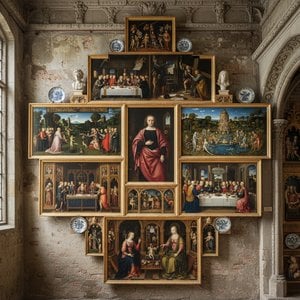
Journey into the Early Netherlandish Renaissance! Explore 10 iconic paintings by Jan van Eyck, Rogier van der Weyden & more. Discover stunning detail, symbolism, and oil painting techniques. Find museum-quality art reproductions for your home at WahooArt.com.

აღმოაჩინეთ რემბრანდტის 25 უნიკალური შედევრი! ოქროს ხანის ბაროკო ხელოვნება, ავტოპორტრეტები და ღამის თვალთუმაჩვილი – WahooArt.com-ზე. შეიძინეთ მუზეუმის ხარისხის რეპროდუქციები სახლის დეკორისთვის. Explore the full collection online!

Explore the captivating world of Early Netherlandish painting! Discover Jan van Eyck & other Flemish masters, their revolutionary techniques, hidden symbolism, and lasting legacy. A comprehensive guide for art enthusiasts.
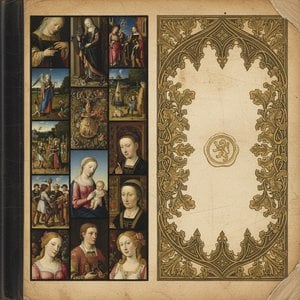
Journey into the world of Early Netherlandish painting! Explore 10 masterpieces by Jan van Eyck, Rogier van der Weyden & more. Discover stunning detail, symbolism & Renaissance art for your home decor. Find museum-quality reproductions on WahooArt.com
 წინასწარი ნახვა
 გაგზავნა
 გაზიარება
 დეტალები
 გზამკვლევი

 ჩამოტვირთვა
 მსგავსები
 რენტგენოგრაფიული კვლევა
 სლაიდშოუ
 კითხვა-პასუხი
 სტატისტიკა

 გააგრძელეთ კითხვა









 მინის ჩარჩოს არჩევანი შესაძლებელია მხოლოდ 110 სმ-მდე ზომისთვის


