მხატვრის ბიოგრაფია
იან ვან ეიკი: ნათელი და დეტალისოსანი სამყარო
იან ვან ეიკი, რომლის სახელსაც უკავშირდება მოგვიანებით შუა საუკუნეების ფლამანდური ζωγραφების გაბატონება და ზეთის საღებავის რევოლუციური გამოყენება, დღემდე წარმოადგენს ერთ-ერთ ყველაზე მნიშვნელოვან დაიდუმკვრებულ ფიგურას ხელოვნების ისტორიაში. მასპშტრიხტის მახლობლად დაბადებული, თანამედროვე ნიდერლანდებში, ვან ეიკი სამართლებრივი ტრადიციებით აღზრდილი ოჯახიდან იყო. მისი უფროსი ძმა, ჰუბერტ ვან ეიკიც ასევე იყო მხატვარი, თუმცა მის შემოქმედებასთან დაკავშირებული დეტალები დღემდე საკმაოდ ნოლოვანია. მიუხედავად იმისა, რომ ზუსტი ბიოგრაფიული მონაცემები იშვიათია, განსაკუთრებით მისი ადრეული წლების შესახებ, აშკარად ჩანს, რომ იანს თანდაყოფილი ნიჭი ჰქონდა და სწრაფად მოიპოვა აღიარება ხელოვანების წრეებში. უკვე 1422 წლისთვის მან საკუთარი სახელოსნო დააარსა ჰააგაში, სადაც რამდენიმე ასისტენტს მართავდა და შეკვეთებს ასრულებდა, რაც მის ხელობასთან დაკავშირებულ ნიჭს ცხადყოფდა. ეს ადრეული წარმატება მხოლოდ მხატვრული უნარებზე არ იყო დაფუძნებული; ვან ეიკი ინტელექტიანი და სანდო ადამიანი იყო, რაც მალევე მიიპყრო გავლენიანი პატრონების ყურადღება.
ბურგუნდიის სამსახური: დიპლომატია და მხატვრული აღმავლობა
იან ვან ეიკის კარიერაში გადამწყვეტი მომენტი მისი მოთავსება ბურგუნდიის კარზე იყო, ჯონ III-ს (მოკლემოსნე) მსახურობიდან იწყებული და შემდეგ ფილიპ გულაგმერთთან. ეს არ იყო მხოლოდ ხელოვნების პატრონაჟი; ვან ეიკს საიდუმო დიპლომატიურ მისირთვებსაც ანდობდნენ, რაც ბერის თავდაჯერებულობასა და ინტელექტს ადასტურებდა. ამ ევროპული მოგზაურობებმა - მათ შორის პორტუგალიასა და ესპანეთში ვიზიტებმა - მას სხვადასხვა კულტურასა და მხატვრული გავლენების საშუალება მისცა, რაც უმნიშვნელოდ შეცვალა მისი სტილი. სასახლე არა მხოლოდ ფინანსურ სტაბილურობას უზრუნველყოფდა, არამედ რესურსებზე წვდომასაც კი, რაც ვან ეიკს საშუალებას აძლევდა амбициозных პროექტების განხორციელება და ხელოვნების შესაძლებლობების საზღვრების გადაკვრა. ის არ იყო მხოლოდ ბურგუნდიელი არისტოკრატებისთვის მხატოვანი; ის მათი სამყაროს неотъемлемой ნაწილად იქცა, რომელიც ასახავდა და ამყარებდა მათ დიდებულებას თავისი ხელოვნების გზით. ეს უნიკალური პოზიცია მას იშვიათი დონეზე მხატვრულ თავისუფლებას უნერგავდა, რაც საშუალებას აძლევდა экспериментировать და ინოვაციებს განვითარებოდა.
ზეთის საღებავის ალქემია: ტექნიკის რევოლუცია
მიუხედავად იმისა, რომ ვან ეიკი არ იყო ზეთის საღებავის εφენიერი - მისი გამოყენება წინ უძნეობდა მას - ის უდავოდ მის სრულყოფილებაში ჩაერთო. ტემპერას დომინირებასთან შედარებით, ვან ეიკმა ზეთის საღებავის შესაძლებლობები სრულად გამოაცხადა, ფენების მრავალრიგობით, რაც беспрецедентного დონეზე დეტალებს, სიკაშკაშეს და რეალიზმს უზრუნველყოფდა. ამ ტექნიკის წყალობით შესაძლებელი იყო ტონის тонкие градациები, насыщенные цвета და ტექსტურების შექმნა, რომლებიც ცხოვრებას ჰგავდნენ. შედეგი გარდამორთბული იყო; ზედაპირები შიგნიდან ანათებოდა, ქსოვილები тактильное качество აჩვენებდნენ, ხოლო პორტრეტები არა მხოლოდ სახეებს არამედ ფსიქოლოგიურ სიღრემესაც ასახავდნენ. მისი ნიჭი 단순 технический не было; ეს იყო алхимический процесс, რომელიც пігменты живым реальностью превращал. ეს инновация незаметно осталась; ის стала основой для поколений художников, которые последовали за ним, фундаментально изменив ландшафт западного искусства.
шедевры и непреходящее наследие
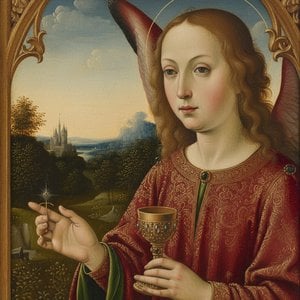
იან ვან ეიკის მხატვრული მემკვიდრეობა небольшой, но глубоко влиятельной работы закреплена. Гентский алтарь (1432 год) является его самым амбициозным предприятием - сложным гобеленом религиозной символики и технического великолепия. Не менее известна и *Портрет Джованни Арнольфини и его жены* (1434), новаторская работа в портретной живописи, отмеченная реализмом, замысловатыми деталями и загадочной символикой. Другие примечательные работы включают Дрезденский триптих, демонстрирующий его мастерство в изображении религиозных сцен с замечательной ясностью, и поразительного *Мужчину в синем тюрбане*, свидетельствующего о его способности запечатлеть индивидуальный характер. Эти картины - не просто визуальные представления; это окна в другой мир - мир, тщательно воссозданный с почти одержимым вниманием к деталям. Влияние Ван Эйка простирается далеко за пределы этих знаковых работ, формируя развитие ранней нидерландской живописи и вдохновляя бесчисленное количество художников на протяжении веков. Он умер в Брюгге в 1441 году, оставив после себя наследие, которое продолжает резонировать сегодня, напоминая нам о силе искусства освещать человеческий опыт.



 წინასწარი ნახვა
 შეიძინეთ ხელით შესრულებული ნახატი
 გაგზავნა
 გაზიარება
 დეტალები
 გზამკვლევი

 ჩამოტვირთვა
 მსგავსები
 რენტგენოგრაფიული კვლევა
 სლაიდშოუ
 სტატისტიკა
 გადასართად დაწვრილებით ნახეთ






































 მინის ჩარჩოს არჩევანი ხელმისაწვდომია მხოლოდ 110 სმ-ზე ნაკლები ზომისთვის