წინასწარი ნახვა AR წინასწარი ნახვა შეიძინეთ ხელით შესრულებული ნახატი გადასვლა ციფრულ გამოსახულებაზე გაგზავნა
დეტალები გზამკვლევი დამატება ფავორიტებში ჩამოტვირთვა მსგავსები რენტგენოგრაფიული კვლევა სლაიდშოუ სტატისტიკა

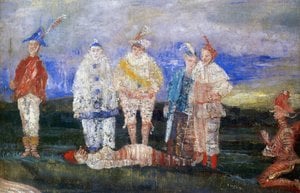
The Despair of Pierrot

გამოცენებული ბელგიელი მხატვარი და გრაფიკოსი ჯეიმ્સ კენსორი (1860-1949) იყო გამოქცეული სურათთა ისტორიიდან და მნიშვნელოვანი გავლენა exercează এক্সპრესიონიზმსა და სურ réalისმზე. აღმოჩენილია მისი ართმება და შეფასება მელანქოლიური სცენები მელანქოლიური სცენები მელანქოლიური სცენები მელანქოლიური სცენები მელანქოლიური სცენები მელანქოლიური სცენები მელანქოლიური სცენები მელანქოლიური სცენები მელანქოლიური სცენები

გიკლე / ხელოვნების პრინტი

მუზეუმის დონის ჟიკლე ან ტილოზე ბეჭდვა სწრაფი წარმოებისა და დასრულების მოქნილი ვარიანტებით. ( შეიძინეთ ხელით შესრულებული ნახატი გადასვლა ციფრულ გამოსახულებაზე)

P118B $10
P118H $10
P118W $10
P438Z $10
P508JH $12
P508YH $12
P805H $10
P805Z $10
P919BZ $10
P919G $10
P919XJ $10
P959ZH $10
P968JZ $12
W106C $8
W218G $10
W218JH $8
W218Y $10
W307PJ $10
W316G $10
W316PJ $8
W316Y $10
W398PJ $8
W4111J $10
W500HY $15
W500JH $15
W692G $12
W849H $8
W940BG $15
W953PJ $8

სტანდარტული
სასურველი ზომის
CM
INCH

აირჩიეთ ჩვენს მიერ წინასწარ განსაზღვრული ზომებიდან, რომლებიც ნაწარმოების ორიგინალურ პროპორციებს შეესაბამება.

სიგანე
სიმაღლე

თქვენ შეგიძლიათ მიუთითოთ საკუთარი ზომები კონკრეტული ჩარჩოსთვის ან სივრცისთვის მოსარგებლებლად. თუ თქვენ მიერ არჩეული ზომა არ შეესაბამება ორიგინალი გამოსახულების პროპორციებს, ჩვენ ან დავჭრით ნამუშევარს, ან გავაფართოვებთ გამოსახულებას სარკული ან ერთფეროვანი კიდეებით. წარმოების დაწყებამდე თქვენს დასამტკიცებლად გამოგეგზავნებათ ციფრული მაკეტი.
გთხოვთ, გაითვალისწინოთ, რომ ეკრანზე ნაჩვენები წინასწარი ნახვა არ ასახავს რეალურ ჭრას ან გაფართოებას. მხოლოდ მაკეტზე იქნება ზუსტად წარმოდგენილი საბოლოო კომპოზიცია.
მიუხედავად იმისა, რომ ინდივიდუალური ზომები ხელმისაწვდომია, ორიგინალური პროპორციების შესანარჩუნებლად გირჩევთ, აირჩიოთ ზომა წინასწარ განსაზღვრული სიისგან.

მიწოდება მთელ მსოფლიოში () 2 კვირაში, სტანდარტული 4/5 კვირის ნაცვლად. (23 სექტემბერი)

why_choose_icon
უფასო ექსპრეს მიწოდება მთელ მსოფლიოში
why_choose_icon
საბამად მაღალი ხარისხის ტილო
why_choose_icon
სრული ტრანსპორტირების დაზღვევა
why_choose_icon
საბაჟო გადასახადების დაბრუნების გარანტია
why_choose_icon
ფერების სრული შესაბამისობის გარანტია
why_choose_icon
დაბრუნების 100-დღიანი პოლიტიკა (მხოლოდ დეფექტის შემთხვევაში)
why_choose_icon
100% თანხის დაბრუნების გარანტია
why_choose_icon
ფასდაკლება დიდი რაოდენობით შეკვეთისას

ჯამური ღირებულება

$ 68

reproduction

The Despair of Pierrot

გიკლე / ხელოვნების პრინტი

რეკლამაციის ზომა

-

საბოლოო ფასი

$ 68

მოკლე ინფორმაცია

  • Artistic style: Symbolist
  • Movement: Expressionism
  • Artist: James Ensor
  • Subject or theme: Suffering, Melancholy
  • Title: The Despair of Pierrot
  • Medium: Oil on canvas
  • Influences: Picasso

ხელოვნების ტესტი

თითოეულ კითხვაზე მხოლოდ ერთი სწორი პასუხია.

კითხვა 1:
What is the primary emotion conveyed by James Ensor’s ‘The Despair of Pierrot’?
კითხვა 2:
James Ensor is known for blending which two artistic styles into his work?
კითხვა 3:
The painting depicts nine individuals, what is notable about one of them?
კითხვა 4:
What does Ensor’s use of bold colors and distorted forms contribute to the overall atmosphere of ‘The Despair of Pierrot’?
კითხვა 5:
‘The Despair of Pierrot’ is considered a precursor to the artistic movements of Pablo Picasso. What characteristic aligns Ensor's style with Picasso's?

A Portrait of Melancholy: Exploring James Ensor’s “The Despair of Pierrot”

James Ensor's "The Despair of Pierrot," painted in 1892, isn’t merely a depiction of clowns; it’s an unsettling meditation on human vulnerability and the pervasive sense of disillusionment that characterizes the fin de siècle. Created during a period marked by anxieties surrounding societal change and artistic experimentation, this oil on canvas transcends simple representation to become a cornerstone of Expressionist symbolism—a visual manifesto of psychological depth rarely achieved in its time.

Composition and Visual Narrative

The painting’s immediate impact stems from its meticulously crafted composition. Nine figures populate the canvas, arranged in an almost claustrophobic tableau that conveys palpable despair. Each performer embodies a distinct posture and expression, mirroring the multifaceted nature of suffering itself. Notice the deliberate positioning—some slumped shoulders, others staring blankly ahead—creating a visual dialogue about hopelessness. The inclusion of a tie, subtly rendered on one figure’s torso, serves as an incongruous element, highlighting the clash between elegance and decay – a motif that recurs throughout Ensor's oeuvre. This careful arrangement isn’t accidental; it’s designed to draw the viewer into a disconcerting space where comfort is absent and emotion reigns supreme.

The Expressionist Technique: Distortion and Color

Ensor’s artistic brilliance lies in his masterful manipulation of technique, firmly rooted within the Expressionist movement. He abandons academic conventions, favoring bold colors—primarily muted reds and browns—that amplify the painting's emotional intensity. More crucially, Ensor employs distortion to convey psychological states rather than literal accuracy. Faces are rendered with exaggerated features, eyes wide with anguish, reflecting a profound preoccupation with inner turmoil. The brushstrokes themselves are thick and agitated, mirroring the turbulent emotions depicted within the scene. This deliberate disregard for realism underscores Ensor’s commitment to capturing not just what he sees but how he *feels*, establishing “The Despair of Pierrot” as an exemplar of emotive painting.

Historical Context: Societal Anxiety and Artistic Rebellion

“The Despair of Pierrot” emerged from a period rife with social upheaval—the decline of Victorian morality, the burgeoning anxieties surrounding industrialization, and the looming shadow of impending war. Ensor’s work reflects this pervasive sense of unease, mirroring the broader artistic rebellion against traditional aesthetics that characterized the era. Artists like Picasso were grappling with similar questions about representation and emotion, pushing boundaries to explore the complexities of human experience. Ensor's refusal to adhere to accepted standards speaks volumes about his conviction that art should confront uncomfortable truths—a sentiment that continues to resonate powerfully today.

Symbolism Beyond Appearance: The Clown as Emblem

The clown figure itself is laden with symbolic significance. Traditionally associated with joy and merriment, Ensor subverts this expectation, transforming the clown into a vessel for profound sadness and disillusionment. He embodies the anxieties of the individual confronting societal pressures and the inescapable awareness of mortality. The clowns’ vacant stares and slumped postures symbolize not just despair but also the loss of innocence—a poignant reminder that even amidst appearances of gaiety, darkness lurks beneath the surface. Ensor's masterful use of symbolism elevates “The Despair of Pierrot” beyond a mere visual depiction; it becomes an enduring exploration of the human condition.

Emotional Resonance: A Timeless Reflection

Ultimately, "The Despair of Pierrot" transcends its historical context to offer a timeless meditation on sorrow and vulnerability. Its unsettling beauty compels viewers to confront uncomfortable emotions—fear, regret, and longing—provoking introspection and fostering empathy. As an artwork, it stands as a testament to James Ensor’s visionary approach to painting, securing his place among the most influential artists of the late nineteenth century and continuing to inspire audiences with its enduring power to evoke profound psychological responses.

მხატვრის ბიოგრაფია

James Ensor: A Pioneer of Expressionism and Surrealism

James Sidney Edouard, Baron Ensor (Ostend, 13 April 1860 – 19 November 1949) was a Belgian painter and printmaker who stands as one of the most influential figures in the development of Expressionism and Surrealism. Born into an English father and Belgian mother amidst the vibrant atmosphere of Ostend’s seaside resort town, Ensor’s upbringing profoundly shaped his artistic vision—a vision characterized by unsettling imagery, bold brushwork, and a relentless interrogation of human psychology.

Early Influences and Artistic Training

From a young age, Ensor demonstrated an innate talent for drawing and painting, nurtured by the encouragement of local artists. He attended the College of the Blessed Virgin in Ostend, immersing himself in the intellectual currents of his time. His formal artistic training at the Académie Royale des Beaux-Arts in Brussels exposed him to influential teachers like Jean Portales, fostering a critical engagement with academic conventions and propelling him toward a path of independent innovation.

The Emergence of Expressionist Style

A pivotal turning point arrived as Ensor’s palette shifted from somber realism to vibrant hues infused with psychological intensity. Influenced by Rembrandt, Francisco Goya, and Japanese woodcuts—artists who championed expressive techniques—Ensor embarked on a daring stylistic transformation. He rejected the prevailing Symbolist aesthetic, prioritizing raw emotion and visceral impact over decorative considerations.

Key Works and Recurring Themes

Ensor’s oeuvre is marked by a series of monumental paintings that continue to provoke debate and admiration. *The Scandalized Masks* (1883) captures the unsettling spectacle of carnival—a realm populated by grotesque masks concealing hidden identities and exposing societal hypocrisy. Perhaps his most iconic work, *Christ's Entry into Brussels* (1888–89), remains a searing indictment of religious dogma and social complacency—a painting that utilizes theatrical staging and jarring color combinations to convey profound psychological truths.

Legacy and Influence

James Ensor’s uncompromising artistic vision irrevocably altered the trajectory of modern art. He challenged established norms, embraced irrationality, and championed subjective experience—qualities that resonated deeply with artists who would follow in his footsteps. His pioneering use of expressive brushwork, coupled with his unflinching exploration of darkness and despair, solidified his position as a cornerstone of Expressionism and Surrealism—a legacy that continues to inspire artists today.

ჯეიმზ ინსორ

ჯეიმზ ინსორ

1860 - 1949 , ს ბელგია

მოკლე ინფორმაცია

  • Artistic Movement Or Style: Экспрессионизм и сюрреализм
  • Artists Who Influenced This Artist:
    • Брюгель Старший
    • Франсиско Гоя
    • Уистлер
  • Date Of Birth: April 13, 1860
  • Date Of Death: November 19, 1949
  • Full Name: James Sidney Edouard Ensor
  • Nationality: Бельгия
  • Notable Artworks:
    • Скаркализованные маски
    • Скелеты сражаются...
    • Христос входит в Брюссель
  • Place Of Birth: Ostend, Belgium
აღმოაჩინეთ ხელოვნების ნაწარმოებები თემების, სტილისა და მახასიათებლების მიხედვით დაჯგუფებული.