x
წინასწარი ნახვაწინასწარი ნახვა AR წინასწარი ნახვაAR წინასწარი ნახვა შეიძინეთ პრინტი შეიძინეთ პრინტიშეიძინეთ გამოსახულება შეიძინეთ გამოსახულება გაგზავნაგაგზავნა
დეტალებიდეტალები დამატება ფავორიტებში დამატება ფავორიტებში ჩამოტვირთვაჩამოტვირთვა მსგავსებიმსგავსები რენტგენოგრაფიული კვლევარენტგენოგრაფიული კვლევა სლაიდშოუსლაიდშოუ

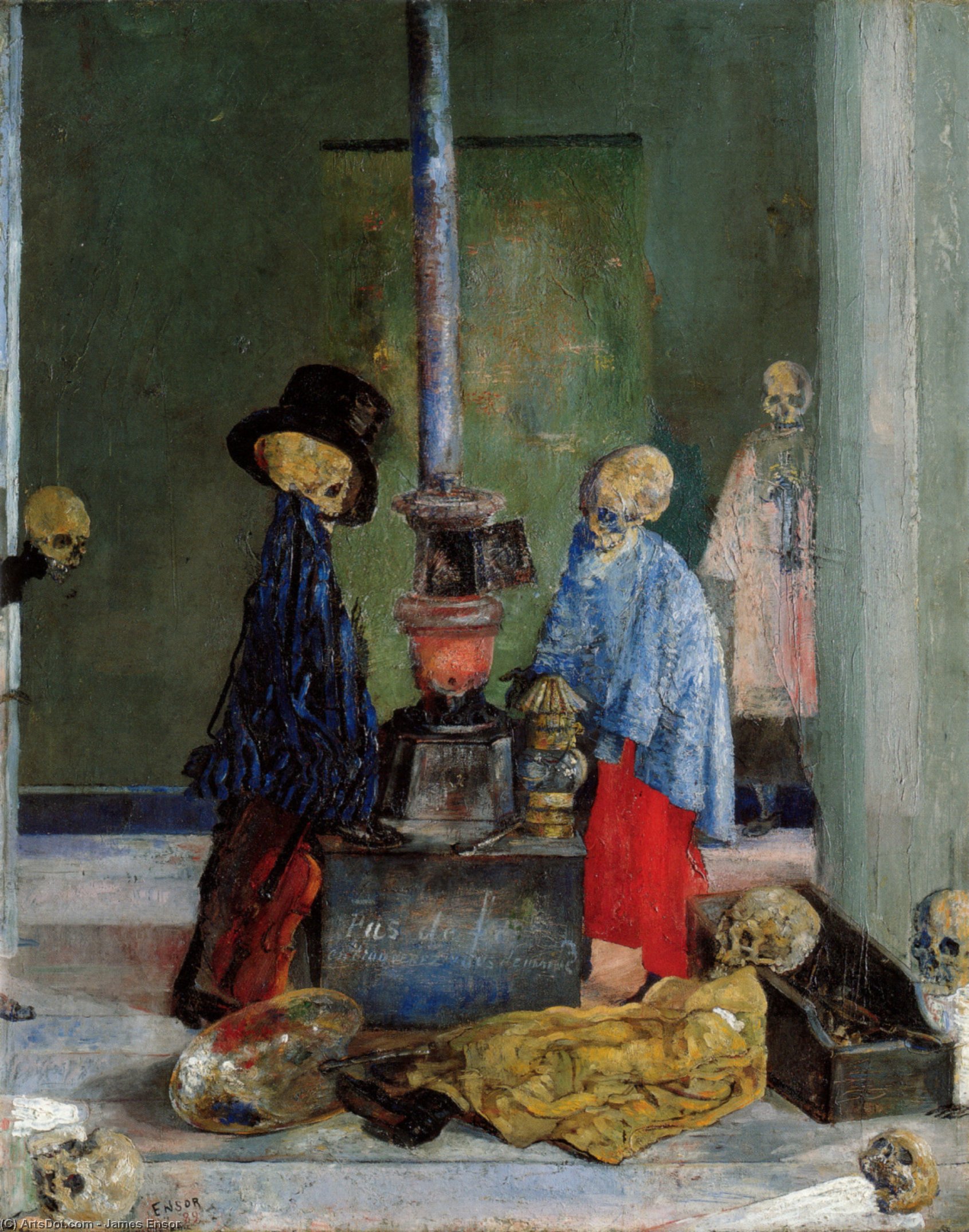
Skeletons Trying to Warm Themselves

James Ensor's 'Skeletons Trying to Warm Themselves' (1889) is a haunting black-and-white depiction of skeletal figures seeking warmth, reflecting the artist’s fascination with masks and unsettling themes. Explore this iconic work through a WahooArt reproduction.

გამოცენებული ბელგიელი მხატვარი და გრაფიკოსი ჯეიმ્સ კენსორი (1860-1949) იყო გამოქცეული სურათთა ისტორიიდან და მნიშვნელოვანი გავლენა exercează এক্সპრესიონიზმსა და სურ réalისმზე. აღმოჩენილია მისი ართმება და შეფასება მელანქოლიური სცენები მელანქოლიური სცენები მელანქოლიური სცენები მელანქოლიური სცენები მელანქოლიური სცენები მელანქოლიური სცენები მელანქოლიური სცენები მელანქოლიური სცენები მელანქოლიური სცენები

ხელით ნაკვეთი ზეთის ტილოს რეპროდუქცია

ტილოზე შესრულებული ფერწერიანი ზეთប្រდათი, თქვენთვის სასურველი ზომისა და ჩარჩოსთვის, ჩვენი ხელოვანების მიერ შეკვეთის საფუძველზე დამზადებული. (შეიძინეთ პრინტი შეიძინეთ პრინტიშეიძინეთ გამოსახულება შეიძინეთ გამოსახულება)

P118B $10
P118H $10
P118W $10
P438Z $10
P508JH $12
P508YH $12
P805H $10
P805Z $10
P919BZ $10
P919G $10
P919XJ $10
P959ZH $10
P968JZ $12
W106C $8
W218G $10
W218JH $8
W218Y $10
W307PJ $10
W316G $10
W316PJ $8
W316Y $10
W398PJ $8
W4111J $10
W500HY $15
W500JH $15
W692G $12
W849H $8
W940BG $15
W953PJ $8

სტანდარტული
სასურველი ზომის
CM
INCH

აირჩიეთ ჩვენს მიერ წინასწარ განსაზღვრული ზომებიდან, რომლებიც ნაწარმოების ორიგინალურ პროპორციებს შეესაბამება.

სიგანე
სიმაღლე

თქვენ შეგიძლიათ მიუთითოთ თქვენთვის სასურველი ზომები კონკრეტული ჩარჩოს ან სივრცის შესაბამისად. თუ თქვენ მიერ არჩეული ზომა არ შეესაბამება ორიგინალი გამოსახულების პროპორციებს, ჩვენ ან შევაჭრებთ ნაწარმოებს, ან ტილოზე დავამატებთ ხელით მოხატულ ელემენტებს. წარმოების დაწყებამდე, დამტკიცებისთვის გამოგეგზავნებათ ციფრული მაკეტი.
გთხოვთ, გაითვალისწინოთ, რომ ეკრანზე ნაჩვენები წინასწარი შეხედულება არ ასახავს რეალურ შეჭრას ან გაფართოებას. საბოლოო კომპოზიციას ზუსტად მხოლოდ მაკეტი წარმოაჩენს.
მიუხედავად იმისა, რომ შესაძლებელია ინდივიდუალური ზომების შერჩევა, ორიგინალური პროპორციების შენარჩუნებისათვის გირჩევთ, გამოიყენოთ წინასწარ განსაზღვრული სიის ზომები.

რა შეიძლება შეიცვალოს: სახის ჩანაცვლება მომხმარებლის ფოტოთი; შინაური ცხოველის დამატება (მაგ., კატის ჩანაცვლება ძაღლით); ფონზე ფარული შეტყობინების დამატება; ფონის პეიზაჟის ან ელემენტების შეცვლა.
შეკვეთის შემდეგ, WahooArt.com გუნდი დაგიკავშირდებათ ელექტრონული ფოსტით ინსტრუქციებისთვის და გამოგიგზავნით წინასწარ ნახაზს (mockup).

მიწოდება მსოფლიო მასშტაბით -ში 3/4 კვირაში, სტანდარტული 5 კვირის ნაცვლად. (27 აგვისტო). ხარისხზე კომპრომისის გაკეთება არ მოხდება.

why_choose_icon
უფასო ექსპრეს მიწოდება მთელ მსოფლიოში
why_choose_icon
საბამად მაღალი ხარისხის ტილო
why_choose_icon
სრული ტრანსპორტირების დაზღვევა
why_choose_icon
საბაჟო გადასახადების დაბრუნების გარანტია
why_choose_icon
ფერების სრული შესაბამისობის გარანტია
why_choose_icon
60-დღიანი დაბრუნების პოლიტიკა (მხოლოდ დეფექტის შემთხვევაში)
why_choose_icon
100% თანხის დაბრუნების გარანტია
why_choose_icon
ფასდაკლება დიდი რაოდენობით შეკვეთისას

ჯამური ღირებულება

$ 272

reproduction

Skeletons Trying to Warm Themselves

რეკლამაციის ტექნიკა

რეკლამაციის ზომა

-

საბოლოო ფასი

$ 272

მოკლე ინფორმაცია

  • Notable elements or techniques: Masks, skeletons
  • Medium: Paintings
  • Artist: James Ensor
  • Location: Private Collection
  • Title: Skeletons Trying to Warm Themselves
  • Artistic style: Grotesque, Symbolic
  • Influences:
    • Carnival
    • masks

ხელოვნების ტესტი

თითოეულ კითხვაზე მხოლოდ ერთი სწორი პასუხია.

კითხვა 1:
What is the primary atmosphere conveyed by James Ensor’s ‘Skeletons Trying to Warm Themselves’?
კითხვა 2:
The presence of masks in the painting is most likely referencing which aspect of James Ensor’s artistic practice?
კითხვა 3:
James Ensor is considered a pioneer of which artistic movements?

ნაწარმოების აღწერა

A Descent Into Shadow: James Ensor’s “Skeletons Trying to Warm Themselves”

James Ensor's "Skeletons Trying to Warm Themselves," painted in 1889, isn’t merely a depiction of morbid curiosity; it’s a profoundly unsettling exploration of mortality, social anxiety, and the desperate yearning for connection. This black-and-white image, born from the artist’s unique upbringing amidst the vibrant chaos of Ostend's seaside resort, immediately plunges the viewer into an atmosphere thick with unease. The scene unfolds within a sparsely furnished room dominated by a cold fireplace – a stark symbol of both warmth and oblivion. Skeletons, rendered in meticulous detail yet imbued with a palpable sense of vulnerability, are clustered around this meager source of heat, their bony fingers outstretched as if grasping for solace. Scattered skulls litter the floor and surfaces, further emphasizing the painting’s preoccupation with death and decay. Yet, amidst this grim tableau, a solitary figure stands observing – perhaps even participating in – this macabre ritual, adding an element of unsettling human presence to the scene. The overall effect is less a straightforward horror story and more a carefully constructed meditation on the fragility of existence and the universal desire for warmth, both physical and emotional, in the face of inevitable decline.

The Artist’s Crucible: Ensor's Unique Vision

James Ensor’s artistic journey was anything but conventional. Born in Ostend, Belgium, to an English father and a Belgian mother—a lineage that instilled within him a unique perspective on cultural duality—Ensor rejected the rigid constraints of academic art training early on. He found himself drawn instead to the vibrant, often unsettling world of carnivals and curiosities, experiences profoundly shaped by his parents’ souvenir shop brimming with masks, shells, and other peculiar objects. This childhood immersion in the theatrical and the bizarre would become a cornerstone of his artistic language. He initially enrolled at the Académie Royale des Beaux-Arts in Brussels, but quickly recognized that its prescribed methods stifled his burgeoning vision. Instead, he forged his own path, developing a highly personal style characterized by bold colors, distorted forms, and a deliberate rejection of traditional realism. This independent spirit is powerfully evident in “Skeletons Trying to Warm Themselves,” where Ensor abandons conventional representation in favor of a deeply symbolic and emotionally charged image.

Symbolism and the Language of Decay

The painting’s power lies not just in its unsettling subject matter, but also in the rich symbolism woven throughout the composition. The skeletons themselves represent mortality, of course, but their attempt to warm themselves speaks volumes about the human condition. They are desperately seeking comfort, connection, and a reprieve from the cold reality of death – desires that resonate deeply with viewers regardless of their beliefs. The scattered skulls serve as constant reminders of this inevitable fate, while the solitary observer introduces an element of judgment or perhaps even complicity in this ritualistic scene. The stark black-and-white palette further amplifies the painting’s emotional impact, stripping away any potential distractions and focusing attention on the raw, unsettling details. The use of light and shadow is particularly effective, highlighting the skeletal figures and creating a sense of claustrophobia within the confined space. Ensor masterfully employs these elements to evoke a profound feeling of melancholy and existential dread.

A Legacy of Innovation: Ensor’s Influence

“Skeletons Trying to Warm Themselves” stands as a pivotal work in James Ensor's oeuvre, and a significant precursor to both Expressionism and Surrealism. His willingness to challenge artistic conventions, his embrace of the grotesque, and his exploration of psychological themes paved the way for future generations of artists. Ensor’s influence can be seen in the works of artists like Edvard Munch and Max Ernst, who similarly sought to express inner turmoil through distorted imagery and symbolic representation. The painting's unsettling atmosphere and its focus on mortality continue to resonate with viewers today, cementing Ensor’s place as a visionary artist whose work remains both profoundly disturbing and undeniably captivating. WahooArt offers exceptional hand-painted reproductions of this iconic piece, allowing you to experience the full power and emotional depth of Ensor’s masterpiece in stunning detail.

მხატვრის ბიოგრაფია

James Ensor: A Pioneer of Expressionism and Surrealism

James Sidney Edouard, Baron Ensor (Ostend, 13 April 1860 – 19 November 1949) was a Belgian painter and printmaker who stands as one of the most influential figures in the development of Expressionism and Surrealism. Born into an English father and Belgian mother amidst the vibrant atmosphere of Ostend’s seaside resort town, Ensor’s upbringing profoundly shaped his artistic vision—a vision characterized by unsettling imagery, bold brushwork, and a relentless interrogation of human psychology.

Early Influences and Artistic Training

From a young age, Ensor demonstrated an innate talent for drawing and painting, nurtured by the encouragement of local artists. He attended the College of the Blessed Virgin in Ostend, immersing himself in the intellectual currents of his time. His formal artistic training at the Académie Royale des Beaux-Arts in Brussels exposed him to influential teachers like Jean Portales, fostering a critical engagement with academic conventions and propelling him toward a path of independent innovation.

The Emergence of Expressionist Style

A pivotal turning point arrived as Ensor’s palette shifted from somber realism to vibrant hues infused with psychological intensity. Influenced by Rembrandt, Francisco Goya, and Japanese woodcuts—artists who championed expressive techniques—Ensor embarked on a daring stylistic transformation. He rejected the prevailing Symbolist aesthetic, prioritizing raw emotion and visceral impact over decorative considerations.

Key Works and Recurring Themes

Ensor’s oeuvre is marked by a series of monumental paintings that continue to provoke debate and admiration. *The Scandalized Masks* (1883) captures the unsettling spectacle of carnival—a realm populated by grotesque masks concealing hidden identities and exposing societal hypocrisy. Perhaps his most iconic work, *Christ's Entry into Brussels* (1888–89), remains a searing indictment of religious dogma and social complacency—a painting that utilizes theatrical staging and jarring color combinations to convey profound psychological truths.

Legacy and Influence

James Ensor’s uncompromising artistic vision irrevocably altered the trajectory of modern art. He challenged established norms, embraced irrationality, and championed subjective experience—qualities that resonated deeply with artists who would follow in his footsteps. His pioneering use of expressive brushwork, coupled with his unflinching exploration of darkness and despair, solidified his position as a cornerstone of Expressionism and Surrealism—a legacy that continues to inspire artists today.

ჯეიმზ ინსორ

ჯეიმზ ინსორ

1860 - 1949 , ს ბელგია

მოკლე ინფორმაცია

  • Artistic Movement Or Style: Экспрессионизм и сюрреализм
  • Artists Who Influenced This Artist:
    • Брюгель Старший
    • Франсиско Гоя
    • Уистлер
  • Date Of Birth: April 13, 1860
  • Date Of Death: November 19, 1949
  • Full Name: James Sidney Edouard Ensor
  • Nationality: Бельгия
  • Notable Artworks:
    • Скаркализованные маски
    • Скелеты сражаются...
    • Христос входит в Брюссель
  • Place Of Birth: Ostend, Belgium
აღმოაჩინეთ ხელოვნების ნაწარმოებები თემების, სტილისა და მახასიათებლების მიხედვით დაჯგუფებული.