წინასწარი ნახვაწინასწარი ნახვა AR წინასწარი ნახვაAR წინასწარი ნახვა გადართვა ბეჭდზე გადართვა ბეჭდზეგადასვლა ციფრულ გამოსახულებაზე გადასვლა ციფრულ გამოსახულებაზე გაგზავნაგაგზავნა
დეტალებიდეტალები დამატება ფავორიტებში დამატება ფავორიტებში ჩამოტვირთვაჩამოტვირთვა მსგავსებიმსგავსები რენტგენოგრაფიული კვლევარენტგენოგრაფიული კვლევა სლაიდშოუსლაიდშოუ სტატისტიკასტატისტიკა

The Artists

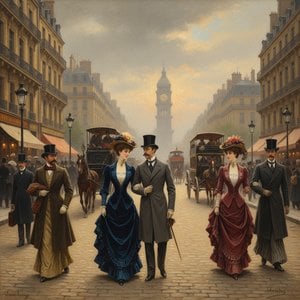
Admire Jacques Joseph Tissot’s masterpiece "The Artists," capturing Parisian elegance and Victorian society with stunning realism and Japonisme influences – a timeless depiction of artistic camaraderie.

სამეცნიერო მუშაობის და კალმების სტილისთვის ცნობილია ფრანგი მხატვარი ჟაკ დჟოზე ტისოტი და მისი მნიშვნელოვანი ნაწილი პლეს ბეიოკი და ვிகტორული მოდის სურათებია. აღმოჩენილი სტილი და იაპონიზმის გავლენა შემოიტანა მის მიერ და შეინახა ფრანგთა შორის ყველაზე გამორჩეული მხატვარი საუკუნეს მიმდებარე პერიოდში.

ხელით ნაკვეთი ზეთის ტილოს რეპროდუქცია

ტილოზე შესრულებული ფერწერიანი ზეთប្រდათი, თქვენთვის სასურველი ზომისა და ჩარჩოსთვის, ჩვენი ხელოვანების მიერ შეკვეთის საფუძველზე დამზადებული. (გადართვა ბეჭდზე გადართვა ბეჭდზეგადასვლა ციფრულ გამოსახულებაზე გადასვლა ციფრულ გამოსახულებაზე)

P118B $10
P118H $10
P118W $10
P438Z $10
P508JH $12
P508YH $12
P805H $10
P805Z $10
P919BZ $10
P919G $10
P919XJ $10
P959ZH $10
P968JZ $12
W106C $8
W218G $10
W218JH $8
W218Y $10
W307PJ $10
W316G $10
W316PJ $8
W316Y $10
W398PJ $8
W4111J $10
W500HY $15
W500JH $15
W692G $12
W849H $8
W940BG $15
W953PJ $8

სტანდარტული
სასურველი ზომის
CM
INCH

აირჩიეთ ჩვენს მიერ წინასწარ განსაზღვრული ზომებიდან, რომლებიც ნაწარმოების ორიგინალურ პროპორციებს შეესაბამება.

სიგანე
სიმაღლე

თქვენ შეგიძლიათ მიუთითოთ თქვენთვის სასურველი ზომები კონკრეტული ჩარჩოს ან სივრცის შესაბამისად. თუ თქვენ მიერ არჩეული ზომა არ შეესაბამება ორიგინალი გამოსახულების პროპორციებს, ჩვენ ან შევაჭრებთ ნაწარმოებს, ან ტილოზე დავამატებთ ხელით მოხატულ ელემენტებს. წარმოების დაწყებამდე, დამტკიცებისთვის გამოგეგზავნებათ ციფრული მაკეტი.
გთხოვთ, გაითვალისწინოთ, რომ ეკრანზე ნაჩვენები წინასწარი შეხედულება არ ასახავს რეალურ შეჭრას ან გაფართოებას. საბოლოო კომპოზიციას ზუსტად მხოლოდ მაკეტი წარმოაჩენს.
მიუხედავად იმისა, რომ შესაძლებელია ინდივიდუალური ზომების შერჩევა, ორიგინალური პროპორციების შენარჩუნებისათვის გირჩევთ, გამოიყენოთ წინასწარ განსაზღვრული სიის ზომები.

რა შეიძლება შეიცვალოს: სახის ჩანაცვლება მომხმარებლის ფოტოთი; შინაური ცხოველის დამატება (მაგ., კატის ჩანაცვლება ძაღლით); ფონზე ფარული შეტყობინების დამატება; ფონის პეიზაჟის ან ელემენტების შეცვლა.
შეკვეთის შემდეგ, WahooArt.com გუნდი დაგიკავშირდებათ ელექტრონული ფოსტით ინსტრუქციებისთვის და გამოგიგზავნით წინასწარ ნახაზს (mockup).

მიწოდება მსოფლიო მასშტაბით -ში 3/4 კვირაში, სტანდარტული 5 კვირის ნაცვლად. (10 სექტემბერი). ხარისხზე კომპრომისის გაკეთება არ მოხდება.

why_choose_icon
უფასო ექსპრეს მიწოდება მთელ მსოფლიოში
why_choose_icon
საბამად მაღალი ხარისხის ტილო
why_choose_icon
სრული ტრანსპორტირების დაზღვევა
why_choose_icon
საბაჟო გადასახადების დაბრუნების გარანტია
why_choose_icon
ფერების სრული შესაბამისობის გარანტია
why_choose_icon
დაბრუნების 100-დღიანი პოლიტიკა (მხოლოდ დეფექტის შემთხვევაში)
why_choose_icon
100% თანხის დაბრუნების გარანტია
why_choose_icon
ფასდაკლება დიდი რაოდენობით შეკვეთისას

ჯამური ღირებულება

$ 272

reproduction

The Artists

რეკლამაციის ტექნიკა

რეკლამაციის ზომა

-

საბოლოო ფასი

$ 272

მოკლე ინფორმაცია

  • Title: The Artists
  • Subject or theme: Social Gathering, Victorian Women
  • Influences: Japonisme
  • Movement: Impressionism
  • Year: 1885
  • Medium: Oil on Canvas
  • Dimensions: 146 x 101 cm

ხელოვნების ტესტი

თითოეულ კითხვაზე მხოლოდ ერთი სწორი პასუხია.

კითხვა 1:
What is the primary subject matter of Jacques Joseph Tissot’s painting "The Artists"?
კითხვა 2:
The painting showcases prominent figures from the art world, including Auguste Rodin. What artistic style is most characteristic of Rodin’s portrayal?
კითხვა 3:
What cultural movement influenced Tissot's artistic style, particularly evident in the depiction of Parisian society?
კითხვა 4:
The painting captures a moment in time—the eve of the Salon exhibition. What was the significance of the Salon exhibition during Tissot’s era?
კითხვა 5:
What is Tissot’s painting "The Artists" primarily concerned with?

A Parisian Tableau: The Vibrancy of Belle Époque Life

In his 1885 masterpiece, "The Artists," Jacques Joseph Tissot invites us to step through a portal into the heart of late 19th-century Paris. This is not merely a painting; it is a sensory experience that captures the electric atmosphere of the Ledoyen Restaurant during the pre-opening celebrations of the Salon exhibition. Through his masterful use of oil on linen, Tissot reconstructs a moment of bohemian splendor, where the clinking of glasses and the hum of intellectual debate seem almost audible to the viewer. The canvas serves as a window into a world defined by conviviality, where the boundaries between social classes and artistic disciplines blurred under the warm, flickering glow of candlelight.

The composition is a triumph of narrative depth, guiding the eye through a bustling landscape of figures engaged in the intimate rituals of dining and discourse. Tissot’s ability to render the textures of fine fabrics, the sheen of polished silverware, and the soft translucency of skin creates a sense of profound realism. As we gaze upon the scene, we find ourselves amidst a gathering of legends; the imposing, sculpted presence of Auguste Rodin anchors the center of the frame, his weathered features suggesting a lifetime of creative struggle and triumph. Nearby, the quiet confidence of Camille Claudel adds a layer of poignant grace, reminding us that the spirit of the Belle Époque was fueled by both masculine strength and feminine brilliance.

Technique and the Art of Social Observation

Tissot’s technical prowess lies in his delicate balance between Academic precision and the burgeoning influence of Impressionism. While his training at the École des Beaux-Arts provided him with a rigorous command over anatomy and light, he was not afraid to embrace the fleeting, atmospheric qualities that defined his era. The way light dances across the tables, illuminating plates of food and the elegant attire of the patrons, demonstrates a sophisticated understanding of chiaroscuro. This interplay of shadow and brilliance does more than just create depth; it imbues the scene with a sense of movement, as if a sudden breeze or a passing waiter might disrupt the frozen moment.

For the discerning collector or interior designer, "The Artists" offers an unparalleled opportunity to introduce a piece of historical grandeur into a contemporary space. The painting’s large-scale presence (146 x 101 cm) makes it a commanding focal point, capable of anchoring a room with its rich color palette and complex narrative. Whether placed in a sophisticated study, a grand dining hall, or a curated gallery wall, a high-quality reproduction of this work brings with it the prestige of the Parisian salon. It is an investment in atmosphere, offering a timeless elegance that celebrates the enduring human connection to art, culture, and the simple joy of shared company.

დაკავშირებული ნამუშევრები


მხატვრის ბიოგრაფია

Early Life and Artistic Beginnings

Jacques Joseph Tissot, born October 15, 1836, in Nantes, France, was destined for a life steeped in artistic passion from his earliest years. His father, a drapery merchant, instilled in him an appreciation for craftsmanship and detail—qualities that would profoundly shape his artistic vision. Simultaneously, his mother, a milliner, nurtured his sensitivity to beauty and fashion, exposing him to the vibrant world of Parisian society. Despite familial responsibilities, Tissot relentlessly pursued his artistic ambitions, enrolling at the École des Beaux-Arts in Paris where he honed his skills under the tutelage of luminaries like Ingres, Flandrin, and Lamothe. This formative period cemented his commitment to painting as a vocation and established him firmly within the influential Parisian art milieu.

The Salon Years and Recognition

Tissot’s debut at the Paris Salon in 1861 marked a pivotal moment—the unveiling of “The Meeting of Faust and Marguerite,” a dramatic tableau that captivated audiences and garnered considerable acclaim from critics. Purchased by the state for inclusion in the Luxembourg Gallery, this ambitious undertaking signaled Tissot's burgeoning reputation as a painter capable of capturing complex narratives and conveying profound emotion. Subsequent Salon exhibitions solidified his position within the artistic establishment, showcasing his evolving style and attracting commissions from prominent patrons. His early successes fueled confidence and propelled him toward exploring new subjects and techniques—a trajectory that would ultimately define his illustrious career.

Genre Painting and Parisian Society

Tissot’s artistic breakthrough arrived with his series “La Femme à Paris,” a meticulously observed depiction of the demi-mondaine world of late Victorian London. These paintings, characterized by their luminous color palettes and masterful rendering of textures—particularly fabrics—became synonymous with capturing the allure and dynamism of Parisian high society. Tissot's meticulous attention to detail extended beyond mere visual representation; he sought to convey not only appearances but also psychological nuances, reflecting the anxieties and aspirations of his subjects. His work stands as a testament to Impressionistic influences blended with realism, offering an unparalleled glimpse into the social customs and artistic sensibilities of the Belle Époque.

Biblical Themes and Japonisme

Throughout his prolific output, Tissot embraced diverse artistic inspirations—ranging from medieval narratives to biblical scenes—demonstrating remarkable versatility. His depictions of religious subjects, imbued with spiritual depth and emotional resonance, showcased his ability to elevate visual storytelling into profound contemplation. Simultaneously, he was captivated by Japonisme—the fascination with Japanese art and aesthetics that swept across Europe during the Victorian era—evident in compositions infused with asymmetrical arrangements and subtle color harmonies reminiscent of Japanese prints. This stylistic fusion underscored Tissot’s intellectual curiosity and his willingness to experiment with innovative artistic approaches.

Later Years and Legacy

Tissot's life took a dramatic turn when he enlisted in the Franco-Prussian War, serving on the French side—an experience that undoubtedly shaped his worldview. Following the war’s conclusion, he relocated to London where he pursued etching alongside Sir Seymour Haden and honed his artistic skills through portrait commissions and caricatures for Vanity Fair. His relationship with Kathleen Newton blossomed into a passionate companionship, providing him with enduring inspiration for numerous paintings. Tragically, Newton succumbed to tuberculosis in 1882—a profound loss that deeply affected Tissot’s creative output. Despite this sorrowful chapter, he continued to produce exceptional artwork until his death in 1902. Today, Jacques Joseph Tissot's legacy resides in museums across Europe and North America—most notably the Musée National Jean-Jacques Henner in Paris—where his celebrated paintings continue to inspire admiration for their artistic brilliance and evocative portrayal of Victorian life and faith. His enduring influence on genre painting and Impressionism secures his place as one of France’s most distinguished artists of the 19th century.
ჟაკ შეშო ტისოტი

ჟაკ შეშო ტისოტი

1836 - 1902 , ᲤᲠᲔᲜᲓᲔᲔᲡᲔᲐ

მოკლე ინფორმაცია

  • Artistic Movement Or Style: ჟანრის მხატვრობა
  • Artists Who Influenced This Artist:
    • ჟან-อูგესต์ ინ그레스ი
    • guérisonსტ დ კურბეტი
  • Date Of Birth: ოქტომბერი 15, 1836
  • Date Of Death: აგვისტო 8, 1902
  • Full Name: Jacques Joseph Tissot
  • Nationality: საფრान्सელი
  • Notable Artworks:
    • ფაუსტისა და მარგარიტის შეხვედრა
    • ლადெმ ბარი
  • Place Of Birth: ნანტიஸ், საფრान्सი