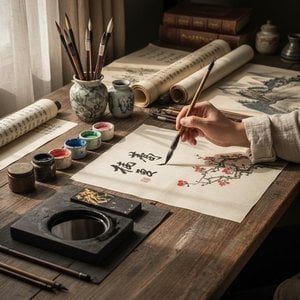
კიოტოს ვაჭრის ხედვა: იტო ჯაკუჩუს სამყარო
1716 წელს, კიოტოს ხმაურიან ნიშიკის ბაზრის რაიონში, იტო ჯაკუჩუ იაპონიის ერთ-ერთ ყველაზე ორიგინალურ და მომხიბვლელ ხელოვანს წარმოიშვა. განსხვავებით მისი თანამედროვეებისგან, რომლებიც დამკვიდრებულ სახელმძღვანელო ტრადიციებს მიჰყვებოდნენ, ჯაკუჩუს გზა უნიკალურად იყო ფორმირებული მისი ოჯახის წარმატებული ვაჭრობით და ზენ ბუდიზმის ფილოსოფიასთან ღრმა, პერსონალური კავშირით. მისი მამა, იტო გენზაძემონ, წარმატებული მარკეტერი იყო, რამაც ახალგაზრდა ჯაკუჩუს კომფორტული აღზრდა უზრუნველყო და საშუალება მისცა, ადრეულ ასაკშივე განევითარებინა თავისი მზარდი ნიჭი ფერწერაში. თუმცა, ამ კომერციულმა გარემომ მასში ასევე დათესა საზოგადოებრივი ცვლილებების გაცნობიერება და კიოტოს ვაჭრობის კლასის მზარდი გავლენის აღქმა — პერსპექტივა, რომელიც შეუმჩნევლად განსაზღვრავდა მის მხატვრულ ხედვას. მიუხედავად იმისა, რომ მას ოჯახური ბიზნესის მემკვიდრეობა ელოდა, ჯაკუჩუს ვნება სხვაგან მდებარეობდა: ის მიზნად ისახავდა სიცოცხლის არსის დაჭერას ფუნჯისა და ტუშით. 23 წლის ასაკში მამის გარდაცვალების შემდეგ, ჯაკუჩუ მცირე ხნით მართავდა მაღაზიას, სანამ მას ძმას გადასცემდა და საბოლოოდ მთლიანად ხელოვნებისადმი მონდომებას მიუძღვნიდოდა.
ტრადიციასთან გან{%break%}სხვავება: სტილი და თემატიკა
იტო ჯაკუდის მხატვრული სტილი წარმოადგენს მეტსახესად ფასდადსახები რეალიზმისა და თამამი ექსპერიმენტულობის შერწყმას. მიუხედავად იმისა, რომ მისი ნამუშევრები ღრმად არის ფესვგადგმული ტრადიციულ იაპონურ თემებში — განსაკუთრებით ფრინველებში, ყვავილებსა და პეიზაჟებში — მან თავის შემოქმედებაში ისეთი ინოვაციური სული შემოიტანა, რამაც იგი თანამედროვეთებისგან გამოარჩინა. იგი მარუიამა ოკიოს გვერდით გაითვალისწინა რეალისტური გამოსახულებებით, თუმცა ჯაკუჩუ ბუნების უბრალო იმიტაციას სცდა. მისი ტილოები ხასიათდება მკვეთრი ფერებით, დინამიკური კომპოზიციებითა და ტრადიციული პერსპექტივის გამოწვევის სურვილით.
ქათმები, კერძოდ, მისი შემოქმედების განმეორებადი მოტივი გახდა, რაც უბრალო ფერმერულ ცხოველებს ღრმა მხატვრული კვლევის საგნის სტატუსამდე ამაღლდა. ის არ ხატავდა მხოლოდ იმას, *რასაც* ხედავდა, არამედ იკვლევდა თითოეული არსების შინაგანი სიცოცხლისუნარიანობისა და ხასიათის სიმჭიდროვეს. ფრინველების მიღმა, ჯაკუჩუს ნამუშევრები ხშირად ასახავს ზენ ბუდიზმის თემებს — ჭვრეტის სიმშვიდეს, წარმავალობის აღიარებას და ბუნებრივი სამყაროს მოკრძალებას. მისი ცნობილი
ლობიოს ვაზი, მაგალითად, არ არის მხოლოდ ბოტანიკური კვლევა, არამედ მედიტაცია ზრდაზე, გახრწნასა და ყოველივე არსის ურთიერთკავშირზე. მისი ოსტატური მრავალფეროვანი ფერების გამოყენება — *doshoku sai-e* — განსაკუთრებით აღიარებულია, რაც წარმოაჩენს დეტალებზე არაჩვეულებრივ ყურადღებას და იმგვარ მკვეთრ პალიტრას, რომელიც იშვიათად გვხვდება იმ პერიოდის იაპონურ ფერწერაში.
ზენის გავლენა და მხატვრული განვითარება
ზენ ბუდიზმის გავლენა ჯაკუჩუს ხელოვნებაზე უდავოა. იგი კიოტოს შოკოკუ-ჯის ტაძრის lay brother-ად (*koji*) იქცა, რამაც მას საშუალება მისცა ჩაფლულიყო ზენის პრინციპებში, რომლებიც ხაზს უსვამდნენ პირდაპირ გამოცდილებას, ინტუიციას და განათლების ძიებას ჭვრეტის გზით. ამ სულიერმა საფუძველმა ღრმად შეცვალა მისი მხატვრული მიდგომა, რაც ხელს უწყობდა სამდ world-სგან დისტანცირებას და ყურადღების ფოკუსირებას საკუთარი სუბიექტების არსის დაჭერაზე. ამბობენ, რომ მან სპეციალური ნებართვაც კი მიიღო ტაძრის კოლექციაში არსებული კლასიკური ჩინური ფერწერის შესასწავლად, რითაც შეითვისა საუკუნეთა მხატვრული ტრადიცია და ამავდროულად შექმნა საკუთარი უნიკალური გზა. მიუხედავად იმისა, რომ ჯაკუჩუ თავდაპირველად ოოკას შუნბოკოსთან სწავლობდა, რომელიც კანოს სკოლის ხელოვან იყო და ფრინველებისა თუ ყვავილების ფერწერაში სპეციალიზებული, მან სწრაფად გადალახა ტრადუციული სწავლება და შეიმუშავა იდიოსინკრაზული სტილი, რომელიც რთულად ექვემდებარებოდა მარტივ კატეგორიზაციას. მისი მზაობა დამკვიდრებული ნორმების დარღვევისთვის მას „ექსცენტრიკოსთა ტრადიციას“ დაუკავშირა — მოძრაობას, რომელიც ნობუო ტსუჯის გავლენიან წიგნში *Kisō no Keifu* (ექსცენტრიკოსთა ტრადცია) არის წარმოჩენილი. ეს ნაშრომი მხარს უჭერდა ხელოვანებს, რომლებიც ეჭვქვეშ აყენებდნენ მხატვრულ კონვენციებს, რითაც ჯაკუჩუს ადგილი დაამკვიდრა იაპონური ხელოვნების ისტორიაში, როგორც საკვანძო ფიგურის.
მემკვიდრეობა და ხელახალი აღმოჩენა
მიუხედავად მისი ნიჭისა და თავდადებისა, იტო ჯაკუჩუ სიცოცხლის მანძილზე შედარებით ნაკლებად ცნობილი დარჩა. მხოლოდ მე-20 საუკუნეში დაიწყო მისი ნამუშევრების ფართო აღიარება, ძირითადად ტსუჯის მეცნიერული შრომის წყალობით, რამაც რევოლუცია მოახდინა ედოს პერიოდის ფერწერის აღქმაში. ტსუჯის მიერ ჯაკუჩუს წარმოჩენა, როგორც „ექსცენტრიკოსთა ტრადიციის“ საკვანძო ფიგურისა, გამოიწვია მისი ხელოვნებისადმი ინტერესის განახლება და იგი იაპონიის ერთ-ერთ ყველაზე მნიშვნელოვან და ინოვაციურ ფერწერად აქცია. მისი გავლენა ასევე ჩანს
Ukiyo-e-ს განვითარებაში, ხის ბლოკზე დაწერილი პრინტების პოპულარულ ჟანრში, რაც მოწმობს მის ფართო გავლენას იაპონურ მხატვრულ კულტურაზე. ჯაკუჩუს მზაობამ ექსპერიმენტებისთვის პერსპექტივაში, ფერებსა და თემატიკაში, გზა გაუკვალა მომავალ თაობებს, რათა მათ შეეძლოთ კონვენციების გამოწვევა და ახალი შემოქმედებითი შესაძლებლობების ძიება. 1766 წელს ზენ მონაზრის, დაიტენ კენჯოს მიერ დაწერილი ბიოგრაფია ღრმა ინფორმაციას იძლევა ჯაკუჩუს მხატვრულ ფილოსოფიაზე; იგი ააშკარავებს ადამიანური ფიგურების შეგნებულ არჩევას — არჩევანს, რომელიც ხაზს უსვამს მის ფოკუსირებას ბუნებრივ სამყადროსა და მის შინაგანი სილამაზეზე. დღეს იტო ჯაკუჩუ აღიარებულია არა მხოლოდ მისი ტექნიკური ოსტატობისთვის, არამედ მისი უნიკალური ხედვისთვის — ხელოვანისა, რომელმაც გაბედა საკუთარი გზის გაკვალვა და თავისი ეპოქის სულის დაჭერა შეუდარებელი ორიგინალურობით.
შესახსენებელი ნამუშევრები
- ხუთასი არხატები: მონუმენტური ნამუშევარი, რომელიც წარმოაჩენს ჯაკუჩუს არაჩვეულებრივ უნარსა და თავდადებას.
- ჰანსანი და შიდე (კანზანი და ჯიტოკუ): აჩვენებს მის უნარს, დაიჭიროს იაპონური კულტურისა და ფოლკლორის არსი.
- კრაბები და პეონები: მისი დამახასიათებელი სტილის ავთენტური მაგალითი, სადაც დეტალების სიზუსტე და მკვეთრი ფერები ერთიანდება.
- ლობიოს ვაზი: sumi-e-ს შედევრი, რომელიც განასახიერებს ზენის ფილოსოფიას და აჩვენებს რთულ დეტალებს.
- ორი კრანი: წარმოაჩენს მის მხატვრულ სიმკვეთრეს ფრინველთა თემების გრაციულად და ზუსტად გამოსახვაში.
- ძველი ფიჭვი: შთამბეჭდავი ნამუშევარი, რომელიც დემონსტრირებს მის ოსტატურ ფუნჯის ტექნიკას (101 x 40 სმ, აბრეშუმი).



 ნახვა ინტერьерში
 გადართვა ბეჭდვის რეჟიმზე
 გაგზავნა
 გაზიარება
 დეტალები
 გზამკვლევი

 ჩამოტვირთვა
 მსგავსები
 რენტგენოგრაფიული კვლევა
 სლაიდშოუ
 სტატისტიკა


 სრული ტექსტის ნახვა






































 მინის ჩარჩოს არჩევანი ხელმისაწვდომია მხოლოდ 110 სმ-მდე ზომისთვის