


მუზეუმის დონის ჟიკლე ან ტილოზე ბეჭდვა სწრაფი წარმოებისა და დასრულების მოქნილი ვარიანტებით. ( შეიძინეთ ხელით შესრულებული ნახატი გადართვა ციფრულ გამოსახულებაზე)





























აირჩიეთ ჩვენს მიერ წინასწარ განსაზღვრული ზომებიდან, რომლებიც ნაწარმოების ორიგინალურ პროპორციებს შეესაბამება.

შეიყვანეთ თქვენთვის საჭირო სიგანე და სიმაღლე, რათა გამოსახულებამ თქვენს ჩარჩოს ან კედელს ზუსტად მოერგოს. ბეჭდვისას შესაძლებელია მხოლოდ მისი შემცირება და არა გაზრდა, ამიტომ სხვა ფორმის ზომის შემთხვევაში სურათი ნაწილობრივ იკარგება. სანამ რაიმეს დაბეჭდავთ, ჩვენ გამოგიგზავნით ციფრულ მაკეტს დასდასტურებლად. ამ გვერდზე ნაჩვენები სურათი არ ასახავს რეალურ ჭრას — ამას მხოლოდ მაკეტი გვიჩვენებს.
მიწოდება მთელ მსოფლიოში () 2 კვირაში, სტანდარტული 4/5 კვირის ნაცვლად. (8 ნოემბერი)
Haystacking
რეპროდუქციის ზომა
In the vast tapestry of Russian landscape painting, few works capture the ephemeral intersection of human toil and natural majesty as poignantly as Isaak Ilyich Levitan’s “Haystacking.” Painted in 1900, this oil on panel masterpiece serves as a profound meditation on the rhythms of rural existence. The scene unfolds across a sun-drenched field, where golden haystacks punctuate the landscape like silent monuments to the harvest. Yet, beneath this surface of pastoral peace, there is an unmistakable tension; a brooding, heavy sky hangs pregnant with the promise of impending rain, casting a soft, diffused light that blankets the earth. This interplay between the warmth of the sunlit grain and the cool, atmospheric weight of the clouds creates a visual dialogue that is both breathtaking and deeply moving.
As one gazes upon the canvas, the eye is drawn to the figures scattered throughout the meadow—men and women united in the collective endeavor of stacking the harvest. Their presence is not merely decorative but essential, embodying the resilience and communal spirit of the countryside. Levitan does not present them as isolated subjects, but as integral components of the landscape itself, their labor mirroring the seasonal cycles of the earth. For the collector or interior designer, this piece offers more than just a beautiful image; it provides a window into a vanished way of life, where the boundaries between human activity and the natural world were seamlessly intertwined.
Technically, “Haystacking” is a triumph of Impressionistic resonance. Levitan, a master of what is often termed the "mood landscape," eschews rigid, photographic precision in favor of capturing the fleeting essence of a moment. His brushwork is loose and expressive, allowing light to dance across the blades of grass and through the heavy atmosphere. By skillfully blending a palette dominated by vibrant yellows and somber blues, he evokes a sensory experience that transcends sight; one can almost feel the humidity in the air and the dry texture of the hay. This masterful manipulation of color is central to the painting's emotional depth, oscillating between the tranquil warmth of the sun and an underlying sense of melancholy.
This duality—the coexistence of peace and unrest—is what makes Levitan’s work so enduringly captivating. The painting does not merely depict a field; it translates a feeling. It speaks to the transient nature of beauty and the quiet strength found in persistence. For those seeking to adorn a space with art that inspires contemplation, “Haystacking” offers a sophisticated emotional anchor. Its ability to evoke both serenity and a reflective, soulful nostalgia makes it an exquisite choice for high-end interiors, providing a focal point that invites viewers to pause, breathe, and reconnect with the profound beauty of the natural world.
"Haystacking" ისააკ ილიხ ლევიტანი-ის Russian Landscape painters სტილის ნამუშევარია, რომლის ძირითად თემებს შორის არის savrasov’s influence, rural harmony, nostalgia, landscape soul, artistic legacy."
ისააკ ილიხ ლევიტანი-ის „Haystacking“ რეკომენდებულია, როგორც საჩუქარი Anniversary-ისთვის, განსაკუთრებით Accent-ისთვის. ამ ნამუშევრის რეპროდუქცია შესანიშნავი არჩევანია საჩუქრად.
ისააკ ილიხ ლევიტანი-ის „Haystacking“-ის სტატისტიკა გვერდი წარმოადგენს საჯარო ვიზიტების სტატისტიკას: ამ ნამუშევრის ყოველთვიურ ნახვებს, შედარებას ხელოვანის ყველაზე პოპულარულ ნამუშევრებთან და იმას, თუ საიდან მოდიან მისი დამთვალიერებლები.


1860 - 1900 , ლი თ ჰ უ ნ ი ა
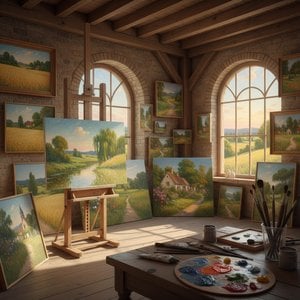
Discover the profound tranquility of rural art through an expert exploration of Impressionist landscapes. From pastoral scenes to textured oil masterpieces, learn how timeless nature-inspired artworks bring enduring elegance and serenity to sophisticated collectors.

Explore the ethereal beauty of Impressionist landscapes. Discover how masters like Monet captured fleeting light through color and texture, and learn to curate these timeless, luminous masterpieces for your home collection.

Elevate your personal landscapes into breathtaking Impressionist oil masterpieces. WahooArt transforms your cherished photos into museum-quality, hand-painted treasures through academic artistry and premium craftsmanship. Invest in a timeless legacy for your home today.

Discover the profound emotional depth of Post-Impressionist landscapes. Explore how masters like Van Gogh revolutionized art through vibrant color, textured impasto, and symbolic expression in this expert guide to the movement that redefined modern art history.
 წინასწარი ნახვა
 გაგზავნა
 გაზიარება
 დეტალები
 გზამკვლევი

 ჩამოტვირთვა
 მსგავსები
 რენტგენოგრაფიული კვლევა
 სლაიდშოუ
 კითხვა-პასუხი
 სტატისტიკა


 გააგრძელეთ კითხვა









 მინის ჩარჩოს არჩევანი შესაძლებელია მხოლოდ 110 სმ-მდე ზომისთვის


