ნახვა ინტერьерში ნახვა AR რეჟიმში შეიძინეთ ხელით შესრულებული ნახატი გადასვლა ციფრულ გამოსახულებაზე გაგზავნა
დეტალები გზამკვლევი დამატება ფავორიტებში ჩამოტვირთვა მსგავსები რენტგენოგრაფიული კვლევა სლაიდშოუ სტატისტიკა

Wandering Minstrels

Hubert Robert's "Wandering Minstrels" captures a lively Parisian scene with statues and musicians amidst a fantastical landscape, showcasing the artist’s mastery of light & illusion.

ჰუბერტ რობერტი (1733-1808): ფრანგი მხატვარი, რომელიც ცნობილია ხარუკი და ლანდშაფტებით. მისი ნამუშევრები აერთიანებს ისტორიას, წარმავლობასა და უნიკალურ იმიტომორობას. აღმოაჩინეთ მისი ხელოვნება!

გიკლე / ხელოვნების პრინტი

მუზეუმის დონის ჟიკლე ან ტილოზე ბეჭდვა სწრაფი წარმოებისა და დასრულების მოქნილი ვარიანტებით. ( შეიძინეთ ხელით შესრულებული ნახატი გადასვლა ციფრულ გამოსახულებაზე)

Corner sample of the P118B picture frame: moulded polystyrene, 5 cm wide and 3 cm thick
P118B ₾10
Corner sample of the P118H picture frame: moulded polystyrene, 5 cm wide and 3 cm thick
P118H ₾10
Corner sample of the P118W picture frame: moulded polystyrene, 5 cm wide and 3 cm thick
P118W ₾10
Corner sample of the P438Z picture frame: moulded polystyrene, 5.5 cm wide and 3.5 cm thick
P438Z ₾10
Corner sample of the P508JH picture frame: moulded polystyrene, 7 cm wide and 3.5 cm thick
P508JH ₾12
Corner sample of the P508YH picture frame: moulded polystyrene, 7 cm wide and 3.5 cm thick
P508YH ₾12
Corner sample of the P805H picture frame: moulded polystyrene, 5 cm wide and 3.5 cm thick
P805H ₾10
Corner sample of the P805Z picture frame: moulded polystyrene, 5 cm wide and 3.5 cm thick
P805Z ₾10
Corner sample of the P919BZ picture frame: moulded polystyrene, 7 cm wide and 3.5 cm thick
P919BZ ₾10
Corner sample of the P919G picture frame: moulded polystyrene, 7 cm wide and 3.5 cm thick
P919G ₾10
Corner sample of the P919XJ picture frame: moulded polystyrene, 7 cm wide and 3.5 cm thick
P919XJ ₾10
Corner sample of the P959ZH picture frame: moulded polystyrene, 5 cm wide and 3 cm thick
P959ZH ₾10
Corner sample of the P968JZ picture frame: moulded polystyrene, 6 cm wide and 4 cm thick
P968JZ ₾12
Corner sample of the W106C picture frame: solid wood, 5 cm wide and 3 cm thick
W106C ₾8
Corner sample of the W218G picture frame: solid wood, 5 cm wide and 3 cm thick
W218G ₾10
Corner sample of the W218JH picture frame: solid wood, 5 cm wide and 3 cm thick
W218JH ₾8
Corner sample of the W218Y picture frame: solid wood, 5 cm wide and 3 cm thick
W218Y ₾10
Corner sample of the W307PJ picture frame: solid wood, 6 cm wide and 3 cm thick
W307PJ ₾10
Corner sample of the W316G picture frame: solid wood, 6 cm wide and 3 cm thick
W316G ₾10
Corner sample of the W316PJ picture frame: solid wood, 6 cm wide and 3 cm thick
W316PJ ₾8
Corner sample of the W316Y picture frame: solid wood, 6 cm wide and 3 cm thick
W316Y ₾10
Corner sample of the W398PJ picture frame: solid wood, 5 cm wide and 3 cm thick
W398PJ ₾8
Corner sample of the W4111J picture frame: solid wood, 6.5 cm wide and 3.5 cm thick
W4111J ₾10
Corner sample of the W500HY picture frame: solid wood, 7 cm wide and 5 cm thick
W500HY ₾15
Corner sample of the W500JH picture frame: solid wood, 7 cm wide and 5 cm thick
W500JH ₾15
Corner sample of the W692G picture frame: solid wood, 8 cm wide and 4 cm thick
W692G ₾12
Corner sample of the W849H picture frame: solid wood, 5 cm wide and 3 cm thick
W849H ₾8
Corner sample of the W940BG picture frame: solid wood, 7.5 cm wide and 4.5 cm thick
W940BG ₾15
Corner sample of the W953PJ picture frame: solid wood, 6 cm wide and 3.5 cm thick
W953PJ ₾8

სტანდარტული ზომა
ინდივიდუალური ზომა
CM
INCH

აირჩიეთ ჩვენს მიერ წინასწარ განსაზღვრული ზომებიდან, რომლებიც ნაწარმოების ორიგინალურ პროპორციებს შეესაბამება.

სიგანე
სიმაღლე

თქვენ შეგიძლიათ მიუთითოთ საკუთარი ზომები კონკრეტული ჩარჩოსთვის ან სივრცისთვის მოსარგებლებლად. თუ თქვენ მიერ არჩეული ზომა არ შეესაბამება ორიგინალი გამოსახულების პროპორციებს, ჩვენ ან დავჭრით ნამუშევარს, ან გავაფართოვებთ გამოსახულებას სარკული ან ერთფეროვანი კიდეებით. წარმოების დაწყებამდე თქვენს დასამტკიცებლად გამოგეგზავნებათ ციფრული მაკეტი.
გთხოვთ, გაითვალისწინოთ, რომ ეკრანზე ნაჩვენები წინასწარი ნახვა არ ასახავს რეალურ ჭრას ან გაფართოებას. მხოლოდ მაკეტზე იქნება ზუსტად წარმოდგენილი საბოლოო კომპოზიცია.
მიუხედავად იმისა, რომ ინდივიდუალური ზომები ხელმისაწვდომია, ორიგინალური პროპორციების შესანარჩუნებლად გირჩევთ, აირჩიოთ ზომა წინასწარ განსაზღვრული სიისგან.

მიწოდება მთელ მსოფლიოში () 2 კვირაში, სტანდარტული 4/5 კვირის ნაცვლად. (10 ოქტომბერი)

უფასო ექსპრეს მიწოდება მთელ მსოფლიოში
მაღალი ხარისხის ტილო
ტრანსპორტირების სრული დაზღვევა
საბაჟო გადასახადების დაბრუნების გარანტია
ფერების სრული შესაბამისობის გარანტია
დაბრუნების 100-დღიანი პერიოდი (მხოლოდ წარმოების დეფექტის შემთხვევაში)
100% თანხის სრული დაბრუნების გარანტია
ფასდაკლება დიდი რაოდენობით შეკვეთისას

ჯამური ღირებულება

₾ 177

Wandering Minstrels

გიკლე / ხელოვნების პრინტი

რეპროდუქციის ზომა

-

ჯამური ღირებულება

₾ 177

მოკლე ფაქტები

  • Dimensions: 175 x 123 cm
  • Year: 1777
  • Artistic style: Capriccio, Romanticism
  • Location: Metropolitan Museum
  • Artist: Hubert Robert
  • Medium: Oil on canvas
  • Title: Wandering Minstrels

ტესტი ხელოვნების შესახებ

თითოეულ კითხვაზე მხოლოდ ერთი სწორი პასუხია.

კითხვა 1:
What was the primary reason Hubert Robert created the series of paintings ‘Wandering Minstrels’?
კითხვა 2:
The painting ‘Wandering Minstrels’ is primarily set within what architectural style?
კითხვა 3:
Hubert Robert’s experience in Italy significantly influenced his work. What did he learn there that shaped his artistic approach?
კითხვა 4:
The image depicts a scene featuring several statues. What is the primary focus of the composition?
კითხვა 5:
Considering the historical context and Robert’s artistic style, what is a key element conveyed by ‘Wandering Minstrels’?

A Vision of Leisure: Hubert Robert’s “Wandering Minstrels”

Hubert Robert's "Wandering Minstrels," painted in 1777, is more than just a picturesque landscape; it’s a meticulously constructed illusion, a fleeting moment captured with the artist’s signature blend of observation and romantic fancy. Commissioned by the Comte d’Artois as part of his extravagant pleasure pavilion at Bagatelle – a project undertaken with astonishing speed – the painting embodies the Rococo spirit of playful extravagance and the burgeoning fascination with ruins that would define much of the late 18th century. Robert, deeply influenced by his years spent in Italy, masterfully synthesizes elements of Roman architecture and sculpture with a distinctly French sensibility, creating a scene brimming with theatricality and an almost palpable sense of nostalgia.

The composition immediately draws the eye to the central obelisk, flanked by two elegant statues – likely representations of goddesses or allegorical figures. These monumental forms anchor the scene, providing a dramatic backdrop for the lively gathering below. The figures themselves are rendered with a remarkable degree of detail and movement; musicians strumming instruments, dancers twirling, and individuals engaged in various social interactions populate the foreground. Robert’s skill lies not just in depicting these figures accurately but also in conveying their energy and the overall atmosphere of merriment. Notice how he uses light to sculpt the forms, creating a sense of depth and volume that brings the scene vividly to life.

The Art of Illusion: Technique and Style

Robert’s technique is characterized by a loose, almost improvisational brushstroke – a hallmark of his “capriccio” style. He wasn't striving for photographic realism; instead, he prioritized capturing the *feeling* of a place, imbuing it with atmosphere and emotion. The use of color is particularly noteworthy: muted tones dominate, creating a hazy, dreamlike quality that reinforces the painting’s sense of timelessness. He expertly employs atmospheric perspective – objects in the distance appear paler and less distinct – to further enhance the illusion of depth and space. This technique, combined with his masterful handling of light and shadow, is what truly elevates “Wandering Minstrels” beyond a simple landscape depiction.

The painting’s genesis within the Bagatelle project offers crucial context. Robert was tasked with creating a series of six paintings for the pleasure pavilion's bathing room, all centered around the theme of water. This constraint – and the incredibly tight deadline – undoubtedly influenced his approach, leading him to draw upon diverse sources and synthesize them into a cohesive whole. The obelisk itself, for instance, likely derives from Roman architectural models studied by Robert during his time in Italy, while other elements are subtly adapted from French decorative motifs.

Symbolism and Historical Context

“Wandering Minstrels” is deeply rooted in the intellectual currents of the late 18th century. The fascination with ruins – a trend popularized by antiquarians like Johann Joachim Winckelmann – reflected a broader cultural preoccupation with the past, particularly the glories of antiquity. Robert’s incorporation of Roman architectural elements speaks to this interest, but he doesn't simply replicate classical forms; rather, he reimagines them within a distinctly French context. The figures themselves can be interpreted as symbols of leisure and social interaction, reflecting the aristocratic lifestyle enjoyed by the Comte d’Artois and his court.

The painting also subtly alludes to the changing role of art in society. During this period, artists were increasingly expected to create works that not only depicted reality but also evoked emotion and imagination. Robert's “capriccio” style – a genre characterized by fantastical landscapes and idealized scenes – perfectly embodies this shift. The scene is not meant to be a literal representation of a specific place or event; it’s an invented world, designed to transport the viewer to a realm of beauty and delight.

A Legacy of Romantic Vision

“Wandering Minstrels” stands as a testament to Hubert Robert's unique artistic vision. It is a captivating blend of observation, imagination, and technical skill – a painting that continues to enchant viewers with its evocative atmosphere and timeless appeal. Reproductions of this work offer an exceptional opportunity to bring this exquisite scene into your home, allowing you to experience the beauty and artistry of one of France’s most celebrated landscape painters. The intricate details and masterful use of light and color are particularly striking when reproduced on high-quality canvas or aluminum, capturing the essence of Robert's original vision with remarkable fidelity.

კითხვები და პასუხები

რა ემოციას გადმოგვცემს ჰუბერტ რობერტი-ის „Wandering Minstrels“?

"Wandering Minstrels" დაკავშირებულია Nostalgic განწყობასთან. ემოციური ტონი აღწერს იმ შთაბეჭდილებას, რომელსაც ეს ნამუშევარი ტოვებს.

რა არის ჰუბერტ რობერტი-ის „Wandering Minstrels“-ის შექმნის თარიღი?

ჰუბერტ რობერტი-ის „Wandering Minstrels“ შეიქმნა 1777 წელს.

სად იმყოფება "Wandering Minstrels" ჰუბერტ რობერტი-ის განმეორებად თემებს შორის?

ჰუბერტ რობერტი-ის განმეორებადი თემები მოიცავს italian landscapes, bet with antoinette, bagatelle pavilion, robert’s visions, ancient architecture-ს; „Wandering Minstrels“ ფოკუსირებულია landscapes, ruins, statues, minstrels, architecture, water, gathering, italy-ზე.

არსებობს თუ არა მსგავსი ნამუშევრები, როგორც "Wandering Minstrels"?

ნამუშევრებთან მსგავსი ნამუშევრები, როგორიცაა „Wandering Minstrels“, მოცემულია ამ ნამუშევრის მსგავსი ნამუშევრები გვერდზე.

რამდენი წლის იყო ჰუბერტ რობერტი, როდესაც 1777 წელს შექმნა „Wandering Minstrels“?

ჰუბერტ რობერტი 44 წლის იყო, როდესაც 1777 წელს შექმნა „Wandering Minstrels“. ასაკი გამოთვლილია ხელოვანის დაბადების წლის, 1733, საფუძველზე.

რომელ ხელოვანს მიეწერება "Wandering Minstrels"?

"Wandering Minstrels" შექმნილია ჰუბერტ რობერტი-ის მიერ. ამ გვერდზე მოცემული ინფორმაცია აღწერს ჰუბერტ რობერტი-ის ორიგინალურ ნამუშევარს.

ხელმისაწვდომია თუ არა „Wandering Minstrels“-ის გადმოწერა?

ჰუბერტ რობერტი-ის „Wandering Minstrels“ სურათის ჩამოტვირთვა შესაძლებელია ნამუშევრის ჩამოტვირთვა გვერდიდან: მაღალი გარჩევადობის ციფრული გამოსახულების ჩამოტვირთვა.


მხატვრის ბიოგრაფია

რევოლუციის მხატვარი და წარმოსახვითი ლანდშაფტები: იუბერ რობერის სამყარო

იუბერ რობერი, სახელის სინონიმად აღებული მომხიბლავი ლანდშაფტებისა და ნანგრევების რომანტიკული ხიბლისთვის, უნიკალურ ადგილს იკავებს XVIII საუკუნის ფრანგულ ხელოვნებაში. 1733 წელს პარიზში დაბადებული მისი ცხოვრება შეიცვალა მხატვრობის სტილების ცვლილებების ფონზე და მონუმენტალური ისტორიული მოვლენების მიღმა — როკოკოს მხიარული ელეგანტიდან ნეოკლასიციზმის განთიამდე, საბოლოოდ საფრანგეთის რევოლუციის არეულ წლებში. იგი მხოლოდ დაცემას არ აღწერდა; ის ხედვებს ქმნიდა, დაკვირვებას წარმოსახვით აერთიანებდა სცენების შესაქმნელად, რომლებიც როგორც წარსულის ნოსტალგიურ მოთხოვნილებას, ასევე მომავლის მოლოდინს ასახავდნენ. მისი მოგზაურობა დაიწყო მხატვრული სწავლების ორგანიზებულ სამყაროში, თავდაპირველად Michel-Ange Slodtz-ის ხელმძღვანელობით, რომელმაც რობერის ნიჭი აღმოაჩინა, მაგრამ სიკეთეებით უბრძანა გადაერთო ხატვაზე, გააცნობიერა მისი ჭეშმარიტი მოწოდება სინათლის, ატმოსფეროს და ფორმის ფარული პოეზიის ასახვაში.

რომის ოცნებები: მხატვრული იდენტობის ჩამოყალიბება

კრიტიკული მომენტი რობერის მხატვრულ განვითარებაში 1754 წელს რომში მისი ხანგრძლივი მოგზაურობით დაწინაურდა. Étienne-François de Choiseul-ს თანხლებად, მან ჩაძირა თავი ისტორიაში და არქიტექტურულ დიდებულობაში. თერთმეტი წლის განმავლობაში უძველესი ქალაქი გახდა მისი ღია ცის სტუდია, მისმა დანგრეული ტაძრებმა, მასიური თაღებმა და გაზრდილ ბაღებმა აღძრა მის წარმოსახვითი სამყარო. ეს მხოლოდ იმის გამეორება არ იყო, რაც მან იხილა; ეს მისი ინტერპრეტირება, ხელახალი წარმოგონება და მელანქოლიური სილამაზით შეფერილი იყო. იგი Giovanni Paolo Panini-თან ერთად მუშაობდა, რომლის გავლენა ჩანს რობერის ადრეულ *capriccio* კომპოზიციებში — ფანტასტიკურ ხედებს, რომლებიც კლასიკური ნანგრევების თანამედროვე ცხოვრებას უპირისპირებენ. თუმცა, რობერი სწრაფად გადავიდა იმიტაციიდან, განვითარდა მისი გამორჩეული სტილი, რომელიც ხასიათდება ზუსტი დეტალებით, ატმოსფერული პერსპექტივით და სინათლისა და ჩრდილის თამაშზე ღრმა მგრძნობელობით. მან ნანგრევები არ მოხატა; მან დრო მოხატა, გარდამავალი სილამაზის აღჭურვა და ადამიანური შემოქმედების მდგრადი ძალა. ამ პერიოდის მისი ჩანაწერები არის მის დაკვირვებების უნიკალური ჩანაწერები, რომლებშიც Roman landmarks-ის დეტალური შესწავლაა თავმოყრილი, როგორიცაა Villa d'Este და Caprarola, რომელიც არქიტექტურულ ნუანსებსა და ლანდშაფტის კომპოზიციაზე მწვარე თვალს მოწმობს.

პარიზული აღიარება და სამეფო პატრონაჟი

რობერის დაბრუნება პარიზში 1765 წელს იყო გარდამტეხი მომენტი მის კარიერაში. მან სწრაფად მიიღო აღიარება მხატვრულ წრეებში, უზრუნველყოფილი Académie Royale de Peinture et de Sculpture-ში გაწევრიანება “The Port of Rome, Ornamented with Different Monuments of Architecture, Ancient and Modern” ნამუშევრის მეშვეობით. მისმა შემდგომმა გამოფენებმა Salon-ში ფართო აღიარება მოიპოვა, აუდიტორია გატაცებული იყო ნანგრევებისა და პიკტურული ლანდშაფტის მომხიბლავი გამოსახულებებით. Denis Diderot-მა, განმ enlightenment-ის გამოჩენილმა ფიგურამ, განსაკუთრებულად შეაფასა რობერის ნახატების მიერ წარმოქმნილი დიდებულება, აღნიშნა მისი უნარი მკითხველები სხვა დროსა და ადგილზე გადაეტანა. ამ წარმატებამ სამეფო პატრონაჟი გამოიწვია, დეკორატიული პროექტებზე შეკვეთებითა და შემდეგ “Designer of the King's Gardens” და მოგვიანებით “Keeper of the King's Pictures” თანამდებობებით. იგი მოთხოვნადი მხატვარი გახდა არა მხოლოდ თავისი ტილოების გამო, არამედ ბაღებისა და სასახლის ინტერიერების ინოვაციური დიზაინის გამო. მისმა ნამუშევებმა გაიჟღვია *capriccio* ხატვის პოპულარული გემოვნება — ჟანრი, რომელიც კოლექციონერებს მოხიბლავდა ისტორიით, არქეოლოგიით და პიკტურულით — მაგრამ რობერს შემოიტანა უნიკალური მგრძნობელობა, ავიწროა დეკორატიულ ხელოვნებას.

რევოლუცია, მდგრადობა და უკვერივი მემკვიდრეობა

საფრანგეთის რევოლუციამ რობერის წინაშე беспрецедентული გამოწვევა წარმოაყენა. იმის მიუხედავად, რომ ბევრი მხატვარი იებრძოდა არასტაბილური პოლიტიკური კლიმატისთვის, მან თავი აღმოჩნდა ცვლილების გადაჯვარედინებაში. იგი თუნდაც Reign of Terror-ის დროს მოულოდნელად აღმოჩნდა ციხეში, შეწუხებული გამოცდილება, რომელმაც შთააგონა სერიული ნახატები მისი პატიმრობის დროიდან. გაოცებულია, მან ამ პერიოდშიაც კი პროდუქტიულად იმუშავა, ხელოვნებისადმი თავისი მტკიცე ერთგულება გამოჩნდა. რევოლუციის შემდეგ რობერი დაინიშნა ახლად შექმნილი Muséum Central des Arts-ის კურატორად — მომავალ Musée du Louvre-ს — საფრანგეთის კულტურული მემკვიდრეობის შენარჩუნებაში მისი ექსპერტიზისა და ერთგულების მოწმობა. იგი მნიშვნელოვან როლს თამაშობდა მუზეუმის კოლექციის ორგანიზებასა და კატალოგიზაციაში, უზრუნველყოფილი საფრანგეთის სამხატვრო საგანძურის შენარჩუნება მომავალი თაობებისთვის. იუბერ რობერი 1808 წელს პარიზში გარდაიცვალა და დატოვა არაოჩინებულად დიდი ნამუშევრები, რომლებიც აგრძელებენ აღტაცებასა და მოწონებას. მისი მემკვიდრეობა მხოლოდ მის ტექნიკურ უპირატესობაში არ მდგომარეობს, არამედ ისტორიული სიზუსტის წარმოსახვითი ხედვის შერწყმის უნიკალურ უნარში. მან ჟანრის პიონერი გახდა, რომელმაც დააყენა ნანგრევების სილამაზის აღნიშვნა და ადამიანური შემოქმედების მდგრადი ძალა, რაც მას როკოკოსა და ნეოკლასიციზმის ხიდად აქცია, ხოლო ისტორიაზე გატაცებითა და წარმოსახვითობით რომანტიზმის ასპექტებს წინასწარ უწყებდა.
  • ძირითადი გავლენები: Giovanni
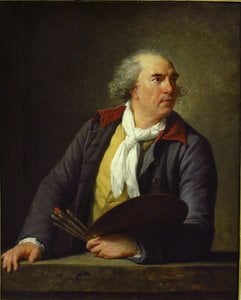
ჰუბერტ რობერტი

ჰუბერტ რობერტი

1733 - 1808 , საფრანგეთი

მოკლე ფაქტები

  • Artistic Movement Or Style: რომანტიზმი, ნეოკლასიკურობა
  • Artists Or Movements Influenced By This Artist: ['რომანტიზმი']
  • Artists Who Influenced This Artist:
    • ჯოვანი პანინი
    • პიρανეზი
  • Date Of Birth: 22 მაისი 1733
  • Date Of Death: 15 აპრილი 1808
  • Full Name: ჰუბერტ რობერტი
  • Nationality: ფრანგი
  • Notable Artworks (List Of Titles):
    • The Port of Rome
    • Flight of Galatea
    • La Galerie du Louvre
  • Place Of Birth (City And Country): პარიზი, საფრანგეთი