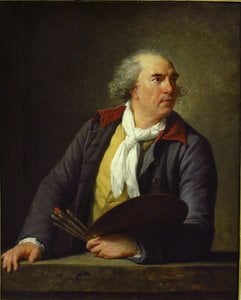
რევოლუციის მხატვარი და წარმოსახვითი ლანდშაფტები: იუბერ რობერის სამყარო
იუბერ რობერი, სახელის სინონიმად აღებული მომხიბლავი ლანდშაფტებისა და ნანგრევების რომანტიკული ხიბლისთვის, უნიკალურ ადგილს იკავებს XVIII საუკუნის ფრანგულ ხელოვნებაში. 1733 წელს პარიზში დაბადებული მისი ცხოვრება შეიცვალა მხატვრობის სტილების ცვლილებების ფონზე და მონუმენტალური ისტორიული მოვლენების მიღმა — როკოკოს მხიარული ელეგანტიდან ნეოკლასიციზმის განთიამდე, საბოლოოდ საფრანგეთის რევოლუციის არეულ წლებში. იგი მხოლოდ დაცემას არ აღწერდა; ის ხედვებს ქმნიდა, დაკვირვებას წარმოსახვით აერთიანებდა სცენების შესაქმნელად, რომლებიც როგორც წარსულის ნოსტალგიურ მოთხოვნილებას, ასევე მომავლის მოლოდინს ასახავდნენ. მისი მოგზაურობა დაიწყო მხატვრული სწავლების ორგანიზებულ სამყაროში, თავდაპირველად Michel-Ange Slodtz-ის ხელმძღვანელობით, რომელმაც რობერის ნიჭი აღმოაჩინა, მაგრამ სიკეთეებით უბრძანა გადაერთო ხატვაზე, გააცნობიერა მისი ჭეშმარიტი მოწოდება სინათლის, ატმოსფეროს და ფორმის ფარული პოეზიის ასახვაში.
რომის ოცნებები: მხატვრული იდენტობის ჩამოყალიბება
კრიტიკული მომენტი რობერის მხატვრულ განვითარებაში 1754 წელს რომში მისი ხანგრძლივი მოგზაურობით დაწინაურდა. Étienne-François de Choiseul-ს თანხლებად, მან ჩაძირა თავი ისტორიაში და არქიტექტურულ დიდებულობაში. თერთმეტი წლის განმავლობაში უძველესი ქალაქი გახდა მისი ღია ცის სტუდია, მისმა დანგრეული ტაძრებმა, მასიური თაღებმა და გაზრდილ ბაღებმა აღძრა მის წარმოსახვითი სამყარო. ეს მხოლოდ იმის გამეორება არ იყო, რაც მან იხილა; ეს მისი ინტერპრეტირება, ხელახალი წარმოგონება და მელანქოლიური სილამაზით შეფერილი იყო. იგი Giovanni Paolo Panini-თან ერთად მუშაობდა, რომლის გავლენა ჩანს რობერის ადრეულ *capriccio* კომპოზიციებში — ფანტასტიკურ ხედებს, რომლებიც კლასიკური ნანგრევების თანამედროვე ცხოვრებას უპირისპირებენ. თუმცა, რობერი სწრაფად გადავიდა იმიტაციიდან, განვითარდა მისი გამორჩეული სტილი, რომელიც ხასიათდება ზუსტი დეტალებით, ატმოსფერული პერსპექტივით და სინათლისა და ჩრდილის თამაშზე ღრმა მგრძნობელობით. მან ნანგრევები არ მოხატა; მან დრო მოხატა, გარდამავალი სილამაზის აღჭურვა და ადამიანური შემოქმედების მდგრადი ძალა. ამ პერიოდის მისი ჩანაწერები არის მის დაკვირვებების უნიკალური ჩანაწერები, რომლებშიც Roman landmarks-ის დეტალური შესწავლაა თავმოყრილი, როგორიცაა Villa d'Este და Caprarola, რომელიც არქიტექტურულ ნუანსებსა და ლანდშაფტის კომპოზიციაზე მწვარე თვალს მოწმობს.
პარიზული აღიარება და სამეფო პატრონაჟი
რობერის დაბრუნება პარიზში 1765 წელს იყო გარდამტეხი მომენტი მის კარიერაში. მან სწრაფად მიიღო აღიარება მხატვრულ წრეებში, უზრუნველყოფილი Académie Royale de Peinture et de Sculpture-ში გაწევრიანება “The Port of Rome, Ornamented with Different Monuments of Architecture, Ancient and Modern” ნამუშევრის მეშვეობით. მისმა შემდგომმა გამოფენებმა Salon-ში ფართო აღიარება მოიპოვა, აუდიტორია გატაცებული იყო ნანგრევებისა და პიკტურული ლანდშაფტის მომხიბლავი გამოსახულებებით. Denis Diderot-მა, განმ enlightenment-ის გამოჩენილმა ფიგურამ, განსაკუთრებულად შეაფასა რობერის ნახატების მიერ წარმოქმნილი დიდებულება, აღნიშნა მისი უნარი მკითხველები სხვა დროსა და ადგილზე გადაეტანა. ამ წარმატებამ სამეფო პატრონაჟი გამოიწვია, დეკორატიული პროექტებზე შეკვეთებითა და შემდეგ “Designer of the King's Gardens” და მოგვიანებით “Keeper of the King's Pictures” თანამდებობებით. იგი მოთხოვნადი მხატვარი გახდა არა მხოლოდ თავისი ტილოების გამო, არამედ ბაღებისა და სასახლის ინტერიერების ინოვაციური დიზაინის გამო. მისმა ნამუშევებმა გაიჟღვია *capriccio* ხატვის პოპულარული გემოვნება — ჟანრი, რომელიც კოლექციონერებს მოხიბლავდა ისტორიით, არქეოლოგიით და პიკტურულით — მაგრამ რობერს შემოიტანა უნიკალური მგრძნობელობა, ავიწროა დეკორატიულ ხელოვნებას.
რევოლუცია, მდგრადობა და უკვერივი მემკვიდრეობა
საფრანგეთის რევოლუციამ რობერის წინაშე беспрецедентული გამოწვევა წარმოაყენა. იმის მიუხედავად, რომ ბევრი მხატვარი იებრძოდა არასტაბილური პოლიტიკური კლიმატისთვის, მან თავი აღმოჩნდა ცვლილების გადაჯვარედინებაში. იგი თუნდაც Reign of Terror-ის დროს მოულოდნელად აღმოჩნდა ციხეში, შეწუხებული გამოცდილება, რომელმაც შთააგონა სერიული ნახატები მისი პატიმრობის დროიდან. გაოცებულია, მან ამ პერიოდშიაც კი პროდუქტიულად იმუშავა, ხელოვნებისადმი თავისი მტკიცე ერთგულება გამოჩნდა. რევოლუციის შემდეგ რობერი დაინიშნა ახლად შექმნილი Muséum Central des Arts-ის კურატორად — მომავალ Musée du Louvre-ს — საფრანგეთის კულტურული მემკვიდრეობის შენარჩუნებაში მისი ექსპერტიზისა და ერთგულების მოწმობა. იგი მნიშვნელოვან როლს თამაშობდა მუზეუმის კოლექციის ორგანიზებასა და კატალოგიზაციაში, უზრუნველყოფილი საფრანგეთის სამხატვრო საგანძურის შენარჩუნება მომავალი თაობებისთვის. იუბერ რობერი 1808 წელს პარიზში გარდაიცვალა და დატოვა არაოჩინებულად დიდი ნამუშევრები, რომლებიც აგრძელებენ აღტაცებასა და მოწონებას. მისი მემკვიდრეობა მხოლოდ მის ტექნიკურ უპირატესობაში არ მდგომარეობს, არამედ ისტორიული სიზუსტის წარმოსახვითი ხედვის შერწყმის უნიკალურ უნარში. მან ჟანრის პიონერი გახდა, რომელმაც დააყენა ნანგრევების სილამაზის აღნიშვნა და ადამიანური შემოქმედების მდგრადი ძალა, რაც მას როკოკოსა და ნეოკლასიციზმის ხიდად აქცია, ხოლო ისტორიაზე გატაცებითა და წარმოსახვითობით რომანტიზმის ასპექტებს წინასწარ უწყებდა.
- ძირითადი გავლენები: Giovanni



 ნახვა ინტერьерში
 შეიძინეთ ხელით შესრულებული ნახატი
 გაგზავნა
 გაზიარება
 დეტალები
 გზამკვლევი

 ჩამოტვირთვა
 მსგავსები
 რენტგენოგრაფიული კვლევა
 სლაიდშოუ
 სტატისტიკა


 სრული ტექსტის ნახვა






































 მინის ჩარჩოს არჩევანი ხელმისაწვდომია მხოლოდ 110 სმ-მდე ზომისთვის