უფასო ხელოვნების კონსულტაცია

x
სურათის შეძენა სურათის შეძენაგამოსახულების შეძენა გამოსახულების შეძენა გაგზავნაგაგზავნა
დეტალებიდეტალები დამატება ფავორიტებში დამატება ფავორიტებში ჩამოტვირთვაჩამოტვირთვა მსგავსებიმსგავსები რენტგენოგრაფიული კვლევარენტგენოგრაფიული კვლევა სლაიდშოუსლაიდშოუ

Painters

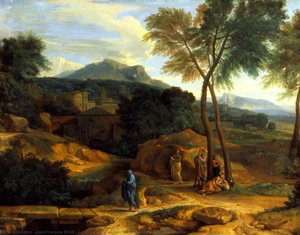
A captivating 1790 painting depicting two men working on a rock formation, showcasing Hubert Robert's mastery of landscape and light. Explore the romantic vision of ruins and nature.

ჰუბერტ რობერტი (1733-1808): ფრანგი მხატვარი, რომელიც ცნობილია ხარუკი და ლანდშაფტებით. მისი ნამუშევრები აერთიანებს ისტორიას, წარმავლობასა და უნიკალურ იმიტომორობას. აღმოაჩინეთ მისი ხელოვნება!

გიკლე / ხელოვნების პრინტი

მუზეუმის დონის ჟიკლე ან ტილოზე ბეჭდვა სწრაფი წარმოებისა და დასრულების მოქნილი ვარიანტებით.

P118B $10
P118H $10
P118W $10
P438Z $10
P508JH $12
P508YH $12
P805H $10
P805Z $10
P919BZ $10
P919G $10
P919XJ $10
P959ZH $10
P968JZ $12
W106C $8
W218G $10
W218JH $8
W218Y $10
W307PJ $10
W316G $10
W316PJ $8
W316Y $10
W398PJ $8
W4111J $10
W500HY $15
W500JH $15
W692G $12
W849H $8
W940BG $15
W953PJ $8

Standard
custom
CM
INCH

აირჩიეთ ჩვენს მიერ წინასწარ განსაზღვრული ზომებიდან, რომლებიც ნაწარმოების ორიგინალურ პროპორციებს შეესაბამება.

სიგანე
სიმაღლე

თქვენ შეგიძლიათ მიუთითოთ საკუთარი ზომები კონკრეტული ჩარჩოსთვის ან სივრცისთვის მოსარგებლებლად. თუ თქვენ მიერ არჩეული ზომა არ შეესაბამება ორიგინალი გამოსახულების პროპორციებს, ჩვენ ან დავჭრით ნამუშევარს, ან გავაფართოვებთ გამოსახულებას სარკული ან ერთფეროვანი კიდეებით. წარმოების დაწყებამდე თქვენს დასამტკიცებლად გამოგეგზავნებათ ციფრული მაკეტი.
გთხოვთ, გაითვალისწინოთ, რომ ეკრანზე ნაჩვენები წინასწარი ნახვა არ ასახავს რეალურ ჭრას ან გაფართოებას. მხოლოდ მაკეტზე იქნება ზუსტად წარმოდგენილი საბოლოო კომპოზიცია.

მიუხედავად იმისა, რომ ინდივიდუალური ზომები ხელმისაწვდომია, ორიგინალური პროპორციების შესანარჩუნებლად გირჩევთ, აირჩიოთ ზომა წინასწარ განსაზღვრული სიისგან.

მიწოდება მთელ მსოფლიოში () 2 კვირაში, სტანდარტული 4/5 კვირის ნაცვლად. (2 ივლისი)

why_choose_icon
უფასო ექსპრეს მიწოდება მთელ მსოფლიოში
why_choose_icon
საბამად მაღალი ხარისხის ტილო
why_choose_icon
სრული ტრანსპორტირების დაზღვევა
why_choose_icon
საბაჟო გადასახადების დაბრუნების გარანტია
why_choose_icon
ფერების სრული შესაბამისობის გარანტია
why_choose_icon
60-დღიანი დაბრუნების პოლიტიკა (მხოლოდ დეფექტის შემთხვევაში)
why_choose_icon
100% თანხის დაბრუნების გარანტია
why_choose_icon
ფასდაკლება დიდი რაოდენობით შეკვეთისას

ჯამური ღირებულება

-

reproduction

Painters

გიკლე / ხელოვნების პრინტი

რეკლამაციის ზომა

-

საბოლოო ფასი

-

მოკლე ინფორმაცია

  • Dimensions: 24 x 32 cm
  • Artistic style: Capriccio, Landscape
  • Artist: Hubert Robert
  • Notable elements: Ruins, figures, field
  • Influences: Neoclassicism
  • Medium: Oil on canvas
  • Movement: Romanticism

ხელოვნების ტესტი

თითოეულ კითხვაზე მხოლოდ ერთი სწორი პასუხია.

კითხვა 1:
What artistic movement is Hubert Robert primarily associated with?
კითხვა 2:
The painting 'Painters' depicts which of the following scenes?
კითხვა 3:
In what year was Hubert Robert born?
კითხვა 4:
What is a 'capriccio' in the context of Hubert Robert’s paintings?
კითხვა 5:
The image description mentions the presence of animals. Which animal is depicted in the painting?

საკლექციო აღწერა

Hubert Robert’s “Painters”: A Vision of Ruin and Remembrance

Hubert Robert's "Painters," painted in 1790, isn’t merely a depiction of laborers at work; it’s a carefully constructed meditation on labor, time, and the enduring power of memory. The scene unfolds within a rugged, almost theatrical landscape – a dramatic vista dominated by a towering rock formation, its weathered surface hinting at centuries of exposure to the elements. Two figures, rendered with a subtle realism that belies Robert's penchant for romanticized ruins, are engaged in the arduous task of carving stone. One, positioned atop the rock, directs the work with a commanding presence, while the other, lower down, meticulously shapes the material beneath him. The composition isn’t about capturing a specific moment; it’s about evoking a feeling – a sense of timelessness and the relentless passage of time, beautifully intertwined with the human effort to impose order upon nature.

Robert's style is distinctly rooted in the Neoclassical tradition, yet infused with the burgeoning Romantic sensibility that was beginning to challenge its rigid formality. He masterfully employs atmospheric perspective – the subtle blurring and darkening of distant elements – to create a profound sense of depth and space. The light, diffused and golden, washes over the scene, casting long shadows and highlighting the textures of the rock and the figures’ clothing. Notice how Robert utilizes loose brushstrokes, particularly in the depiction of the landscape, creating an impressionistic effect that anticipates later developments in art history. This deliberate softness contrasts with the sharper detail given to the men themselves, suggesting a focus on their individual struggles within the grand scheme of nature.

The Context of Labor and Ruin

To fully appreciate “Painters,” it’s crucial to understand Robert's artistic interests – particularly his fascination with ruins. Following the upheavals of the French Revolution, a renewed interest in antiquity and the past emerged, fueled by archaeological discoveries and a desire to reconnect with a perceived lost sense of order and stability. Robert, like many artists of his time, found inspiration in the decaying grandeur of Roman temples and medieval castles, transforming these remnants into evocative landscapes – ‘capriccios’ as he called them. These weren't simply artistic exercises; they were explorations of memory, loss, and the cyclical nature of history. The very act of painting ruins became a way to preserve a fading past, imbuing it with new life and meaning.

The figures depicted in “Painters” represent a specific segment of 18th-century French society – laborers engaged in essential but often overlooked work. Robert’s choice to portray them within such a dramatic landscape elevates their status, suggesting that even the most humble tasks are worthy of artistic attention. The scene subtly critiques the social hierarchies of the time, presenting these men not as mere workers, but as active participants in shaping the world around them. The rock formation itself can be interpreted as a symbol of enduring strength and resilience – a testament to the power of human labor against the forces of nature.

Symbolism and Emotional Resonance

Beyond its straightforward depiction of work, “Painters” is rich in symbolic meaning. The towering rock formation, with its weathered surface, represents the weight of history and the passage of time. The figures’ focused expressions convey a sense of dedication and perseverance, but also hint at the physical strain of their labor. Robert's use of color – predominantly earthy tones punctuated by flashes of gold – evokes feelings of warmth, nostalgia, and perhaps even melancholy. The overall effect is one of quiet contemplation, inviting the viewer to reflect on the relationship between humanity and nature, work and memory.

The inclusion of animals—a horse and a dog—adds another layer of complexity to the scene. Animals have long been associated with labor and service in art, symbolizing loyalty, strength, and connection to the natural world. Their presence reinforces the theme of human interaction with the environment, suggesting a harmonious coexistence – albeit one marked by hard work and enduring effort. “Painters” is not simply a landscape; it’s a carefully orchestrated tableau that speaks volumes about the values and anxieties of its time.

A Timeless Masterpiece: Reproduction Considerations

Reproductions of Hubert Robert's “Painters” offer a remarkable opportunity to bring this evocative artwork into your home or office. The meticulous detail captured by Robert’s brushstrokes, combined with his masterful use of light and shadow, translates beautifully to high-quality reproductions. When selecting a reproduction, pay close attention to the texture and color accuracy – features that are crucial for capturing the painting's atmospheric depth and emotional resonance. WahooArt offers meticulously crafted hand-painted reproductions that faithfully recreate Robert’s original vision, ensuring that you experience the full impact of this timeless masterpiece.

დაკავშირებული ნამუშევრები


მხატვრის ბიოგრაფია

რევოლუციის მხატვარი და წარმოსახვითი ლანდშაფტები: იუბერ რობერის სამყარო

იუბერ რობერი, სახელის სინონიმად აღებული მომხიბლავი ლანდშაფტებისა და ნანგრევების რომანტიკული ხიბლისთვის, უნიკალურ ადგილს იკავებს XVIII საუკუნის ფრანგულ ხელოვნებაში. 1733 წელს პარიზში დაბადებული მისი ცხოვრება შეიცვალა მხატვრობის სტილების ცვლილებების ფონზე და მონუმენტალური ისტორიული მოვლენების მიღმა — როკოკოს მხიარული ელეგანტიდან ნეოკლასიციზმის განთიამდე, საბოლოოდ საფრანგეთის რევოლუციის არეულ წლებში. იგი მხოლოდ დაცემას არ აღწერდა; ის ხედვებს ქმნიდა, დაკვირვებას წარმოსახვით აერთიანებდა სცენების შესაქმნელად, რომლებიც როგორც წარსულის ნოსტალგიურ მოთხოვნილებას, ასევე მომავლის მოლოდინს ასახავდნენ. მისი მოგზაურობა დაიწყო მხატვრული სწავლების ორგანიზებულ სამყაროში, თავდაპირველად Michel-Ange Slodtz-ის ხელმძღვანელობით, რომელმაც რობერის ნიჭი აღმოაჩინა, მაგრამ სიკეთეებით უბრძანა გადაერთო ხატვაზე, გააცნობიერა მისი ჭეშმარიტი მოწოდება სინათლის, ატმოსფეროს და ფორმის ფარული პოეზიის ასახვაში.

რომის ოცნებები: მხატვრული იდენტობის ჩამოყალიბება

კრიტიკული მომენტი რობერის მხატვრულ განვითარებაში 1754 წელს რომში მისი ხანგრძლივი მოგზაურობით დაწინაურდა. Étienne-François de Choiseul-ს თანხლებად, მან ჩაძირა თავი ისტორიაში და არქიტექტურულ დიდებულობაში. თერთმეტი წლის განმავლობაში უძველესი ქალაქი გახდა მისი ღია ცის სტუდია, მისმა დანგრეული ტაძრებმა, მასიური თაღებმა და გაზრდილ ბაღებმა აღძრა მის წარმოსახვითი სამყარო. ეს მხოლოდ იმის გამეორება არ იყო, რაც მან იხილა; ეს მისი ინტერპრეტირება, ხელახალი წარმოგონება და მელანქოლიური სილამაზით შეფერილი იყო. იგი Giovanni Paolo Panini-თან ერთად მუშაობდა, რომლის გავლენა ჩანს რობერის ადრეულ *capriccio* კომპოზიციებში — ფანტასტიკურ ხედებს, რომლებიც კლასიკური ნანგრევების თანამედროვე ცხოვრებას უპირისპირებენ. თუმცა, რობერი სწრაფად გადავიდა იმიტაციიდან, განვითარდა მისი გამორჩეული სტილი, რომელიც ხასიათდება ზუსტი დეტალებით, ატმოსფერული პერსპექტივით და სინათლისა და ჩრდილის თამაშზე ღრმა მგრძნობელობით. მან ნანგრევები არ მოხატა; მან დრო მოხატა, გარდამავალი სილამაზის აღჭურვა და ადამიანური შემოქმედების მდგრადი ძალა. ამ პერიოდის მისი ჩანაწერები არის მის დაკვირვებების უნიკალური ჩანაწერები, რომლებშიც Roman landmarks-ის დეტალური შესწავლაა თავმოყრილი, როგორიცაა Villa d'Este და Caprarola, რომელიც არქიტექტურულ ნუანსებსა და ლანდშაფტის კომპოზიციაზე მწვარე თვალს მოწმობს.

პარიზული აღიარება და სამეფო პატრონაჟი

რობერის დაბრუნება პარიზში 1765 წელს იყო გარდამტეხი მომენტი მის კარიერაში. მან სწრაფად მიიღო აღიარება მხატვრულ წრეებში, უზრუნველყოფილი Académie Royale de Peinture et de Sculpture-ში გაწევრიანება “The Port of Rome, Ornamented with Different Monuments of Architecture, Ancient and Modern” ნამუშევრის მეშვეობით. მისმა შემდგომმა გამოფენებმა Salon-ში ფართო აღიარება მოიპოვა, აუდიტორია გატაცებული იყო ნანგრევებისა და პიკტურული ლანდშაფტის მომხიბლავი გამოსახულებებით. Denis Diderot-მა, განმ enlightenment-ის გამოჩენილმა ფიგურამ, განსაკუთრებულად შეაფასა რობერის ნახატების მიერ წარმოქმნილი დიდებულება, აღნიშნა მისი უნარი მკითხველები სხვა დროსა და ადგილზე გადაეტანა. ამ წარმატებამ სამეფო პატრონაჟი გამოიწვია, დეკორატიული პროექტებზე შეკვეთებითა და შემდეგ “Designer of the King's Gardens” და მოგვიანებით “Keeper of the King's Pictures” თანამდებობებით. იგი მოთხოვნადი მხატვარი გახდა არა მხოლოდ თავისი ტილოების გამო, არამედ ბაღებისა და სასახლის ინტერიერების ინოვაციური დიზაინის გამო. მისმა ნამუშევებმა გაიჟღვია *capriccio* ხატვის პოპულარული გემოვნება — ჟანრი, რომელიც კოლექციონერებს მოხიბლავდა ისტორიით, არქეოლოგიით და პიკტურულით — მაგრამ რობერს შემოიტანა უნიკალური მგრძნობელობა, ავიწროა დეკორატიულ ხელოვნებას.

რევოლუცია, მდგრადობა და უკვერივი მემკვიდრეობა

საფრანგეთის რევოლუციამ რობერის წინაშე беспрецедентული გამოწვევა წარმოაყენა. იმის მიუხედავად, რომ ბევრი მხატვარი იებრძოდა არასტაბილური პოლიტიკური კლიმატისთვის, მან თავი აღმოჩნდა ცვლილების გადაჯვარედინებაში. იგი თუნდაც Reign of Terror-ის დროს მოულოდნელად აღმოჩნდა ციხეში, შეწუხებული გამოცდილება, რომელმაც შთააგონა სერიული ნახატები მისი პატიმრობის დროიდან. გაოცებულია, მან ამ პერიოდშიაც კი პროდუქტიულად იმუშავა, ხელოვნებისადმი თავისი მტკიცე ერთგულება გამოჩნდა. რევოლუციის შემდეგ რობერი დაინიშნა ახლად შექმნილი Muséum Central des Arts-ის კურატორად — მომავალ Musée du Louvre-ს — საფრანგეთის კულტურული მემკვიდრეობის შენარჩუნებაში მისი ექსპერტიზისა და ერთგულების მოწმობა. იგი მნიშვნელოვან როლს თამაშობდა მუზეუმის კოლექციის ორგანიზებასა და კატალოგიზაციაში, უზრუნველყოფილი საფრანგეთის სამხატვრო საგანძურის შენარჩუნება მომავალი თაობებისთვის. იუბერ რობერი 1808 წელს პარიზში გარდაიცვალა და დატოვა არაოჩინებულად დიდი ნამუშევრები, რომლებიც აგრძელებენ აღტაცებასა და მოწონებას. მისი მემკვიდრეობა მხოლოდ მის ტექნიკურ უპირატესობაში არ მდგომარეობს, არამედ ისტორიული სიზუსტის წარმოსახვითი ხედვის შერწყმის უნიკალურ უნარში. მან ჟანრის პიონერი გახდა, რომელმაც დააყენა ნანგრევების სილამაზის აღნიშვნა და ადამიანური შემოქმედების მდგრადი ძალა, რაც მას როკოკოსა და ნეოკლასიციზმის ხიდად აქცია, ხოლო ისტორიაზე გატაცებითა და წარმოსახვითობით რომანტიზმის ასპექტებს წინასწარ უწყებდა.
  • ძირითადი გავლენები: Giovanni
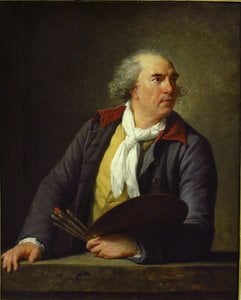
ჰუბერტ რობერტი

ჰუბერტ რობერტი

1733 - 1808 , საფრანგეთი

მოკლე ინფორმაცია

  • Artistic Movement Or Style: რომანტიზმი, ნეოკლასიკურობა
  • Artists Or Movements Influenced By This Artist: ['რომანტიზმი']
  • Artists Who Influenced This Artist:
    • ჯოვანი პანინი
    • პიρανეზი
  • Date Of Birth: 22 მაისი 1733
  • Date Of Death: 15 აპრილი 1808
  • Full Name: ჰუბერტ რობერტი
  • Nationality: ფრანგი
  • Notable Artworks (List Of Titles):
    • The Port of Rome
    • Flight of Galatea
    • La Galerie du Louvre
  • Place Of Birth (City And Country): პარიზი, საფრანგეთი