წინასწარი ნახვა AR წინასწარი ნახვა გადართვა ბეჭდზე შეიძინეთ ხელით შესრულებული ნახატი გაგზავნა
დეტალები დამატება ფავორიტებში ჩამოტვირთვა მსგავსები რენტგენოგრაფიული კვლევა სლაიდშოუ სტატისტიკა

Waiting

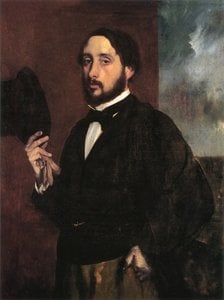
პარიზი საქართველო ჰილერ-გერმან-ედგარ დეგა Hilaire-Germain-Edgar Degas, degas ფრანგი მხატვარი ედგარ დეგა ცნობილია თავისი ბალეტის მოცემულებით, პარიზული სცენების გამოსახებთი და ინოვაციური ტექნიკით. ის არის იმპრესიონისტული ხელოვნების მნიშვნელოვანი წარმომადგენელი. იმპრესიონიზმი, რეალიზმი პიკასო ინგრეს 1834 1917 Hilaire-Germain-Edgar De Gas ფრანგი Dancer and Tambourine კუბიზმი 2 ედგარ დეგ

შეიძინეთ მაღალი რეზოლუციის, გაუმჯობესებული ციფრული გამოსახულება, რომელიც ხარისხით ბევრად აღემატება ონლაინ წინასწარ ნახვას.

თითოეულ ფაილს ჩვენი შიდა სპეციალისტები საგულდაგულოდ ამზადებენ თანამედროვე ინსტრუმენტებისა და პროფესიონალური რეტუშირების გამოყენებით. ჩვენ უზრუნველყოფთ, რომ თითოეულ გამოსახულებას ჰქონდეს გამორჩეული სიცხადე, ფერების ზუსტი გადაცემა და დეტალიზაცია.

დასრულებული ფაილი ელექტრონული ფოსტით 72 საათში გიგზავნით; იგი ოპტიმიზებულია პროფესიონალური, რედაქციული და პოლიგრაფიული გამოყენებისთვის. ეს არის ისეთივე ხარისხი, რომელსაც წამყვანი დიზაინ-სტუდიები, გამომცემლობები და გალერეები ენდობიან.

ციფრული გამოსახულება

ჩამოტვირთეთ მაღალი გარჩევადობის ფაილი პირადი გამოყენებისთვის, დასაბეჭდად და შემოქმედებითი პროექტებისთვის. ( გადართვა ბეჭდზე შეიძინეთ ხელით შესრულებული ნახატი)

საბოლოო ფასი

$ 24.90

ყოველ ციფრულ გამოსახულების შეკვეთაში შედის

ექსპერტული ციფრული მიწოდება, გარანტირებული

როდესაც ირჩევთ WahooArt.com-ს, თქვენ მხოლოდ სურათს კი არ იღებთ, არამედ იღებთ პროფესიონალურად დამუშავებულ ციფრულ ნამუშევარს, რომელიც შექმნილია უზადო სიზუსტით და დაცულია კმაყოფილების გარანტიით. თქვენს შეკვეთას ავტომატურად მოჰყვება შემდეგი:

shipping_icon
სწრაფი მიწოდება ელექტრონული ფოსტით

თქვენს მაღალი რეზოლუციის ციფრულ გამოსახულებას ელექტრონული ფოსტით შეკვეთის დაწყებიდან 72 საათში მიიღებთ — ის მზად იქნება დაუყოვნებლივი გამოყენებისთვის.

canvas_icon
AI-ით გაუმჯობესებული ციფრული ფაილი

თქვენი ხელოვნების ნიმუშები პროფესიონალურად არის ოპტიმიზებული მოწინავე AI ინსტრუმენტებისა და მექანიკური რედაქტირების მეშვეობით, რაც უზრუნველყოფს მაქსიმალურ დეტალიზაციას, სიცხადესა და ფერების სიზუსტეს.

insurance_icon
ციფრული გამოსახულებების უფასო სამუდამო ხელახალი მიღება

ფაილი შემთხვევით წაიშალა ან დაკარგეთ? ნუបედავთ — ჩვენ მას ნებისმიერ დროს, უფასოდ ხელახლა გამოგეგზავნით.

tax_icon
იმპორტის გადასახადების გარეშე — ყოველთვის

ჭიდად ისიამოვნეთ თქვენი ნამუშევრით მყისიერად, საბაჟო გადასახადის, მოსაკრებლის ან მიწოდების ხარჯის გარეშე - ციფრული ჩამტვირთვისას ყოველთვის საგადასახადო თავისუფლებაა.

color_icon
ფერების სიზუსტის გარანტია

პროფესიონალური ინსტრუმენტებისა და ფერების მართვის სისტემის გამოყენებით, ჩვენ უზრუნველყოფთ, რომ თქვენი ციფრული გამოსახულება მაქსიმალურად ზუსტად ასახავდეს ორიგინალურ ფერებს.

return_icon
კმაყოფილების 100-დღიანი გარანტია

თუ თქვენ არ დაკმაყოფილებული ხართ თქვენი ციფრული გამოსახულებით, ჩვენ შევიტანთ მასში ცვლილებებს ან დაგიბრუნებთ 100% თანხას 100 დღის განმავლობაში - ყოველგვარი კითხვის დასმევის გარეშე.

guarantee_icon
100% თანხის დაბრუნების გარანტია

არ არის კმაყოფილი? მიიღეთ სრული თანხის დაბრუნება ციფრული ფაილის მიღებიდან 100 დღის განმავლობაში — ყოველგვარი დამატებითი კითხვების გარეშე.

discount_icon
ფასდაკლება დიდი რაოდენობით შეკვეთაზე

შეიძინეთ 3 გამოსახულება და მიიღეთ 10% ფასდაკლება - შეიძინეთ 5 და მიიღეთ 15% ფასდაკლება - შეიძინეთ 10+-ზე და მიიღეთ 20% ფასდაკლება. იდეალურია კრეატიული პროექტებისთვის, გალერეებისა და სააგენტოებისთვის.

მოკლე ინფორმაცია

  • Artistic style: Realism
  • Artist: Edgar Degas
  • Location: Norton Simon Museum
  • Notable elements or techniques: Velvety texture; Precise red reflections
  • Subject or theme: Ballet dancers; Observation of movement
  • Medium: Pastel on paper
  • Influences: Romantic Rebellion

ხელოვნების ტესტი

თითოეულ კითხვაზე მხოლოდ ერთი სწორი პასუხია.

კითხვა 1:
What artistic movement is Edgar Degas’s ‘Waiting’ primarily associated with?
კითხვა 2:
The painting depicts two women in a room. What is the dominant compositional technique employed by Degas?
კითხვა 3:
What color palette characterizes ‘Waiting’, contributing to its overall mood?
კითხვა 4:
‘Waiting’ is part of a series exploring the world of ballet. What was Degas's primary focus in this series?
კითხვა 5:
Where is ‘Waiting’ currently housed?

Waiting by Edgar Degas: A Moment Frozen in Time

The painting Waiting by Edgar Degas is more than just an image; it’s a distillation of Impressionist philosophy—a fleeting glimpse into the quiet drama unfolding within domestic life. Executed around 1880-1882, this pastel on paper captures two women engaged in a seemingly mundane activity: adjusting a handbag near a bench and observing another woman seated calmly. Yet, Degas’s masterful composition elevates this simple scene into a profound meditation on anticipation and unspoken emotion. As noted by art historian Jill DeVonyar, the painting exemplifies Degas's fascination with capturing "the peripheral world of the dancers," highlighting his dedication to portraying reality with remarkable sensitivity.
  • Composition & Perspective: Degas employs a steep perspective that draws the viewer downwards, creating an intimate space where we feel positioned above the subjects—a technique characteristic of Impressionism and mirroring the theatrical experience of watching ballet performances.
  • Color Palette & Technique: The pastel medium lends itself beautifully to capturing subtle tonal variations and soft textures. Degas’s brushstrokes are delicate yet purposeful, layering pigment to build up depth and luminosity, particularly evident in the luminous shades of pink and blue used for the younger woman's dress.
  • Symbolism & Narrative: The positioning of the women—one bending over to adjust a handbag, the other gazing intently—suggests a palpable tension between expectation and stillness. The woman’s posture conveys vulnerability and apprehension, while her companion exudes composure. This juxtaposition speaks to the broader themes explored by Degas in his ballet series – the contrast between beauty and toil, performance and reality.
The painting resides within the Norton Simon Museum collection, alongside other celebrated works by Degas that explore similar subjects—the ballet dancers themselves—demonstrating the artist’s enduring influence on Impressionist art. Critics like Kenneth Clark have lauded Degas's ability to convey “the dichotomy of the series,” emphasizing his portrayal of the dancer’s inner life and capturing the essence of their profession. As noted in *The Romantic Rebellion*, Clark argued that Degas’s paintings were “full of sequined rubbish” yet simultaneously conveyed “a profound sense of melancholy.”
  • Historical Context: Created during a period of significant social change—the rise of Parisian bourgeois society and the burgeoning fascination with ballet as an art form—Waiting reflects the Impressionists' interest in documenting everyday life.
  • Influence on Ballet Artistry: Degas’s meticulous observation of dancers and his innovative technique profoundly impacted ballet choreography and artistic interpretation, shaping how ballerinas are portrayed in subsequent productions.
Furthermore, the Musée des Beaux-Arts et d'Archéologie in Rennes houses a significant collection of Degas paintings, offering visitors an opportunity to immerse themselves in the artist’s oeuvre and appreciate his contribution to the visual arts. Examining *Waiting* alongside other works reveals Degas’s unwavering commitment to capturing not just appearances but also the psychological nuances inherent in human experience—a legacy that continues to inspire artists and collectors alike.

დაკავშირებული ნამუშევრები


მხატვრის ბიოგრაფია

A Life Immersed in Movement

Edgar Degas, born Hilaire-Germain-Edgar De Gas on July 19, 1834, in Paris, France, stands as a figure of remarkable contradictions within the annals of art history. While often categorized alongside Impressionists—Monet, Renoir, and others who irrevocably transformed painting at the cusp of the late nineteenth century—Degas vehemently resisted this designation, asserting instead that he identified as a realist. This unwavering commitment stemmed from his meticulous observation of the world around him and an uncompromising dedication to portraying it with unflinching honesty. His formative years were comfortably bourgeois; his father served as a banker, and his mother descended from Creole lineage in New Orleans—a heritage that afforded him access to education and artistic training, though he frequently chafed against academic constraints. He commenced his formal schooling at the Lycée Louis-le-Grand but discovered his true vocation when he began copying works within the Louvre, honing his skills and igniting a lifelong passion for classical art. However, Degas’s artistic trajectory wasn't one of rigid adherence to tradition; it was characterized by constant questioning and reassessment of artistic norms—a trait that would define his entire career. He possessed an independent spirit that distinguished him from many of his contemporaries and cemented his place as a pioneer of modern art.

Early Life and Artistic Foundations

Degas’s upbringing instilled in him a profound appreciation for intellectual pursuits alongside familial stability. His father's profession provided financial security, allowing him to pursue artistic endeavors without undue worry—a circumstance that contrasted sharply with the aspirations of many aspiring artists at the time. He received an exceptional education, focusing on drawing and sculpture, disciplines that would prove instrumental in shaping his distinctive style. Notably, he diligently studied the works of Jean-Auguste-Dominique Ingres, whose meticulous draftsmanship and emphasis on idealized form profoundly influenced Degas’s artistic sensibilities. This early exposure to classical art served as a bedrock upon which he built his own innovative approach—a synthesis of tradition and experimentation that would become his hallmark. The Louvre became his classroom, where he absorbed the techniques and aesthetics of masters past, preparing himself for the challenges of forging his own path in the burgeoning artistic landscape.

Beyond Impressionism: A Singular Artistic Vision

Despite aligning with Impressionists like Monet and Renoir—artists who championed capturing fleeting moments of light and color outdoors—Degas stubbornly resisted categorization within this movement. He prioritized working independently in his studio, constructing scenes from observation and memory rather than relying on plein air techniques. This deliberate choice reflected a fundamental divergence from prevailing artistic trends and underscored his unwavering belief in the primacy of personal vision. His subject matter deliberately eschewed historical or mythological narratives favored by academic painters; instead, he found inspiration in the everyday realities of Parisian life—the bustling marketplaces, the lively cafes, and most notably, the world of ballet. He wasn’t merely interested in depicting beautiful dancers; he sought to capture the grueling physicality and psychological complexities inherent in their profession—a task that demanded painstaking attention to detail and a willingness to confront uncomfortable truths about human experience.

The Ballet Class: A Masterpiece of Observation

Perhaps Degas's most iconic achievement resides in his series of paintings depicting ballet classes—works that exemplify his unparalleled mastery of draftsmanship and his ability to convey movement with breathtaking precision. Unlike Impressionists who attempted to capture the ephemeral effects of light, Degas meticulously documented the physical exertion and emotional intensity of dancers preparing for performances. His compositions are unconventional, cropping figures in unexpected ways and utilizing asymmetrical arrangements that create a palpable sense of dynamism—a technique that distinguishes him from his peers and elevates his art beyond mere visual representation. He captured not just what was seen but also what was felt—the strain on muscles, the concentration on faces, and the subtle gestures of movement that communicated both discipline and passion. The resulting images are imbued with a remarkable immediacy and authenticity, reflecting Degas’s unwavering commitment to portraying reality without embellishment or sentimentality.

Legacy and Influence

Edgar Degas died September 27, 1917, in Paris—leaving behind an oeuvre that continues to resonate powerfully within the artistic canon. His pioneering approach to composition, his exceptional draftsmanship, and his unflinching portrayal of modern life profoundly impacted subsequent generations of artists—most notably Pablo Picasso and Henri Matisse. He challenged academic conventions and championed a new aesthetic sensibility characterized by spontaneity and psychological depth—a legacy that persists today as museums worldwide showcase his paintings, sculptures, prints, and drawings. Degas’s influence extends far beyond the immediate stylistic innovations he engendered; he fundamentally altered perceptions of artistic expression and solidified his position as one of the most influential figures in twentieth-century art. He remains a testament to the transformative power of observation and the enduring beauty of uncompromising artistic integrity.

მოკლე ინფორმაცია

  • Artistic Movement Or Style: იმპრესიონიზმი და რეალიზმი
  • Artists Or Movements Influenced By This Artist: ['პიკასო და ჰენრი მატის პს']
  • Artists Who Influenced This Artist:
    • ჟან-შუสตე დონ ჟო დი ინგრეს
    • გუსტავ კურბეტი
  • Date Of Birth: 1834 წელი
  • Date Of Death: 1917 წელი
  • Full Name: Hilaire-Germain-Edgar De Gas
  • Nationality: ფრანგილია
  • Notable Artworks:
    • მსხვილობრინდა მუსხვი და ტამბურინა
    • ბალეტი სცენის დებაჲ
    • დეგასი მწვანე კორკეტითი
    • მფ რაჩქსე სხეპები და სძრაჩქე მძრაველები
  • Place Of Birth: პარისი საფრანგეთი