უფასო ხელოვნების კონსულტაცია

x
ნაბეჭდის შეძენა ნაბეჭდის შეძენაგამოსახულების შეძენა გამოსახულების შეძენა გაგზავნაგაგზავნა
DetailsDetails დამატება ფავორიტებში დამატება ფავორიტებში ჩამოტვირთვაჩამოტვირთვა მსგავსებიმსგავსები X-RayX-Ray სლაიდშოუსლაიდშოუ

Dancer Stretching

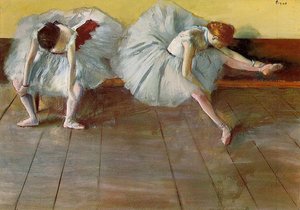
A pastel painting depicting a ballerina stretching her arms out, capturing a fleeting moment of movement and observation. Signed Degas at the bottom right corner, the drawing showcases his distinctive style—visible preparatory lines beneath the final image—emphasizing the artist's process as much as the subject itself.

პარიზი საქართველო ჰილერ-გერმან-ედგარ დეგა Hilaire-Germain-Edgar Degas, degas ფრანგი მხატვარი ედგარ დეგა ცნობილია თავისი ბალეტის მოცემულებით, პარიზული სცენების გამოსახებთი და ინოვაციური ტექნიკით. ის არის იმპრესიონისტული ხელოვნების მნიშვნელოვანი წარმომადგენელი. იმპრესიონიზმი, რეალიზმი პიკასო ინგრეს 1834 1917 Hilaire-Germain-Edgar De Gas ფრანგი Dancer and Tambourine კუბიზმი 2 ედგარ დეგ

ხელით ნაკვეთი ზეთის ტილოს რეპროდუქცია

ტილოზე შესრულებული ფერწერიანი ზეთប្រდათი, თქვენთვის სასურველი ზომისა და ჩარჩოსთვის, ჩვენი ხელოვანების მიერ შეკვეთის საფუძველზე დამზადებული.


P118B $10
P118H $10
P118W $10
P438Z $10
P508JH $12
P508YH $12
P805H $10
P805Z $10
P919BZ $10
P919G $10
P919XJ $10
P959ZH $10
P968JZ $12
W106C $8
W218G $10
W218JH $8
W218Y $10
W307PJ $10
W316G $10
W316PJ $8
W316Y $10
W398PJ $8
W4111J $10
W500HY $15
W500JH $15
W692G $12
W849H $8
W940BG $15
W953PJ $8

Standard
custom
CM
INCH

აირჩიეთ ჩვენს მიერ წინასწარ განსაზღვრული ზომებიდან, რომლებიც ნაწარმოების ორიგინალურ პროპორციებს შეესაბამება.

სიგანე
სიმაღლე

თქვენ შეგიძლიათ მიუთითოთ თქვენთვის სასურველი ზომები კონკრეტული ჩარჩოს ან სივრცის შესაბამისად. თუ თქვენ მიერ არჩეული ზომა არ შეესაბამება ორიგინალი გამოსახულების პროპორციებს, ჩვენ ან შევაჭრებთ ნაწარმოებს, ან ტილოზე დავამატებთ ხელით მოხატულ ელემენტებს. წარმოების დაწყებამდე, დამტკიცებისთვის გამოგეგზავნებათ ციფრული მაკეტი.
გთხოვთ, გაითვალისწინოთ, რომ ეკრანზე ნაჩვენები წინასწარი შეხედულება არ ასახავს რეალურ შეჭრას ან გაფართოებას. საბოლოო კომპოზიციას ზუსტად მხოლოდ მაკეტი წარმოაჩენს.
მიუხედავად იმისა, რომ შესაძლებელია ინდივიდუალური ზომების შერჩევა, ორიგინალური პროპორციების შენარჩუნებისათვის გირჩევთ, გამოიყენოთ წინასწარ განსაზღვრული სიის ზომები.

რა შეიძლება შეიცვალოს: სახის ჩანაცვლება მომხმარებლის ფოტოთი; შინაური ცხოველის დამატება (მაგ., კატის ჩანაცვლება ძაღლით); ფონზე ფარული შეტყობინების დამატება; ფონის პეიზაჟის ან ელემენტების შეცვლა.
შეკვეთის შემდეგ, WahooArt.com გუნდი დაგიკავშირდებათ ელექტრონული ფოსტით ინსტრუქციებისთვის და გამოგიგზავნით წინასწარ ნახაზს (mockup).

მიწოდება მსოფლიო მასშტაბით -ში 3/4 კვირაში, სტანდარტული 5 კვირის ნაცვლად. (1 ივლისი). ხარისხზე კომპრომისის გაკეთება არ მოხდება.

why_choose_icon
უფასო ექსპრეს მიწოდება მთელ მსოფლიოში
why_choose_icon
საბამად მაღალი ხარისხის ტილო
why_choose_icon
სრული ტრანსპორტირების დაზღვევა
why_choose_icon
საბაჟო გადასახადების დაბრუნების გარანტია
why_choose_icon
ფერების სრული შესაბამისობის გარანტია
why_choose_icon
60-დღიანი დაბრუნების პოლიტიკა (მხოლოდ დეფექტის შემთხვევაში)
why_choose_icon
100% თანხის დაბრუნების გარანტია
why_choose_icon
ფასდაკლება დიდი რაოდენობით შეკვეთისას

ჯამური ღირებულება

-

reproduction

Dancer Stretching

რეკლამაციის ტექნიკა

რეკლამაციის ზომა

-

საბოლოო ფასი

-

მოკლე ინფორმაცია

  • Year: 1882
  • Subject or theme: Dance
  • Medium: Pastel
  • Artist: hilaire-germain-edgar degas
  • Dimensions: 46 x 29 cm
  • Influences: Classical Art
  • Artistic style: Modern

ხელოვნების ტესტი

თითოეულ კითხვაზე მხოლოდ ერთი სწორი პასუხია.

კითხვა 1:
What artistic movement is Edgar Degas primarily associated with, despite his insistence on realism?
კითხვა 2:
Why did Degas leave visible traces of his drawing process beneath the final figure in “Dancer Stretching”?’
კითხვა 3:
What is notable about Degas’s decision to depict the dancer inhabiting not a recognizable space but the sheet of drawing paper itself?
კითხვა 4:
What color is prominently featured in Degas's painting “Dancer Stretching,” adding a visual element to the otherwise muted palette?
კითხვა 5:
The drawing technique employed by Degas—pastel—is characterized by its ability to achieve what effect?

ნაწარმოების აღწერა

A Moment Frozen in Pastel: Degas's Dancer Stretching

The year is 1882, Paris pulsates with artistic energy—the Impressionists are reshaping the landscape of painting, yet Edgar Degas remains steadfastly rooted in a different aesthetic. This drawing, titled “Dancer Stretching,” embodies his distinctive approach to genre scenes and offers a glimpse into the creative process itself – a testament to his refusal to conform to prevailing trends and an unwavering dedication to capturing fleeting moments of everyday life. Measuring 46 x 29 cm, it’s housed in the Kimbell Art Museum collection, where its subtle beauty continues to inspire admiration.
  • Subject Matter: The drawing depicts a ballerina poised mid-stretch, her arms extended upwards as if reaching for an elusive grace. Her face is partially obscured by her hand, conveying vulnerability and concentration—a characteristic portrayal of female subjects prevalent in Degas’s oeuvre.
  • Style & Technique: Degas's style defies easy categorization. While he acknowledges the influence of Impressionism, he prioritizes realism above all else. He employs pastel – a technique favored for its ability to achieve luminous colors and delicate textures – layering shades of blue and pink onto the paper with meticulous precision. The artist’s signature, stamped in red ink by the estate executors, adds an element of provenance but underscores Degas's deliberate avoidance of formal attribution.

Historical Context: Balletomania and Artistic Observation

The late 1880s witnessed a fervent fascination with ballet within Parisian society—a “balletomania” fueled by the success of productions like Giselle and La Sylphide. Degas, himself captivated by the dance world, meticulously documented these performances, not merely as visual records but as explorations of movement and emotion. He wasn’t interested in idealized representations; instead, he sought to capture the physicality of ballet dancers—their sweat, their muscle tension, their subtle gestures—revealing the underlying drama of the art form.
  • Symbolism: The dancer's posture speaks volumes about aspiration and effort. Her outstretched arms symbolize a yearning for perfection, while her partially hidden face embodies both vulnerability and determination. Furthermore, the drawing’s composition—the dancer occupying the sheet of paper itself—represents Degas’s artistic process – an intentional embrace of imperfection and spontaneity.
  • Emotional Impact: “Dancer Stretching” transcends mere depiction; it evokes a profound sense of stillness amidst movement. The smudges and residual lines beneath the final pastel strokes serve as "background" to the dancer, highlighting Degas’s commitment to portraying not just what he saw but how he perceived it—a deliberate gesture that imbues the artwork with an immediacy and authenticity rarely achieved by other artists.

Degas's Method: Embracing Imperfection as Artistic Expression

Degas’s approach to drawing was revolutionary for its time. He deliberately miscalculated the size of the paper, leaving ample space around the dancer’s figure—a conscious decision to avoid confining her within rigid boundaries and to reflect the dynamism inherent in the artistic endeavor itself. Unlike many artists who strive for flawless execution, Degas embraced imperfections as integral to his vision – demonstrating that beauty could reside not only in polished surfaces but also in visible traces of process.
  • Legacy: “Dancer Stretching” stands as a cornerstone of Degas’s artistic legacy—a symbol of his unwavering commitment to realism, observation, and the exploration of human emotion. It exemplifies his belief that art should capture not just what is seen but how it is felt—a timeless message resonating with collectors and interior designers alike who appreciate the profound beauty found in understated elegance and authentic expression.

A Modern Masterpiece: Reflecting on Degas's Vision

Ultimately, “Dancer Stretching” transcends its formal attributes—pastel hues, meticulous technique, historical context—to convey a deeper truth about the nature of artistic creation. It reminds us that beauty is not merely found in idealized representations but in embracing imperfection and honoring the process itself – cementing Degas’s place as one of the most influential artists of his era and ensuring that his vision continues to captivate audiences for generations to come.

დაკავშირებული ნამუშევრები

ჰაილერ გერმெய்ნ ეդგარ დეგასი - ახალგაზრდა ქალის თავი
ჰაილერ გერმெய்ნ ეդგარ დეგასი
ახალგაზრდა ქალის თავი
ჰაილერ გერმெய்ნ ეդგარ დეგასი - The Dance Lesson
ჰაილერ გერმெய்ნ ეդგარ დეგასი
The Dance Lesson
ჰაილერ გერმெய்ნ ეդგარ დეგასი - Три балеринки, одна с темно-бордовым поясом
ჰაილერ გერმெய்ნ ეդგარ დეგასი
Три балеринки, одна с темно-бордовым поясом
ჰაილერ გერმெய்ნ ეդგარ დეგასი - The Pink Dancers, Before the Ballet
ჰაილერ გერმெய்ნ ეդგარ დეგასი
The Pink Dancers, Before the Ballet
ჰაილერ გერმெய்ნ ეդგარ დეგასი - ბანში სხეულის vệ sinhზე მყოლი ქალი
ჰაილერ გერმெய்ნ ეդგარ დეგასი
ბანში სხეულის vệ sinhზე მყოლი ქალი
ჰაილერ გერმெய்ნ ეդგარ დეგასი - Dancer Bowing
ჰაილერ გერმெய்ნ ეդგარ დეგასი
Dancer Bowing
ჰაილერ გერმெய்ნ ეդგარ დეგასი - The Dance Class
ჰაილერ გერმெய்ნ ეդგარ დეგასი
The Dance Class
ჰაილერ გერმெய்ნ ეդგარ დეგასი - Portrait of Rene De Gas
ჰაილერ გერმெய்ნ ეդგარ დეგასი
Portrait of Rene De Gas
ჰაილერ გერმெய்ნ ეդგარ დეგასი - Two Ballet Dancers
ჰაილერ გერმெய்ნ ეդგარ დეგასი
Two Ballet Dancers
ჰაილერ გერმெய்ნ ეդგარ დეგასი - Three Ballet Dancers
ჰაილერ გერმெய்ნ ეդგარ დეგასი
Three Ballet Dancers

მხატვრის ბიოგრაფია

A Life Immersed in Movement

Edgar Degas, born Hilaire-Germain-Edgar De Gas on July 19, 1834, in Paris, France, stands as a figure of remarkable contradictions within the annals of art history. While often categorized alongside Impressionists—Monet, Renoir, and others who irrevocably transformed painting at the cusp of the late nineteenth century—Degas vehemently resisted this designation, asserting instead that he identified as a realist. This unwavering commitment stemmed from his meticulous observation of the world around him and an uncompromising dedication to portraying it with unflinching honesty. His formative years were comfortably bourgeois; his father served as a banker, and his mother descended from Creole lineage in New Orleans—a heritage that afforded him access to education and artistic training, though he frequently chafed against academic constraints. He commenced his formal schooling at the Lycée Louis-le-Grand but discovered his true vocation when he began copying works within the Louvre, honing his skills and igniting a lifelong passion for classical art. However, Degas’s artistic trajectory wasn't one of rigid adherence to tradition; it was characterized by constant questioning and reassessment of artistic norms—a trait that would define his entire career. He possessed an independent spirit that distinguished him from many of his contemporaries and cemented his place as a pioneer of modern art.

Early Life and Artistic Foundations

Degas’s upbringing instilled in him a profound appreciation for intellectual pursuits alongside familial stability. His father's profession provided financial security, allowing him to pursue artistic endeavors without undue worry—a circumstance that contrasted sharply with the aspirations of many aspiring artists at the time. He received an exceptional education, focusing on drawing and sculpture, disciplines that would prove instrumental in shaping his distinctive style. Notably, he diligently studied the works of Jean-Auguste-Dominique Ingres, whose meticulous draftsmanship and emphasis on idealized form profoundly influenced Degas’s artistic sensibilities. This early exposure to classical art served as a bedrock upon which he built his own innovative approach—a synthesis of tradition and experimentation that would become his hallmark. The Louvre became his classroom, where he absorbed the techniques and aesthetics of masters past, preparing himself for the challenges of forging his own path in the burgeoning artistic landscape.

Beyond Impressionism: A Singular Artistic Vision

Despite aligning with Impressionists like Monet and Renoir—artists who championed capturing fleeting moments of light and color outdoors—Degas stubbornly resisted categorization within this movement. He prioritized working independently in his studio, constructing scenes from observation and memory rather than relying on plein air techniques. This deliberate choice reflected a fundamental divergence from prevailing artistic trends and underscored his unwavering belief in the primacy of personal vision. His subject matter deliberately eschewed historical or mythological narratives favored by academic painters; instead, he found inspiration in the everyday realities of Parisian life—the bustling marketplaces, the lively cafes, and most notably, the world of ballet. He wasn’t merely interested in depicting beautiful dancers; he sought to capture the grueling physicality and psychological complexities inherent in their profession—a task that demanded painstaking attention to detail and a willingness to confront uncomfortable truths about human experience.

The Ballet Class: A Masterpiece of Observation

Perhaps Degas's most iconic achievement resides in his series of paintings depicting ballet classes—works that exemplify his unparalleled mastery of draftsmanship and his ability to convey movement with breathtaking precision. Unlike Impressionists who attempted to capture the ephemeral effects of light, Degas meticulously documented the physical exertion and emotional intensity of dancers preparing for performances. His compositions are unconventional, cropping figures in unexpected ways and utilizing asymmetrical arrangements that create a palpable sense of dynamism—a technique that distinguishes him from his peers and elevates his art beyond mere visual representation. He captured not just what was seen but also what was felt—the strain on muscles, the concentration on faces, and the subtle gestures of movement that communicated both discipline and passion. The resulting images are imbued with a remarkable immediacy and authenticity, reflecting Degas’s unwavering commitment to portraying reality without embellishment or sentimentality.

Legacy and Influence

Edgar Degas died September 27, 1917, in Paris—leaving behind an oeuvre that continues to resonate powerfully within the artistic canon. His pioneering approach to composition, his exceptional draftsmanship, and his unflinching portrayal of modern life profoundly impacted subsequent generations of artists—most notably Pablo Picasso and Henri Matisse. He challenged academic conventions and championed a new aesthetic sensibility characterized by spontaneity and psychological depth—a legacy that persists today as museums worldwide showcase his paintings, sculptures, prints, and drawings. Degas’s influence extends far beyond the immediate stylistic innovations he engendered; he fundamentally altered perceptions of artistic expression and solidified his position as one of the most influential figures in twentieth-century art. He remains a testament to the transformative power of observation and the enduring beauty of uncompromising artistic integrity.

მოკლე ინფორმაცია

  • Artistic Movement Or Style: იმპრესიონიზმი და რეალიზმი
  • Artists Or Movements Influenced By This Artist: ['პიკასო და ჰენრი მატის პს']
  • Artists Who Influenced This Artist:
    • ჟან-შუสตე დონ ჟო დი ინგრეს
    • გუსტავ კურბეტი
  • Date Of Birth: 1834 წელი
  • Date Of Death: 1917 წელი
  • Full Name: Hilaire-Germain-Edgar De Gas
  • Nationality: ფრანგილია
  • Notable Artworks:
    • მსხვილობრინდა მუსხვი და ტამბურინა
    • ბალეტი სცენის დებაჲ
    • დეგასი მწვანე კორკეტითი
    • მფ რაჩქსე სხეპები და სძრაჩქე მძრაველები
  • Place Of Birth: პარისი საფრანგეთი
აღმოაჩინეთ ხელოვნების ნაწარმოებები თემების, სტილისა და მახასიათებლების მიხედვით დაჯგუფებული.