წინასწარი ნახვა AR წინასწარი ნახვა გადართვა ბეჭდზე გადასვლა ციფრულ გამოსახულებაზე გაგზავნა
დეტალები გზამკვლევი დამატება ფავორიტებში ჩამოტვირთვა მსგავსები რენტგენოგრაფიული კვლევა სლაიდშოუ სტატისტიკა

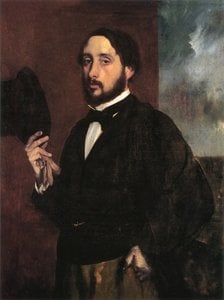
Cotton exchange

Captured in Degas’s signature Impressionist style, ‘Cotton Exchange’ portrays a quiet Parisian gathering—men engrossed in conversation amidst tables laden with newspapers and books—a timeless glimpse into modern life available as exquisite handmade oil reproductions.

პარიზი საქართველო ჰილერ-გერმან-ედგარ დეგა Hilaire-Germain-Edgar Degas, degas ფრანგი მხატვარი ედგარ დეგა ცნობილია თავისი ბალეტის მოცემულებით, პარიზული სცენების გამოსახებთი და ინოვაციური ტექნიკით. ის არის იმპრესიონისტული ხელოვნების მნიშვნელოვანი წარმომადგენელი. იმპრესიონიზმი, რეალიზმი პიკასო ინგრეს 1834 1917 Hilaire-Germain-Edgar De Gas ფრანგი Dancer and Tambourine კუბიზმი 2 ედგარ დეგ

ხელით ნაკვეთი ზეთის ტილოს რეპროდუქცია

ტილოზე შესრულებული ფერწერიანი ზეთប្រდათი, თქვენთვის სასურველი ზომისა და ჩარჩოსთვის, ჩვენი ხელოვანების მიერ შეკვეთის საფუძველზე დამზადებული. ( გადართვა ბეჭდზე გადასვლა ციფრულ გამოსახულებაზე)

P118B $10
P118H $10
P118W $10
P438Z $10
P508JH $12
P508YH $12
P805H $10
P805Z $10
P919BZ $10
P919G $10
P919XJ $10
P959ZH $10
P968JZ $12
W106C $8
W218G $10
W218JH $8
W218Y $10
W307PJ $10
W316G $10
W316PJ $8
W316Y $10
W398PJ $8
W4111J $10
W500HY $15
W500JH $15
W692G $12
W849H $8
W940BG $15
W953PJ $8

სტანდარტული
სასურველი ზომის
CM
INCH

აირჩიეთ ჩვენს მიერ წინასწარ განსაზღვრული ზომებიდან, რომლებიც ნაწარმოების ორიგინალურ პროპორციებს შეესაბამება.

სიგანე
სიმაღლე

თქვენ შეგიძლიათ მიუთითოთ თქვენთვის სასურველი ზომები კონკრეტული ჩარჩოს ან სივრცის შესაბამისად. თუ თქვენ მიერ არჩეული ზომა არ შეესაბამება ორიგინალი გამოსახულების პროპორციებს, ჩვენ ან შევაჭრებთ ნაწარმოებს, ან ტილოზე დავამატებთ ხელით მოხატულ ელემენტებს. წარმოების დაწყებამდე, დამტკიცებისთვის გამოგეგზავნებათ ციფრული მაკეტი.
გთხოვთ, გაითვალისწინოთ, რომ ეკრანზე ნაჩვენები წინასწარი შეხედულება არ ასახავს რეალურ შეჭრას ან გაფართოებას. საბოლოო კომპოზიციას ზუსტად მხოლოდ მაკეტი წარმოაჩენს.
მიუხედავად იმისა, რომ შესაძლებელია ინდივიდუალური ზომების შერჩევა, ორიგინალური პროპორციების შენარჩუნებისათვის გირჩევთ, გამოიყენოთ წინასწარ განსაზღვრული სიის ზომები.

რა შეიძლება შეიცვალოს: სახის ჩანაცვლება მომხმარებლის ფოტოთი; შინაური ცხოველის დამატება (მაგ., კატის ჩანაცვლება ძაღლით); ფონზე ფარული შეტყობინების დამატება; ფონის პეიზაჟის ან ელემენტების შეცვლა.
შეკვეთის შემდეგ, WahooArt.com გუნდი დაგიკავშირდებათ ელექტრონული ფოსტით ინსტრუქციებისთვის და გამოგიგზავნით წინასწარ ნახაზს (mockup).

მიწოდება მსოფლიო მასშტაბით -ში 3/4 კვირაში, სტანდარტული 5 კვირის ნაცვლად. (25 სექტემბერი). ხარისხზე კომპრომისის გაკეთება არ მოხდება.

why_choose_icon
უფასო ექსპრეს მიწოდება მთელ მსოფლიოში
why_choose_icon
საბამად მაღალი ხარისხის ტილო
why_choose_icon
სრული ტრანსპორტირების დაზღვევა
why_choose_icon
საბაჟო გადასახადების დაბრუნების გარანტია
why_choose_icon
ფერების სრული შესაბამისობის გარანტია
why_choose_icon
დაბრუნების 100-დღიანი პოლიტიკა (მხოლოდ დეფექტის შემთხვევაში)
why_choose_icon
100% თანხის დაბრუნების გარანტია
why_choose_icon
ფასდაკლება დიდი რაოდენობით შეკვეთისას

ჯამური ღირებულება

$ 272

reproduction

Cotton exchange

რეკლამაციის ტექნიკა

რეკლამაციის ზომა

-

საბოლოო ფასი

$ 272

მოკლე ინფორმაცია

  • Subject or theme: Social gathering
  • Artistic style: Realist
  • Artist: hilaire-germain-edgar degas
  • Movement: Impressionism
  • Medium: Oil painting
  • Notable elements or techniques: Detailed observation

A Window into the Belle Époque: The Soul of Degas’s Cotton Exchange

To encounter Edgar Degas’s "Cotton Exchange" is to step through a temporal portal, leaving the frantic pace of the modern world for the measured, contemplative atmosphere of late 19th-century commerce. This masterpiece serves as an arresting testament to Impressionism's fascination with capturing fleeting moments and everyday realities—a characteristic that distinguishes it from the more idealized visions prevalent in earlier artistic movements. Rather than seeking out grand, heroic narratives, Degas directs our gaze toward the quiet dignity found within seemingly unremarkable scenes. The canvas unfolds within a bustling hub of trade, where the air feels thick with the weight of conversation and the rustle of newspapers, offering a profound glimpse into the social fabric of the Belle Époque.

The scene captures a group of men gathered in what appears to be a commercial office, perhaps a sanctuary for traders and clerks. There is a palpable sense of life caught mid-motion; some figures are absorbed in the serious business of reading, while others lean into quiet dialogue, their postures conveying a delicate balance between professional gravity and casual relaxation. This mastery of human interaction allows the viewer to feel less like an observer and more like a silent participant in this social gathering. For the discerning collector or interior designer, this painting offers more than mere decoration; it provides a narrative anchor, a piece of history that breathes life into a room through its depiction of shared human experience.

The Artistry of Realism: Technique and Texture

While many of his contemporaries were chasing the ephemeral shimmer of sunlight on water, Degas remained a steadfast realist at heart. In "Cotton Exchange," his technique is nothing short of masterful, characterized by short, choppy strokes that create a palpable sense of immediacy and movement. He deliberately eschewed the polished, flawless surfaces favored by academic traditions, choosing instead to embrace imperfections that mirror the dynamism of life itself. This approach lends the painting a rhythmic pulse, where the texture of the brushwork mimics the very energy of the bustling office.

The composition is a sophisticated study in balance and depth. Through his innovative use of light and shadow, Degas creates a three-dimensional space that invites the eye to wander from the central figures to the scattered details of the room—the books resting on surfaces, the presence of clocks marking the passage of time, and the objects that populate this commercial landscape. This meticulous attention to detail ensures that every corner of the canvas contributes to the overall atmosphere of a world in motion, making it an exquisite subject for high-quality oil reproductions that aim to capture the true essence of his brushwork.

Historical Resonance and Emotional Depth

To truly appreciate "Cotton Exchange," one must consider the historical currents flowing beneath its surface. The era was defined by a duality of optimism and anxiety; while industrial progress and economic expansion brought prosperity, they also signaled profound societal shifts. Degas captures this tension with incredible subtlety. There is a certain quietude in the painting, yet it is a stillness charged with the potential for change. The positioning of the men at their tables hints at the complexities of human behavior within a rapidly transforming world.

For those seeking to adorn a space with art that inspires deep thought, this work offers an unparalleled emotional impact. It evokes a sense of nostalgia for a lost era of deliberate connection and face-to-face commerce. Whether placed in a sophisticated study, a grand living area, or a curated gallery, a reproduction of this Degas masterpiece serves as a profound conversation starter. It invites the viewer to pause, to observe the subtle nuances of light and shadow, and to find beauty in the authentic, unscripted moments of our shared existence.

დაკავშირებული ნამუშევრები


მხატვრის ბიოგრაფია

A Life Immersed in Movement

Edgar Degas, born Hilaire-Germain-Edgar De Gas on July 19, 1834, in Paris, France, stands as a figure of remarkable contradictions within the annals of art history. While often categorized alongside Impressionists—Monet, Renoir, and others who irrevocably transformed painting at the cusp of the late nineteenth century—Degas vehemently resisted this designation, asserting instead that he identified as a realist. This unwavering commitment stemmed from his meticulous observation of the world around him and an uncompromising dedication to portraying it with unflinching honesty. His formative years were comfortably bourgeois; his father served as a banker, and his mother descended from Creole lineage in New Orleans—a heritage that afforded him access to education and artistic training, though he frequently chafed against academic constraints. He commenced his formal schooling at the Lycée Louis-le-Grand but discovered his true vocation when he began copying works within the Louvre, honing his skills and igniting a lifelong passion for classical art. However, Degas’s artistic trajectory wasn't one of rigid adherence to tradition; it was characterized by constant questioning and reassessment of artistic norms—a trait that would define his entire career. He possessed an independent spirit that distinguished him from many of his contemporaries and cemented his place as a pioneer of modern art.

Early Life and Artistic Foundations

Degas’s upbringing instilled in him a profound appreciation for intellectual pursuits alongside familial stability. His father's profession provided financial security, allowing him to pursue artistic endeavors without undue worry—a circumstance that contrasted sharply with the aspirations of many aspiring artists at the time. He received an exceptional education, focusing on drawing and sculpture, disciplines that would prove instrumental in shaping his distinctive style. Notably, he diligently studied the works of Jean-Auguste-Dominique Ingres, whose meticulous draftsmanship and emphasis on idealized form profoundly influenced Degas’s artistic sensibilities. This early exposure to classical art served as a bedrock upon which he built his own innovative approach—a synthesis of tradition and experimentation that would become his hallmark. The Louvre became his classroom, where he absorbed the techniques and aesthetics of masters past, preparing himself for the challenges of forging his own path in the burgeoning artistic landscape.

Beyond Impressionism: A Singular Artistic Vision

Despite aligning with Impressionists like Monet and Renoir—artists who championed capturing fleeting moments of light and color outdoors—Degas stubbornly resisted categorization within this movement. He prioritized working independently in his studio, constructing scenes from observation and memory rather than relying on plein air techniques. This deliberate choice reflected a fundamental divergence from prevailing artistic trends and underscored his unwavering belief in the primacy of personal vision. His subject matter deliberately eschewed historical or mythological narratives favored by academic painters; instead, he found inspiration in the everyday realities of Parisian life—the bustling marketplaces, the lively cafes, and most notably, the world of ballet. He wasn’t merely interested in depicting beautiful dancers; he sought to capture the grueling physicality and psychological complexities inherent in their profession—a task that demanded painstaking attention to detail and a willingness to confront uncomfortable truths about human experience.

The Ballet Class: A Masterpiece of Observation

Perhaps Degas's most iconic achievement resides in his series of paintings depicting ballet classes—works that exemplify his unparalleled mastery of draftsmanship and his ability to convey movement with breathtaking precision. Unlike Impressionists who attempted to capture the ephemeral effects of light, Degas meticulously documented the physical exertion and emotional intensity of dancers preparing for performances. His compositions are unconventional, cropping figures in unexpected ways and utilizing asymmetrical arrangements that create a palpable sense of dynamism—a technique that distinguishes him from his peers and elevates his art beyond mere visual representation. He captured not just what was seen but also what was felt—the strain on muscles, the concentration on faces, and the subtle gestures of movement that communicated both discipline and passion. The resulting images are imbued with a remarkable immediacy and authenticity, reflecting Degas’s unwavering commitment to portraying reality without embellishment or sentimentality.

Legacy and Influence

Edgar Degas died September 27, 1917, in Paris—leaving behind an oeuvre that continues to resonate powerfully within the artistic canon. His pioneering approach to composition, his exceptional draftsmanship, and his unflinching portrayal of modern life profoundly impacted subsequent generations of artists—most notably Pablo Picasso and Henri Matisse. He challenged academic conventions and championed a new aesthetic sensibility characterized by spontaneity and psychological depth—a legacy that persists today as museums worldwide showcase his paintings, sculptures, prints, and drawings. Degas’s influence extends far beyond the immediate stylistic innovations he engendered; he fundamentally altered perceptions of artistic expression and solidified his position as one of the most influential figures in twentieth-century art. He remains a testament to the transformative power of observation and the enduring beauty of uncompromising artistic integrity.

მოკლე ინფორმაცია

  • Artistic Movement Or Style: იმპრესიონიზმი და რეალიზმი
  • Artists Or Movements Influenced By This Artist: ['პიკასო და ჰენრი მატის პს']
  • Artists Who Influenced This Artist:
    • ჟან-შუสตე დონ ჟო დი ინგრეს
    • გუსტავ კურბეტი
  • Date Of Birth: 1834 წელი
  • Date Of Death: 1917 წელი
  • Full Name: Hilaire-Germain-Edgar De Gas
  • Nationality: ფრანგილია
  • Notable Artworks:
    • მსხვილობრინდა მუსხვი და ტამბურინა
    • ბალეტი სცენის დებაჲ
    • დეგასი მწვანე კორკეტითი
    • მფ რაჩქსე სხეპები და სძრაჩქე მძრაველები
  • Place Of Birth: პარისი საფრანგეთი
აღმოაჩინეთ ხელოვნების ნაწარმოებები თემების, სტილისა და მახასიათებლების მიხედვით დაჯგუფებული.