x
წინასწარი ნახვაწინასწარი ნახვა AR წინასწარი ნახვაAR წინასწარი ნახვა შეიძინეთ პრინტი შეიძინეთ პრინტიშეიძინეთ გამოსახულება შეიძინეთ გამოსახულება გაგზავნაგაგზავნა
დეტალებიდეტალები დამატება ფავორიტებში დამატება ფავორიტებში ჩამოტვირთვაჩამოტვირთვა მსგავსებიმსგავსები რენტგენოგრაფიული კვლევარენტგენოგრაფიული კვლევა სლაიდშოუსლაიდშოუ

ᲡᲐᲢᲔᲠᲔᲠᲔᲑᲘᲡᲔᲑᲐᲓᲐᲑᲔᲑᲐᲑᲔᲑᲐᲑᲔᲑᲐᲑᲔᲑᲐᲑᲔᲑᲐᲑᲔᲑᲐᲑᲔᲑᲐᲑᲔᲑᲐᲑᲔᲑᲐᲑᲔᲑᲐᲑᲔᲑᲐᲑᲔᲑᲐᲑᲔᲑᲐᲑᲔᲑᲐᲑᲔᲑᲐᲑᲔᲑᲐᲑᲔᲑᲐᲑᲔᲑᲐᲑᲔᲑᲐᲑᲔᲑᲐᲑᲔᲑᲐᲑᲔᲑᲐᲑᲔᲑᲐᲑᲔᲑᲐᲑᲔᲑᲐᲑᲔᲑᲐᲑᲔᲑᲐᲑᲔᲑᲐᲑᲔᲑᲐᲑᲔᲑᲐᲑᲔᲑᲐᲑᲔᲑᲐᲑᲔᲑᲐᲑᲔᲑᲐᲑᲔᲑᲐᲑᲔᲑᲐᲑᲔᲑᲐᲑᲔᲑᲐᲑᲔᲑᲐᲑᲔᲑᲐᲑᲔᲑᲐᲑᲔᲑᲐᲑᲔᲑᲐᲑᲔᲑᲐᲑᲔᲑᲐᲑᲔᲑᲐᲑᲔᲑᲐᲑᲔᲑᲐᲑᲔᲑᲐᲑᲔᲑᲐᲑᲔᲑᲐᲑᲔᲑᲐᲑᲔᲑᲐᲑᲔᲑᲐᲑᲔᲑᲐᲑᲔᲑᲐᲑᲔᲑᲐᲑᲔᲑᲐᲑᲔᲑᲐᲑᲔᲑ

ᲡᲐᲢᲠᲔᲠᲔᲑᲘᲡᲔᲑᲐᲓᲐᲑᲔᲑᲐᲑᲔᲑᲐᲑᲔᲑᲐᲑᲔᲑᲐᲑᲔᲑᲐᲑᲔᲑᲐᲑᲔᲑᲐᲑᲔᲑᲐᲑᲔᲑᲐᲑᲔᲑᲐᲑᲔᲑᲐᲑᲔᲑᲐᲑᲔᲑᲐᲑᲔᲑᲐᲑᲔᲑᲐᲑᲔᲑᲐᲑᲔᲑᲐᲑᲔᲑᲐᲑᲔᲑᲐᲑᲔᲑᲐᲑᲔᲑᲐᲑᲔᲑᲐᲑᲔᲑᲐᲑᲔᲑᲐᲑᲔᲑᲐᲑᲔᲑᲐᲑᲔᲑᲐᲑᲔᲑᲐᲑᲔᲑᲐᲑᲔᲑᲐᲑᲔᲑᲐᲑᲔᲑᲐᲑᲔᲑᲐᲑᲔᲑᲐᲑᲔᲑᲐᲑᲔᲑᲐᲑᲔᲑᲐᲑᲔᲑᲐᲑᲔᲑᲐᲑᲔᲑᲐᲑᲔᲑᲐᲑᲔᲑᲐᲑᲔᲑᲐᲑᲔᲑᲐᲑᲔᲑᲐᲑᲔᲑᲐᲑᲔᲑᲐᲑᲔᲑᲐᲑᲔᲑᲐᲑᲔᲑᲐᲑᲔᲑᲐᲑᲔᲑᲐᲑᲔᲑᲐᲑᲔᲑᲐᲑᲔᲑᲐᲑᲔᲑᲐᲑᲔᲑᲐᲑᲔᲑᲐᲑᲔᲑᲐᲑᲔᲑᲐᲑᲔᲑᲐᲑᲔᲑᲐᲑᲔᲑᲐᲑᲔᲑᲐᲑᲔᲑᲐᲑᲔᲑᲐᲑᲔᲑᲐᲑᲔᲑᲐᲑᲔᲑᲐᲑᲔᲑᲐᲑᲔᲑᲐᲑᲔᲑᲐᲑᲔᲑᲐᲑᲔᲑᲐᲑᲔᲑᲐᲑᲔᲑᲐᲑᲔᲑᲐᲑᲔᲑᲐᲑᲔᲑᲐᲑᲔᲑᲐᲑᲔᲑᲐᲑᲔᲑᲐᲑᲔᲑᲐᲑᲔᲑᲐᲑᲔᲑᲐᲑᲔᲑᲐᲑᲔᲑᲐᲑᲔᲑᲐᲑᲔᲑᲐᲑᲔᲑᲐᲑᲔᲑᲐᲑᲔᲑᲐᲑᲔᲑᲐᲑᲔᲑᲐᲑᲔᲑᲐᲑᲔᲑᲐᲑ

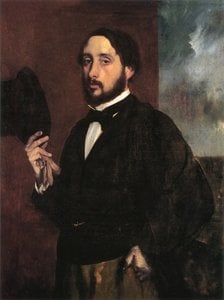
პარიზი საქართველო ჰილერ-გერმან-ედგარ დეგა Hilaire-Germain-Edgar Degas, degas ფრანგი მხატვარი ედგარ დეგა ცნობილია თავისი ბალეტის მოცემულებით, პარიზული სცენების გამოსახებთი და ინოვაციური ტექნიკით. ის არის იმპრესიონისტული ხელოვნების მნიშვნელოვანი წარმომადგენელი. იმპრესიონიზმი, რეალიზმი პიკასო ინგრეს 1834 1917 Hilaire-Germain-Edgar De Gas ფრანგი Dancer and Tambourine კუბიზმი 2 ედგარ დეგ

ხელით ნაკვეთი ზეთის ტილოს რეპროდუქცია

ტილოზე შესრულებული ფერწერიანი ზეთប្រდათი, თქვენთვის სასურველი ზომისა და ჩარჩოსთვის, ჩვენი ხელოვანების მიერ შეკვეთის საფუძველზე დამზადებული. (შეიძინეთ პრინტი შეიძინეთ პრინტიშეიძინეთ გამოსახულება შეიძინეთ გამოსახულება)

P118B $10
P118H $10
P118W $10
P438Z $10
P508JH $12
P508YH $12
P805H $10
P805Z $10
P919BZ $10
P919G $10
P919XJ $10
P959ZH $10
P968JZ $12
W106C $8
W218G $10
W218JH $8
W218Y $10
W307PJ $10
W316G $10
W316PJ $8
W316Y $10
W398PJ $8
W4111J $10
W500HY $15
W500JH $15
W692G $12
W849H $8
W940BG $15
W953PJ $8

სტანდარტული
სასურველი ზომის
CM
INCH

აირჩიეთ ჩვენს მიერ წინასწარ განსაზღვრული ზომებიდან, რომლებიც ნაწარმოების ორიგინალურ პროპორციებს შეესაბამება.

სიგანე
სიმაღლე

თქვენ შეგიძლიათ მიუთითოთ თქვენთვის სასურველი ზომები კონკრეტული ჩარჩოს ან სივრცის შესაბამისად. თუ თქვენ მიერ არჩეული ზომა არ შეესაბამება ორიგინალი გამოსახულების პროპორციებს, ჩვენ ან შევაჭრებთ ნაწარმოებს, ან ტილოზე დავამატებთ ხელით მოხატულ ელემენტებს. წარმოების დაწყებამდე, დამტკიცებისთვის გამოგეგზავნებათ ციფრული მაკეტი.
გთხოვთ, გაითვალისწინოთ, რომ ეკრანზე ნაჩვენები წინასწარი შეხედულება არ ასახავს რეალურ შეჭრას ან გაფართოებას. საბოლოო კომპოზიციას ზუსტად მხოლოდ მაკეტი წარმოაჩენს.
მიუხედავად იმისა, რომ შესაძლებელია ინდივიდუალური ზომების შერჩევა, ორიგინალური პროპორციების შენარჩუნებისათვის გირჩევთ, გამოიყენოთ წინასწარ განსაზღვრული სიის ზომები.

რა შეიძლება შეიცვალოს: სახის ჩანაცვლება მომხმარებლის ფოტოთი; შინაური ცხოველის დამატება (მაგ., კატის ჩანაცვლება ძაღლით); ფონზე ფარული შეტყობინების დამატება; ფონის პეიზაჟის ან ელემენტების შეცვლა.
შეკვეთის შემდეგ, WahooArt.com გუნდი დაგიკავშირდებათ ელექტრონული ფოსტით ინსტრუქციებისთვის და გამოგიგზავნით წინასწარ ნახაზს (mockup).

მიწოდება მსოფლიო მასშტაბით -ში 3/4 კვირაში, სტანდარტული 5 კვირის ნაცვლად. (27 აგვისტო). ხარისხზე კომპრომისის გაკეთება არ მოხდება.

why_choose_icon
უფასო ექსპრეს მიწოდება მთელ მსოფლიოში
why_choose_icon
საბამად მაღალი ხარისხის ტილო
why_choose_icon
სრული ტრანსპორტირების დაზღვევა
why_choose_icon
საბაჟო გადასახადების დაბრუნების გარანტია
why_choose_icon
ფერების სრული შესაბამისობის გარანტია
why_choose_icon
60-დღიანი დაბრუნების პოლიტიკა (მხოლოდ დეფექტის შემთხვევაში)
why_choose_icon
100% თანხის დაბრუნების გარანტია
why_choose_icon
ფასდაკლება დიდი რაოდენობით შეკვეთისას

ჯამური ღირებულება

$ 272

reproduction

ᲡᲐᲢᲔᲠᲔᲠᲔᲑᲘᲡᲔᲑᲐᲓᲐᲑᲔᲑᲐᲑᲔᲑᲐᲑᲔᲑᲐᲑᲔᲑᲐᲑᲔᲑᲐᲑᲔᲑᲐᲑᲔᲑᲐᲑᲔᲑᲐᲑᲔᲑᲐᲑᲔᲑᲐᲑᲔᲑᲐᲑᲔᲑᲐᲑᲔᲑᲐᲑᲔᲑᲐᲑᲔᲑᲐᲑᲔᲑᲐᲑᲔᲑᲐᲑᲔᲑᲐᲑᲔᲑᲐᲑᲔᲑᲐᲑᲔᲑᲐᲑᲔᲑᲐᲑᲔᲑᲐᲑᲔᲑᲐᲑᲔᲑᲐᲑᲔᲑᲐᲑᲔᲑᲐᲑᲔᲑᲐᲑᲔᲑᲐᲑᲔᲑᲐᲑᲔᲑᲐᲑᲔᲑᲐᲑᲔᲑᲐᲑᲔᲑᲐᲑᲔᲑᲐᲑᲔᲑᲐᲑᲔᲑᲐᲑᲔᲑᲐᲑᲔᲑᲐᲑᲔᲑᲐᲑᲔᲑᲐᲑᲔᲑᲐᲑᲔᲑᲐᲑᲔᲑᲐᲑᲔᲑᲐᲑᲔᲑᲐᲑᲔᲑᲐᲑᲔᲑᲐᲑᲔᲑᲐᲑᲔᲑᲐᲑᲔᲑᲐᲑᲔᲑᲐᲑᲔᲑᲐᲑᲔᲑᲐᲑᲔᲑᲐᲑᲔᲑᲐᲑᲔᲑᲐᲑᲔᲑᲐᲑᲔᲑᲐᲑᲔᲑ

რეკლამაციის ტექნიკა

რეკლამაციის ზომა

-

საბოლოო ფასი

$ 272

მოკლე ინფორმაცია

  • style: Impressionist
  • artist: Edgar Degas
  • title: Two Horses in a Pasture
  • dimensions: 45 x 35 cm
  • year: 1871
  • movement: Impressionism

ხელოვნების ტესტი

თითოეულ კითხვაზე მხოლოდ ერთი სწორი პასუხია.

კითხვა 1:
In what year was Edgar Degas' 'Two Horses in a Pasture' created?
კითხვა 2:
Which artistic movement is 'Two Horses in a Pasture' most closely associated with?
კითხვა 3:
What is the primary subject matter of this painting?
კითხვა 4:
Based on the description, what is a key characteristic of Degas's brushwork in this painting?
კითხვა 5:
What are the dimensions of 'Two Horses in a Pasture'?

ნაწარმოების აღწერა

A Glimpse of Rural Harmony: Edgar Degas’s ‘Two Horses in a Pasture’

Edgar Degas, though famously associated with ballet dancers and Parisian life, possessed a deep affinity for the natural world – particularly horses. Created in 1871, *Two Horses in a Pasture* offers a serene escape into the French countryside, embodying the burgeoning spirit of Impressionism while hinting at Degas’s unique artistic trajectory. This oil on canvas (45 x 35 cm) isn't merely a depiction of animals; it’s an exploration of light, atmosphere, and the quiet beauty of everyday life.

Subject & Composition: A Moment of Pastoral Peace

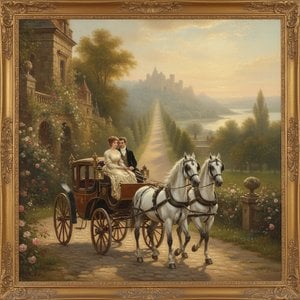
The painting centers around two horses peacefully grazing in a lush pasture. Degas masterfully arranges the composition with one horse positioned slightly left of center, while its companion occupies the right side of the canvas. This arrangement creates a balanced yet dynamic visual flow. The inclusion of two figures in the background – one on the left and another near the center-right – subtly introduces human presence without disrupting the overall tranquility. These individuals aren’t focal points but rather elements that ground the scene, suggesting a harmonious coexistence between humanity and nature.

Impressionistic Technique & Artistic Style

Degas's technique in *Two Horses in a Pasture* is characterized by loose, expressive brushstrokes – hallmarks of the Impressionist movement. He doesn’t strive for photographic realism; instead, he prioritizes capturing the *impression* of light and atmosphere. The pastel tones and gentle blending create a soft, dreamy quality that invites viewers to immerse themselves in the scene. Notice how Degas uses color not to define form rigidly but to suggest texture and depth. This approach is particularly evident in the rendering of the grass and foliage, which appear vibrant yet subtly blurred. He skillfully avoids sharp outlines, favoring instead organic shapes that convey movement and naturalness—a deliberate departure from academic conventions.

Historical Context & Degas’s Evolving Style

Painted shortly after the Franco-Prussian War (1870-1871), *Two Horses in a Pasture* reflects a yearning for peace and stability amidst turbulent times. While Degas initially trained as a history painter, he increasingly turned his attention to contemporary subjects—a trend that would define his artistic legacy. This painting demonstrates his ability to apply classical compositional principles to modern life, capturing fleeting moments of beauty often overlooked. It’s important to note that while associated with Impressionism, Degas resisted strict categorization, maintaining a unique style rooted in draftsmanship and observation. The influence of Japanese prints is palpable—particularly in the flattened perspective and simplified forms—demonstrating Degas's engagement with artistic innovations beyond his immediate peers.

Symbolism & Emotional Impact

Horses have long been symbols of power, grace, and freedom – qualities that resonate powerfully within this artwork. In *Two Horses in a Pasture*, they represent not just the beauty of nature but also an idealized vision of rural life—a respite from urban pressures and anxieties. Degas’s masterful use of diffused light contributes significantly to the painting's emotional resonance, fostering feelings of warmth, serenity, and contemplative contemplation. The scene invites viewers to appreciate the simple pleasures of observation and connection with the natural world.

Collecting & Interior Design Considerations

A reproduction of *Two Horses in a Pasture* would be a stunning addition to any art collection or interior space—particularly those seeking a touch of Impressionistic elegance. Its calming palette and pastoral subject matter make it ideal for bedrooms, living rooms, or studies. The painting’s relatively modest dimensions (45 x 35 cm) offer versatility in placement—whether as a focal point within a smaller room or integrated into a larger gallery wall ensemble. Its Impressionistic style harmonizes beautifully with diverse décor styles – from understated farmhouse chic to refined Parisian apartments – adding depth and visual interest to any setting.
  • Style: Impressionism
  • Medium: Oil on Canvas
  • Dimensions: 45 x 35 cm
  • Year: 1871

მხატვრის ბიოგრაფია

A Life Immersed in Movement

Edgar Degas, born Hilaire-Germain-Edgar De Gas on July 19, 1834, in Paris, France, stands as a figure of remarkable contradictions within the annals of art history. While often categorized alongside Impressionists—Monet, Renoir, and others who irrevocably transformed painting at the cusp of the late nineteenth century—Degas vehemently resisted this designation, asserting instead that he identified as a realist. This unwavering commitment stemmed from his meticulous observation of the world around him and an uncompromising dedication to portraying it with unflinching honesty. His formative years were comfortably bourgeois; his father served as a banker, and his mother descended from Creole lineage in New Orleans—a heritage that afforded him access to education and artistic training, though he frequently chafed against academic constraints. He commenced his formal schooling at the Lycée Louis-le-Grand but discovered his true vocation when he began copying works within the Louvre, honing his skills and igniting a lifelong passion for classical art. However, Degas’s artistic trajectory wasn't one of rigid adherence to tradition; it was characterized by constant questioning and reassessment of artistic norms—a trait that would define his entire career. He possessed an independent spirit that distinguished him from many of his contemporaries and cemented his place as a pioneer of modern art.

Early Life and Artistic Foundations

Degas’s upbringing instilled in him a profound appreciation for intellectual pursuits alongside familial stability. His father's profession provided financial security, allowing him to pursue artistic endeavors without undue worry—a circumstance that contrasted sharply with the aspirations of many aspiring artists at the time. He received an exceptional education, focusing on drawing and sculpture, disciplines that would prove instrumental in shaping his distinctive style. Notably, he diligently studied the works of Jean-Auguste-Dominique Ingres, whose meticulous draftsmanship and emphasis on idealized form profoundly influenced Degas’s artistic sensibilities. This early exposure to classical art served as a bedrock upon which he built his own innovative approach—a synthesis of tradition and experimentation that would become his hallmark. The Louvre became his classroom, where he absorbed the techniques and aesthetics of masters past, preparing himself for the challenges of forging his own path in the burgeoning artistic landscape.

Beyond Impressionism: A Singular Artistic Vision

Despite aligning with Impressionists like Monet and Renoir—artists who championed capturing fleeting moments of light and color outdoors—Degas stubbornly resisted categorization within this movement. He prioritized working independently in his studio, constructing scenes from observation and memory rather than relying on plein air techniques. This deliberate choice reflected a fundamental divergence from prevailing artistic trends and underscored his unwavering belief in the primacy of personal vision. His subject matter deliberately eschewed historical or mythological narratives favored by academic painters; instead, he found inspiration in the everyday realities of Parisian life—the bustling marketplaces, the lively cafes, and most notably, the world of ballet. He wasn’t merely interested in depicting beautiful dancers; he sought to capture the grueling physicality and psychological complexities inherent in their profession—a task that demanded painstaking attention to detail and a willingness to confront uncomfortable truths about human experience.

The Ballet Class: A Masterpiece of Observation

Perhaps Degas's most iconic achievement resides in his series of paintings depicting ballet classes—works that exemplify his unparalleled mastery of draftsmanship and his ability to convey movement with breathtaking precision. Unlike Impressionists who attempted to capture the ephemeral effects of light, Degas meticulously documented the physical exertion and emotional intensity of dancers preparing for performances. His compositions are unconventional, cropping figures in unexpected ways and utilizing asymmetrical arrangements that create a palpable sense of dynamism—a technique that distinguishes him from his peers and elevates his art beyond mere visual representation. He captured not just what was seen but also what was felt—the strain on muscles, the concentration on faces, and the subtle gestures of movement that communicated both discipline and passion. The resulting images are imbued with a remarkable immediacy and authenticity, reflecting Degas’s unwavering commitment to portraying reality without embellishment or sentimentality.

Legacy and Influence

Edgar Degas died September 27, 1917, in Paris—leaving behind an oeuvre that continues to resonate powerfully within the artistic canon. His pioneering approach to composition, his exceptional draftsmanship, and his unflinching portrayal of modern life profoundly impacted subsequent generations of artists—most notably Pablo Picasso and Henri Matisse. He challenged academic conventions and championed a new aesthetic sensibility characterized by spontaneity and psychological depth—a legacy that persists today as museums worldwide showcase his paintings, sculptures, prints, and drawings. Degas’s influence extends far beyond the immediate stylistic innovations he engendered; he fundamentally altered perceptions of artistic expression and solidified his position as one of the most influential figures in twentieth-century art. He remains a testament to the transformative power of observation and the enduring beauty of uncompromising artistic integrity.

მოკლე ინფორმაცია

  • Artistic Movement Or Style: იმპრესიონიზმი და რეალიზმი
  • Artists Or Movements Influenced By This Artist: ['პიკასო და ჰენრი მატის პს']
  • Artists Who Influenced This Artist:
    • ჟან-შუสตე დონ ჟო დი ინგრეს
    • გუსტავ კურბეტი
  • Date Of Birth: 1834 წელი
  • Date Of Death: 1917 წელი
  • Full Name: Hilaire-Germain-Edgar De Gas
  • Nationality: ფრანგილია
  • Notable Artworks:
    • მსხვილობრინდა მუსხვი და ტამბურინა
    • ბალეტი სცენის დებაჲ
    • დეგასი მწვანე კორკეტითი
    • მფ რაჩქსე სხეპები და სძრაჩქე მძრაველები
  • Place Of Birth: პარისი საფრანგეთი
აღმოაჩინეთ ხელოვნების ნაწარმოებები თემების, სტილისა და მახასიათებლების მიხედვით დაჯგუფებული.