ადრეული ცხოვრება და განათლება
ჰერმან შტრუკი, ცნობილი გერმანელ-ებრაელი ხელოვან나, დაიბადა 1876 წლის 6 მარტს, გერმანიის დედაქალაქ ბერლინში. მან განათლება
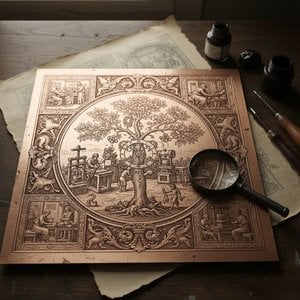
ბერლინის სახესმენობელთა აკადემიაში მიიღო, სადაც დახვეწა თავისი ოსტატობა ფერწერისა და ეტსინგის (მჟავედებით სიმბოლოების გადატანის) ხელოვნებაში.
კრეატიული კარიერა
შტრუკის შემოქმედებითი გზა გამორჩეული იყო ლითოგრაფიისა და ეტსინგის უპირატესი ნიჭით, რომელთა თემატიკას ხშირად ებრაული სუბიექტები და ლანდშაფტები წარმოადგენდა. მისი ნამუშევრები ფართოდ აღიარეს, რამაც მას ხელოვნების სამყადოში პატივსაცემი ფიგურად აქცია. განსაკუთრებით აღსანიშნავია ის ფაქტი, რომ 1908 წელს შტრუკმა გამოაქვეყნა „die kunst des radierens“ („ეტსინგის ხელოვნება“), რაც იყო მნიშვნელოვანი ნაშრომი, რომელიც ერთდროულად გვთავაზობდა როგორც თეორიულ, ისე პრაქტიკულ ინსტრუქციებს.
შემორჩენილი ნამუშევრები და კავშირები
შტრუკის გამორჩეული შემოქმედება მოიცავს:
სიონისტური აქტივიზმი და სამხედრო სამსახური
შტრუკი იყო ენთუზიასტი სიონისტი და ებრაელი აქტივისტი. მან 1903 წელს ეწვია ისრაელის მიწას და თავისი ხელოვნება მეხუთე სიონისტურ კონგრესზე წარადგინა. პირველი მსოფლიო ომის დროს იგი თარჯიმნის, საკავშირო ოფიცრისა და სამხედრო მხატვრის როლს ასრულებდა.
მემკვიდრეობა და გვიანი წლები
შტრუკის მემკადვეობა შემორჩენილია მის მრავალრითად ეტსინგებსა და ფერწერებში, რომლებიც ხელმისაწვდომია სხვადასხვა მუზეუმში, მათ შორის
კაიზერ-ვილჰელმის მუზეუმში (კრეფელდი, გერმანია). იგი 1944 წლის 11 იანვარს, ისრაელის ქალაქ ჰაიფაში გარდაიცვალა.
აღმოაჩინეთ შტრუკის ხელოვნება WahooArt-ზე
დაათვალიერეთ ჰერმან შტრუკის შემოქმედება
WahooArt-ზე, სადაც წარმოდგენილია მისი ეტსინგებისა და ფერწერის კოლექცია. შტრუკის ცხოვრებისა და შემოქმედების შესახებ მეტი ინფორმაციისთვის ეწვიეთ
ვიკიპედიას.
აღმოაჩინეთ ჰერმან შტრუკის ხელოვნება:



 ნახვა ინტერьерში
 გადართვა ბეჭდვის რეჟიმზე
 გაგზავნა
 გაზიარება
 დეტალები
 გზამკვლევი

 ჩამოტვირთვა
 მსგავსები
 რენტგენოგრაფიული კვლევა
 სლაიდშოუ
 სტატისტიკა


 სრული ტექსტის ნახვა






































 მინის ჩარჩოს არჩევანი ხელმისაწვდომია მხოლოდ 110 სმ-მდე ზომისთვის