მხატვრის ბიოგრაფია
ზღვის ფერებით ნათლილი: ჰენრი მათისეს სამყარო
ჰენრი ემილ ბენუა მათისი, დაიბადა 1869 წლის 31 დეკემბერს, საფრანგეთის ჩრდილოეთში მდებარე პატარა ქალაქ ლე კატო-კამბრესისში. მისი ბავშვობა გაიცვალა ბოჰენ-ენ-ვერმანდუასში, სადაც მისი მშობლები მარცვლოვანი პროდუქტის ვაჭრები იყვნენ. თუმცა, ჰენრი მათისი თავდაპირველად იურიდიულს აკეთებდა და არ ჰქონდა განზრახული, გახდეს მხატვარი, მაგრამ ცხოვრების ბრწყინვალე ტალღებმა მას სხვა გზაზე მიიყვანა. 1889 წელს, მუცლის შარდის შეშუპების გამო გამოწვეული ავადმყოფობის შემდეგ, მას უწესრიგო დრო ჰქონდა ხელთ და სწორედ მაშინ აღმოაჩინა ფერებით სავსე სამყარო. დედამისმა შესთავაზა საღებავები და მათისემ აღმოაჩენა, რომ ეს არ იყო მხოლოდ გასართობი – ეს იყო გამოცხადება, რომელიც მას სამუდაგოდ მიაბიჯებდა ხელოვნების სამეფოში. პარიზში იურიდიული განათლების მისაღებამდე, მათისი სწავლობდა სენტ-კვენტინის საშუალო పాఠლაში, ხოლო მოგვიანებით – ჟულიანის აკადემიაში და ბელაუ-არტების ეროვნულ škole-ში, სადაც უილიამ-ადოლფ ბუგრო და გუსტავ მორე იყვნენ მისი მასწავლებლები. ადრეული ნაშრომები ასახავდა კლასიკურ ტრადიციებს, მაგრამ მათისს ჯერ არ ჰქონდა საკუთარი, გამომისიებელი ხმა.
ფაუვიზმის გაბნევა და ბედადობა
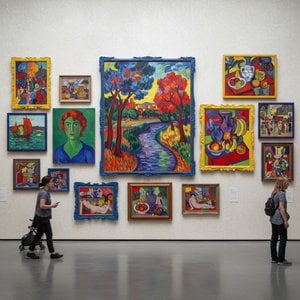
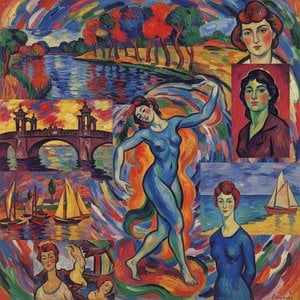
1896 წელს, ავსტრალიელი მხატვრის ჯონ რასელთან ერთად ბელ-ილისკენ მოგზაურობამ ჰენრი მათისეს ცხოვრებაში გადამწყვეტი როლი ითამაშა. რასელმა მას გააცნო იმპრესიონიზმის სამყარო და, რაც უფრო მნიშვნელოვანი იყო, ვინსენტ ვან გოგის ემოციური სიმძლავეებით სავსე ტილოები. ვან გოგის ფერების გამომხატველი გამოყენებამ გაანგარიშა მათისესამდე ამ დროისთვის შეკრული პალიტრა და უბიძგა უფრო смелым, სუბიექტურ მიდგომაზე გადასვლა. მან დაიწყო ყოველდღიური ფერების εγκαტეება და ტონალური გამების გამოყენება, რაც 1905 წელს ფაუვიზმის გაჩენამდე მიგვიყვანა – მოძრაობა, რომელშიც მათისი ლიდერის 역할을 ასრულებდა. "ველური звеრი" - ასეთი სახელი ეწოდა ამ სტილს კრიტიკოსებმა, მას შემდეგ რაც მათი ნამუშევრები შოკისმომგვრელია ფერების ინტენსიურობითა და ბუნათაგან განსხვავებული წარმოსადგენლობით. მათისი, ანდრე დერეინის და მორიც დე ვლამინკის გვერდით, ხაზგასმით აღნიშნავდა ფერის მნიშვნელობას გამოხატვის ინსტრუმენტად, ფორმების უმარტივებას კი – მისი გავლენის გასაძლიერებლელ საშუალებად. "ზარაფხანის ნათარგმნი" (1905) ტილო ამ სტილის შესანიშნავ მაგალითად გვევლება - წითელი, 녹색 და ყვითელი ფერის აფეთქება, რომელიც ტრადიციულ პერსპექტივასა და რეალისტურ აღქმას უარყოფს.
გადაწყვეტა და დეკორატიული ჰარმონია
ფაუვიზმის პირველადი იმპულსის შემდეგ, მათისეს სტილი უფრო ნուրაზი დახვეწილ ფორმას მიიღებს. ფერს არ უარის ევლობოდა, მაგრამ მისი ნამუშევრები უფრო დეკორატიული ხასიათით გამოირჩევდა, რაც ფორმების გაფანტებასა და რთულ 패턴ს აძლიერებდა. ის თემებს შეეცადა, რომლებიც დასვენებას, ოჯახურ ცხოვრებასა და ადამიანის ფიგურას ასახავდნენ ნაზად განწყობილ სივრცეებში, კომპოზიციებს ქმნიდა, რომელიც ჰარმონიულს და ემოციურად რეზონანსს იწვევდა. საფრანგეთის სამხრეთში, ნიცაში გადასახლება კიდევ უფრო გააძლიერა ეს ცვლილება, მისი ნამუშევრები სინაზესა და კლასიკურ ბალანსს უმატებდა. მასული ტილოების გარდა, მათისი სხვადასხვა მედიუმშიც ექსპერიმენტებს ატარებდა, მათ შორის კერამიკაში და ტექსტილში, რაც მის ხელოვნებას კიდევ უფრო 확장ობდა. ის არ უბრალოდ სცენას აღწერდა; ის სამყაროს ქმნიდა, რომელიც კონკრეტულ ემოციურ რეაქციას იწვევდა.
სწოლო წლები: შეზღუდვების გზით ინოვაცია
გადასახედი ჯანმრთელობის გამო მათისეს ტრადიციული ფერწერა შეუძლებელი გახდა, რის შედეგადაც მან ხელოვნების ახალი, გამორჩეული ეტაპი გაიარა – ქაღალდისგან ნაკერი კოლაჟები (*découpages*). დაახლოებით 1947 წლიდან, ეს ნამუშევრები აუცილებლობის შედეგი იყო. ინვალიდთა მოძრაობის შეზღუდვების გამო, მას ფიზიკურად შეუძლებოდა ფერწერა, მაგრამ ქაღალს მაინც უმკლავებდა. პრაქტიკული გადაწყვეტა ხელოვნების ახალ ტექნიკად გარდაიქმნა. ის დიდ ფურცლებს ნათელ ფერებში აღებდა, შემდეგ კი მათ ფორმებად კრეფდა – ორგანულ ფორმებს, ფოთლებს, ფიგურებს და განთავსებდა ტილოებზე, კომპოზიციებს ქმნიდა, რომლებიც დინამიკასა და მოჩვენებითი სიმარტივით გამოირჩევოდა. ეს *découpages* არ იყო მხოლოდ ფერწერის შემცვლელი; ეს იყო ფერის, ფორმის და კომპოზიციის შესახებ აზროვნების ახალი გზა. მან განაგრძო მისი მთელი ცხოვრების განმავლობაში ფერებით დაკავებული ექსპერიმენტები, რაც ხელოვნების უმაღლეს დონეზე ადაპტაციისა და განვითარების უნარს აჩვენებდა.
უაღრესი მნიშვნელობა: მათისეს გავლენა თანამედროვე ხელოვნებაზე
ჰენრი მათისი 1954 წლის ნოემბერში ნიცაში გარდაიცვალა, მას შემდეგ რაც მისმა ნამუშევართა კოლექციონერებმა მთელ მსოფლიოში აღიარეს მისი მნიშვნელობა. მისი გავლენა ხელოვნების სამყაროზე უნაკლეგია; მან გაანგარიშა წარმოსადგენლობის ტრადიციული კონცეფციები, ხაზგასმით აღნიშნა ფერის გამოხატვითი ძალა და მომავალი თაობების მხატვრებისთვის გზა გაუხსნა. პაბლო פיקאסოსთან ერთად, როგორც თანამედროვე ხელოვნების ერთ-ერთი ყველაზე მნიშვნელოვანი ფიგურა, მათისმა არსებითად განსაზღვრა მოდერნიზმი. მისი მემკვიდრეობა მის ნამუშევრებზეც მეტს მოიცავს – ის არის სილამძესთან, ჰარმონიასთან და ფერის გარდამორთქმულ პოტენციალთან დაკავშირებული ფილოსოფია. ის



 წინასწარი ნახვა
 შეიძინეთ ხელით შესრულებული ნახატი
 გაგზავნა
 გაზიარება
 დეტალები
 გზამკვლევი

 ჩამოტვირთვა
 მსგავსები
 რენტგენოგრაფიული კვლევა
 სლაიდშოუ
 სტატისტიკა


 გადასართად დაწვრილებით ნახეთ






































 მინის ჩარჩოს არჩევანი ხელმისაწვდომია მხოლოდ 110 სმ-ზე ნაკლები ზომისთვის