ჰანს ჰოლბეინი უმცროსი: დეტალებში გამოყვანილი სიცოცხლე
გერმანული რენესანსის ერთ-ერთი გამორჩეული ფიგურა, ჰანს ჰოლბეინი უმცროსი (დაახლოებით 1497-1543) იყო პორტრეტისტ-ოსტატი, რომლის ნაწარმოებები დღემდე აღძრავს შთამბეჭდავ მგრძლანობას და ფსიქოლოგიურ სიღრმეს. მისი აღზრდა მხატვრულ ოჯახში საფუძველი გახდა უსწრაფოესი ტალანტისთვის; მამა, ჰანს ჰოლბეინი უფროსი, იყო სახელოვანი მხატვარი და გრავერი, რომელმაც ახალგაზრდა ჰანსს დაკვირვების და ტექნიკის მიმართ ფრთხილად отношениюის საფუძველი ჩაუყარა. ეს ადრეული სწავლება მხოლოდ ბrushstroke-ების mastering-ზე ან pigment-ების mixing-ზე არ იყო, არამედ იმაზე იყო, რომ *იხილო*, არა მხოლოდ სახე, არამედ საგანის არსი დაჭერილიყო. ჰოლბეინის პირველი მხატვრული ექსპერიმენტები მოხდა მამის სახელოსნოში, სადაც მან გაამდიდრა თავისი უნარები, სანამ გზაზე გადავიდა, რომელიც მას გერმანიის გავლისა და საბოლოოდ ინგლისური სასადროების ცენტრში მიიყვანს.
ბაზელიდან ტიუდორული კარამდე: მზარდი ვარსკვლავი
აპრენტისტურის დასრულების შემდეგ, ჰოლბეინი ინტენსიურად მოგზაურობდა შვეიცარიის მასშტაბით და დამყარდა ανεξάρندელი მხატვრად, რომელიც თანდათანობით იზრუნება მის რეპუტაციას. მან რამდენიმე წელიწადი მნიშვნელოვანი დრო გაატარა ბაზელში, სადაც არა მხოლოდ striking პორტრეტებს ქმნიდა, არამედ რელიგიურ ნაწარმოებებსაც და సంკირე ხის ნაკეთობების σχέδιαც - ყველაზე ცნობილია *სიკვდილის ცეკვის* მოხუცებული სერია. ამ ადრეულ ნაწარმოებმა გამოავლინა კომპოზიციის დამკვირვებული mastering და ადამიანური გრძნობების აღქმის განვითარებადი გატაცება. სწორედ 1526 წელს ბედმა ჩარედა, ჰოლბეინს ინგლისისაკენ მიიწევდა, γεγονός, რომელმაც უპირობოდ შეცვალა მისი მხატვრული გზა. იგი ჩავიდა ერასმუსის, სახელოვანი ჰუმანისტის რეკომენდაციასთან ერთად, რაც ინგლისური საზოგადოების влиятельных წრეებში კარი გაუღია. მისი ტალანტი მალევე მოხიბladı გამოჩენილ ფიგურებს, როგორებიც არის სერ თომასი მორი, რომელმაც როგორც პატრონი, ასევე საგანი გახდა რამდენიმე compelling პორტრეტისთვის. ეს კავშირი გადამწყვეტი აღმოჩნდა, რაც ჰოლბეინის ინგლისეთის მეფის ჰენრისი VIII-ს სასადრო მხატვრად დანიშვნას უზრუნველყოფილია - თანამდებობა, რომელსაც მან სიკვდილამდე ითავსებდა.
აღქმის ხელოვნება: სტილი და შედევრები
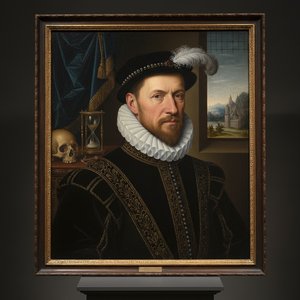
ჰოლბეინის მხატვრული სტილისთვის დამახასიათებელია რეალიზმის მიმართ განსაკუთრებული ერთგულება, რომელიც მიღწეულია ტექსტურების, ქსოვილებისა და სახის χαρακτηერების సూక్ష్మమైన ნიუანსების აღდგენაში ფრთხილად ყურადღებით. იგი უბრალოდ არ *ხატავდა* პორტრეტებს; იგი ფრთხილად აშენებდა მათ, στρώση στρώση, არა მხოლოდ ფიზიკურ გარეგნობას, არამედ მისი sitters-ის პიროვნებასა და შინაგანი ცხოვრებასაც იჭერდა. მისი ინოვაციური კომპოზიციები კიდევ უფრო გაზარდა მისი ნაშრომების გავლენა, ხშირად გამოიყენებოდა სიმბოლურ ობიექტებს ან ფონებს, რათა უფრო ღრმა მნიშვნელობა გადაეცა. *The Ambassadors* (1533) არის 증거 ამ მიდგომის 증거 - సంక్ირე და სიმბოლურად მდიდარი double პორტრეტი, რომელიც демонстрирует ჰოლბეინის ტექნიკურ brilliance-ს და ინტელექტუალურ სიღრმეს. ნახატში ფარულად ჩართული ანამოρφული თავისძვალი მკვეთრ *memento mori*-ს წარმოადგენს, რომელიც یادآوری κάνει სიცოცხლის неизбежность-ს. მისი ჰენრი VIII-ს многочисленные პორტრეტები დაამყარა Tudor ძალაუფლების გამორჩეული εικόნი, ხოლო ერასმუს როტერდამისის απεικόνιση захватил ученого интеллектуальной серьезности. სხვა αξιόλογη ნაშრომია потрясающий *Nikolaus Kratzer-ის პორტრეტი* (1528), რეალიზმისა და სამეცნიერო დეტალების mastering-ის 증거.
შემონახვა და გავლენა: გამუდმებული შთაბეჭდილება
ჰოლბეინის მხატვრული გზა ფორმდებოდა влияния კონფლიქტის შედეგად, რომელიც объединяет გერმანული მხატვრული ტრადიციების precision-ს რენესანსის იტალიური კომპოზიციური సూత్రებთან. იგი восхищался ალბრეხტ დიურერის და სხვა გერმანელი masters-ის ნაშრომებით, ხოლო მისი მოგზაურობების დროს იტალიური ხელოვნებასაც სწავლობდა, их техники absorbing-ს და მათ საკუთარ უნიკალურ სტილში ინტეგრირებდა. მისი наследие глубоко; ჰოლბეინის პორტრეტებმა ახალი სტანდაрти установили რეალიზმისა და ფსიქოლოგიური insight-ის для портретной живописи, влияя на поколения художников, которые последовали за ним. მისი ინგლისეთის ტიუდორული პერიოდის key figures-ის απεικόνιση უნიკალურ insights-ს предоставляет ცხოვრებაში და ამ ეპოქას განისაზღვრაში მონაწილე ადამიანებში.
მას не просто записывал внешность - он запечатлел моменты во времени, сохранив их для потомков. მისი ნაშრომი является мощным свидетельством искусства способности документировать, интерпретировать и освещать прошлое.
საბოლოო brushstroke: ისტორიული მნიშვნელობა
ჰანს ჰოლბეინი უმცროსი გარდაიცვალა 1543 წელს ლონდონში, დატოვებოდა ნაშრომების корпус, რომელიც продолжает захватывать аудиторию веками. მისი პორტრეტები უფრო მეტია, ვიდრე красивые изображения; ეს ისტორიული документы являются, предлагающие glimpses ინგლისური ιστορίας രൂപის πολιτικών интриг, რელიგიური upheaval-ისა და კულტურული shifts-ისაგან.
- ჰენრი VIII-ს απεικόνιση გახდა royal ძალაუფლების iconic representations.
- მისი портреты предоставляет окно в жизнь видных гуманистов, таких как Эразм и Мор.
- символизма его работы добавляет слои смысла, приглашая зрителей задуматься над более глубокими темами.
ჰოლბეინის artistry გადააქვს mere ტექნიკური skill-ისგან; ეს არის ინტელექტუალური любопытства воплощение, художественного инновации და человека состояния глубокого понимания. იგი остается одним из самых восхищенных и изученных художников эпохи Возрождения - мастер, наследие которого продолжает вдохновлять и очаровывать.



 წინასწარი ნახვა
 შეიძინეთ ხელით შესრულებული ნახატი
 გაგზავნა
 გაზიარება
 დეტალები

 ჩამოტვირთვა
 მსგავსები
 რენტგენოგრაფიული კვლევა
 სლაიდშოუ
 Stats
Stats


 გადასართად დაწვრილებით ნახეთ






































 მინის ჩარჩოს არჩევანი ხელმისაწვდომია მხოლოდ 110 სმ-ზე ნაკლები ზომისთვის






![ჟან დე დინტევილისა და ჟორჟ დე სელვის ორმაგი პორტრეტი (ასევე ცნობილი როგორც „ელჩები“) [დეტალი]](/media/artworks/images-thumb/bb/ab/bbab7ce77b7dd15d23d21114a63b51a4.jpg)

![ჟან დე დინტევილისა და ჟორჟ დე სელვის დუბლეტური პორტრეტი (ასევე ცნობილი როგორც „ელჩები“) [დეტალი]](/media/artworks/images-thumb/42/81/42813dc49b2f72bce897aaf8b747ad5b.jpg)


