


მუზეუმის დონის ჟიკლე ან ტილოზე ბეჭდვა სწრაფი წარმოებისა და დასრულების მოქნილი ვარიანტებით. ( შეიძინეთ ხელით შესრულებული ნახატი გადასვლა ციფრულ გამოსახულებაზე)





























აირჩიეთ ჩვენს მიერ წინასწარ განსაზღვრული ზომებიდან, რომლებიც ნაწარმოების ორიგინალურ პროპორციებს შეესაბამება.

შეიყვანეთ თქვენთვის საჭირო სიგანე და სიმაღლე, რათა იგი მოერგოს თქვენს ჩარჩოს ან კედელს. ბეჭდვისას შესაძლებელია მხოლოდ მისი შემცირება და არა გაზრდა, ამიტომ სხვა ფორმის ზომის შემთხვევაში გამოსახულება ნაწილობრივ იკარგება. სანამ რაიმეს დაბეჭდავთ, ჩვენ გამოგიგზავნით ციფრულ მაკეტს დასდასტურებლად. ამ გვერდზე ნაჩვენები სურათი არ ასახავს რეალურ ჭრას — ამას მხოლოდ მაკეტი გვიჩვენებს.
მიწოდება მთელ მსოფლიოში () 2 კვირაში, სტანდარტული 4/5 კვირის ნაცვლად. (31 ოქტომბერი)
Jupiter and Semele
რეპროდუქციის ზომა
In the grand tapestry of nineteenth-century art, few threads shimmer with as much mystery and nocturnal beauty as Gustave Moreau’s Jupiter and Semele. Completed in 1895, this monumental canvas stands as a cornerstone of the Symbolist movement, embodying a profound fascination with dreamlike imagery and psychological exploration. The painting plunges viewers into a scene brimming with dramatic tension, capturing a pivotal moment from Greek mythology where the celestial and the earthly collide. At its heart lies Semele, draped elegantly upon her bed, attended by the infant Dionysus—the son of Zeus—representing a divine union at the genesis of myth. Above this intimate moment, Jupiter is depicted as a towering figure, observing the scene with a regal yet detached presence that creates a complex interplay of light and shadow.
Moreau’s genius resides in his ability to orchestrate figures and elements into a meticulously crafted tableau designed to evoke deep emotion. The positioning of Semele and her child is deliberately calculated to convey a sense of vulnerability and innocence against the backdrop of Jupiter’s imposing, divine power. It is a visual metaphor for the perilous pursuit of divine grace, where the boundaries between mortal longing and heavenly splendor are dangerously thin. For the discerning collector or interior designer, this work offers more than just visual splendor; it provides a narrative depth that can anchor a room with a sense of history and intellectual intrigue.
Moreau’s Symbolist aesthetic is fundamentally rooted in a rich language of representation. The painting is far more than a literal retelling of legend; it is an invitation to contemplate the complexities of human desire. Two birds—one perched atop Semele’s bed and another soaring above—serve as potent emblems of divinity and transcendence, mirroring the mythological connection between the mortal woman and the king of the gods. These avian figures hint at a spiritual journey toward enlightenment, weaving themes of fertility and divine providence throughout the frame.
To achieve such an otherworldly atmosphere, Moreau employed a sophisticated technique characterized by dramatic chiaroscuro and a thick impasto. The interplay of light and dark sculpts the scene with breathtaking realism, capturing the very luminescence emanating from Jupiter’s gaze. By applying paint in textured layers, Moreau creates a palpable physicality that emphasizes the solemn grandeur of the composition. His palette, often featuring jewel-toned pigments, contributes to a sense of opulent mystery, making the surface of the canvas shimmer with an almost iridescent quality. This meticulous attention to detail—from the delicate folds of drapery to the subtle nuances of facial expressions—ensulted in a work that transcends mere visual representation, offering a window into a mythological consciousness that continues to captivate audiences today.
კატალოგში, გუსტავ მორეუ-ის „Jupiter and Semele“ დახარისხებულია, როგორც WallArt. ეს კატეგორია გეხმარებათ მსგავსი ნამუშევრების პოვნაში.
გუსტავ მორეუ-ის „Jupiter and Semele“-ის ჩამოტვირთვა შესაძლებელია ნამუშევრის ჩამოტვირთვა გვერდიდან, როგორც მაღალი გარჩევადობის ციფრული გამოსახულების ჩამოტვირთვა.
„Jupiter and Semele“-ს აქვს augmented reality (AR) წინასწარი ნახვის ფუნქცია: ნამუშევრის AR წინასწარი ნახვა გვერდი მას თქვენს საკუთარ სივრცეში, თავსებად მოწყობილობაზე აჩვენებს.


1826 - 1898 , საფრანგეთი
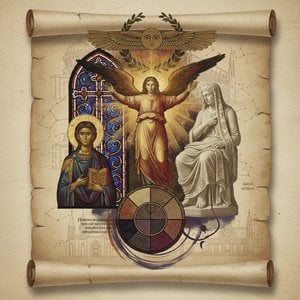
Explore the profound impact of spiritual themes in fine art. From Renaissance iconography to Baroque drama, discover how sacred symbolism and divine visions have shaped art history through a scholarly and reflective lens.

Explore the profound tension between Impressionism's light-drenched realism and Symbolism's evocative dreamscapes. An expert art-historical journey into how 19th-century masters captured both the visible world and the unseen human psyche through myth, metaphor, and emotion.
 ნახვა ინტერьерში
 გაგზავნა
 გაზიარება
 დეტალები
 გზამკვლევი

 ჩამოტვირთვა
 მსგავსები
 რენტგენოგრაფიული კვლევა
 სლაიდშოუ
 Q&A
Q&A სტატისტიკა

 სრული ტექსტის ნახვა









 მინის ჩარჩოს არჩევანი ხელმისაწვდომია მხოლოდ 110 სმ-მდე ზომისთვის


