ნახვა ინტერьерში ნახვა AR რეჟიმში გადართვა ბეჭდვის რეჟიმზე გადასვლა ციფრულ გამოსახულებაზე გაგზავნა
დეტალები გზამკვლევი დამატება ფავორიტებში ჩამოტვირთვა მსგავსები რენტგენოგრაფიული კვლევა სლაიდშოუ სტატისტიკა

Apollo Vanquishing the Serpent Python

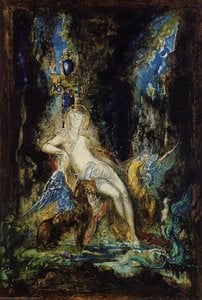
Moreau’s mesmerizing Apollo Vanquishing the Serpent Python captures the dramatic intensity of Symbolist art—a luminous depiction of Apollo battling the serpent Python in a sunlit cave, accompanied by an angelic figure. Explore this iconic masterpiece and bring its timeless beauty into your home.

გუსტავ მორეუ არის ფრანგი მხატვარი და მნიშვნელოვანი ფიგურა სიმ볼ისტულ მცენებაობაში. მისი ნაწილი მღვადამშვიდ პერიოდში იყო და არ შეეძლო სხედამშვიდ მცენებაობაში მიღება და არ შეეძლო სხედამშვიდ მცენებაობაში მიღება და არ შეეძლო სხედამშვიდ მცენებაობაში მიღება და არ შეეძლო სხედამშვიდ მცენებაობაში მიღება და არ შეეძლო სხედამშვიდ მცენებაობაში მიღება და არ შეეძლო სხედამშვიდ მცენებაობაში მიღება და არ შეეძლო სხედ

ხელით შესრულებული ზეთის საღებავით რეპროდუქცია

ტილოზე შესრულებული ფერწერიანი ზეთប្រდათი, თქვენთვის სასურველი ზომისა და ჩარჩოსთვის, ჩვენი ხელოვანების მიერ შეკვეთის საფუძველზე დამზადებული. ( გადართვა ბეჭდვის რეჟიმზე გადასვლა ციფრულ გამოსახულებაზე)

Corner sample of the P118B picture frame: moulded polystyrene, 5 cm wide and 3 cm thick
P118B 10
Corner sample of the P118H picture frame: moulded polystyrene, 5 cm wide and 3 cm thick
P118H 10
Corner sample of the P118W picture frame: moulded polystyrene, 5 cm wide and 3 cm thick
P118W 10
Corner sample of the P438Z picture frame: moulded polystyrene, 5.5 cm wide and 3.5 cm thick
P438Z 10
Corner sample of the P508JH picture frame: moulded polystyrene, 7 cm wide and 3.5 cm thick
P508JH 12
Corner sample of the P508YH picture frame: moulded polystyrene, 7 cm wide and 3.5 cm thick
P508YH 12
Corner sample of the P805H picture frame: moulded polystyrene, 5 cm wide and 3.5 cm thick
P805H 10
Corner sample of the P805Z picture frame: moulded polystyrene, 5 cm wide and 3.5 cm thick
P805Z 10
Corner sample of the P919BZ picture frame: moulded polystyrene, 7 cm wide and 3.5 cm thick
P919BZ 10
Corner sample of the P919G picture frame: moulded polystyrene, 7 cm wide and 3.5 cm thick
P919G 10
Corner sample of the P919XJ picture frame: moulded polystyrene, 7 cm wide and 3.5 cm thick
P919XJ 10
Corner sample of the P959ZH picture frame: moulded polystyrene, 5 cm wide and 3 cm thick
P959ZH 10
Corner sample of the P968JZ picture frame: moulded polystyrene, 6 cm wide and 4 cm thick
P968JZ 12
Corner sample of the W106C picture frame: solid wood, 5 cm wide and 3 cm thick
W106C 8
Corner sample of the W218G picture frame: solid wood, 5 cm wide and 3 cm thick
W218G 10
Corner sample of the W218JH picture frame: solid wood, 5 cm wide and 3 cm thick
W218JH 8
Corner sample of the W218Y picture frame: solid wood, 5 cm wide and 3 cm thick
W218Y 10
Corner sample of the W307PJ picture frame: solid wood, 6 cm wide and 3 cm thick
W307PJ 10
Corner sample of the W316G picture frame: solid wood, 6 cm wide and 3 cm thick
W316G 10
Corner sample of the W316PJ picture frame: solid wood, 6 cm wide and 3 cm thick
W316PJ 8
Corner sample of the W316Y picture frame: solid wood, 6 cm wide and 3 cm thick
W316Y 10
Corner sample of the W398PJ picture frame: solid wood, 5 cm wide and 3 cm thick
W398PJ 8
Corner sample of the W4111J picture frame: solid wood, 6.5 cm wide and 3.5 cm thick
W4111J 10
Corner sample of the W500HY picture frame: solid wood, 7 cm wide and 5 cm thick
W500HY 15
Corner sample of the W500JH picture frame: solid wood, 7 cm wide and 5 cm thick
W500JH 15
Corner sample of the W692G picture frame: solid wood, 8 cm wide and 4 cm thick
W692G 12
Corner sample of the W849H picture frame: solid wood, 5 cm wide and 3 cm thick
W849H 8
Corner sample of the W940BG picture frame: solid wood, 7.5 cm wide and 4.5 cm thick
W940BG 15
Corner sample of the W953PJ picture frame: solid wood, 6 cm wide and 3.5 cm thick
W953PJ 8

სტანდარტული ზომა
ინდივიდუალური ზომა
CM
INCH

აირჩიეთ ჩვენს მიერ წინასწარ განსაზღვრული ზომებიდან, რომლებიც ნაწარმოების ორიგინალურ პროპორციებს შეესაბამება.

სიგანე
სიმაღლე

თქვენ შეგიძლიათ მიუთითოთ თქვენთვის სასურველი ზომები კონკრეტული ჩარჩოს ან სივრცის შესაბამისად. თუ თქვენ მიერ არჩეული ზომა არ შეესაბამება ორიგინალი გამოსახულების პროპორციებს, ჩვენ ან შევაჭრებთ ნაწარმოებს, ან ტილოზე დავამატებთ ხელით მოხატულ ელემენტებს. წარმოების დაწყებამდე, დასამტკიცებლად გამოგეგზავნებათ ციფრული მაკეტი.
გთხოვთ, გაითვალისწინოთ, რომ ეკრანზე ნაჩვენები წინასწარი შეხედულება არ ასახავს რეალურ შეჭრას ან გაფართოებას. საბოლოო კომპოზიციას ზუსტად მხოლოდ მაკეტი წარმოაჩენს.
მიუხედავად იმისა, რომ შესაძლებელია ინდივიდუალური ზომების შერჩევა, ორიგინალური პროპორციების შენარჩუნებისათვის გირჩევთ, გამოიყენოთ წინასწარ განსაზღვრული სიის ზომები.

რა შეიძლება შეიცვალოს: სახის ჩანაცვლება მომხმარებლის ფოტოთი; შინაური ცხოველის დამატება (მაგ., კატის ჩანაცვლება ძაღლით); ფონზე ფარული შეტყობინების დამატება; ფონის პეიზაჟის ან ელემენტების შეცვლა.
შეკვეთის შემდეგ, WahooArt.com გუნდი დაგიკავშირდებათ ელექტრონული ფოსტით ინსტრუქციებისთვის და გამოგიგზავნით წინასწარ ნახაზს (mockup).

მიწოდება მსოფლიო მასშტაბით -ში 3/4 კვირაში, სტანდარტული 5 კვირის ნაცვლად. (10 ოქტომბერი). ხარისხზე კომპრომისის გაკეთება არ მოხდება.

უფასო ექსპრეს მიწოდება მთელ მსოფლიოში
მაღალი ხარისხის ტილო
ტრანსპორტირების სრული დაზღვევა
საბაჟო გადასახადების დაბრუნების გარანტია
ფერების სრული შესაბამისობის გარანტია
დაბრუნების 100-დღიანი პერიოდი (მხოლოდ წარმოების დეფექტის შემთხვევაში)
100% თანხის სრული დაბრუნების გარანტია
ფასდაკლება დიდი რაოდენობით შეკვეთისას

ჯამური ღირებულება

₾ 709

Apollo Vanquishing the Serpent Python

რეპროდუქციის ტექნიკა

რეპროდუქციის ზომა

-

ჯამური ღირებულება

₾ 709

მოკლე ფაქტები

  • Artist: Gustave Moreau
  • Year: 1885
  • Notable elements or techniques: Dramatic lighting; Mythological imagery
  • Location: Private Collection
  • Subject or theme: Mythology; Heroic struggle
  • Medium: Oil on canvas
  • Influences: Classical Antiquity"; "Christian Symbolism

A Celestial Struggle Captured in Light and Shadow

In the profound depths of Gustave Moreau’s 1885 masterpiece, Apollo Vanquishing the Serpent Python, viewers are invited into a realm where the boundaries between myth and reality dissolve. This seminal work of the Symbolist movement serves as much more than a mere illustration of Greek legend; it is a visceral, psychological drama rendered in oil. The painting captures the pivotal moment of Apollo’s triumph over the primordial chaos represented by the serpent Python. Within the claustrophical confines of a dark cavern, Moreau orchestrates a breathtaking confrontation that transcends time, offering a meditative study on the eternal struggle between divine intellect and the primal, untamed forces of nature.

The composition is anchored by a masterful use of chiaroscuro, a technique that breathes life into the heavy atmosphere of the cave. A singular, piercing shaft of sunlight descends from a fissure in the cavern roof, acting as a divine spotlight that illuminates Apollo’s resolute form. This brilliant light does not merely illuminate the scene; it symbolizes the emergence of reason and spiritual clarity amidst the enveloping gloom. The interplay between the radiant sunbeams and the deep, velvety shadows creates a sense of immense physical depth, drawing the collector's eye into the very heart of the conflict.

The Language of Symbolism and Divine Grace

To gaze upon this work is to read a complex tapestry of esoteric symbols. Moreau, a true dream weaver of his era, rejected the fleeting naturalism of Impressionism in favor of a richly layered visual language. The serpent Python, coiled with menacing detail at the base of the composition, represents the heavy, earthbound weight of instinct and darkness. In stark contrast, the presence of a celestial, angelic figure hovering near the upper left corner introduces an element of divine grace, suggesting that Apollo’s victory is not merely physical, but a spiritual ascension. This figure serves as a silent witness to the triumph of the soul over the material world.

For the discerning interior designer or art enthusiast, this painting offers a profound emotional resonance. The tension held within the brushstrokes—the stillness of Apollo against the serpentine threat—creates an atmosphere of intense, quiet drama. It is a piece that demands contemplation, making it an extraordinary focal point for a curated collection or a sophisticated living space. Whether viewed as a historical artifact of the late 19th-century French avant-garde or as a timeless emblem of resilience, Moreau’s work continues to inspire awe through its ability to translate the intangible mysteries of the human psyche into a tangible, breathtaking visual experience.

კითხვები და პასუხები

ვინ ყიდის გუსტავ მორეუ-ის „Apollo Vanquishing the Serpent Python“-ის ხელით ნათესლობილ ასლებს?

"Apollo Vanquishing the Serpent Python" ხელოვნური ნიმუში ხელნაკეთ რეკრედიციით ხელმისაწვდომია როგორც ლენის ტილოზე შესრულებული ზეთწარმოთი, ხელით ნათესლით. შეკვეთის განთავსება და ზომების არჩევა შეგიძლიათ ეს გვერდი-ზე.

რა არის გუსტავ მორეუ-ის „Apollo Vanquishing the Serpent Python“-ის ფეროვანი იდენტობა?

გუსტავ მორეუ-ის „Apollo Vanquishing the Serpent Python“ იყენებს Earthy პალიტრას, სადაც დომინანტური ფერი Clay (#8f6343)-ია.

სად შემიძლია გუსტავ მორეუ-ის „Apollo Vanquishing the Serpent Python“-ის პრინტის შეძენა?

"Apollo Vanquishing the Serpent Python" ხელოვნების ნიმუში ხელმისაწვდომია როგორც ხელოვნების მაღალი ხარისხის ბეჭდური ბამბის ტილოს ან საარქივო ტილოს ქაღალდის ბაზაზე. შეკვეთა შეგიძლიათ თქვენთვის სასურველი ზომით, ეს გვერდი გვერდზე.

რა ასაკში შექმნა გუსტავ მორეუ-მა „Apollo Vanquishing the Serpent Python“?

გუსტავ მორეუ-მა „Apollo Vanquishing the Serpent Python“ 59 წლის ასაკში შექმნა. ხელოვანმა დაიბადა 1826, ნამუშევრის თარიღგადასახელება კი 1885-ია.

როდის შეიქმნა "Apollo Vanquishing the Serpent Python"?

გუსტავ მორეუ-ის „Apollo Vanquishing the Serpent Python“ შექმნის თარიღია 1885.

სად არის რეკომენდებული "Apollo Vanquishing the Serpent Python"-ის განთავსება, მისი პალიტრის გათვალისწინებით?

Earthy პალიტრის წყალობით, გუსტავ მორეუ-ის „Apollo Vanquishing the Serpent Python“ რეკომენდებულია Hotel Lobby-ისთვის. სწორედ ფერები განაპირობებს ამ რეკომენდაციას.

ვინ შექმნა "Apollo Vanquishing the Serpent Python"?

"Apollo Vanquishing the Serpent Python" შექმნილია გუსტავ მორეუ-ის მიერ. ამ გვერდზე მოცემული ინფორმაცია აღწერს გუსტავ მორეუ-ის ორიგინალურ ნამუშევარს.


მხატვრის ბიოგრაფია

Gustave Moreau (1826 - 1898): A Dream Weaver of Symbolism

Gustave Moreau, a name synonymous with the ethereal beauty and enigmatic depths of Symbolist painting, emerged from 19th-century Paris as a singular artistic voice. Born in 1826 into a bourgeois family—his father an architect and archivist—Moreau’s early life was steeped in intellectual curiosity and aesthetic sensibility. From a young age, he displayed a remarkable gift for drawing, nurtured through traditional academic training at the École des Beaux-Arts under figures like François-Édouard Picot. However, Moreau's artistic path would diverge sharply from the prevailing Realist and Impressionist currents of his time. He wasn’t interested in capturing fleeting moments or objective reality; instead, he sought to unlock the hidden realms of myth, religion, and the human psyche through a deeply personal and symbolic visual language. His journey was one of inward exploration, translating subjective emotions and spiritual yearnings onto canvas with an obsessive attention to detail and a vibrant, often opulent palette.

Early Influences and Artistic Training

Moreau’s artistic development wasn't born in a vacuum. While rejecting the dominant trends of his era, he drew inspiration from diverse sources. The dramatic use of color and exotic subject matter found in the works of Eugène Delacroix ignited a passion for narrative painting imbued with emotional intensity—a fascination that would define much of his oeuvre. He particularly admired Michelangelo’s monumental sculptures and Leonardo da Vinci's masterful anatomical drawings, recognizing their profound impact on artistic technique and psychological insight. Yet, Moreau wasn’t merely imitating these masters; he was synthesizing their influences into something entirely new. His formative years at Collège Rollin instilled in him a rigorous intellectual discipline—a cornerstone of his artistic approach—and subsequent training at the École des Beaux-Arts solidified his mastery of classical painting principles. Notably, he befriended Theodore Chassériau, who shared his admiration for Delacroix and served as a crucial mentor during Moreau’s early career. This relationship fostered a collaborative spirit that would propel both artists toward groundbreaking innovations in artistic expression.

The Italian Journey: Rediscovering Antiquity

A pivotal moment in Moreau’s artistic evolution arrived with his travels to Italy between 1857 and 1859—a pilgrimage he undertook with unwavering determination. Driven by a desire to reinvigorate the history painting tradition, Moreau immersed himself in the art of antiquity and the Renaissance, meticulously copying Old Master paintings as a means of absorbing their stylistic nuances and mastering their techniques. He visited Rome extensively, studying the frescoes of Michelangelo and Raphael—artists whose monumental achievements profoundly influenced his artistic vision. The grandeur of Roman ruins served as constant reminder of the enduring power of classical ideals—a fascination that would permeate his subsequent works. This immersive experience fundamentally reshaped Moreau’s aesthetic sensibilities, equipping him with a wealth of visual references and inspiring him to forge an entirely original artistic style.

Symbolist Vision: Myth, Religion, and Psychological Depth

Moreau's artistic breakthrough occurred in 1864 with *Oedipus and the Sphinx*, a painting that signaled the commencement of his mature period and established his reputation as a pioneer of Symbolism—a movement he championed alongside Theodore Chassériau. Departing decisively from Realist conventions, Moreau embraced a radically subjective approach to artistic creation—one rooted in the conviction that art should transcend mere representation and engage directly with the human psyche. He eschewed objective observation in favor of imaginative exploration—translating inner emotions and spiritual yearnings into visual symbols—often employing opulent color palettes and intricate textural details to evoke an atmosphere of otherworldly beauty. His canvases depict scenes from mythic narratives—such as Oedipus confronting the Sphinx—and biblical tales—like Samson and Delilah—not as literal recreations of historical events, but as vehicles for conveying profound psychological truths. Moreau’s technique was characterized by painstaking layering of paint—creating surfaces that shimmer with iridescent hues—and a meticulous attention to anatomical accuracy—reflecting his admiration for Leonardo da Vinci's anatomical studies.

Legacy and Influence: Shaping the Future of Art

Though initially met with skepticism from mainstream artistic circles, Moreau achieved considerable acclaim during the Symbolist movement of the 1890s—solidifying his position as one of the foremost painters of his time. Unlike many contemporaries who pursued fame and fortune, Moreau remained largely secluded from public life—preferring to devote himself entirely to artistic pursuits within the confines of his studio—where he nurtured a singular vision of art’s role in human experience. Despite facing considerable challenges during his lifetime—including financial difficulties and critical disapproval—Moreau exerted an indelible influence on subsequent generations of artists—inspiring them to embrace imagination, symbolism, and individual expression. His unwavering commitment to artistic integrity—coupled with his pioneering exploration of psychological depth—continues to resonate with audiences today—affirming Moreau’s enduring legacy as a visionary artist who fundamentally reshaped the landscape of modern art. He established the Musée Gustave Moreau in Paris—a testament to his life's work—where visitors can contemplate the captivating beauty and enigmatic complexity of his paintings—forever preserving his artistic vision for posterity.
გუსტავ მორეუ

გუსტავ მორეუ

1826 - 1898 , საფრანგეთი

მოკლე ფაქტები

  • Artistic Movement Or Style: სიმბოლიზმი
  • Artists Who Influenced This Artist:
    • ხუგო დელაკსოჲ
    • მიქელანჯელო ბრანჩელი
    • ლევონარדו დ ვინჩი
  • Date Of Birth: 6 აპრილს 1826 წელი
  • Date Of Death: 18 აპრილს 1898 წელი
  • Full Name: Gustave Moreau
  • Nationality: ფრანგილია
  • Notable Artworks:
    • სალომე ჰეროდის წინ მოდის და ტრიალინება
    • იოზეფ და სემელე
    • მორფეისი
    • პარიზი და დესდემონა
  • Place Of Birth: პარისი საფრანგეთი
აღმოაჩინეთ ხელოვნების ნაწარმოებები თემების, სტილისა და მახასიათებლების მიხედვით დაჯგუფებული.