გუსტავ კორბეს ბიოგრაფია: რეალიზმის რევოლუცია
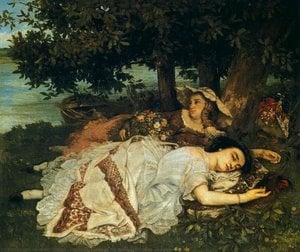
გუსტავ კორბე, ანტონიმად ჟან-დესირე გუსტავ კორბე (1819-1877) იყო ფრანგი მხატვარი, რომელმაც საფუძველი ჩაუყარა რეალიზმს XIX საუკუნის ფრანგულ ხელოვნებაში. დაბადებული ორნანში, პატარა ქალაქი საფრანგეთის სამხრეთ-აღმოსავლეთით, კორბე ადრეული ასაკიდანვე გამოჩნდა თავდაჯერებულობითა და არტისტული ნიჭით, რაც ხშირად ეρχებოდა კონფლიქტში დამკვირვებელთა მოძველებული შეხედულებებთან. მისი ცხოვრება და შემოქმედება იყო მუდმივად განუწყვეტელი ბრძოლა ტრადიციული ხელოვნების წესებისა და ახალი, უფრო სიმშვიდითა და გულწრფელობით აღქმისკენ. კორბემ უარყო მხატვრული იდეალიზაცია და მიმართა ყოველდღიურ ცხოვრებას, ხალხს, სამუშაოს და პეიზაჟებს ისეთივე, როგორებიც ისინი რეალურად იყვნენ – არასრულყოფილებითა და სიმშვიდით.
რეალიზმის გაჩენა: ხელოვნების კონვენციებთან ბრძოლა
კორბეს შემოქმედება აღინიშნა მუდმივად უარის განცხადებით დამკვირვებელთა მიერ დაწესებულ წესებზე. ის არ იყო დაინტერესებული მითოლოგიური მოთხრობებით ან გმირული სიმბოლოებით; მისი ყურადღება კონცენტრირებული იყო ჩვეულებრივი ადამიანების ყოველდღიურ ცხოვრებაზე, განსაკუთრებით მათთვის, ვინც დაკავებულია შრომითა და სოფლის მეურნეობით. ეს ერთგვაროვანი სამყაროს აღქმისკენ მიმართული ძალისხმევი, რაც მოგვიანებით რეალიზმად ცნობილი გახდა, თავდაპირველად შეხვედრილი იყო презрительному отношению და კამრად დამკვირვებლების მხრიდან, რომლებიც ჩვეულები იყვნენ უფრო პოლირებული და იდეალიზებული წარმოდგენებზე. მისი ადრეული ნაშრომები მოიცავდა ლანდშაფტებსა და პორტრეტებს, მაგრამ მალევე გადაინაცვლა სამუშაო კლასის ცხოვრების სცენებზე, რომლებიც წარმოადგენდნენ მონუმენტალურ მასშტაბს, რომელიც ტრადიციულად იყო განკუთვნილი ისტორიული ან რელიგიური ტილოებისთვის. ეს ნათქვამი არჩევანი მხოლოდ სტილისტური გადაწყვეტილება არ იყო; ეს იყო განცხადება იმის შესახებ, რომ ამ ხშირად შეუმჩნეველ თემებს ექცეოდადაუწერელი ღირებულება და მნიშვნელობა.
ქვისმტეხავები, რომელიც დასრულებულია 1849 წელს, მაგრამ სამწუხაროდ განადგეს მეორე მსოფლიო ომის დროს, იყო ამ მიდგომის ნათელ მაგალითი – ორი შრომელი მუშის მკაცრი აღწერა, რომლებიც იხოცებიან დაღლისგან.
ძირითადი ნაშრომები და მხატვრული ფილოსოფია
ორნანში დაკრძალვა (1850-1851) იყო მასშტაბური ტილო, რომელიც წარმოადგენდა პროვინციულ საფლავს, რომელმაც შოკი მოგზარდა დამკვირვებლებზე 1850-1851 წლებში. მისი უზომო ზომა – რომელიც ტრადიციულად იყო განკუთვნილი დიდ ისტორიულ ტილოებისთვის – კომბინირებული იყო ცხოვრებისეული რეალიზმით და გრძნობათა იდეალიზაციის ნაკლებობით. კორბემ არ აღწერა მწუხარეები როგორც არისტოკრატიული ან გლუკოზური ფიგურები; მან ისინი წარმოადგინა ჩვეულებრივი ადამიანების სახეებით, რომლებიც გამოხატავდნენ სევდას, მოსაუბრეს და განდგომილებას. ეს სიმშვიდე რევოლუციური იყო. მისი მხატვრული ფილოსოფია გადაიჭრა მხოლოდ თემებში; ის უპირისპირდა მასალების მნიშვნელობასაც. მან მიიღო პირდაპირი, იმპასტო სტილი – საღებავის ხშირი დადება ტილოზე – რომელიც ხაზს უძრავდა საშუალებას.
მხატვრის სტუდია (1855), ალეგორიული ნამუშევარი, რომელიც ასახავს მის ხელოვნების რწმენასა და თანამედროვე სოციალური საკითხებთან ურთიერთობას, კიდევ უფრო განამტკიცა მისი რეპუტაცია პროვოკაციულ და დამოუკიდებელ მხატვრად. მისი მონაწილეობა Универсальном салоне-ში 1863 წელს – გამოფენის ადგილას, სადაც უარი ეუბნებოდნენ ოფიციალურ სარბიell-ს – განამტკიცა მისი სტატუსი მორტისტი და ხელოვნების თავისუფლების დამცველი. მაშინაც კი, ლანდშაფტები, როგორიცაა
ფონტენბლოს ტყეში ხედვა (1855), შეიცავდნენ რეალიზმის გრძნობას, რომელიც აღწევდა ბუნებრივი სილამაზის დაპატივწყებას.
ისტორიული მნიშვნელობა და მემკვიდრეობა
გუსტავ კორბეს გავლენა შემდგომი ხელოვნების მოძრაობებზე უდავოა. მიუხედავად იმისა, რომ მან შთამთვლიდა ადრეულ დიდოსტატებს, როგორიცაა კარავაჯო, მათი დრამატიული რეალიზმისთვის და სინათლისა და ნაწილის გამოყენებისთვის, მისი გავლენა გადასდგომოდა 단순한 имитации-ს. მან მნიშვნელოვანი გავლენა მოახდინა იმპრესიონისტებსა და პოსტ-იმპრესიონისტებზე, გაათავისუფლეს ტრადიციული წარმოდგენისგან, რათა შეძლონ ახალი გზების აღმოჩენა და სამყაროს გამოსახლება. მისი სოციალური კომენტარი განაპირობა მოგვიანებით სოციალურად ჩართულ მხატვრებს, რომლებმაც გამოიყენეს თავიანთი ნაშრომები პოლიტიკური აქტივიზმის პლატფორმად. კორბე არ იყო მხოლოდ მხატვარი; ის იყო ხელოვნების თავისუფლებისა და პოლიტიკური ცვლილებების ხმაური ადვოკატი, რომელიც აქტიურად მონაწილეობდა იმ დროს არსებულ მუდმივ მოძრაობაში, მათ შორის 1871 წლის პარიზის კომუნაში – ჩართულობა, რომელმაც გამოიწვია გადასახლება შვეიცარიაში. ის გარდაიცვალა 1877 წელს, დატოვე მასშტაბური მემკვიდრეობა, რომელიც დღესაც აგრძელებს საზოგადოებას აღფრთოვანებულს და პროვოცირებას.
- რეალიზმის პიონერი
- გამოიწვევდა სამეცნიერო კონვენციებს
- განამტკიცა იმპრესიონიზმი და პოსტ-იმპრესიონიზმი
- ხელოვნების თავისუფლების დამცველი
მის მემკვიდრეობა არის ხელოვნებაზე მიუთითება, რომელიც გამოწვევს, შეეცადა და საბოლოო ჯამში გარდაქმნას ჩვენი სამყაროს აღქმა.



 წინასწარი ნახვა
 შეიძინეთ ხელით შესრულებული ნახატი
 გაგზავნა
 გაზიარება
 დეტალები
 გზამკვლევი

 ჩამოტვირთვა
 მსგავსები
 რენტგენოგრაფიული კვლევა
 სლაიდშოუ
 სტატისტიკა
 გადასართად დაწვრილებით ნახეთ






































 მინის ჩარჩოს არჩევანი ხელმისაწვდომია მხოლოდ 110 სმ-ზე ნაკლები ზომისთვის