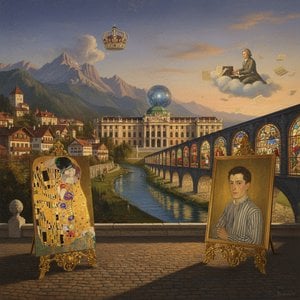
მხატვრის ბიოგრაფია
გუსტავ კლიმტის ადრეული წლები და მხატვრული აღმოცენება
გუსტავ კლიმტი დაიბადა 1862 წლის 14 ივლისს, ბაუმგარტენში, ვენის yakınında. ის წარმოშობილი იყო ოჯახიდან, რომელსაც ხელოვნებისადმი ნათესავი ჰქონდა, თუმცა ფინანსური უჭირდა. მისი მამა, ერნსტ კლიმტი, ოქროს გრავერი იყო, პროფესია, რომელმაც სუბტილურად, მაგრამ ღრმად აღმოაჩინა ახალგაზრდა გუსტავის ესთეტიკური გრძნობები – ოქროს ფოთლის მომხიბვლელობა, ზუსტი დეტალიზაცია და უხილავი მდიდრობა. ოჯახის ბრძანებები ხშირად იცვლებოდა ვენაში, რაც, შესაძლოა, კლიმტს გარემომცველების მიმართ მწვერვალო დაკვირვებასა და ადამიანური გამოცდილებისადმი მგრძნობელობას უწყობდა ხელს. ბავშობაშივე მისი ნახატების უნარი გამორჩეული იყო, რაც კაცობრივ პროფესიასთან და თანდამთქმელ ნიჭთან ერთად ყვანთოდა. 1876 წელს ის ჩაირიცხა ვენის ხელოვნების სკოლაში (Kunstgewerbeschule), სადაც დაიწყო ფორმალური სწავლება არქიტექტურული მხატვრობის დარგში ფერდინანდ ლაუფბერგერის ხელ കീഴით. ეს უზრუნველყოფილი იყო მასზედაფუძნებული ტექნიკური საფუძველი, მაგრამ ასევე გამოაშკარავებდა მოქმედი აკადემიური სტილებს – სტილებს, რომლებსაც კლიმტი საბოლოო ჯამში გამორიგებდა და გადააჭარბებდა. სწორედ აქ მან მნიშვნელოვანი მხატვრული პარტნიორობი გაყარა თავის ძმასთან, ერნსტთან და ფრანც ვონ მასޗთან, თანამშრომლობა, რომელმაც უზრუნველყო ადრეული კომისიები დეკორატიული მრავალფეროვნებისა და ჭერებისათვის, რაც საფუძველი გახდა მისი მომავლის წარმატებისთვის.
ვენის სეცესიონის აღზევება
1890-იანი წლებისთვის კლიმტი უფრო და უფრო იმედგაცრუებული იყო ვენაში არსებულ კონსერვატულ მხატვრულ დამყარებაში. ის ოცნებობდა მეტ თავისუფლობაზე, სივრცეში, სადაც ინოვაცია ყვანთოდა ტრადიციის შეზღუდვის გარეშე. ეს სურვილი კულიმინაციამდე მივიდა 1897 წელს ვენის სეცესიონის ჩამოყალიბებით, ავსტრიის ხელოვნების ისტორიაში გადამწყვეტი მომენტი. კლიმტი აირჩევით მისი პირველი პრეზიდენტი, გახდა მოძრაობის სიმბოლო, რომელიც ეძებოდა მკაცრი აკადემიური ნორმებიდან გასვლებასა და ახალი მხატვრული ტენდენციების მიღებას ევროპაში – Art Nouveau, სიმბოლიზმი და იაპონიზმი. სეცესიონის საკუთარი გამოფენის შენობა, ਜੋసెფ მარია ოლბრიხის დიზაინით, გახდა ამ తిరుగుబాటు-ს სიმბოლო, თანამედროვე ხელოვნებისადმი ნაკურთველი ტაძმა. კლიმტის ნაშრომები იყო სეცესიონის არსის ცენტრში, რომელიც ასახავდა კონვენციური ესთეტიკის უარყოფასა და დეკორატიული ელემენტების მიღებას, ბრilliant ფერებსა და სიმბოლურ გამოსახულებებს. მისი ნახატები დაიწყეს თემების შესწავლა სიყვარულის, სიკვდილისა და სქესურობის შესახებ беспрецедентным frankness-ით, რაც გამოწვევდა საზოგადოებრივ ნორმებს და აღძრავდა როგორც восхищение, ასევე ఆగ్రహი.
ოქროს ფაზა და მხატვრული სიმწიფე
1900 წლისთვის კლიმტი შევიდა იმას, რაც დღეს მისი „ოქროს ფაზად“ არის ცნობილი, პერიოდი, რომელსაც ხასიათდებოდა ოქროს ფოთლის пышное გამოყენებით, რომელიც შთაგანილი იყო ბიზანტიური მोज़აიკებისა და შუა საუკუნეების иллюминированных ხელნაწერებისგან. ამ ტექნიკამ მის ნახატებს გადააქცია shimmering, სხვა სამყაროს ხედვებად, რომლებიც სულიერი სიღრმისგრძნობიანი და чувственного привлекательности გრძნობით იყო აღმოსაჩერებილი. *The Kiss* (1907-1908), შესაძლოა მისი ყველაზე ცნობილი ნამუშევარი, ამ სტილის მაგალითია – წყვილი ჩასული კოცნაში, ოქროს აურის გარემორგებაში, მათი ორგანოები украшены ინტრიკატური 패턴ებით. ეს პერიოდი ასევე ხასიათდება შესანიშნავი портретов-ის წარმოქმნით, მათ შორის *Portrait of Adele Bloch-Bauer I* (1907), რომელიც გამოავლენდა მის უნარს არა მხოლოდ ფიზიკური მსგავსების აღწევას, არამედ მისი საგნების ფსიქოლოგიური სიძრწოლის აღქმას. ის თანაბრალეულად აბლურებდა ხაზს მხატვრობასა და დამზდობელ ელემენტებს შორის, შექმნიდა ფორმისა და შინაარსის ჰარმონიულ ფუზიას. იაპონური ხელოვნების გავლენა – იაპონიზმი – განსაკუთრებით ნათლად ჩანს მისი שטორირებული პერსპექტივაში, ხაზებზე და აქცენტზე დეკორატიული 패턴ებში.
争议, 영향력 및 지속적인 유산
კლიმტის კარიერა არ იყო თავისუფალი კონფლიქტებისგან. 1900 წელს მას მიიღო პრესტიჟული კომისიონი ვენის უნივერსიტეტის დიდი დარბაზისთვის ჭერების მხატვრობა, რომელიც წარმოადგენდა ფილოსოფიას, სამართალსა და თეოლოგიას. თუმცა, ეს ნამუშევრები – განსაკუთრებით *Philosophy* – აღიქმებოდა провокационным და حتی порнографическим კონსერვატულ კრიტიკოსების მიერ, რაც გამოიწვია საზოგადოებრივი უკმაყოფილება და საბოლოოდ კლიმტი უარი განაცხადა უფრო მეტ სახელმწიფო კომისიებზე. ეს ინციდენტი აღნიშნა გარდამავალი წერტილი მის კარიერაში, რომელიც მას უფრო προσωπული მხარდაჭერისკენ მიიწრასა და მისცა მეტი მხატვრული თავისუფლება. მთელი ცხოვრების განმავლობაში კლიმტი受到了 სხვადასხვა მხატვრებისა და სტილებისგან – ჰანს 막არტის ისტორიული ნახატებიდან ბიზანტიური ხელოვნებისა და იაპონიის వరకు. მან ასევე შთაგანილი იყო სიმბოლისტური მოძრაობიდან, თემების შესწავლა მითოლოგიის, ალეგორიისა და ქვეცნობიერსთან. გუსტავ კლიმტი გარდაიცვალა 1918 წლის 6 თებერვალს ინფარქტის შედეგად ესპანურ გრიპის პანდემიის დროს. მისი შემდგომი ნამუშევრები შესწავლის მიზნით უფრო აბსტრაქტული ფორმებსა და ლანდშაფტებს აღმოაჩენდა, რაც მხატვრულ ევოლუციის მუდმივ გადმოსახელებას წარმოადგენს. ის ახლა აღიარებულია ავსტრიის ხელოვნების ისტორიაში ერთ-ერთი ყველაზე მნიშვნელოვანი ფიგურად, ვენის სეცესიონის წამყვანი წარმომადგენლად და Art Nouveau ელეგანტის მუდ



 წინასწარი ნახვა
 გადართვა ბეჭდზე
 გაგზავნა
 გაზიარება
 დეტალები
 გზამკვლევი

 ჩამოტვირთვა
 მსგავსები
 რენტგენოგრაფიული კვლევა
 სლაიდშოუ
 სტატისტიკა

 გადასართად დაწვრილებით ნახეთ






































 მინის ჩარჩოს არჩევანი ხელმისაწვდომია მხოლოდ 110 სმ-ზე ნაკლები ზომისთვის