წინასწარი ნახვა AR წინასწარი ნახვა ბეჭდვის რეჟიმზე გადართვა შეიძინეთ ხელით შესრულებული ნახატი გაგზავნა
დეტალები გზამკვლევი ფავორიტებში დამატება ჩამოტვირთვა მსგავსები რენტგენოგრაფიული კვლევა სლაიდშოუ კითხვა-პასუხი პრეზენტაცია სტატისტიკა

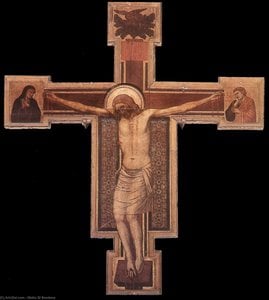
Crucifix

Discover Giunta Pisano's masterful Pisan paintings & sculptures from Pisa, Italy (1190-1260). Explore his Renaissance style and legacy at Piazza dei Cavalieri.

მიიღეთ ბეჭდვისთვის გამზადებული ფაილი, რომლის ხარისხიც ბევრად აღემატება ვებ-პრევიუსს. ჩვენს ბაზაში არსებული ყველა ციფრული გამოსახულება ეყრდნობა მაღალი რეზოლუციის ორიგინალს — როგორც წესი, 5,000-დან 15,000 პიქსელამდე სიგანის — რაც საშუალებას გაძლევთ, თავდაჯერებულად დაამბოროთ დიდი ზომის ბეჭდვა, მოახდინოთ ფრაგმენტის მჭიდროდ გამოჭრა ან აღადგინოთ ნატიფი დეტალები.

ჩვენს სტუდიაში არცერთი ფაილი შეუმჩნევლად არ რჩება. ციფრული ექსპერტი ადარებს ფერებს ორიგინალ ნახატს და საჭიროების შემთხვევაში ასწორებს მათ, შემდეგ კი პროფესიონალური რეტუშირების ინსტრუმენტებით აუმჯობესებს სიცხადესა და დეტალიზაციას — ყოველთვის ოსტატის ფუნჯის მონაკვეთებისა და სტილის ერთგულებით. შედეგი არის გამოსახულება, რომელიც ნამდვილ ნახატს ჰგავს და არა ფილტრებულ სკანირებას.

თქვენ აკონტროლებთ პროცესს მის დასრულებამდე: ჩვენი ექსპერტი 72 საათის განმავლობაში გამოგიგზავნით გამოსახულებას ელექტრონული ფოსტით გადასასინჯად. არ დაკმაყოფილებული? მოითხოვეთ ცვლილებები ან შესწორებები, ან მოითხოვეთ თანხის დაბრუნება, თუ ხარისხი თქვენს მოლოდინს ვერ შეესაბამება.

ეს არის ხარისხი, რომელსაც ენდობიან გამომცემლობები, დიზაინ სტუდიები, გალერეები და அச்சგამოცემები.

ციფრული გამოსახულება

ჩამოტვირთეთ მაღალი გარჩევადობის ფაილი პირადი გამოყენებისთვის, დასაბეჭდად და შემოქმედებითი პროექტებისთვის. ( ბეჭდვის რეჟიმზე გადართვა შეიძინეთ ხელით შესრულებული ნახატი)

საბოლოო ფასი

₾ 64.59

ყოველ ციფრულ გამოსახულების შეკვეთაში შედის

ექსპერტული ციფრული მიწოდების გარანტია

როდესაც ირჩევთ WahooArt.com-ს, თქვენ მხოლოდ სურათს კი არ იღებთ, არამედ იღებთ პროფესიონალურად დამუშავებულ ციფრულ ნამუშევარს, რომელიც შექმნილია უზადო სიზუსტით და დაცულია კმაყოფილების გარანტიით. თქვენს შეკვეთას ავტომატურად მოჰყვება შემდეგი:

სწრაფი ელექტრონული მიწოდება

თქვენს მაღალი რეზოლუციის ციფრულ გამოსახულებას შეკვეთის დაწყებიდან 72 საათში ელექტრონული ფოსტით მიიღებთ — ის მზად იქნება დაუყოვნებლივი გამოყენებისთვის.

ხელოვნური ინტელექტით გაუმჯობესებული ციფრული გამოსახულება

თქვენი ხელოვნების ნიმუშები პროფესიონალურად არის ოპტიმიზებული მოწინავე AI ინსტრუმენტებისა და მექანიკური რედაქტირების მეშვეობით, რაც უზრუნველყოფს მაქსიმალურ დეტალიზაციას, სიცხადესა და ფერების სიზუსტეს.

ციფრული გამოსახულებების უფასო სამუდამო ხელახალი მიღება

ფაილი შემთხვევით წაიშალა ან დაკარგეთ? ნუបედავთ — ჩვენ მას ნებისმიერ დროს, უფასოდ ხელახლა გამოგეგზავნით.

იმპორტის გადასახადების გარეშე — ყოველთვის

ჭიდად ისიამოვნეთ თქვენი ნამუშევრით მყისიერად, საბაჟო გადასახადის, მოსაკრებლის ან მიწოდების ხარჯის გარეშე - ციფრული ჩამტვირთვისას ყოველთვის საგადასახადო თავისუფლებაა.

ფერების სიზუსტის გარანტია

პროფესიონალური ინსტრუმენტებისა და ფერების მართვის სისტემის გამოყენებით, ჩვენ უზრუნველყოფთ, რომ თქვენი ციფრული გამოსახულება მაქსიმალურად ზუსტად ასახავდეს ორიგინალურ ფერებს.

კმაყოფილების 100-დღიანი გარანტია

თუ თქვენ არ დაკმაყოფილებული ხართ თქვენი ციფრული გამოსახულებით, ჩვენ შევიტანთ მასში ცვლილებებს ან დაგიბრუნებთ 100% თანხას 100 დღის განმავლობაში — ყოველგვარი კითხვის დასმევის გარეშე.

100% თანხის დაბრუნების გარანტია

არ არის კმაყოფილი? მიიღეთ თანხის სრული დაბრუნება ციფრული ფაილის მიღებიდან 100 დღის განმავლობაში — ყოველგვარი დამატებითი კითხვების გარეშე.

ფასდაკლება დიდი რაოდენობით შეკვეთაზე

შეიძინეთ 3 გამოსახულება და მიიღეთ 10% ფასდაკლება - შეიძინეთ 5 და მიიღეთ 15% ფასდაკლება - შეიძინეთ 10+-ზე და მიიღეთ 20% ფასდაკლება. იდეალურია კრეატიული პროექტებისთვის, გალერეებისა და სააგენტოებისთვის.


მხატვრის ბიოგრაფია

Giunta Pisano: The Pioneer of Italian Crucifixion

Giunta Pisano, a name often overshadowed by the towering figures of his contemporaries, stands as a pivotal figure in the early development of Italian painting. Born in Pisa around 1190 and tragically dying sometime before 1258 or 1260, Giunta’s legacy rests primarily on his profoundly influential crucifixes – works that dramatically shifted the artistic representation of Christ's suffering and laid the groundwork for subsequent generations of Renaissance artists. While he remains a relatively obscure figure in broader art historical narratives, examining his life and work reveals a remarkably innovative artist who dared to challenge established Byzantine conventions and forge a distinctly Italian path.

Pisa during Giunta’s formative years was a vibrant hub of artistic activity, deeply influenced by the remnants of the Roman Empire and increasingly exposed to the wealth and culture of the East through trade routes. The city's strategic location as a major port facilitated contact with Byzantine artists and craftsmen, creating an environment ripe for artistic exchange. Giunta’s early career is shrouded in some mystery; he is believed to have been working by 1202, possibly influenced by Greek art following the Fourth Crusade. He was one of the first Italian painters whose name appears on a work, solidifying his place as a significant contributor to the burgeoning artistic landscape.

The Masterpiece: The Crucifix of San Raniero and Beyond

Giunta’s most celebrated works are undoubtedly his crucifixes. The *Crucifix of San Raniero*, housed in the Museo Nazionale di San Matteo in Pisa, exemplifies his groundbreaking approach. Unlike earlier depictions of Christ on the cross, which often presented a serene, almost triumphant image – a “Christus gloriosus” – Giunta depicted a Christ writhing in agony, consumed by physical and emotional suffering. His portrayal was strikingly realistic, emphasizing the wounds, contortions, and vulnerability of the dying figure. This shift towards a "Christus patiens" (suffering Christ) marked a radical departure from Byzantine iconography and established a new standard for representing the crucifixion that would profoundly influence artists like Cimabue and ultimately, Giotto.

Technique and Style: A Synthesis of Byzantine and Italian Traditions

Giunta’s style is characterized by a fascinating synthesis of Byzantine and emerging Italian artistic traditions. He inherited the meticulous detail, rich colors, and gold leaf characteristic of Byzantine art, particularly in his use of tempera on wood panels. However, he infused these elements with a distinctly Italian sensibility – a greater emphasis on naturalism, emotional intensity, and a more dynamic composition. His figures possess a remarkable sense of volume and weight, achieved through careful modeling and shading. The *Crucifix of San Raniero* demonstrates this perfectly, showcasing the artist’s ability to convey both physical pain and spiritual anguish with astonishing realism.

  • Tempera on Wood: Giunta primarily utilized tempera paint applied to wooden panels, a technique common in Italy at the time.
  • Byzantine Influence: His early works show clear traces of Byzantine iconography, particularly in the composition and rendering of Christ’s figure.
  • Italian Realism: He gradually introduced elements of Italian realism, evident in his attention to anatomical detail and emotional expression.

Giunta's Circle and Lasting Legacy

While Giunta Pisano is often considered a solitary figure, evidence suggests he had a circle of followers and assistants. Artists like the Master of the Blue Crucifixes, the Master of the Treasury, and Vicino da Pistoia are believed to have been influenced by his work. His influence extended beyond Pisa, impacting artists in other regions of Italy. Notably, Giunta’s depiction of Christ as a suffering figure paved the way for Cimabue's own groundbreaking crucifixes, which further solidified this new artistic direction. The imposing *Crucifix* in the Basilica of Saint Dominic in Bologna, bearing the inscription “Cuius docta manus me pixit Junta Pisanus” (painted by the learned or skilled hand of Giunta Pisano), stands as a testament to his enduring impact on Italian art – a powerful symbol of the transition from Byzantine tradition to the nascent Renaissance.

Giunta Pisano’s contribution to the history of art is often underestimated, but his pioneering work in depicting Christ's suffering represents a crucial turning point. He was not merely a follower of Byzantine conventions; he was an innovator who dared to reshape the visual language of Christian iconography and set the stage for the artistic achievements of subsequent generations.

Giunta Pisano (Giunta Da Pisa)

Giunta Pisano (Giunta Da Pisa)

1190 - 1260 , Italy

მოკლე ინფორმაცია

  • Artistic Movement Or Style: Renaissance style
  • Artists Or Movements Influenced By This Artist:
    • Cimabue
    • Giotto
  • Artists Who Influenced This Artist: ['Byzantine artists']
  • Date Of Birth: 1190
  • Date Of Death: 1260
  • Full Name: Giunta Pisano (Giunta da Pisa)
  • Nationality: Italian
  • Notable Artworks:
    • Crucifix of Pisa
    • Crucifix (Bologna)
  • Place Of Birth: Pisa, Italy