ნახვა ინტერьерში ნახვა AR რეჟიმში გადართვა ბეჭდვის რეჟიმზე გადასვლა ციფრულ გამოსახულებაზე გაგზავნა
დეტალები გზამკვლევი დამატება ფავორიტებში ჩამოტვირთვა მსგავსები რენტგენოგრაფიული კვლევა სლაიდშოუ სტატისტიკა

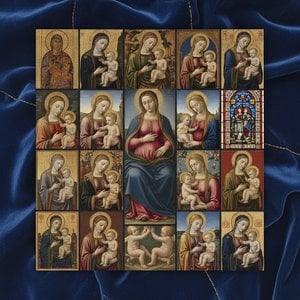
Madonna and Child

A stunning Renaissance painting by Giulio Romano depicting the Virgin Mary and Child with St. John the Baptist. Admire its intricate details & serene beauty at The Walters Art Museum.

გაიცანით ჯულიო რომანო (1499-1546), რაფაელის ნიჭიერი მოწაფე და მანერიზმის ოსტატი! აღმოაჩინეთ მისი განსაცვიფრებელი ფრესკები პალazzo Te-ში, ინოვაციური არქიტექტურული დიზაინი და გავლენა რენესანსის ხელოვნებაზე.

ხელით შესრულებული ზეთის საღებავით რეპროდუქცია

ტილოზე შესრულებული ფერწერიანი ზეთប្រდათი, თქვენთვის სასურველი ზომისა და ჩარჩოსთვის, ჩვენი ხელოვანების მიერ შეკვეთის საფუძველზე დამზადებული. ( გადართვა ბეჭდვის რეჟიმზე გადასვლა ციფრულ გამოსახულებაზე)

P118B $10
P118H $10
P118W $10
P438Z $10
P508JH $12
P508YH $12
P805H $10
P805Z $10
P919BZ $10
P919G $10
P919XJ $10
P959ZH $10
P968JZ $12
W106C $8
W218G $10
W218JH $8
W218Y $10
W307PJ $10
W316G $10
W316PJ $8
W316Y $10
W398PJ $8
W4111J $10
W500HY $15
W500JH $15
W692G $12
W849H $8
W940BG $15
W953PJ $8

სტანდარტული ზომა
ინდივიდუალური ზომა
CM
INCH

აირჩიეთ ჩვენს მიერ წინასწარ განსაზღვრული ზომებიდან, რომლებიც ნაწარმოების ორიგინალურ პროპორციებს შეესაბამება.

სიგანე
სიმაღლე

თქვენ შეგიძლიათ მიუთითოთ თქვენთვის სასურველი ზომები კონკრეტული ჩარჩოს ან სივრცის შესაბამისად. თუ თქვენ მიერ არჩეული ზომა არ შეესაბამება ორიგინალი გამოსახულების პროპორციებს, ჩვენ ან შევაჭრებთ ნაწარმოებს, ან ტილოზე დავამატებთ ხელით მოხატულ ელემენტებს. წარმოების დაწყებამდე, დასამტკიცებლად გამოგეგზავნებათ ციფრული მაკეტი.
გთხოვთ, გაითვალისწინოთ, რომ ეკრანზე ნაჩვენები წინასწარი შეხედულება არ ასახავს რეალურ შეჭრას ან გაფართოებას. საბოლოო კომპოზიციას ზუსტად მხოლოდ მაკეტი წარმოაჩენს.
მიუხედავად იმისა, რომ შესაძლებელია ინდივიდუალური ზომების შერჩევა, ორიგინალური პროპორციების შენარჩუნებისათვის გირჩევთ, გამოიყენოთ წინასწარ განსაზღვრული სიის ზომები.

რა შეიძლება შეიცვალოს: სახის ჩანაცვლება მომხმარებლის ფოტოთი; შინაური ცხოველის დამატება (მაგ., კატის ჩანაცვლება ძაღლით); ფონზე ფარული შეტყობინების დამატება; ფონის პეიზაჟის ან ელემენტების შეცვლა.
შეკვეთის შემდეგ, WahooArt.com გუნდი დაგიკავშირდებათ ელექტრონული ფოსტით ინსტრუქციებისთვის და გამოგიგზავნით წინასწარ ნახაზს (mockup).

მიწოდება მსოფლიო მასშტაბით -ში 3/4 კვირაში, სტანდარტული 5 კვირის ნაცვლად. (25 სექტემბერი). ხარისხზე კომპრომისის გაკეთება არ მოხდება.

why_choose_icon
უფასო ექსპრეს მიწოდება მთელ მსოფლიოში
why_choose_icon
მაღალი ხარისხის ტილო
why_choose_icon
ტრანსპორტირების სრული დაზღვევა
why_choose_icon
საბაჟო გადასახადების დაბრუნების გარანტია
why_choose_icon
ფერების სრული შესაბამისობის გარანტია
why_choose_icon
დაბრუნების 100-დღიანი პერიოდი (მხოლოდ წარმოების დეფექტის შემთხვევაში)
why_choose_icon
100% თანხის სრული დაბრუნების გარანტია
why_choose_icon
ფასდაკლება დიდი რაოდენობით შეკვეთისას

ჯამური ღირებულება

$ 272

reproduction

Madonna and Child

რეპროდუქციის ტექნიკა

რეპროდუქციის ზომა

-

ჯამური ღირებულება

$ 272

მოკლე ფაქტები

  • Influences:
    • Raphael
    • Bramante
  • Title: Madonna and Child
  • Notable elements: Foreshortening, interior scene
  • Subject or theme: Virgin and Child
  • Year: 1522-1524
  • Location: The Walters Art Museum
  • Movement: Mannerism

ტესტი ხელოვნების შესახებ

თითოეულ კითხვაზე მხოლოდ ერთი სწორი პასუხია.

კითხვა 1:
What artistic movement is most closely associated with the style of Giulio Romano, as evidenced by this painting?
კითხვა 2:
The depiction of the interior in this painting, with its foreshortening and domestic setting, is a characteristic feature of which artist's work?
კითხვა 3:
Based on the image description, what is the likely identity of the figure wearing a veiled robe?
კითხვა 4:
What historical event significantly influenced Giulio Romano's career and artistic style, leading him to establish a studio in Mantua?
კითხვა 5:
The use of the term 'Madonna' in art historical contexts primarily refers to:

Giulio Romano’s Madonna and Child: A Roman Masterpiece of Grace and Mystery

Giulio Romano's Madonna and Child, a captivating work housed within the esteemed collection of The Walters Art Museum in Baltimore, offers a profound glimpse into the heart of the Italian Renaissance. More than simply a depiction of the Virgin Mary cradling her infant son, this painting is a testament to Romano’s evolving artistic vision – a synthesis of Raphael's influence and his own burgeoning Mannerist style, reflecting a pivotal moment in art history. Completed around 1522-23 during his time in Mantua, it embodies a delicate balance between idealized beauty and subtly unsettling psychological depth.

The painting’s composition immediately draws the eye to the central figures: Mary, rendered with an exquisite blend of serenity and vulnerability, holds her child close. The infant Jesus, depicted not as a fully grown figure but as a miniature adult, gazes directly at the viewer – a deliberate choice that fosters a powerful sense of intimacy and connection. His pose, reminiscent of classical sculptures, subtly hints at his future role as the Lamb of God, foreshadowing his sacrifice. The surrounding architectural setting, a simplified yet evocative interior space, is not merely decorative; it serves to frame the scene and imbue it with a quiet dignity. The parapet at the bottom of the painting, a feature uncommon in earlier Italian works, creates an illusion of depth, drawing the viewer into the intimate world of the Madonna and Child.

The Shadow of Raphael and the Rise of Mannerism

Giulio Romano’s artistic journey is inextricably linked to that of his master, Raphael. He apprenticed under the great painter in Rome, absorbing not only technical skills but also a deep appreciation for classical ideals and harmonious composition. However, Romano quickly began to diverge from Raphael's High Renaissance style, embracing the principles of Mannerism – a movement characterized by elongated figures, distorted perspective, and an emphasis on emotional expression over strict realism. This shift is particularly evident in Madonna and Child, where the figures possess a heightened sense of elegance and dynamism compared to the more balanced compositions favored by Raphael.

The influence of Leonardo da Vinci is also palpable. Romano’s use of sfumato – a technique involving subtle gradations of tone to create a hazy, atmospheric effect – contributes to the painting's ethereal quality. Furthermore, the careful attention to detail in rendering fabrics and textures, combined with the delicate modeling of the figures, demonstrates Romano’s mastery of oil paint—a medium he skillfully employed to achieve remarkable luminosity and depth.

Symbolism and Spiritual Resonance

Beyond its aesthetic beauty, Madonna and Child is rich in symbolic meaning. The presence of St. John the Baptist, depicted as a young boy gazing at Christ with reverence, underscores the narrative arc of salvation – from innocence to sacrifice. The Lamb, held by Jesus, is a potent symbol of his future role as the sacrificial lamb, offering redemption for humanity. The muted color palette—primarily blues and browns—evokes a sense of solemnity and contemplation, inviting viewers to reflect on themes of faith, love, and mortality.

The choice of a domestic setting, rather than a grand landscape, further enhances the painting’s emotional impact. It suggests that the Madonna and Child are not distant figures but intimately connected members of a family—a powerful reminder of the nurturing role of Mary in the Christian faith. The overall effect is one of profound tenderness and spiritual resonance, inviting viewers to connect with the timeless themes explored within this masterpiece.

A Legacy of Artistic Innovation

Giulio Romano’s Madonna and Child stands as a pivotal work in the transition from High Renaissance to Mannerism. It showcases his evolving artistic style—a synthesis of Raphael's influence and his own innovative approach to composition, form, and color. The painting’s enduring appeal lies not only in its technical brilliance but also in its profound emotional depth and symbolic richness. It remains a testament to Romano’s genius and a captivating example of the transformative power of art.

მსგავსი ნამუშევრები


მხატვრის ბიოგრაფია

რომაული დასაწყისი და მოწაფეობა სახელოვანი მასტერის ქვეშ

გიულიო რომანო, დაბადებული გიულიო პიპი 1499 წელს რომში, წარმოიშვა ეპოქაში, რომელიც უაღრესად ინტენსიური მხატვრული განვითარების პერიოდს აღნიშნავდა. მისი ადრეული ცხოვრების დეტალები გარკვეულწილად მ shadowy რჩება, თუმცა ცნობილია, რომ მან სწრაფად შევიდა რაფაელის ორბიტაში – უდავოდ ეპოქის ყველაზე სახელოვანი მხატვრის. ეს მოწაფეობა გადამწყვეტი აღმოჩნდა, არა მხოლოდ მისი ტექნიკური უნარების ჩამოყალიბებაში, არამედ მომავალი სტილისტური კვლევების საფუძველის დადებაში. ის მხოლოდ სტუდიის ასისტენტი არ იყო; გიულიო სწრაფად გახდა განუყოფელი თანამშრომელი, რომელიც მნიშვნელოვნად მიიღო მონაწილეობა მნიშვნელოვან პროექტებში, როგორიცაა ვატიკანის ოთახების (Stanze) გაფორმება – პაპ იულიუს II-ისა და ლეო X-ის დაკვეთით შესრულებული დიდებული სივრცეები. მისი ხელი შეიძლება გამოირჩეს მონუმენტალურ ფრესკაზე *The Fire in the Borgo*, სადაც მან რაფაელს დაეხმარა სასწაულო ჩარევის დრამატული სცენის აღწერაში. 1520 წელს რაფაელის untimely გარდაცვალების შემდეგ, გიულიომ თავისთავზე აიღო არაერთი დასრულებული შეკვეთის პასუხისმგებლობა, მათ შორის კარდინალ ჯულიანო დე’ მედიჩისთვის Villa Madama-ს ამბიციური გაფორმება. ადრეულმა გამოცდილებამ მასწავლა დიდი პროექტებისადმი მიძღვნილი ყურადღება და არისტოკრატიული პატრონაჟის მოთხოვნები, რაც მის შემდგომ კარიერას განსაზღვრავდა.

მანერიზმის დაბადება: კლასიკური ჰარმონიიდან გადახვევა

რენესანსის ტრადიციებში ღრმად ჩაც entrenchedული გიულიო რომანოს მხატვრული მიდგომა მალევე დაიწყო განვითარება და კლასიკური ბალანსისა და ჰარმონიის პრიორიტეტებისგან გადავიდა. მან მნიშვნელოვანი როლი ითამაშა მანერიზმის განვითარებაში – სტილში, რომელიც ხასიათდება მისი artificiality, elegancy და ხშირად შემაშფოთებელი ფორმის distortions. მიქელანჯელოს ძლიერი ფიგურების და დინამიკური კომპოზიციების ღრმა გავლენით, ასევე მხატვრული ექსპერიმენტების უფრო ფართო კლიმატში, გიულიომ დაიწყო asymmetry, tension და emotional intensity-ის მიღება მის ნამუშევრებში. ეს რენესანსის იდეალების უარყოფა არ იყო, რამდენადაც მათი საზღვრების deliberate exploration, რაც naturalism-ის შეზღუდვებს გასცდა, რათა შეიქმნას უფრო expressive და intellectually stimulating ნაწარმოებები. მან სულ უფრო ხშირად ცვლიდა რაფაელის გეგმებს, რომანულ ხელოვნებაში ახალი sensibility შეჰქონდა – მანერიზმის grand scale-ის გამოხატულება. ეს გარდაქმნა კარგად ჩანს მის ნახატებში, რომლებიც ხაზის საოცარი თავისუფლებას და დრამატული perspective-ს მიდრეკილებას აჩვენებს.

მანტუას მასტერი: Palazzo Te და არქიტექტურული ინოვაცია

1524 წელს გიულიომ Federico Gonzaga, Mantua-ს ჰერცოგის invitation მიიღო court painter-ად და architect-ად. ეს იყო turning point მის კარიერაში, რადგან მას unprecedented creative freedom და resources მიაწოდა. მან ფაქტურად აიღო პასუხისმგებლობა duchy-ში ყველა მხატვრული აქტივობისთვის, ზედამხედველობდა არა მხოლოდ paintings და frescoes-ს, არამედ architectural პროექტებს, garden designs-ს და თეატრალურ წარმოდგენებსაც. მისი ყველაზე სახელოვანი მიღწევა ამ პერიოდში უდავოდ Palazzo Te არის – ექსტრაორდინალური suburban villa, რომელიც მისი innovative genius-ის ტესტამენტად ითვლება. სასახლის interiors გაფორმებულია breathtaking complexity და psychological depth-ით აღსავსე illusionistic frescoes-ებით. მაგალითად, *Sala dei Giganti* (Hall of the Giants) წარმოადგენს ღმერთებსა და giants-ებს შორის chaotic ბრძოლას, რომელიც მაყურებელს figures-ისა და architectural fragments-ის swirling vortex-ში ახვევს. ამ masterpiece-ის manipulation space-ით და perspective-ით იქმნება immersive experience, რომელიც არის როგორც awe-inspiring, ასევე unsettling. Palazzo Te-ს გარდა, გიულიომ მნიშვნელოვანი renovations გააკეთა Mantua-ს ducal palace-სა და cathedral-ში, რაც indelible mark-ს ტოვებს ქალაქის urban landscape-ზე.

მემკვიდრეობა და lasting influence

გიულიო რომანო გარდაიცვალა Mantua-ში 1546 წელს, დატოვა მემკვიდრეობა, რომელიც იტალიის საზღვრებს გასცდა. მისი ნახატები collectors-თვის ძალიან prized იყო, ხოლო მის ნამუშვრებზე დაფუძნებული engravings – განსაკუთრებით Marcantonio Raimondi-ს მიერ – მნიშვნელოვან როლს ასრულებდნენ Italian artistic styles-ის dissemination-ში ევროპაში. ის იმდენად famous იყო გარდაცვალების შემდეგ, რომ Shakespeare-მა მხოლოდ ის “modern” artist მოიხსენიება თავის პიესებში—რაც მისი widespread renown-ის ტესტამენტია. მისი გავლენა ჩანს შემდგომ artists-თა ნამუშევრებში, რომლებმაც მიიღეს მისი dynamic compositions, elongated figures და expressive use of color. მიუხედავად იმისა, რომ მანერიზმმა საბოლოოდ სხვა stylistic movements-ს უступиა ადგილი, გიულიო რომანოს წვლილი remains essential Western art-ის განვითარების გასაგებად. ის წარმოადგენს pivotal moment-ს—გადახდას harmonious ideals-დან High Renaissance-დან უფრო complex და emotionally charged aesthetic-მდე late 16th century-ში. *მისი ნამუშევრები დღესაც აღფრთოვანებს და გამოწვევს მაყურებელს, გვახსენებენ ხელოვნების ძალას, რომელიც არა მხოლოდ ასახავს, არამედ shaping our understanding of the world-ს.*
ჯულიო რომანო

ჯულიო რომანო

1499 - 1546 , იტალია

მოკლე ფაქტები

  • Artistic Movement Or Style: მანერიზმი
  • Artists Or Movements Influenced By This Artist: ['Mannerist artists']
  • Artists Who Influenced This Artist:
    • Raphael
    • Michelangelo
  • Date Of Birth: დაახლოებით 1499 წელი
  • Date Of Death: 1 ნოემბერი, 1546
  • Full Name: Giulio Romano
  • Nationality: იტალიელი
  • Notable Artworks (List Of Titles):
    • The Fire in the Borgo
    • Palazzo Te
    • Villa Madama
  • Place Of Birth (City And Country): რომი, იტალია
აღმოაჩინეთ ხელოვნების ნაწარმოებები თემების, სტილისა და მახასიათებლების მიხედვით დაჯგუფებული.